
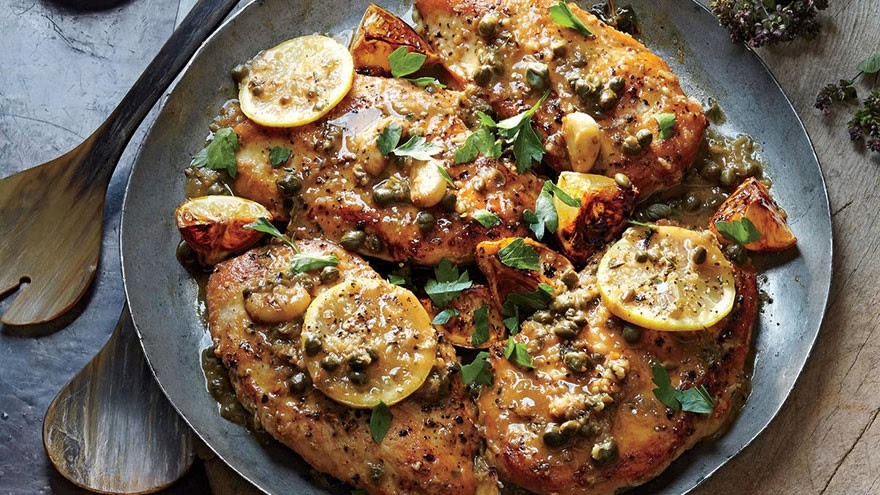
Cooking chicken breasts well is mostly about moisture, even thickness, and food safety. The old article had a useful holiday angle: after heavy meals and leftovers, chicken breast can feel lighter, faster, and easier to pair with vegetables or salad. The problem is that boneless breast meat dries out quickly when it is uneven, overcooked, or sliced too soon. A better chicken breast routine starts before the pan gets hot: trim, pound or split for even thickness, season early, avoid cross-contamination, cook to a safe temperature, and rest before slicing.
Why chicken breasts dry out
Chicken breast is lean. That is why people like it for quick meals, but it also means there is little fat to protect it from overcooking. A thick end and thin end on the same breast make the problem worse because one side finishes before the other.
Even thickness is the first fix. Pound the breast gently between sheets of parchment, or slice it horizontally into cutlets. Smaller, flatter pieces cook faster and more evenly, which gives you a better chance at juicy meat.
Shape matters. A better-shaped piece of chicken needs less rescue from sauce later.
Handle raw chicken safely
FoodSafety.gov's 4 steps to food safety page says not to thaw or marinate meat, poultry, or seafood on the counter. Use the refrigerator, cold water, or microwave methods when appropriate, and keep raw chicken away from ready-to-eat foods.
Use a separate board for raw chicken or wash the board, knife, and counter with hot soapy water before using them for vegetables. Do not place cooked chicken back on the plate that held raw chicken. These basics matter more than a fancy recipe.
Clean hands first. Wash hands after touching raw chicken, packaging, marinades, and any towel that may have picked up raw juices.
Season without making it tough
Salt, pepper, garlic, paprika, lemon, yogurt, buttermilk, herbs, and spice blends can all work. The goal is flavor without hiding the chicken. A short marinade can help, but acidic marinades should not sit too long because they can make the surface mushy.
If you want an easy sauce path, start with ideas like stir fry sauces, then adjust salt, sweetness, and acid to match chicken. Keep extra sauce separate from raw chicken unless it will be boiled or cooked safely.
Season in layers. Salt before cooking, add sauce near the end, and finish with fresh herbs or lemon if the dish tastes heavy.
Choose the cooking method
For cutlets, a hot skillet works well. Cook in a little oil until browned and cooked through, then rest. For whole breasts, a covered skillet, gentle oven bake, poach, or grill can work if you control heat and thickness.
USDA's chicken overview says chicken should reach a safe minimum internal temperature of 165 degrees F throughout. Its chicken from farm to table page is a practical reference for storage, handling, and cooking.
Use a thermometer. Color can mislead, especially with marinades, grill marks, or thicker pieces. Check the thickest part without touching bone or pan.
Rest and slice correctly
Resting helps juices settle. For small cutlets, a few minutes is enough. For thicker breasts, rest longer. Cutting immediately can send juices onto the board and leave the meat drier than it should be.
Slice across the grain when possible. Thin slices feel more tender and are easier to add to salads, bowls, sandwiches, or pasta. If the chicken is for meal prep, cool it before packing so steam does not make the container watery.
A plate of chicken over greens fits well with cooking greens when you want a meal that feels fresh after holiday leftovers.
Use chicken breasts in simple meals
Grilled chicken over salad is a strong starting point. Add corn, beans, tomatoes, avocado, pickled onions, or roasted vegetables. For a comfort meal, simmer sliced chicken in a light cream sauce with mushrooms and serve with rice or bread.
For freezer planning, cook plain chicken breasts, slice them, cool them quickly, and freeze portions for later. A guide like freezing fresh vegetables uses the same planning mindset: future meals are easier when ingredients are ready.
Keep some chicken plain. Strong sauces are useful, but plain cooked chicken can become tacos, soup, salad, bowls, or sandwiches through the week.
Store leftovers properly
USDA's safe temperature chart lists all poultry at 165 degrees F. After cooking, refrigerate leftovers promptly in shallow containers so they cool quickly.
Do not leave cooked chicken on the counter while the kitchen gets cleaned. Pack it early, label it if needed, and reheat only what you plan to eat. Repeated warming and cooling hurts texture and food quality.
Fast cooling protects meals. It also keeps tomorrow's lunch from tasting tired.
Try a quick dry brine
A dry brine is just salt added ahead of cooking. For chicken breasts, even 20 to 30 minutes can help seasoning move into the meat instead of sitting only on the surface. Pat the chicken dry before it hits the pan.
Do not overdo salt if the chicken will be served with a salty sauce. A light hand gives you room to adjust later. If the chicken was already injected with a salt solution, season more carefully.
Season early when you can. The chicken tastes more even, and the surface browns better after drying.
Poach when you want gentle chicken
Poaching is useful for salads, sandwiches, and meal prep. Place even chicken pieces in gently simmering broth or salted water with aromatics, then cook until they reach the safe internal temperature. Let them cool in a little cooking liquid for a softer texture.
Poached chicken will not have browned flavor, but it slices neatly and stays mild. That makes it useful when the final dish has dressing, herbs, salsa, or another strong flavor.
Gentle heat has a place. Not every chicken breast needs grill marks or a hard sear to be useful.
Common chicken breast mistakes
The most common mistake is cooking one thick piece straight from the package without evening it out. The second is cutting into it repeatedly to check doneness instead of using a thermometer. The third is slicing it the moment it leaves the heat.
Another mistake is drowning dry chicken in sauce. Sauce helps, but it cannot fully fix overcooked meat. Shape, temperature, and resting do more for juiciness than extra dressing at the end.
Fix the method first. Once the basic cook is right, sauces and sides become choices instead of rescue plans.
Use leftovers without drying them out
Leftover chicken breast is easiest to enjoy when it is sliced thin and warmed gently. Add it to soup at the end, fold it into a warm sauce, or eat it cold over salad. Hard reheating can make lean meat stringy.
If reheating in a skillet, add a splash of broth or water and cover briefly. If using a microwave, use lower power and shorter intervals. The goal is warm chicken, not a second full cook.
Reheat with moisture. Lean meat needs help staying pleasant after the first meal.
Pair chicken with simple sides
Chicken breasts work well with rice, roasted vegetables, greens, potatoes, beans, slaw, or bread. Choose sides that add texture and acid if the chicken is mild. Lemon, vinegar, pickles, salsa, or yogurt sauce can keep the plate from feeling flat.
After a heavy holiday stretch, a chicken salad, vegetable bowl, or broth-based soup may feel better than another cream-heavy meal. The same chicken can support several meals if you season it simply at first.
If you cook several breasts at once, sort them by size before cooking. Similar pieces finish together and make temperature checks more reliable.
Frequently Asked Questions
Should I wash raw chicken?
No. Washing raw chicken can spread bacteria around the sink and counter. Cook it safely and clean surfaces instead.
How do I make thick chicken breasts cook evenly?
Pound them to even thickness or slice them into cutlets. Even pieces cook faster and dry out less.
Can chicken breasts be marinated overnight?
Some marinades can sit overnight, but strong acidic marinades may damage texture. Keep marinating chicken in the refrigerator.
What is the safest temperature for chicken breast?
Use a food thermometer and follow USDA guidance of 165 degrees F for poultry.
Chicken breast does not have to be dry or boring. Shape it evenly, season it thoughtfully, keep raw juices contained, cook with a thermometer, and let the meat rest before slicing.

Cashie Evans
Covers parenting and practical household topics with clear steps, safety notes and links to current guidance.




Leave a reply
Replying to