

How to Cope With Negative Feelings During Pregnancy starts by naming the truth: pregnancy can bring joy, fear, grief, anger, numbness, resentment, body discomfort, and worry in the same week. Negative feelings do not make you a bad parent. They are signals worth listening to, especially if they start taking over sleep, eating, safety, or daily life.
This article is general pregnancy mental health education, not a diagnosis or treatment plan. If you might harm yourself or someone else, call emergency services, 988 in the United States, or a local crisis line now. If you hear or see things others do not, feel detached from reality, or cannot stay safe, seek urgent care.
Name The Feeling
Try to get more specific than "I feel bad." Is it fear, sadness, guilt, anger, dread, jealousy, disappointment, shame, loneliness, or grief? The label helps decide the next step. Fear may need information. Anger may need boundaries. Sadness may need support. Shame may need a private conversation with a clinician.
NIMH's perinatal depression information explains that mood symptoms can happen during pregnancy and after childbirth and can range from mild to severe. Naming symptoms early makes care easier to ask for.
Check For Depression Or Anxiety

Negative feelings become more concerning when they last most days, feel hard to interrupt, or interfere with functioning. Watch for persistent sadness, panic, racing thoughts, irritability, hopelessness, loss of interest, scary intrusive thoughts, sleep changes beyond normal pregnancy discomfort, or feeling unable to bond with the pregnancy.
ACOG's mental health treatment guidance covers depression, anxiety, bipolar disorder, and acute psychosis during pregnancy and postpartum. Symptoms deserve care, not secrecy.
Tell One Safe Person
Choose one person who can hear the truth without turning it into gossip or a lecture. Say, "I am having a hard pregnancy emotionally, and I need you to check on me." If speaking is hard, text it. The message does not need to be polished.
Livecub's depression during pregnancy article can help you decide which symptoms to bring to a provider.
Use A Body Reset

Strong feelings often show up in the body first: jaw tightness, chest pressure, stomach knots, shallow breathing, clenched hands, or a racing mind. Try one short reset: drink water, put both feet on the floor, lengthen the exhale, step outside, stretch your hips, take a warm shower, or lower the lights.
This is not a cure for depression or anxiety. It is a way to get through the next ten minutes without escalating.
Reduce Comparison
Pregnancy announcements, glowing photos, and family comments can make real emotions feel unacceptable. You do not need to enjoy every symptom to be grateful. You do not need to perform happiness for people who will not help with the hard parts.
If body changes are part of the struggle, Livecub's feeling attractive during pregnancy guide offers a gentler way to think about appearance and identity.
Make Appointments More Honest
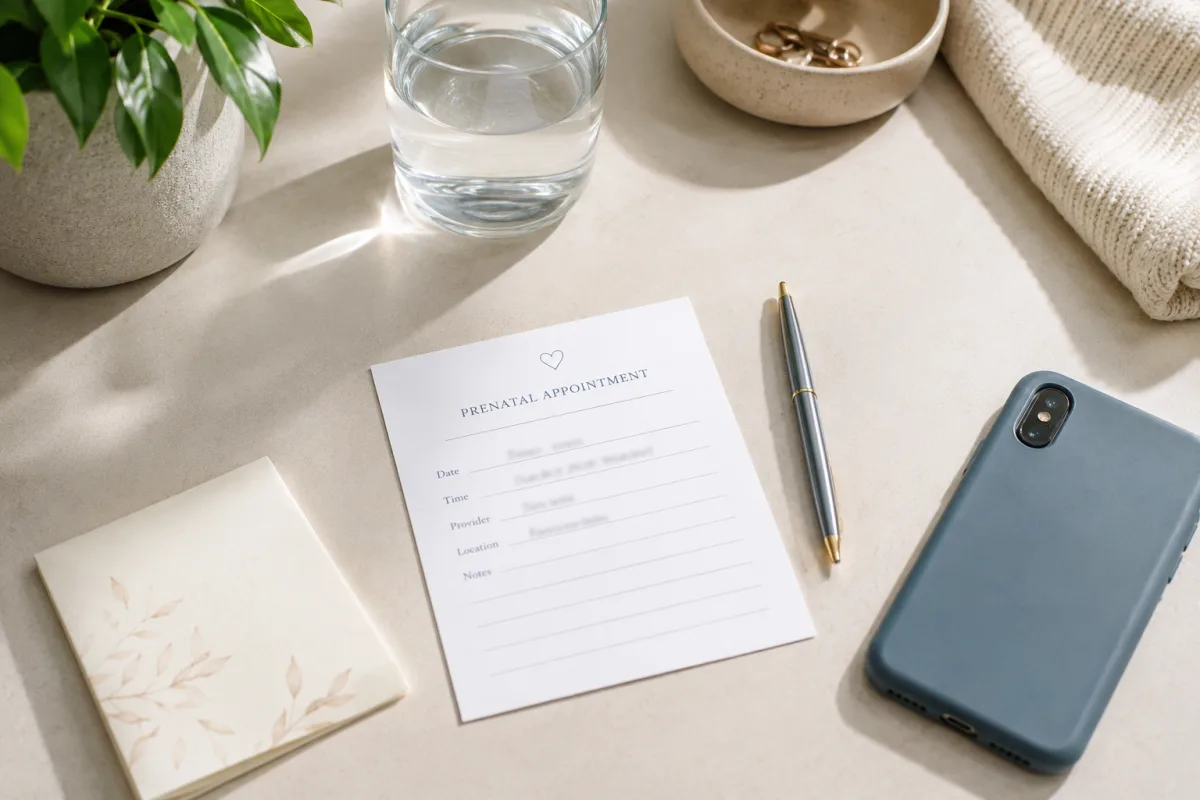
Before a prenatal visit, write three sentences: what you feel, how often it happens, and what it is affecting. Bring the note. If the provider asks a screening question, answer for your worst days, not the version you wish were true.
March of Dimes notes in its depression during pregnancy guidance that untreated depression can affect pregnancy and that people should tell their provider if they think they are depressed.
Protect Food And Sleep
Low sleep and long gaps without food can make feelings sharper. Pregnancy may make both harder. Aim for small anchors: a snack before nausea peaks, a bedtime wind-down, one less late phone scroll, or help with nighttime worries.
If nausea is part of the emotional spiral, Livecub's bland diets for pregnancy article can help with gentle food ideas.
Handle Unwanted Advice
Some people respond to pregnancy feelings with slogans. Prepare a line: "I am not looking for advice right now." "I need help, not comparison." "My provider and I are working on it." Short lines keep you from defending your whole inner life.
You can also change who gets updates. Pregnancy does not require full emotional access for every relative.
If The Pregnancy Was Complicated
Loss history, infertility, bleeding, uncertain test results, relationship stress, money pressure, or medical risk can make pregnancy emotionally loaded. Mixed feelings may make sense in context. A healthy coping plan leaves room for grief and relief together.
Livecub's evaporation lines on EPT results article can help with one early testing stress point.
Use Professional Support Early
Therapy, medication discussion, support groups, psychiatric care, social work, and domestic violence resources can all be part of pregnancy care. You do not have to wait until symptoms are extreme. Early support can prevent a hard season from becoming unsafe.
If privacy is a concern, ask the clinic what goes in the chart, who sees it, and what happens after a positive screen.
Movement Without Pressure
If your clinician says movement is safe, gentle walking, stretching, or prenatal yoga can help some people discharge tension. The point is not fitness performance. It is giving the body a way to move stress through.
If movement is restricted, use smaller tools: breathing, music, sunlight, a seated stretch, or a hand on the chest and belly.
Plan For Postpartum
Negative feelings during pregnancy can continue after birth. Before delivery, decide who checks on you, who brings food, who helps with sleep, and which number you call if mood drops. Put the plan in writing.
Livecub's early labor support guide can help partners practice specific support before the postpartum period.
Set A News Boundary
Reading pregnancy forums, birth stories, or symptom lists for hours can feed fear. Choose one or two reliable sources, then stop. If searching makes you feel worse every time, that is a sign to bring the worry to a person, not another page.
You can also ask a partner or friend to help filter information before appointments.
When Anger Shows Up
Anger during pregnancy can be surprising. It may come from pain, fear, feeling watched, unequal housework, money stress, or people touching your body without permission. Anger is not automatically wrong; it may be telling you a boundary is missing.
Try naming the request behind the anger: more rest, fewer comments, help with chores, privacy, or a different medical explanation.
Guilt About Not Feeling Happy
Many people feel guilty because pregnancy is supposed to be happy. A wanted pregnancy can still be hard. An unplanned pregnancy can still become loved. A difficult pregnancy can still lead to good parenting.
Feelings are not vows. They are experiences passing through a stressful body and life stage.
Make A Low-Energy List
On a calmer day, make a list for hard days: one person to text, one food you can tolerate, one grounding tool, one show or playlist, one reason to call the provider, and one crisis number. Keep it visible.
Hard days are easier when the plan was made before the hard day started.
Talk About The Pregnancy You Have
Some people feel worse because everyone talks about a fantasy pregnancy while they are living a difficult one. Use real sentences: "I am grateful and scared." "I want this baby and I hate being sick." "I need less advice and more help."
Contradictory feelings can be true at the same time.
Check Safety At Home
If negative feelings are tied to coercion, violence, being controlled, or fear of a partner or relative, treat that as a safety issue. Pregnancy can increase vulnerability in unsafe relationships. Ask a clinician privately for help or local resources.
You do not have to explain everything in front of the person causing fear.
Frequently Asked Questions
Are negative feelings during pregnancy normal?
They can be common, but persistent sadness, panic, hopelessness, intrusive thoughts, or unsafe feelings deserve professional support.
Should I tell my OB or midwife?
Yes. Pregnancy care includes mental health, and screening can connect you with treatment or support.
What if I am not excited about the pregnancy?
That can happen, especially with stress, loss history, health concerns, or an unplanned pregnancy. You still deserve care.
Can medication be used during pregnancy?
Sometimes. Decisions depend on symptoms, history, risks, benefits, and clinician guidance.
When is it urgent?
Self-harm thoughts, harm-to-others thoughts, psychosis symptoms, or feeling unable to stay safe needs urgent help.
The Care Plan
Cope with negative feelings during pregnancy by naming the feeling, telling one safe person, being honest at appointments, protecting food and sleep, reducing comparison, using short body resets, and getting mental health support before symptoms become a crisis.

Cashie Evans
Covers parenting and practical household topics with clear steps, safety notes and links to current guidance.



Leave a reply
Replying to