

Waverly Hills Sanatorium is not a roadside attraction where you pull up, wander in, and hope someone is at the door. It is private property, gated, and run through scheduled tours and events. That matters more than the ghost stories. A good visit starts with the official calendar, a reservation, clothes that can handle an old building, and the right tour choice for your patience level.
The building sits in Louisville, Kentucky, and its reputation mixes tuberculosis-era history, abandoned-hospital atmosphere, restoration work, and decades of paranormal storytelling. Some visitors come for architecture and history. Some come for ghost hunting. Many want both. Decide which kind of visit you actually want before buying tickets.
Check the official tour season first
The official Waverly Hills Sanatorium site says reservations are required and lists its 2026 tour season as March 1 through August 31, with possible off-season tours depending on weather. Because schedules, private bookings, and event types can change, use the official site or ticketing page rather than an old blog post.
Do not rely on showing up at the gate. Private property rules are part of the visit. Buy tickets in advance, check confirmation details, and read age limits before promising a child or teenager they can go. Paranormal investigations, night tours, and historical tours may have different rules.
Season timing affects the experience. Summer nights can be humid. Early spring and off-season dates can be cold inside a large old building. Some areas may be darker, uneven, damp, or dusty. If the site cancels or changes a tour because of weather or restoration needs, the official notice wins.
This planning habit applies to unusual travel stops in general. Remote land art, wildlife drives, and historic sites often have access limits that casual visitors miss. The same advance-check mindset helps when planning something like a visit to Spiral Jetty.
Choose historical, paranormal, or investigation tours
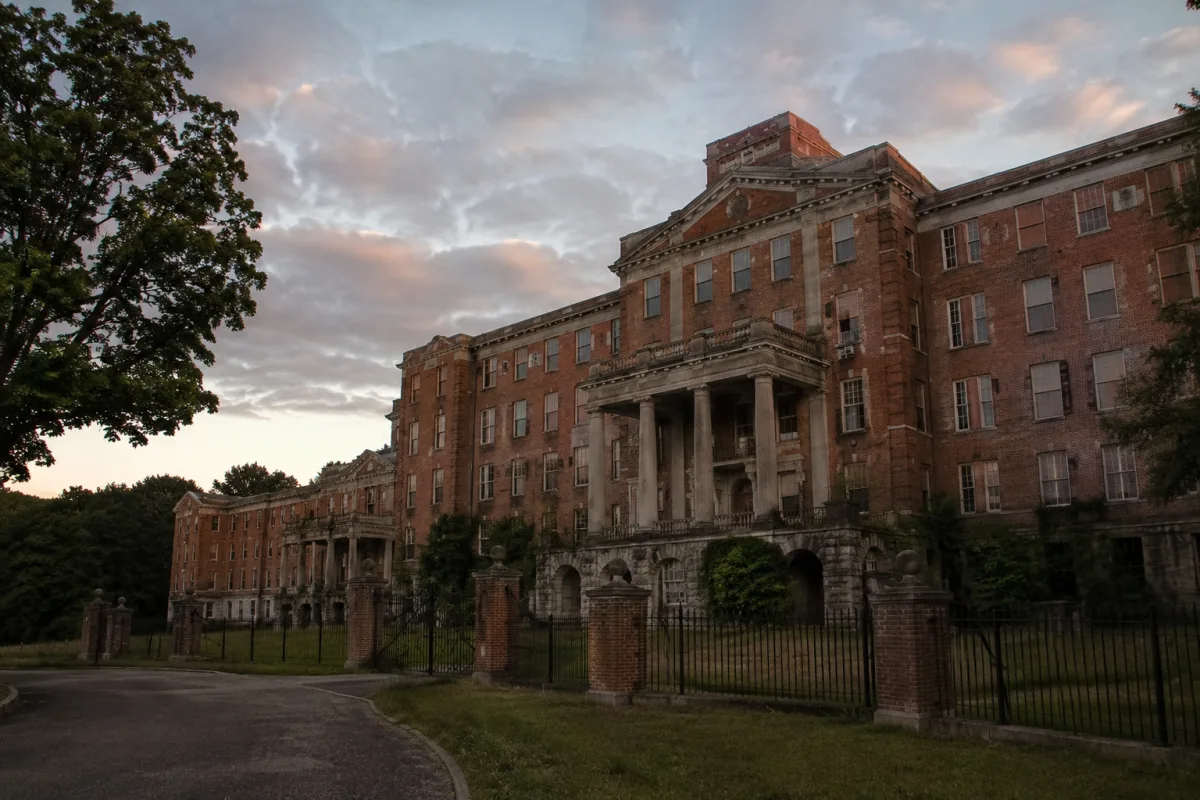
Waverly's official ticketing listings commonly separate historical tours, paranormal tours, and longer investigation-style events. A historical tour is the better fit if you want the building's medical past, architecture, restoration, and Louisville context. A paranormal tour is better if you want nighttime atmosphere and ghost-story emphasis. Longer investigations are for people who are comfortable spending hours in a dark old building with slower pacing.
The official events page notes that tours and investigations may be offered off-season depending on weather, and that private bookings after November can be very cold and require group minimums. That is not a minor detail. Waverly is not a climate-controlled museum visit.
If you are traveling with a group, match the tour to the least enthusiastic person, not the most excited one. Someone who dislikes darkness, stairs, dust, or paranormal theatrics may be happier on a shorter historical tour. Someone who wants ghost-hunting equipment and long quiet periods may find a standard tour too brief.
For comparison, a place-focused trip such as visiting Petoskey, Michigan works well as a flexible day plan. Waverly works better as a fixed appointment built around a ticket time.
What should you bring and wear?
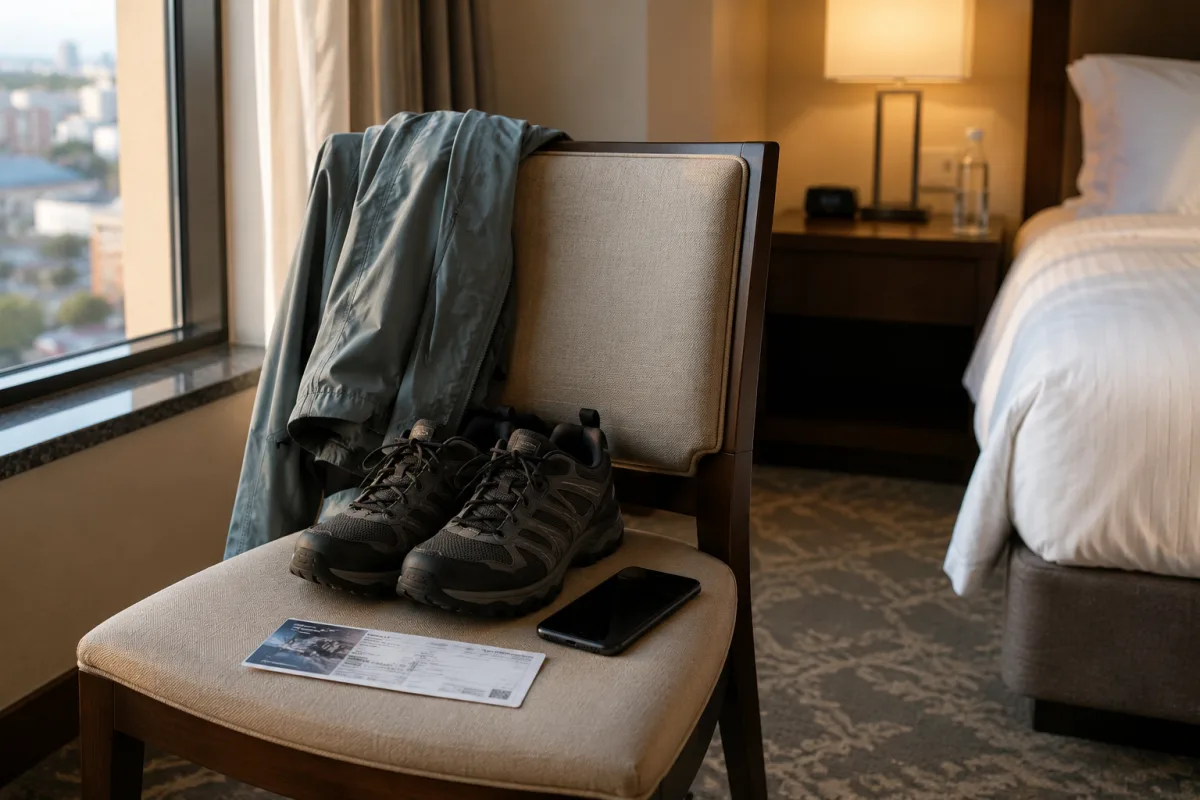
Wear closed-toe shoes with grip. Skip sandals, heels, and slick soles. The building is old, and tours can involve stairs, uneven surfaces, darkness, and standing. Dress in layers because indoor temperature may not match the weather outside. Bring only what the tour rules allow. Large bags, tripods, flashlights, cameras, audio recorders, and ghost-hunting equipment may be restricted by tour type.
Bring water for before or after the tour, but do not assume you can carry food and drinks through the building. Charge your phone, but do not watch the whole tour through a screen. If photos are allowed, take a few and then pay attention. The guide's stories, room context, and building scale are easier to understand when you are not constantly checking a camera.
If mobility is a concern, contact the site before buying. Old buildings are not always easy to navigate, and specific routes can change. Ask about stairs, standing time, restrooms, parking, and whether any accessible tour option exists for your date.
For travel days with a lot of walking, small gear choices matter. If you use trekking poles elsewhere, make sure a tour site allows them. A broader guide on adjusting walking sticks is useful for trails, but indoor historic tours may have different rules.
How to plan the Louisville part of the trip
Waverly sits away from downtown Louisville, so map the drive before your ticket time. Build in traffic, parking, and check-in time. If you are visiting from out of town, do not stack a tight dinner reservation immediately after the tour. Night tours can run late, and groups do not always leave at the exact minute you expect.
Kentucky Tourism lists Waverly Hills as offering historical tours, paranormal tours, and overnight paranormal investigations. Use tourism pages for trip context, but use Waverly's own site for tickets, restrictions, and current dates.
Pair Waverly with other Louisville interests rather than making the whole trip depend on one nighttime ticket. Museum visits, food stops, bourbon-related sites, parks, and architecture walks can fill the day. If you prefer quieter road trips, compare the pacing with places like things to see around Laughlin, Nevada, where the attraction mix is spread across a wider area.
Hotels should be chosen for the full itinerary, not only distance to Waverly. If your tour ends late, a shorter drive afterward may matter. If you want downtown restaurants and museums, staying closer to downtown may be better. Check current drive times rather than assuming Louisville will feel small.
How to treat the history respectfully
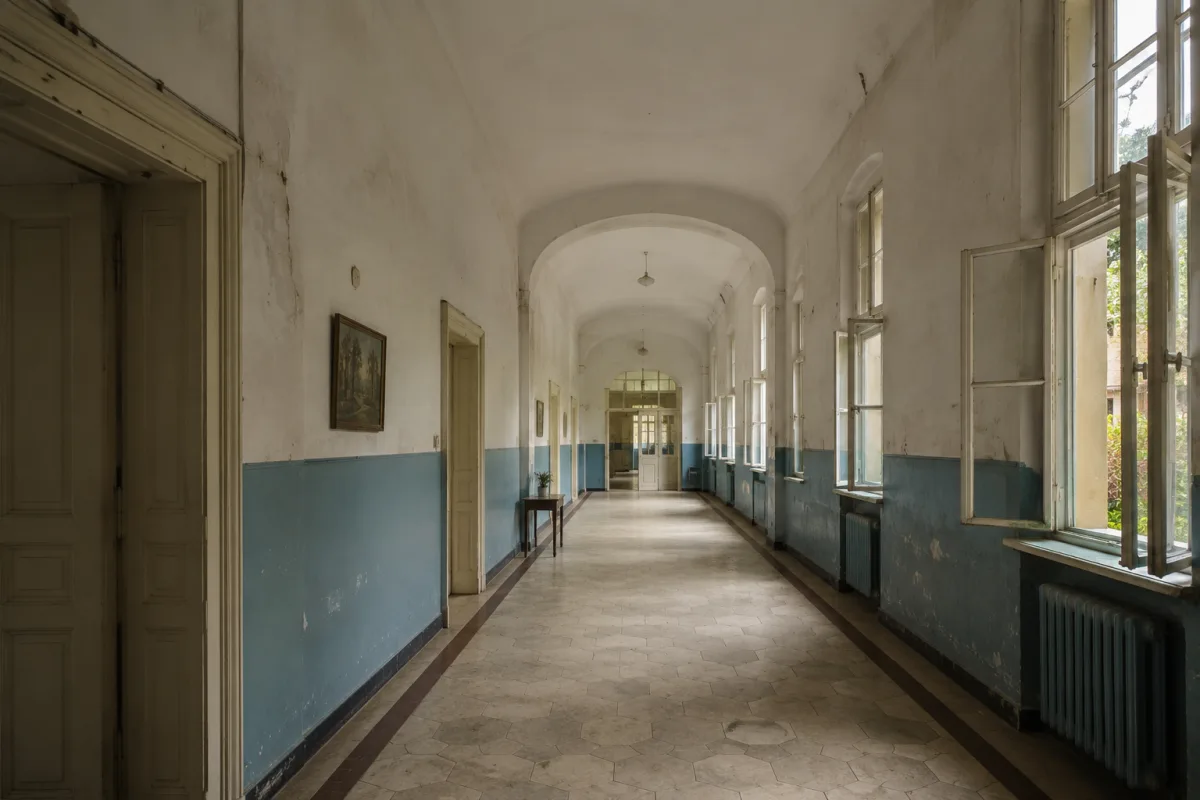
The haunted reputation is a major reason people visit, but Waverly was also a tuberculosis sanatorium where real patients, families, and staff lived through a frightening period of medical history. A respectful visitor can enjoy the atmosphere without treating the building like a joke.
Listen when guides explain restricted areas, restoration work, and safety rules. Do not pry at surfaces, take objects, wander away from the group, or try to enter outside scheduled tours. The building survives because access is managed. Every visitor either helps preserve that access or makes it harder.
Be cautious with claims. Paranormal stories are part of Waverly's identity, but a tour article should not invent sightings or promise experiences. Some visitors report strange moments; others leave with history, photos, and a good story. Both visits can be worthwhile.
The same respect applies to other nature or history destinations. Whether someone is viewing waterfalls on Skyline Drive or a former hospital in Louisville, the visitor's job is to follow site rules and leave the place intact. That thinking also applies to waterfall stops on Skyline Drive, where safety and preservation shape the visit.
Common mistakes to avoid
The first mistake is buying from unofficial or outdated sources without checking the official calendar. Prices, dates, tour types, and age rules can change. The second mistake is underdressing for the building. Comfortable shoes and layers matter more than spooky outfits. The third mistake is expecting a polished theme-park attraction. Waverly is an old sanatorium under preservation and restoration, not a controlled movie set.
Do not bring children without reading age limits. Do not arrive late and expect the group to wait. Do not assume paranormal equipment is allowed on every tour. Do not ignore weather. Do not trespass outside tour hours. Most disappointments come from treating the visit as casual when the site requires planning.
If you enjoy guided nature or animal trips, the reservation mindset may already feel familiar. A booked experience such as manatee tours in Fort Myers also depends on timing, operator rules, and realistic expectations. Waverly is different in mood, but similar in planning discipline.
Leave room for the unexpected. A guide may spend more time on one floor than another. Weather may change. Another visitor may be nervous or overly excited. The building may feel more historical than haunted, or more atmospheric than educational, depending on the tour and guide. That variability is part of visiting a place with a living public reputation.
Frequently Asked Questions
Can you visit Waverly Hills without a reservation?
No. The official site states that reservations are required. Check the official ticketing page before planning the drive.
When is Waverly Hills open for tours?
For 2026, the official site lists the tour season from March 1 through August 31, with possible off-season tours depending on weather and events.
Which Waverly Hills tour should I choose?
Choose a historical tour for building history and context, a paranormal tour for nighttime atmosphere, and a longer investigation only if you are comfortable with slower, darker, longer access.
Is Waverly Hills suitable for children?
Age rules depend on tour type. Read the current ticket listing before bringing children or teenagers, and consider whether they handle darkness, stairs, and scary stories well.
What should I wear to Waverly Hills?
Wear closed-toe shoes with grip and dress in layers. The building can involve stairs, uneven surfaces, darkness, dust, and temperatures that differ from outside.
The best Waverly Hills visit is planned, respectful, and flexible. Book through official channels, choose the right tour type, wear practical clothes, and let the building be both a haunted legend and a real historic place.

Olivia Prete
Edits culture and personal-development articles, distinguishing opinion and experience from verifiable claims.




Leave a reply
Replying to