
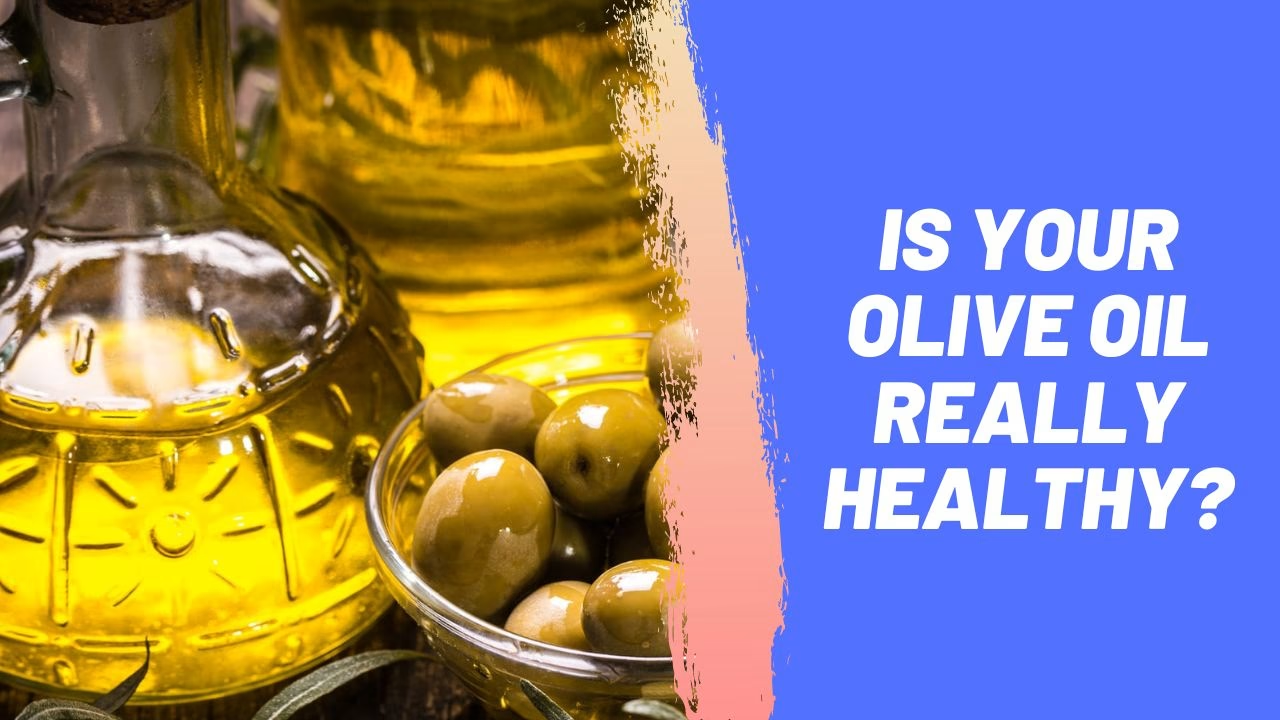
Is Your Olive Oil Really Healthy? depends on the oil, the amount, and the rest of the plate. Olive oil can be a good fat choice, but it is still energy-dense and cannot fix an otherwise poor pattern.
Start With The Label
FDA's qualified health claim page includes oleic acid and coronary heart disease materials for edible oils: FDA qualified health claims.
Claims about oil are narrow. They do not mean pouring extra oil on every meal improves health.
Look for the type of oil, date information when available, storage instructions, and whether the bottle protects the oil from light.
Judge The Whole Pattern
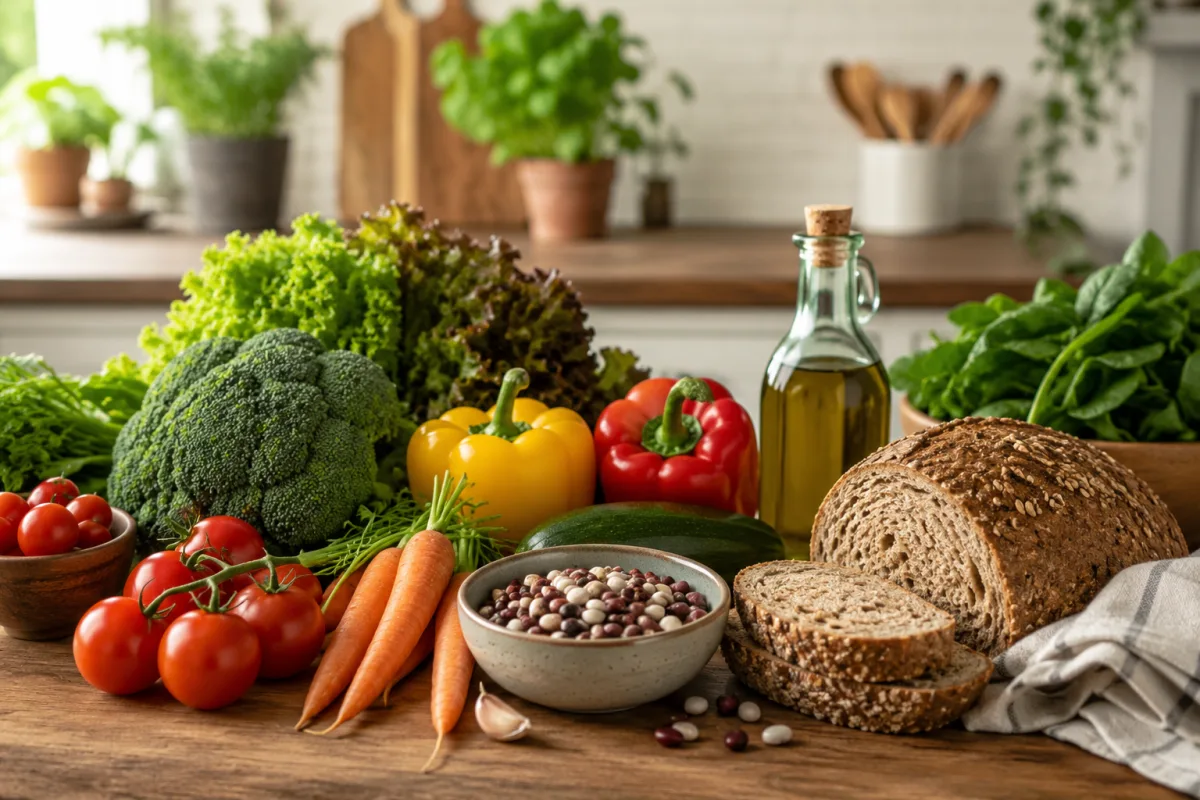
The current Dietary Guidelines page points to advice for meeting nutrient needs and supporting health: Current Dietary Guidelines.
Olive oil works best as part of a plate with vegetables, beans, grains, fish, nuts, fruit, and other foods that carry nutrients.
Using olive oil on vegetables is different from adding it to a meal already high in refined starch and salt.
Use Oil With A Plan
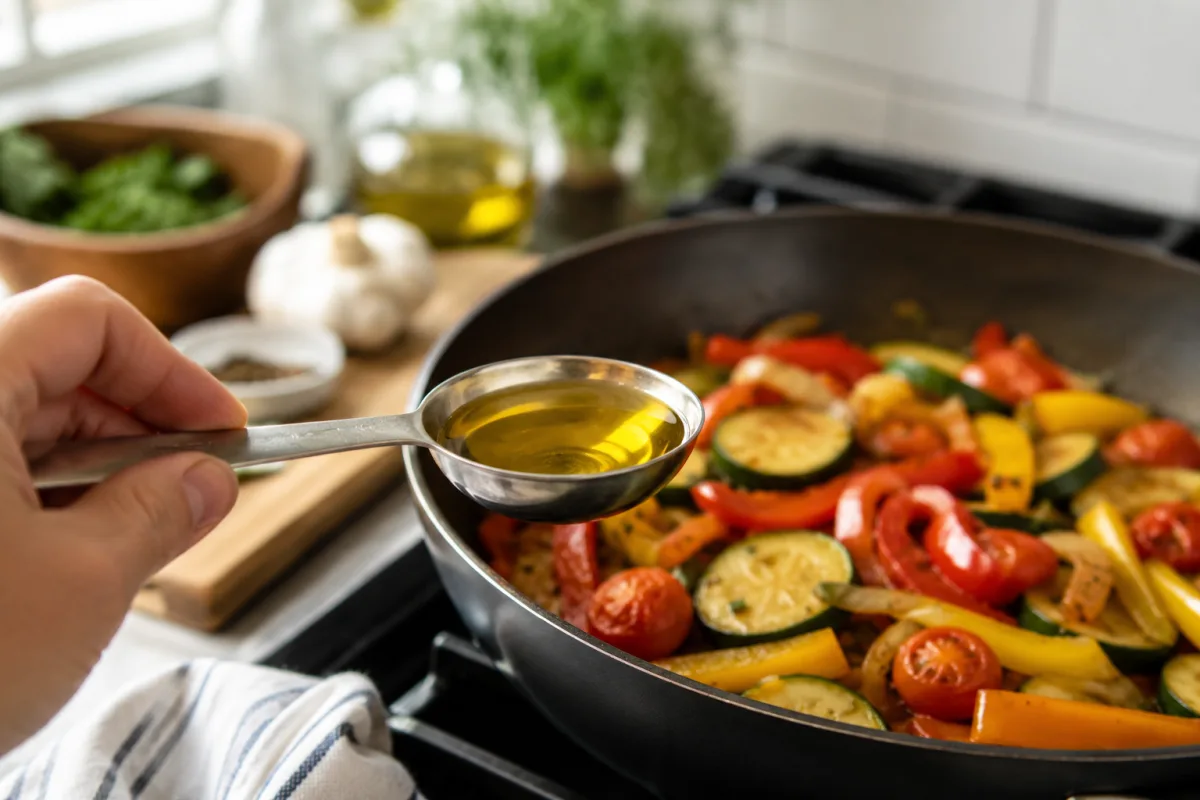
USDA MyPlate can help frame oil as part of the full meal rather than the star of the meal: USDA MyPlate.
Measure for a week if portions have drifted. A tablespoon disappears fast in a pan or salad bowl.
Choose the oil for the job: dressing, sauteing, roasting, or finishing. Avoid overheating oil until it smokes.
Store It So It Stays Good
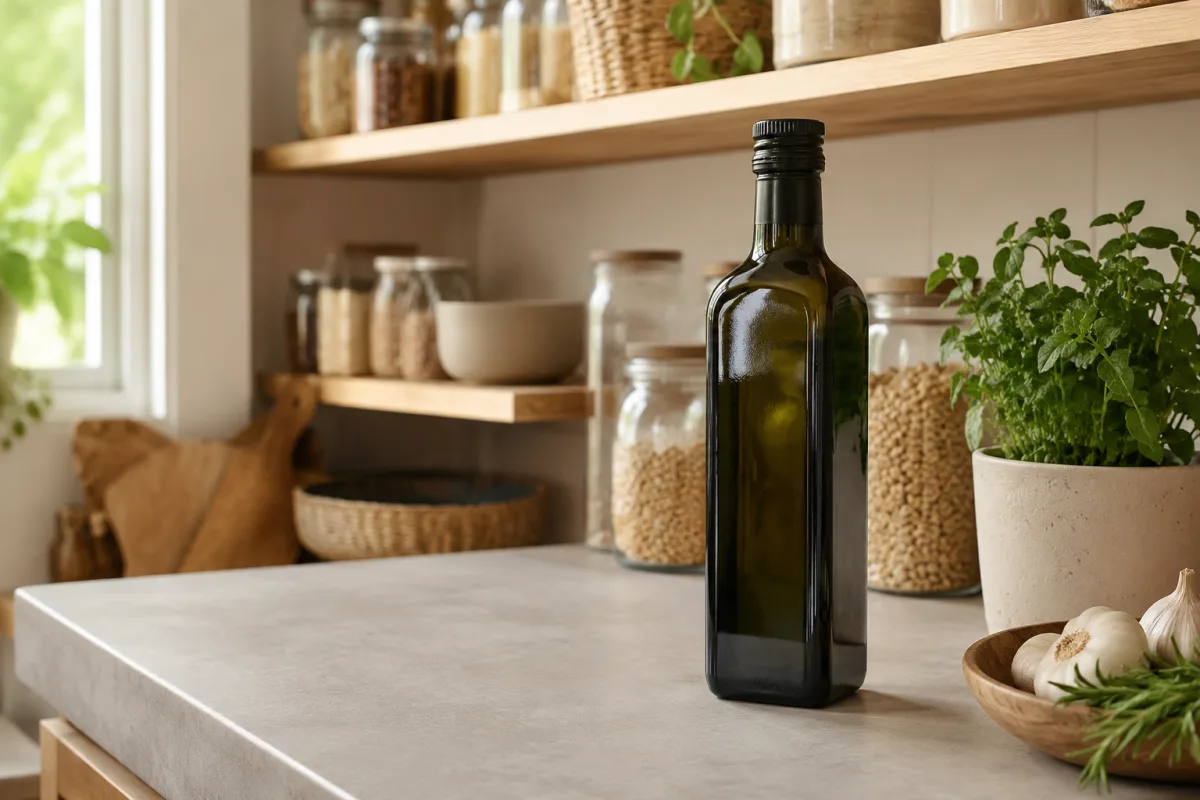
Heat, light, air, and time can damage oil quality. Keep the bottle tightly closed and away from the stove.
Buy a size the household will use while it still tastes fresh.
If the oil smells stale, waxy, or harsh in a way that seems off, replace it rather than hiding the taste in food.
For meal planning, pasta substitutes can help when a familiar starch needs a lighter or higher-fiber swap.
If eating patterns feel unclear, writing a food journal is a practical way to record meals without turning food into a courtroom.
For families cooking for older adults, motivating an elderly loved one connects food choices with routine, appetite, and daily support.
Think In Patterns
For healthy olive oil, the useful question is not whether one meal was perfect. Look at the pattern across several days: protein, fiber-rich carbohydrates, vegetables, fruit, fluids, regular meals, and foods that fit the budget.
A pattern view removes drama from single meals. A simple lunch can be good enough if the rest of the day brings variety, and a richer meal does not ruin progress when the routine is steady.
Use the current federal guidance as a starting point, then adapt for medical needs, culture, appetite, access, and schedule. Personal needs can change with pregnancy, age, activity, medication, or illness.
Make The Plate Practical
Build meals around foods people will actually eat. A beautiful plan fails if it requires ingredients nobody buys, prep time nobody has, or leftovers that never get used.
Start with two reliable breakfasts, two lunches, and two dinners. Rotate them until shopping and cooking feel automatic, then add variety where the week has room.
Convenience is not the enemy. Frozen vegetables, canned beans, plain yogurt, rotisserie chicken, tuna, eggs, oats, rice, soup, and prewashed greens can all help a tired household eat better.
Use Labels Without Obsessing
Nutrition labels can help compare sodium, added sugars, saturated fat, fiber, protein, and serving size. They should guide choices, not turn every bite into a stressful calculation.
Check the serving size first. A food may look reasonable until the package quietly counts one small portion while the usual serving is two or three times larger.
Use labels to choose between similar foods. Compare two breads, two soups, two cereals, or two frozen meals. Small swaps repeated often can change the pattern without a full diet overhaul.
Plan For Hunger
A meal that ignores hunger usually backfires. Include enough protein, fiber, and volume so the person can focus after eating instead of grazing all afternoon.
If late-day snacking is constant, look earlier in the day. Skipped breakfast, a thin lunch, poor sleep, stress, and dehydration can all show up as evening cravings.
Keep a few steady snacks available: fruit with yogurt, nuts in measured portions, hummus and vegetables, cheese and whole grain crackers, soup, boiled eggs, or leftovers.
Keep Food Safe
Healthy food still needs safe handling. Wash hands, keep raw meat away from ready-to-eat foods, cook to safe temperatures, and chill leftovers promptly.
For lunches, travel, and meal prep, think about time and temperature. A good meal packed poorly can become a food safety problem before noon.
Use a thermometer for foods where doneness matters. Color, smell, or a quick guess is not a reliable safety method for meat, poultry, casseroles, and reheated leftovers.
Watch The Mood Around Food
Diet talk can become harsh fast. If food tracking leads to shame, secrecy, dizziness, missed periods, binge eating, or fear of normal meals, the issue is larger than meal planning.
People with diabetes, kidney disease, heart disease, pregnancy, eating disorder history, food allergies, or medication interactions should get tailored advice rather than copy a public checklist.
A healthy eating plan should leave room for culture, pleasure, budget, and real life. If the plan only works on an ideal week, it needs a simpler version.
Shop With A Short List
A short shopping list beats a long plan that never gets cooked. Choose a protein, a grain or starch, two vegetables, one fruit, and one backup meal before adding extras.
Use store habits to your advantage. Buy the foods that make the easiest healthy choice visible when the door opens: washed greens, cooked grains, beans, yogurt, eggs, soup, fruit, or leftovers.
If the budget is tight, compare unit prices and use flexible staples. Oats, rice, potatoes, lentils, beans, frozen vegetables, canned fish, eggs, and seasonal fruit can carry many meals.
Prep Once Use Twice
Meal prep does not need a full weekend. Cook one food that can appear twice: roasted vegetables for lunch bowls, beans for soup and tacos, chicken for salads and rice, or chopped fruit for breakfast and snacks.
Store food in clear containers and label dates when needed. Food that disappears into the back of the refrigerator often becomes waste, not nutrition.
Make one emergency meal part of the plan. A freezer soup, canned bean meal, or quick egg dinner can stop a long day from becoming takeout by default.
Make Room For Culture
Healthy eating works better when it respects the foods people grew up with and still enjoy. Start by adjusting portions, cooking methods, sides, or frequency instead of replacing the whole table.
A familiar meal can often be balanced with one added vegetable, a different grain, a smaller salty side, or a protein change. The goal is a pattern the household can live with.
Food also carries memory and comfort. A plan that ignores that will be hard to keep, even if it looks neat on paper.
Adjust Without Starting Over
A missed meal plan does not require a full restart. Keep the next choice simple: drink water, add a fruit or vegetable, use leftovers, or make a steady dinner instead of chasing a perfect day.
The people who stay consistent usually have backup meals, not flawless motivation. A plan should expect traffic, fatigue, late work, school events, illness, and empty pantry moments.
If weekends undo the week, plan them directly. Decide on breakfast, one easy lunch, and a dinner option before hunger and errands take over.
Hydrate And Slow Down
Thirst, rushed eating, and distraction can all make meals feel less satisfying. Keep water visible and try eating one meal a day without a screen or work task.
Slower eating gives the body time to register fullness. It also makes meals feel more like care and less like fuel grabbed between obligations.
This does not need to be strict. Even ten calmer minutes at lunch can change the way the rest of the afternoon feels.
Frequently Asked Questions
What is the first step for healthy olive oil?
Look at the weekly pattern before changing single foods. Meals need to fit appetite, budget, culture, and schedule.
Should I track everything I eat?
Tracking can help for a short time, but stop if it creates shame, fear, or obsessive behavior.
Are frozen or canned foods okay?
Yes, many are useful. Compare sodium, added sugars, and ingredients, and pair them with fresh foods when possible.
When should I ask a dietitian or clinician?
Ask for tailored advice with chronic disease, pregnancy, medication interactions, eating disorder history, food allergy, or major symptoms.
What makes a meal filling?
Protein, fiber-rich carbohydrates, vegetables or fruit, enough fluid, and a realistic portion usually help more than restriction.
This article is for general information only and is not medical, nutrition, or mental health advice. Ask a qualified health professional about symptoms, treatment, diet changes, or urgent concerns.

Timothy Davidson
Edits step-by-step general-interest guides for clarity, realistic limits and source verification.




Leave a reply
Replying to