
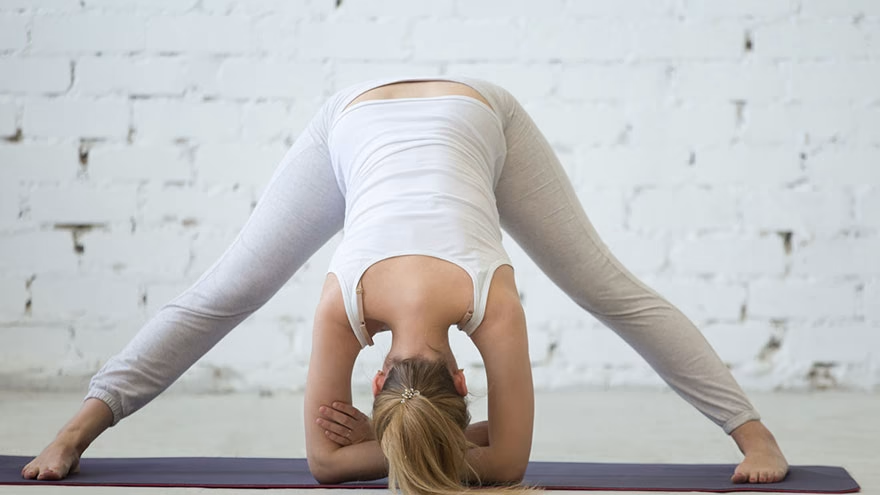
Prenatal Yoga Back Stretches should feel steady, roomy, and easy to stop. Pregnancy back discomfort can come from posture changes, joint laxity, sleep position, fatigue, and the weight of a growing belly, so the best stretch is not the deepest one.
Ask your pregnancy care professional before starting or changing exercise, especially with bleeding, dizziness, chest pain, severe pain, fluid leakage, high-risk pregnancy, or movement restrictions.
Start With Safety
ACOG says exercise during pregnancy can reduce back pain and that people with uncomplicated pregnancies should be encouraged to do aerobic and strength-conditioning exercise: ACOG exercise during pregnancy.
That does not mean every yoga pose fits every pregnancy. The safest stretch is the one you can breathe through, leave easily, and repeat without pain.
Cat-Cow Back Stretch
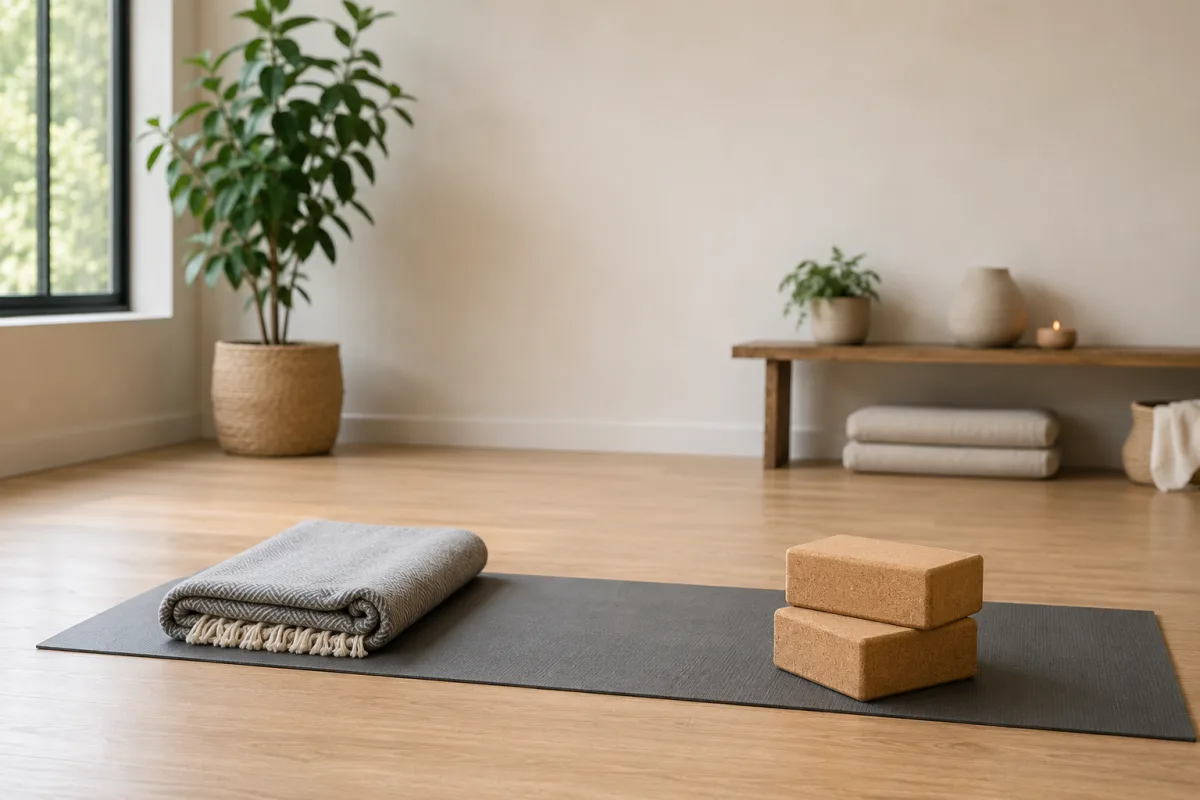
Start on hands and knees with hands under shoulders and knees under hips. Inhale to lengthen the spine, then exhale and round the back gently.
Mayo Clinic describes a low back stretch on hands and knees for pregnancy backaches: Mayo Clinic pregnancy stretches. Keep the movement small and slow.
Child Pose Variation
Use a wide-knee child's pose with pillows, a bolster, or stacked blankets under the chest. Keep the belly free rather than compressed.
If the hips, knees, or breathing feel crowded, sit higher or skip it. A supported forward fold should feel like rest, not pressure.
Side Body Reach
Sit cross-legged or on a chair. Reach one arm overhead and lean slightly to the opposite side while both sitting bones stay grounded.
This can ease rib and side tightness without twisting through the belly. Keep the shoulder soft and come out before tingling or strain.
Wall Down Dog
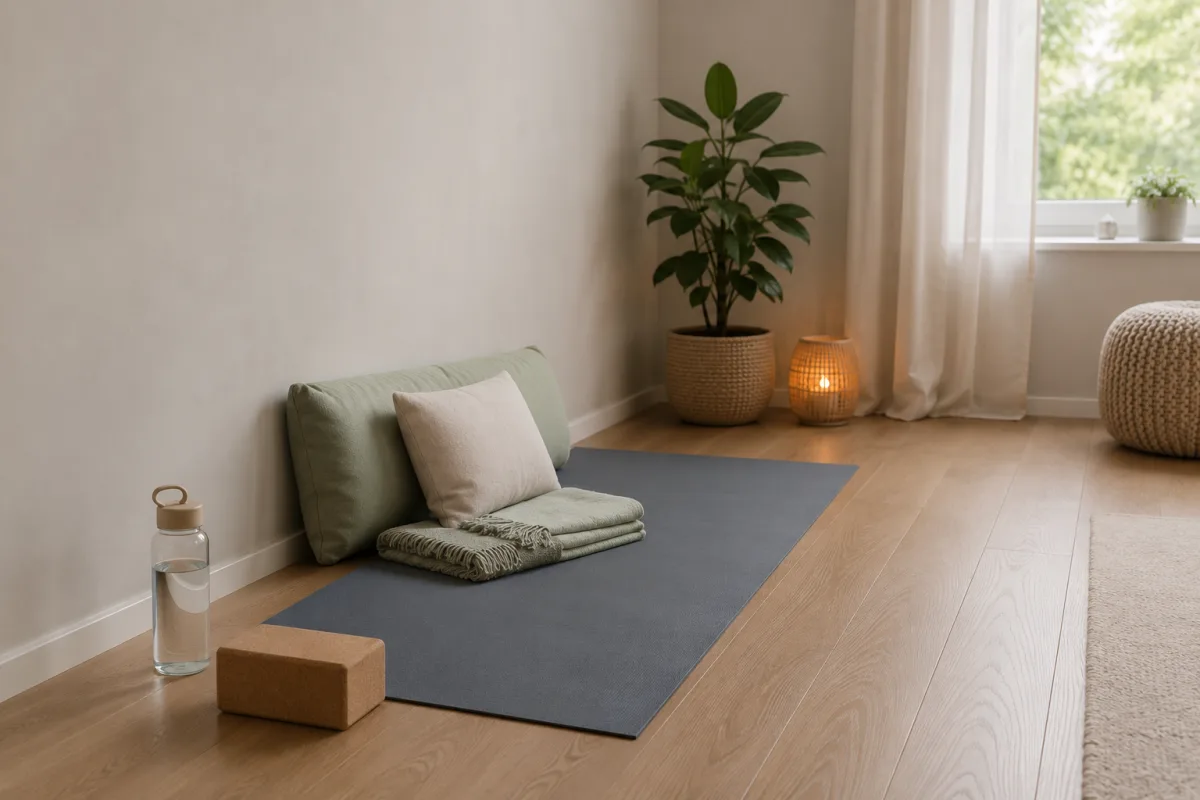
Place hands on a wall or counter and walk the feet back until the spine lengthens. Bend knees and keep the belly relaxed.
A wall version reduces wrist load and avoids the intensity of a floor down dog. It is useful when getting up and down is annoying.
Pelvic Tilts
Try pelvic tilts standing against a wall, sitting on a ball, or on hands and knees. Move the pelvis slowly between neutral and a gentle tuck.
Pelvic tilts can help you notice posture rather than force a stretch. Stop if they trigger pain or contractions.
Use Props
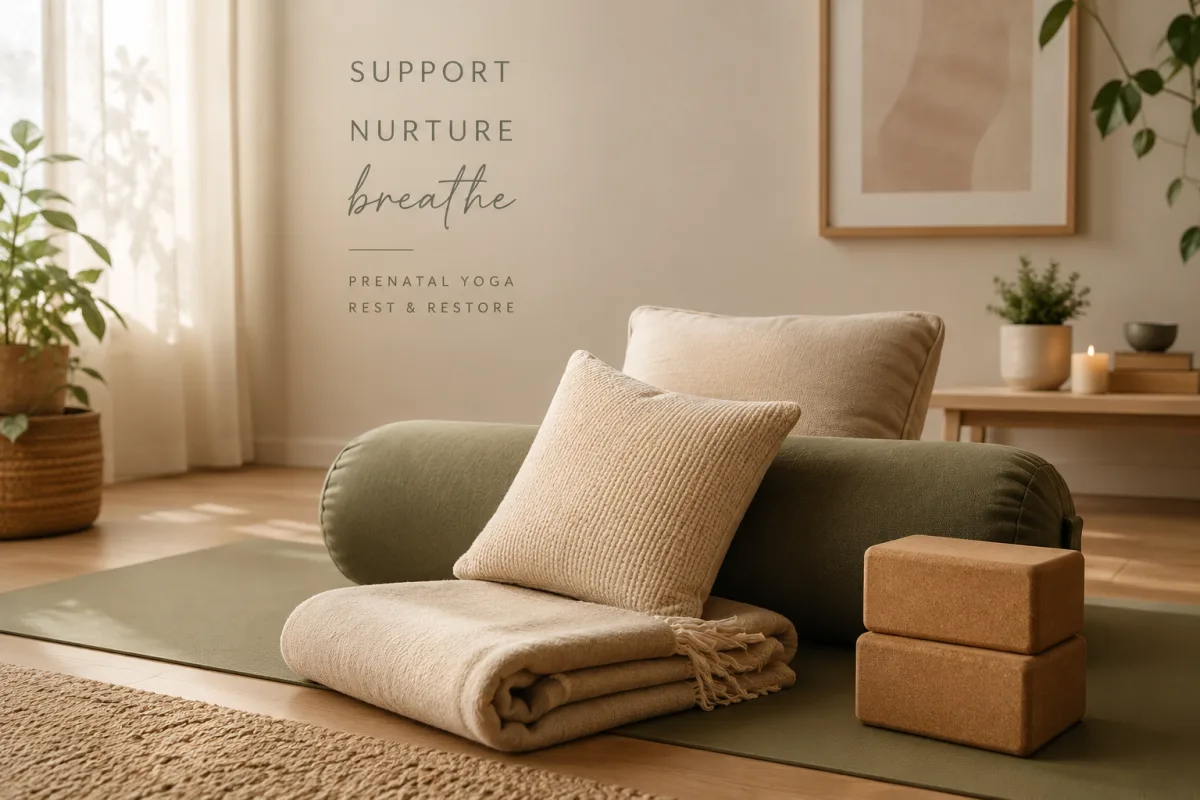
Blocks, chairs, bolsters, pillows, and folded blankets can turn a stretch into support. Props are not cheating.
Livecub's staying intimate during pregnancy guide can help couples talk about comfort, touch, and changing body needs without embarrassment.
Avoid Deep Twists
Choose open, gentle rotations through the upper back instead of deep belly twists. Skip poses that compress the abdomen or challenge balance beyond comfort.
A prenatal yoga class can help modify familiar poses as the belly grows and balance changes.
Breathe Normally
Hold stretches only while you can breathe normally. Do not hold the breath, clench the jaw, or chase a long hold.
The breath is useful feedback. If breathing gets tight, the pose is too much for that moment.
Back Labor Connection
Some pregnancy stretches resemble positions used later in labor. Hands and knees, side lying, and supported leaning can all feel familiar by the time labor starts.
Livecub's early labor support guide can help partners learn to support movement without crowding.
Body Image And Comfort
Needing props or modified poses is normal. Pregnancy changes shape, balance, and energy quickly.
Livecub's feeling attractive during pregnancy guide can help readers separate body respect from pressure to move like before.
When To Stop
Stop for vaginal bleeding, dizziness, chest pain, headache, muscle weakness, calf pain or swelling, fluid leakage, contractions, or anything that feels wrong.
Call the care team if symptoms do not settle or if you were told to avoid exercise.
Chair Cat-Cow
If wrists or knees hurt, sit on a chair and move the spine between a gentle arch and round. Keep feet on the floor and hands on thighs.
This version works well at a desk or late in the day when getting down to the mat feels like too much.
Supported Squat Alternative
A deep squat is not right for everyone. Try sitting on a block, stool, or chair and leaning forward slightly with elbows on thighs.
The goal is hip and back relief, not proving flexibility. Skip it for pelvic pain or care-team restrictions.
Timing
Stretch after a short walk, warm shower, or a few minutes of easy movement. Cold, rushed stretching often feels sharper.
Two short sessions may feel better than one long routine.
Partner Help
A partner can set up pillows, bring water, and watch for wobbling, but should not push the body deeper into a stretch.
Livecub's massage guide for a wife can be adapted only with consent and very gentle support.
Sleep Link
Back tightness may be worse after poor sleep. Side support, a pillow between knees, or a small wedge can reduce morning stiffness.
Stretching helps more when the rest position is not working against the body all night.
Trimester Changes
A stretch that feels good at 18 weeks may feel crowded at 30 weeks. Revisit the setup often.
Pregnancy yoga should change with the belly, breath, balance, and energy of the day.
After Stretching
Notice how the back feels ten minutes later. Relief that vanishes instantly may mean the setup needs more support.
Pain that worsens after stretching is a sign to stop and ask for help.
Mat Setup
Use a non-slip mat and keep blocks, pillows, and water within reach before starting. Pregnancy balance can shift even on familiar floors.
A tidy setup reduces the chance of stepping over props while tired or lightheaded.
Hip Circles
On hands and knees or seated on a stable chair, make small hip circles if they feel good. Keep the movement slow and smaller than a normal yoga class might cue.
Hip circles can ease low-back tension for some people, but they should not create pelvic pressure or sharp pain.
Supported Side Lying
Side-lying rest can be a back stretch when pillows support the top knee, belly, and upper arm.
Use the same support ideas at night if morning back tightness is a pattern. A stretch routine cannot overcome poor sleep positioning alone.
Class Choice
Choose a prenatal class or a teacher trained to modify poses for pregnancy. A general power class may move too fast or assume positions that no longer fit.
Ask before class how the teacher handles lying flat, deep twists, balance poses, heat, and pelvic pain.
Round Ligament Awareness
Quick movements can pull sharply along the side of the belly for some pregnant people. Move in and out of stretches slowly.
A mild brief pull may be common, but severe, lasting, or concerning pain belongs with the care team.
Short Routine
A simple routine can be cat-cow, wall down dog, side reach, chair cat-cow, and supported rest. Ten calm minutes can be enough.
Stop before fatigue makes form sloppy. Prenatal movement should leave the body feeling steadier, not drained.
Breath Count
Instead of timing a pose by the clock, try three to five easy breaths. If that feels good, repeat later.
This keeps stretching responsive to the day rather than forcing a fixed hold.
Pelvic Floor Balance
Back stretching should not become constant gripping through the pelvic floor or belly. Let the jaw, shoulders, and glutes soften when possible.
If pelvic pain or heaviness appears, ask about pelvic floor physical therapy instead of pushing yoga harder.
Gentle Finish
End with one minute of supported sitting or side-lying rest. Let the back settle before standing.
Standing up slowly matters because pregnancy can make lightheadedness show up at awkward moments.
Frequently Asked Questions
Can prenatal yoga help back pain?
It may help some people with gentle movement, posture awareness, breathing, and supported stretching, but pain should be discussed with a clinician.
Which back stretch is safest in pregnancy?
Hands-and-knees cat-cow and supported wall stretches are common options, but safety depends on the person and pregnancy.
Should I avoid twisting?
Avoid deep belly twists. Gentle open upper-back rotation may be fine for some people with care-team approval.
How long should I hold prenatal stretches?
Hold only as long as breathing stays easy and the position feels comfortable. Short, repeated stretches often work better than forcing time.
When should I stop stretching?
Stop for bleeding, dizziness, chest pain, fluid leakage, contractions, severe pain, or symptoms your clinician warned about.
Prenatal yoga back stretches work best when they are supported, adjustable, and boringly safe. Let breath, comfort, and care-team guidance set the limit.

Cashie Evans
Covers parenting and practical household topics with clear steps, safety notes and links to current guidance.


Leave a reply
Replying to