
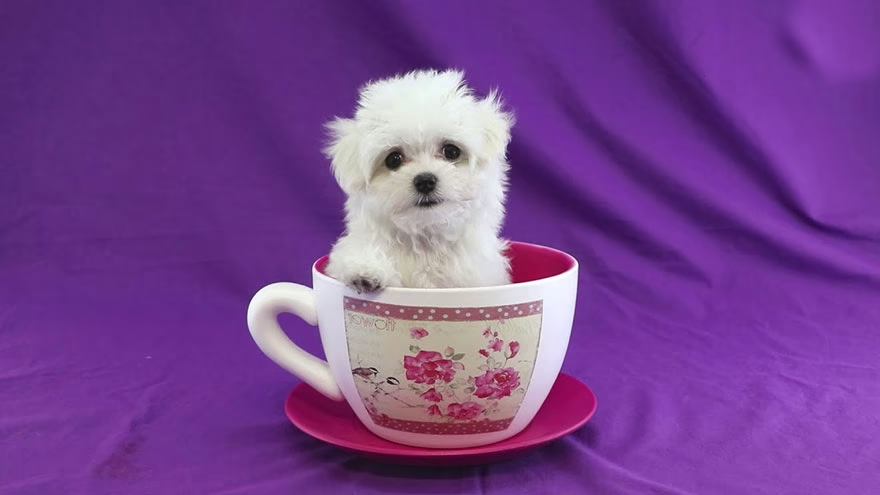
A Teacup Maltese Is a Marketing Label
A teacup Maltese is not a separate Maltese breed. It is a very small Maltese sold under a label that suggests extra-tiny size. That label can sound cute, but it should make buyers slow down. The smaller the puppy is, the more the conversation should move from appearance to health, feeding, safety, and the breeder's choices.
The AKC's Maltese breed page describes Maltese as tiny toy companions weighing less than seven pounds. The page does not create a separate "teacup" variety. A dog under the usual size expectation may still be loved, but the label itself is not a quality stamp.
Teacup is a sales word, not a breed standard.
How Small Is a Teacup Maltese?
Many sellers use "teacup" for a Maltese expected to mature below the usual breed size, often around only a few pounds. There is no single official teacup cutoff that makes the dog a separate recognized type. That makes the term slippery.
Size predictions in tiny puppies can be wrong. A puppy may be small because of age, poor nutrition, illness, genetics, litter position, or normal variation. A responsible breeder should talk about health, structure, parents, and veterinary care before talking about purse-sized appeal.
For a broader Maltese overview, Livecub's Maltese questions article is a better starting point than shopping by a nickname.
The label tells you less than the puppy's records do.
Why Very Tiny Maltese Puppies Can Be Fragile
Very tiny puppies have less body reserve. They can chill faster, tire faster, and have a harder time recovering from missed meals or rough handling. A fall from a couch, a step underfoot, or play with a larger dog can become a serious injury.
The American Maltese Association's 12 Weeks Worth the Wait guidance notes that very tiny Maltese puppies can be prone to bouts of low blood sugar during the early puppy period. That is one reason a breeder who keeps a puppy longer may be acting responsibly, not being difficult.
Fragile does not mean worthless. It means the buyer should understand the daily work before bringing the puppy home.
Health Risks Buyers Should Discuss
Ask a veterinarian and breeder about low blood sugar, dental crowding, open fontanelle concerns, luxating patellas, tracheal issues, liver shunt screening, vaccine timing, and anesthesia planning. Not every tiny Maltese has every issue, but size can narrow the safety margin.
VCA's low blood sugar testing resource lists inadequate nutrition in toy-breed puppies among possible causes of low blood sugar. A buyer should know the signs of trouble and have an emergency plan.
Livecub's Staffordshire Bull Terrier health problems article covers a different breed, but it reinforces the same habit: talk about named health risks before emotion takes over.
A tiny puppy should come with more information, not less.
Breeder Red Flags
Be cautious if the seller advertises only size, color, price, and shipping. Be more cautious if they promise a final adult weight with certainty, avoid questions about parents, refuse veterinary records, or push you to pay quickly because the puppy is "rare."
Ask how old the puppy will be at pickup, what it eats, how often it eats, what veterinary care it has had, and what happens if the puppy becomes ill shortly after sale. Ask to see the mother when possible and ask what health testing or screening is used in the line.
Livecub's Brittany Spaniel breeder recommendations is an internal guide to the same buyer discipline: slow questions protect families and dogs.
Pressure is not a health credential.
Daily Care Is More Demanding Than the Size Suggests
A very small Maltese may need frequent meals as a puppy, careful temperature control, close supervision around stairs and furniture, and a home where children understand gentle handling. The dog may fit in one hand, but the care plan cannot be casual.
Keep food, water, and safe resting areas predictable. Use ramps or block access to high furniture if the puppy tries to jump. Separate rough dogs during play. A tiny Maltese can be brave, but bravery does not protect bones.
Do not leave the puppy alone with young children, large dogs, or guests who think tiny size means toy-like handling.
Set Up the Home Before Pickup
Prepare the home before the puppy arrives. Choose a quiet sleeping area, block stairs, remove cords and small objects, and place food and water where the puppy can reach them without being crowded. A very tiny puppy should not have to compete with larger pets at a bowl.
Ask the breeder for the exact food, feeding times, and warning signs they watch for. Keep the first week calm. Visitors can wait. A puppy who is adjusting, eating, sleeping, and staying warm is doing the real work of settling in.
Make a veterinary appointment before pickup or shortly after. Bring all records, ask about weight, blood sugar risk, vaccination timing, dental development, knees, heart, and any sign that the puppy needs closer monitoring.
Coat, Teeth, and Grooming
Maltese coats need regular care no matter what size word appears in the ad. A long coat mats without brushing, and a shorter puppy trim still needs face cleaning, ear checks, nail trims, and bathing on a sensible schedule.
Teeth may need extra attention because tiny mouths can be crowded. Ask your veterinarian when to start brushing, how to handle retained baby teeth, and when dental cleanings may be needed.
For coat-care comparison, Livecub's longhair Dachshund grooming guide shows how grooming should fit the dog in front of you, not just the breed name.
Small dogs still need full-size care routines.
Training a Tiny Dog Without Spoiling the Basics
Many tiny dogs are carried through the world and never taught basic manners. That creates stress for the dog and frustration for the owner. A Maltese can learn name response, settle, gentle handling, leash manners, grooming cooperation, and house training.
Use short sessions, food rewards, and safe surfaces. Do not scare the puppy with harsh correction. Also do not excuse biting, shrieking, or frantic behavior because the dog is small. Calm structure helps a tiny dog feel secure.
Livecub's Miniature Schnauzer questions gives another small-dog reference for thinking beyond cuteness and into daily behavior.
Costs Can Be Higher Than Buyers Expect
A very tiny dog may cost more to buy and more to care for. The purchase price is only the start. Budget for veterinary visits, grooming, dental care, safe travel gear, high-quality food, possible emergency care, and time off work if the puppy needs close monitoring.
Insurance may help some owners, but read exclusions carefully. Tiny-dog issues, congenital conditions, dental needs, and pre-existing findings may be handled differently by each policy.
If the budget only works when everything goes perfectly, wait. A fragile puppy is the wrong place to depend on luck.
Consider an Adult Maltese Instead
An adult Maltese can be a better match for many homes because the size, temperament, coat needs, and health picture are clearer. You can see how the dog moves, how fragile it is, how it handles visitors, and what grooming routine it already needs.
Adult adoption does not remove every risk, but it removes much of the guesswork around final size. It can also suit owners who love Maltese personality but do not want the feeding and supervision demands of a tiny puppy.
The healthiest option may be the less dramatic one.
Should You Buy a Teacup Maltese?
Choose the healthiest Maltese you can, not the smallest one you can find. A responsible breeder should be willing to explain size, age at placement, feeding, health screening, parent dogs, and what support is available after purchase.
If you love Maltese but worry about tiny-puppy risks, consider a normal-size Maltese adult, a reputable rescue, or a breeder who places puppies for temperament and health rather than extreme size. Livecub's Lhasa Apso questions can also help readers compare small companion breeds with different build and coat expectations.
The safest answer is not always the smallest dog. It is the dog whose health, temperament, and care needs fit your real home.
Frequently Asked Questions
Is a teacup Maltese recognized by the AKC?
No. Maltese are recognized, but "teacup Maltese" is a marketing label rather than a separate AKC breed or variety.
How much does a teacup Maltese weigh?
There is no official cutoff. Sellers often use the term for Maltese expected to mature below the usual breed size.
Are teacup Maltese puppies healthy?
Some tiny Maltese live good lives, but very small puppies can have higher fragility and should be evaluated carefully by a veterinarian.
What should I ask before buying one?
Ask about age at pickup, parent dogs, vet records, feeding schedule, health screening, return policy, and support after the sale.

Timothy Davidson
Edits step-by-step general-interest guides for clarity, realistic limits and source verification.



Leave a reply
Replying to