
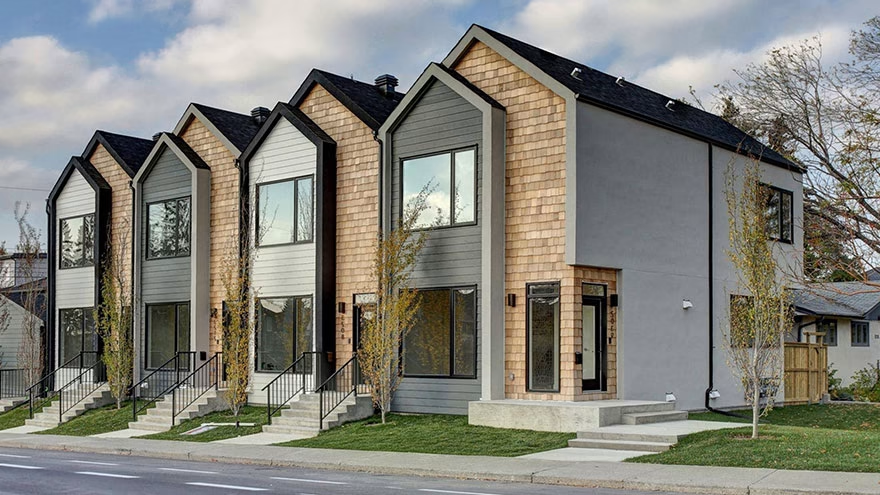
A Townhome Is Defined by Structure and Ownership
A townhome, often called a townhouse, is usually an attached home that shares one or more side walls with neighboring units. It often has its own entrance, multiple floors, and a narrow footprint, though local design can vary.
The harder part is ownership. Some townhome owners own the land under the unit. Others own the interior and share more outside responsibility through an association. That is why the deed, plat, bylaws, and insurance documents matter more than the label on a listing.
Townhome is a housing style, but the paperwork tells you what you own.
Townhome, Condo, and Detached House Differences
A detached house stands alone and usually gives the owner more control over exterior maintenance, yard use, and changes. A condo often means ownership of the interior unit plus shared ownership or rights in common areas. A townhome can sit between those models.
Some townhomes feel like small detached houses with shared walls. Others operate more like condos with association-controlled roofs, landscaping, exterior repairs, and shared amenities. The sales listing may not answer this clearly, so buyers should review governing documents before relying on assumptions.
The word townhome does not settle the ownership question by itself.
How HOA Rules Usually Fit In
Many townhomes belong to a homeowners association. Fannie Mae's guide to homeowners associations explains that an HOA may set community rules and collect fees to manage shared property or services.
Those rules can cover exterior paint, roofing, landscaping, fencing, parking, rentals, pets, trash, noise, and visible changes. In some communities, the HOA handles a lot. In others, owners carry more responsibility than they expected.
Do not judge an HOA only by the monthly fee.
What HOA Dues May Cover
HOA dues may help pay for landscaping, exterior maintenance, common insurance, management, reserves, pool care, gates, private roads, trash service, or shared utilities. The Consumer Financial Protection Bureau notes that HOA dues are generally paid separately from the mortgage payment, though lenders may consider them during qualification.
A low fee is not always a bargain if reserves are weak or owners face frequent special assessments. A higher fee may be reasonable if it covers work you would otherwise pay for yourself. Ask what is included, what is excluded, and when dues last increased.
Shared amenities can also create maintenance questions. If the community has a pool, Livecub's chlorine pool maintenance guide shows the kind of routine work that must be funded and managed somewhere.
Exterior Maintenance Can Be the Deal Breaker
Buyers often focus on bedrooms, kitchen updates, and monthly payment. With a townhome, exterior responsibility can be just as significant. Roofs, siding, windows, doors, decks, gutters, drainage, and pest control may fall to the owner, the association, or a split arrangement.
Read the maintenance matrix if the community has one. If the documents are vague, ask the seller, association manager, and your real estate professional for written clarification. Verbal answers are easy to forget after closing.
Exterior responsibility is where many townhome surprises start.
Insurance Is Not the Same Everywhere
Townhome insurance depends on what the HOA master policy covers and what the owner must insure separately. Some owners need coverage similar to a condo policy. Others need a policy closer to a detached house. The lender and insurance agent will want the association documents before giving reliable guidance.
Ask about walls-in coverage, roof coverage, deductibles, water damage, loss assessment coverage, and personal property. A large master-policy deductible can still become an owner problem if the community documents allow costs to be passed through.
Why Shared Walls Matter
Shared walls are part of townhome living. Good construction can make them a minor issue, while poor sound separation can affect daily comfort. Visit at different times if possible, especially evenings or weekends.
Ask about rules for music, pets, outdoor space, parking, and short-term rentals. A well-run community is not silent, but it should have clear expectations and a way to handle problems.
Daily Life Feels Different From a Detached House
Townhome living can be easier for people who do not want a large yard or a long list of outside chores. It can also feel restrictive for people who want to park extra vehicles, build sheds, change exterior colors, or host loud outdoor gatherings.
Walk the property the way you would live in it. Where do groceries come in? Where do guests park? Where does trash go?
Then look for the less obvious friction. Where would bikes, strollers, tools, or holiday storage fit? These ordinary questions reveal more than a staged showing, especially in narrow floor plans with small garages.
The best townhome fit is often decided by routine details.
Renovations Need Extra Checking
Inside updates may still require approval if they affect plumbing, electrical systems, exterior walls, floors, structural elements, or anything visible from outside. A kitchen update may be simple, but window replacement or deck changes can be tightly controlled.
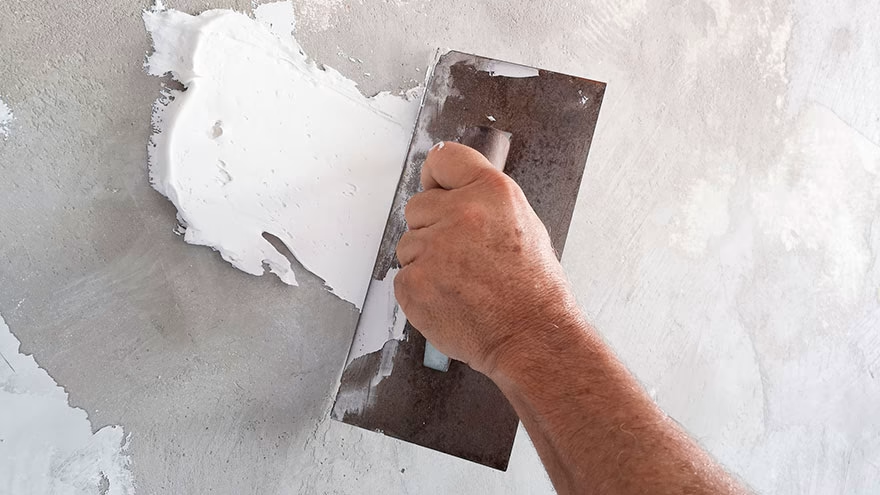
Before buying with renovation plans, check the architectural rules and permit history. For older interiors, Livecub's plaster wall wallpaper guide is a reminder that attached homes can still have older materials that need careful prep.
Townhome renovation plans should be checked before closing.
Accessibility and Aging in Place
Many townhomes place bedrooms upstairs. That can be fine for younger buyers and difficult later for mobility needs. Stairs, narrow entries, small bathrooms, parking distance, and association rules can all affect long-term comfort.
If accessibility matters, look closely at entry steps, bathroom layout, door widths, and whether modifications are allowed. Livecub's adaptive furniture guide can help frame daily-use questions before choosing a floor plan.
Financing Can Depend on the Project
Lenders may review more than the buyer's income and credit. They may look at association finances, insurance, owner occupancy, litigation, reserves, or project type. HUD's condominium program information shows how project status can affect some FHA financing paths for attached housing.
Ask the lender early whether the property type creates extra review. Waiting until late in the contract can create stress if the project documents are incomplete or the loan program has specific rules.
Red Flags in the Documents
Some warning signs show up before the inspection. Watch for repeated special assessments, very low reserves, unpaid dues, insurance trouble, major repair debates, pending litigation, or minutes that mention the same unresolved problem month after month.
Strict rental limits may matter if you expect to move and keep the unit later. Loose rental rules may matter if the community has many short stays and you want quiet neighbors. Neither answer is automatically bad, but the rule has to match your plans.
Association documents are part of the house, not paperwork after the fact.
Inspection Still Matters
Do not skip inspection because the HOA handles some exterior items. Inspectors can still spot roof concerns, drainage issues, window problems, attic signs, plumbing leaks, electrical defects, and prior repair shortcuts. They can also help you ask better questions about which party pays for each fix.
If the inspector flags an exterior concern, compare it with the maintenance documents. A repair that looks like an HOA issue may still fall on the owner under the rules.
Ask for repair history when a problem appears repeated. A patched leak, recurring drainage complaint, or long-running siding issue can matter more than fresh paint.
Questions to Ask Before Buying
Ask what you own, what the association owns, what dues cover, how reserves look, and whether special assessments are planned. Review meeting minutes if available, because they may reveal roof problems, parking disputes, insurance increases, rental concerns, or deferred maintenance.
Also ask about rentals, pets, guest parking, exterior changes, holiday decorations, trash pickup, and noise rules. These details sound small until they shape daily life.
For another home-maintenance example where the cause matters before the fix, Livecub's drywall primer failure article shows why reading conditions first prevents wasted work.
Frequently Asked Questions
Is a townhome the same as a townhouse?
In everyday use, yes. Townhome and townhouse usually describe the same attached housing style, though legal ownership can vary by community.
Do townhomes always have HOA fees?
No, but many do. The fee amount and what it covers depend on the association documents and local setup.
Is a townhome a condo?
Not always. Some townhomes are legally condos, while others include land ownership or different exterior duties.
What should I review before buying a townhome?
Review the deed, bylaws, rules, budget, reserves, insurance, meeting minutes, maintenance duties, rental rules, and any planned assessments.

Timothy Davidson
Edits step-by-step general-interest guides for clarity, realistic limits and source verification.



Leave a reply
Replying to