Press Enter to search or ESC to close

How to Cope with Election Anxiety in a Constant News Cycle

Olivia Prete
· · Updated Feb 19, 2026 · 16 min read

How to Cope with Election Anxiety in a Constant News Cycle

Do you ever feel that knot in your stomach when you open a news app, or a wave of dread as another headline flashes across your screen? It’s election season, and let's be real, the constant news cycle can feel like a relentless barrage. We’re bombarded with polls, analyses, debates, and breaking news notifications, all painting a picture that can often feel overwhelming, divisive, and frankly, terrifying.

If you’re feeling a persistent hum of anxiety, a shortness of breath, or just a general sense of unease, you’re definitely not alone. It's a heavy load to carry, especially when every scroll seems to bring another reason to worry. But here’s the thing: you don't have to let the news cycle dictate your peace of mind.

We can learn to navigate these turbulent times without sacrificing our mental health, and I'm here to share how.

Why This Matters

Election anxiety isn't just a fleeting feeling; it’s a real and growing phenomenon. In my experience, prolonged exposure to high-stress information, like what we see during election periods, can take a serious toll on our physical and mental well-being. It’s not just about politics; it’s about our daily lives, our sleep, our relationships, and our ability to function effectively.

Chronic stress, whatever its source, can manifest in many ways. You might find yourself more irritable, struggling to focus, or experiencing physical symptoms like headaches, stomach issues, or fatigue. It can strain friendships, make family gatherings tense, and even impact your work performance.

When we're constantly on edge, our bodies are in a perpetual "fight or flight" mode, and that's just not sustainable.

What I've noticed is that the digital age amplifies this stress. Before, you might read the newspaper or watch the evening news. Now, information—and often, misinformation—is constantly in our pockets, demanding our attention.

It’s a 24/7 stream, and without intentional strategies, it’s easy to get swept away, losing sight of what actually serves us and what just fuels our fears. We owe it to ourselves to find healthier ways to engage.

Regain Control of Your Information Diet

Think of your mind as a garden. What you feed it grows. If you're constantly planting seeds of anxiety and despair from a chaotic news stream, that's what's going to blossom. It's time to take back some control and cultivate a healthier information diet for your mental landscape.

This isn't about ignoring what's happening in the world; it's about being intentional and discerning with the information you consume. It's about empowering yourself to choose when, how, and from whom you receive your news, rather than passively letting it wash over you. It's a proactive step that can make a huge difference.

In my own life, I've found that setting strict boundaries around news consumption is the first and most impactful step. It takes discipline, sure, but the peace it brings is absolutely worth it. It’s like putting up a filter, allowing in only what’s truly necessary and helpful, and keeping out the noise that only serves to agitate.

Limit Your Exposure

Constant connectivity means constant temptation to check the news. But you wouldn't eat junk food all day, would you? Treat news consumption with the same care.

Setting specific times to engage with the news can prevent it from creeping into every spare moment. This allows you to stay informed without letting the anxiety bleed into your entire day.

  • Set specific news check-in times: Designate a short window, like 15-30 minutes, once or twice a day to catch up.
  • Choose reliable, diverse sources: Stick to reputable news outlets and avoid sensationalist clickbait to get factual information.
  • Designate "news-free" zones and times: Don't check news in bed, at meals, or during family time. Keep those spaces sacred.

Curate Your Digital Feeds

Social media is a huge culprit when it comes to election anxiety. It's where the most extreme opinions often reside, and algorithms are designed to keep you scrolling by showing you emotionally charged content.

Taking an active role in shaping what you see on social media can dramatically reduce your exposure to inflammatory content. It’s about making your feeds work for you, not against you.

  • Unfollow sensational accounts: Mute or unfollow anyone who consistently posts inflammatory or anxiety-inducing content.
  • Mute keywords and hashtags: Most platforms let you mute specific words or phrases related to election topics you find overwhelming.
  • Use 'Snooze' features on social media: Temporarily pause updates from specific people or groups without unfollowing them completely.

Embrace Information Fasts

Sometimes, the best thing you can do for your brain is to give it a complete break. Just like your body needs sleep, your mind needs periods of rest from intense stimuli.

A digital or information fast can reset your nervous system and remind you of all the wonderful things that exist beyond the news cycle. It helps you reconnect with the present moment and what truly matters.

  • Try a 24-hour news detox: Pick a day and commit to absolutely no news consumption for a full 24 hours.
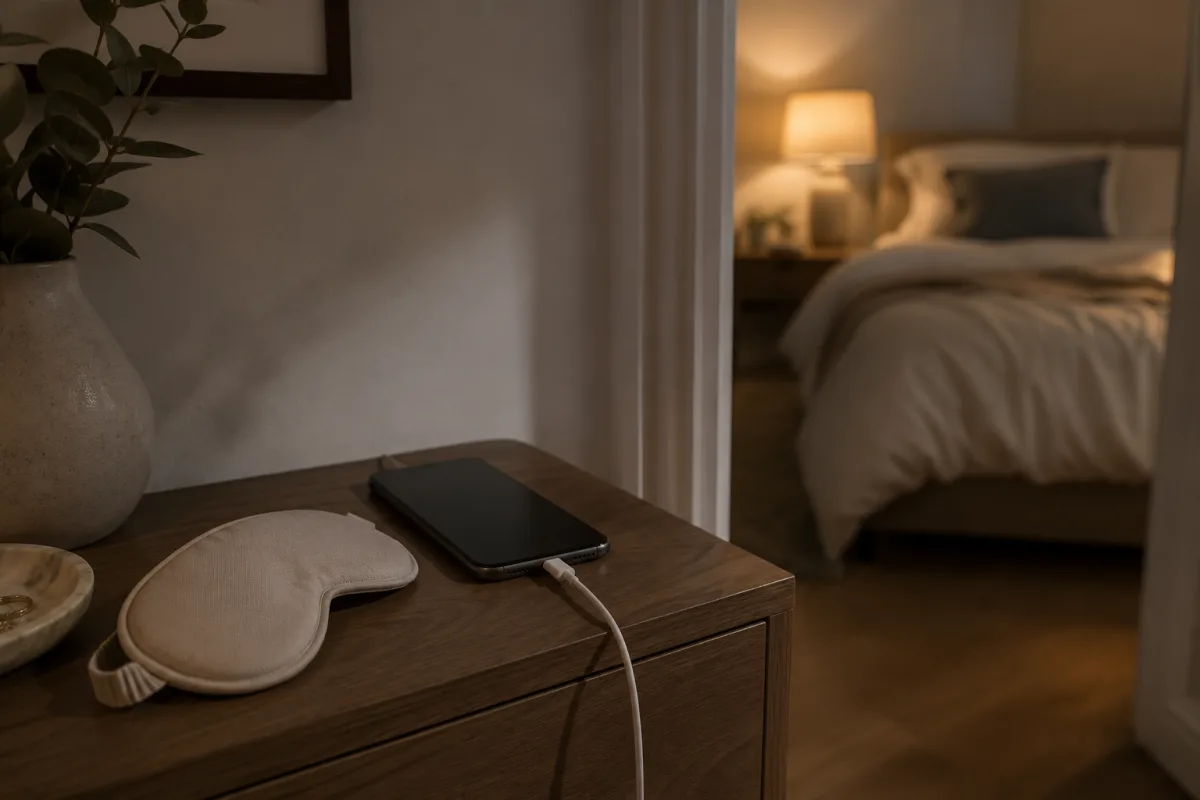
  • Schedule device-free evenings: Put your phone away an hour or two before bed to improve sleep and reduce mental chatter.
  • Reconnect with offline activities: Spend time reading a book, gardening, cooking, or pursuing a hobby that brings you joy.

Nurturing Your Inner World

When the outside world feels chaotic, your inner world becomes your sanctuary. It’s where you find calm, resilience, and your personal strength. Neglecting your emotional and physical needs during stressful times is a recipe for burnout and heightened anxiety.

Think about it: how can you possibly process complex information and maintain a healthy perspective if you’re running on empty? You can’t. Prioritizing self-care isn't selfish; it’s essential. It’s the foundation upon which your ability to cope, engage, and thrive is built.

For me, nurturing my inner world means creating intentional space for practices that ground me. It’s not always easy to carve out time, especially when you feel like you should be paying attention to every political update. But I've learned that stepping away, even for just a few minutes, actually makes me more effective and resilient when I do re-engage.

Prioritize Your Physical Well-being

Our bodies and minds are intimately connected. When you take care of your physical self, your mental health benefits enormously. It’s a simple truth that's often overlooked when stress hits.

Making small, consistent efforts in these areas can have a profound impact on your overall ability to manage election anxiety. Don't underestimate the power of these fundamental practices.

  • Get consistent, quality sleep: Aim for 7-9 hours. A dark, cool room and a consistent bedtime routine can make a world of difference.
  • Move your body daily: Even a 20-minute walk can release endorphins, reduce stress hormones, and clear your head.
  • Nourish yourself with healthy food: Focus on whole, unprocessed foods. Stay hydrated. Limit caffeine and alcohol, which can exacerbate anxiety.

Practice Mindfulness and Grounding

Mindfulness isn't about emptying your mind; it's about bringing your attention to the present moment without judgment. When your mind is racing with "what ifs," grounding techniques can bring you back to the here and now.

These practices can interrupt the anxiety spiral, giving you a chance to breathe and regain perspective. They help you observe your thoughts without getting entirely consumed by them, which is a powerful skill.

  • Try a 5-minute meditation: There are tons of free apps that offer guided meditations for beginners. Just a few minutes can reset your day.
  • Focus on sensory details around you: Use the "5-4-3-2-1" technique: name 5 things you can see, 4 you can touch, 3 you can hear, 2 you can smell, and 1 you can taste.
  • Use breathing exercises to calm down: Deep, slow breaths can signal to your nervous system that you are safe and can calm your heart rate.

Connect with Your Community

Feeling isolated can intensify anxiety. Humans are social creatures, and connection is a fundamental need. Reaching out to others, even just for a chat, can provide much-needed perspective and emotional support.

Remember, you don't have to carry this burden alone. Sharing your feelings with trusted individuals can lighten the load and remind you that you’re part of a larger, supportive network. Just be mindful of who you connect with and the nature of those conversations.

  • Talk to trusted friends and family: Share your anxieties, but also make sure to talk about non-political topics to maintain balance.
  • Seek out diverse perspectives respectfully: Engaging in calm, curious conversations with people who hold different views can broaden your understanding and reduce "othering."
  • Join local groups that align with your values: Whether it's a book club, a hiking group, or a volunteer organization, connect over shared interests beyond politics.

Find Your Power Beyond the Ballot Box

One of the most disheartening aspects of election anxiety is the feeling of helplessness. It’s easy to feel like a tiny cog in a massive, uncontrollable machine. But here’s what I've learned: even when national events feel overwhelming, there is always power to be found in your local community and in your personal actions.

Focusing on what you can control and what you can do, however small, is incredibly empowering. It shifts you from a passive consumer of information to an active participant in creating the kind of world you want to see, starting right where you are.

This isn't about ignoring the big picture; it's about realizing that change often starts from the ground up. When I feel overwhelmed by global issues, I always bring my focus back to my neighborhood, my city, and the causes I can directly impact. It makes a tangible difference not just in the world, but in my own sense of agency and hope.

Identify Your Sphere of Influence

It's natural to care about big issues, but sometimes the sheer scale can be paralyzing. Breaking it down into manageable parts, and identifying where you can truly make an impact, is key.

This process helps you channel your energy effectively, focusing on areas where your efforts will have the most tangible results and therefore, bring you the most satisfaction. It's about strategic engagement, not exhaustive worry.

  • Pinpoint issues you genuinely care about: What specific policies or causes resonate most deeply with you?
  • Focus on local initiatives and advocacy: Big change often starts small. Look for local organizations or campaigns working on issues you care about.
  • Understand what's truly within your control: Differentiate between what you can influence and what you must accept as beyond your immediate reach.

Engage Mindfully and Locally

Once you know what you care about and where you can make an impact, take action. But do so mindfully, ensuring your engagement adds to your sense of purpose, not just more stress.

Mindful engagement means choosing activities that align with your values and capacity, and ensuring they contribute to your well-being, rather than depleting it. It’s about being a conscious contributor to society.

  • Volunteer for a cause you believe in: Lending your time and skills to a local charity or advocacy group can be incredibly rewarding.
  • Support local businesses aligned with your values: Your spending choices are a powerful form of action.
  • Participate in respectful civic dialogue: Engage in conversations where listening is as important as speaking, aiming for understanding over winning.

Cultivate Hope and Resilience

It’s easy to get lost in the negativity, but remember that progress is a long game. History shows us that even in the darkest times, people have fought for and achieved positive change. Cultivating hope isn't about blind optimism; it's about recognizing the human capacity for resilience and improvement.

Nourishing your spirit with stories of success, connecting with others who are working for good, and acknowledging the small victories can counteract the pervasive sense of despair. It’s a deliberate choice to look for the light.

  • Celebrate small victories in your community: Acknowledge when local initiatives succeed or when people come together for a common good.
  • Read inspiring stories of change: Seek out narratives of activists, leaders, and everyday people who have made a positive difference.
  • Remind yourself of historical progress: Reflect on how far society has come on various issues, even if there's still work to do.

Common Mistakes to Avoid

It’s easy to fall into certain traps during election season, especially when anxiety is high. Recognizing these pitfalls can help you steer clear of behaviors that will only intensify your stress and diminish your sense of peace.

Many of us, myself included, have made these mistakes at one point or another. The key isn't to beat yourself up about it, but to become aware and make different choices moving forward. It’s about learning and adapting for your own well-being.

Here are some of the most common missteps I've observed, and a few I've personally had to correct, that can seriously derail your efforts to cope with election anxiety:

Endless Doomscrolling

This is probably the biggest offender. You open your phone to check one thing, and before you know it, an hour has passed, and you’ve consumed an endless stream of negative news, outrage, and dire predictions. It leaves you feeling drained, hopeless, and more anxious than when you started.

Doomscrolling creates a feedback loop: anxiety drives you to seek more information, which then fuels more anxiety. Break the cycle by setting firm time limits for social media and news apps, and stick to them.

Engaging in Toxic Online Debates

It's tempting to jump into comments sections or online arguments, especially when you feel strongly about an issue. But how often do these debates actually lead to productive outcomes? Almost never.

More often than not, they escalate into personal attacks, increase your blood pressure, and leave you feeling angry and frustrated. Choose your battles wisely, and remember that some conversations are best had offline, or not at all, especially with strangers on the internet.

Neglecting Self-Care

When the world feels like it's on fire, it's easy to think that taking time for yourself is a luxury you can't afford. You might tell yourself you need to stay constantly informed or that self-care is trivial compared to the issues at hand.

But neglecting sleep, healthy eating, exercise, and relaxation only makes you less resilient and more susceptible to anxiety. Think of self-care as charging your own battery so you have the energy to face challenges effectively.

Isolating Yourself

Anxiety often makes us want to withdraw. You might feel too overwhelmed to socialize, or you might avoid talking to friends or family who hold different political views. This isolation can be incredibly detrimental.

Human connection is vital for mental health. Seek out friends who uplift you, and engage in conversations that aren't solely focused on politics. Remember that maintaining healthy relationships is a powerful buffer against stress.

Expecting Perfection from Candidates or Systems

It’s important to have ideals, but expecting any candidate or political system to be perfect is setting yourself up for disappointment and cynicism. Politics is often about compromise and incremental progress, not immediate, flawless solutions.

Holding onto an all-or-nothing mindset can lead to extreme frustration and disillusionment. Acknowledge that complex problems rarely have simple answers, and celebrate progress, however small, instead of demanding perfection.

Expert Tips

For those times when the usual coping mechanisms just aren't cutting it, or if you feel your anxiety is becoming debilitating, there are additional resources and strategies that can provide deeper support. These are approaches often recommended by mental health professionals and digital wellness experts.

Sometimes, we need a little extra help to navigate truly challenging periods. There's absolutely no shame in seeking professional guidance or leveraging specialized tools to bolster your well-being. It's a sign of strength and self-awareness, not weakness.

I've personally found that incorporating even one or two of these "expert-level" tips can elevate your coping strategy significantly. They often address the root causes of anxiety or provide structured support that's hard to achieve on your own.

Consider Professional Support

If election anxiety is significantly impacting your daily life, sleep, relationships, or overall mood, talking to a therapist or counselor can be incredibly helpful. They can provide personalized strategies and coping mechanisms.

A mental health professional can help you process your emotions, identify unhelpful thought patterns, and develop healthier ways to respond to stressors. They offer a confidential and non-judgmental space to explore your feelings.

Utilize Digital Detox Apps and Tools

There are apps designed to help you manage screen time, block specific websites, or schedule "focus" periods. These tools can act as a digital bouncer, helping you enforce the boundaries you set for yourself.

Examples include Freedom, Forest, or even built-in screen time limits on your smartphone. They can be incredibly effective in preventing unconscious doomscrolling and reclaiming your time and attention.

Create a "Worry Plan"

Instead of letting worries pop up randomly throughout the day, designate a specific 15-minute "worry time." During this time, you can think about your anxieties, write them down, or brainstorm solutions.

If a worry arises outside this time, briefly acknowledge it and tell yourself, "I'll think about this during my worry time." This technique helps contain anxiety and prevents it from hijacking your entire day.

Practice Media Literacy

Become a more critical consumer of news. Question headlines, check sources, and understand how different media outlets frame stories. This skill helps you discern fact from opinion and recognize bias.

Learning about logical fallacies and propaganda techniques can empower you to interpret information more objectively and avoid getting swept up in emotionally manipulative narratives. Don't believe everything you read, even from seemingly reputable sources.

Understand Cognitive Biases

Our brains are wired with certain biases, like confirmation bias (seeking information that confirms our existing beliefs) or negativity bias (focusing more on negative information). Becoming aware of these biases can help you challenge your own thinking.

Recognizing these inherent mental shortcuts allows you to approach information with more objectivity and prevent your anxieties from being unfairly amplified by your own cognitive patterns. It’s about understanding how your brain works.

Final Thoughts

Navigating election season in a constant news cycle is undoubtedly tough, and it's perfectly normal to feel overwhelmed. But remember, you have more power over your mental well-being than you might realize. This isn't about ignoring the world; it’s about engaging with it in a way that protects your peace and allows you to be an effective, resilient individual.

Small, consistent changes can make a massive difference. Pick just one or two of these strategies that resonate most with you, and commit to trying them out. Maybe it's setting a news timer, taking a walk during your lunch break, or reaching out to a friend you trust. Every step you take towards nurturing your inner world is a victory.

Your well-being isn't a luxury; it's a necessity. Let's reclaim our calm, find our strength, and continue to hope for a future we all believe in, one mindful step at a time. You've got this.

How to Cope with Election Anxiety in a Constant News Cycle

Save for later

Found this helpful?

Pin this article to your Pinterest board and come back to it whenever you need a reminder.

Save to Pinterest
Written by

Olivia Prete

For the past 5 years, she has been sharing her thoughts and experiences through her blog, covering topics ranging from personal development to pop culture. Olivia's writing is honest, relatable, and always thought-provoking.

More posts
Olivia Prete

Responses (0)

0%