
Last updated: July 2026
Livecub's Privacy Policy explains what happens to basic data when someone reads, comments on, subscribes to, or contacts the site. Most visits create ordinary technical records: IP address, browser and device details, page URL, referral URL, timestamps, and cookie identifiers. If you choose to send a message, leave a comment, or sign up for email, we also receive the details you submit. This page describes those categories, why we use them, who may process them for us, and the choices available to readers.
What does this privacy policy cover?
This Privacy Policy applies to Livecub.com pages, forms, comments, email subscriptions, and ordinary site analytics. It covers information collected directly from you, information generated by your browser or device, and information processed by vendors that help the site run. It does not cover websites, tools, social networks, advertisers, or plugins that Livecub does not own or control.
Readers should also review our About Us page for site context and our Terms and Conditions for rules that apply to using the site. If another page, form, or feature gives a more specific privacy notice, that notice controls for that feature. A newsletter signup, for example, may explain how to unsubscribe, while a comment form may explain which fields are shown publicly.
Livecub publishes informational content across several categories. The same privacy practices apply to a recipe, a relationship guide, and a personal wellness topic such as election anxiety in a constant news cycle. Reading a page can create usage data, but Livecub does not treat the topic of a page visit as a direct statement about your health, politics, finances, family status, or beliefs.
What information does Livecub collect?

Livecub may collect personal information you choose to provide. That can include your name, email address, comment text, message text, account details if accounts are offered, newsletter preferences, and any other information you type into a form. If you include private details in a public comment, those details may become visible to other readers, so avoid posting addresses, phone numbers, medical information, financial data, passwords, or anything you would not want indexed or copied.
The site also receives technical data from browsers and servers. Common examples include IP address, approximate location inferred from network data, device type, operating system, browser version, language setting, referring page, pages viewed, links clicked, time spent on a page, error logs, and security events. This information helps diagnose broken pages, block abusive traffic, understand which topics readers use, and keep the site usable on different devices.
Cookies and similar technologies may store identifiers on your browser. Some are needed for basic functions such as remembering a preference or keeping a form working. Others may support analytics, ad measurement, affiliate tracking, or content performance reports. A cookie identifier is not the same as your name, but it can still be personal information under some privacy laws when it relates to a device or user profile.
Livecub does not ask readers to submit highly sensitive data for ordinary browsing. If you send sensitive details voluntarily, such as in a comment or contact message, we will handle the message according to this policy, but the site may not be the right place to send urgent, confidential, medical, legal, or financial information.
How does Livecub use reader information?
Livecub uses collected information to publish and maintain the site, deliver pages, respond to messages, moderate comments, send requested email, prevent spam, detect abuse, measure traffic, test page performance, and improve content decisions. These uses are practical: a server log can show that a page is returning errors, a comment moderation tool can block repeated spam, and an email subscription record can prevent sending newsletters to someone who unsubscribed.
Reader information may also be used to personalize limited site functions, such as remembering a setting or reducing repetitive prompts. If advertising or affiliate systems are present, cookies or similar identifiers may help measure impressions, clicks, conversions, or ad frequency. Livecub does not need your legal name to perform most of these tasks, so the site aims to use the least detailed data that still supports the purpose.
We may combine information collected at different times when it helps keep records accurate, respond to a request, investigate misuse, or understand site performance. For example, a support request may be reviewed alongside recent error logs if you report that a page will not load. We do not use submitted contact messages to create public profiles, and we do not publish your email address as part of normal comment display.
How do cookies and analytics work on Livecub?

Cookies are small files stored by your browser. Pixels, tags, local storage, and similar tools can serve related functions. They may help the site remember a setting, count page views, understand referral sources, detect repeated spam attempts, or measure how content performs across devices. The Federal Trade Commission explains that websites and apps can use technologies such as cookies, pixels, and device signals to understand online activity; its privacy and security guidance is a useful reference for the broader consumer privacy context.
Livecub may use analytics services to understand aggregate site activity. Google explains that a default Google Analytics implementation can collect information such as user counts, session statistics, approximate geolocation, and browser or device information; see Google's own Analytics data collection documentation for the provider's description. Analytics reports are generally used to see patterns, not to read one person's private life.
You can control many cookies through your browser. Browser settings may let you block cookies, delete stored identifiers, limit cross-site tracking, or clear site data after each session. Blocking every cookie can break preferences, forms, logins, or embedded tools. A privacy-focused browser, content blocker, or device-level setting may also affect analytics and advertising systems, although each tool works differently.
When is information shared with service providers?
Livecub may share information with service providers that perform work for the site. These can include hosting companies, security tools, analytics providers, email delivery services, spam prevention vendors, advertising partners, affiliate networks, backup systems, and technical support providers. They receive access only for the work they perform, although their own policies and contracts may also govern how they process information.
Information may also be disclosed if required by law, legal process, fraud prevention, security investigation, rights protection, or a business transfer such as a sale, merger, restructuring, or asset transfer. If a transfer occurs, the information associated with the site may move with the site, subject to the policy and any required notices at that time.
Some third-party tools may set their own cookies or collect data directly through embedded content, ads, analytics scripts, social sharing buttons, or video players. Livecub does not control every downstream decision made by those services. Review the privacy settings and policies of those providers if you use their features, accounts, or opt-out tools.
What choices do readers have?
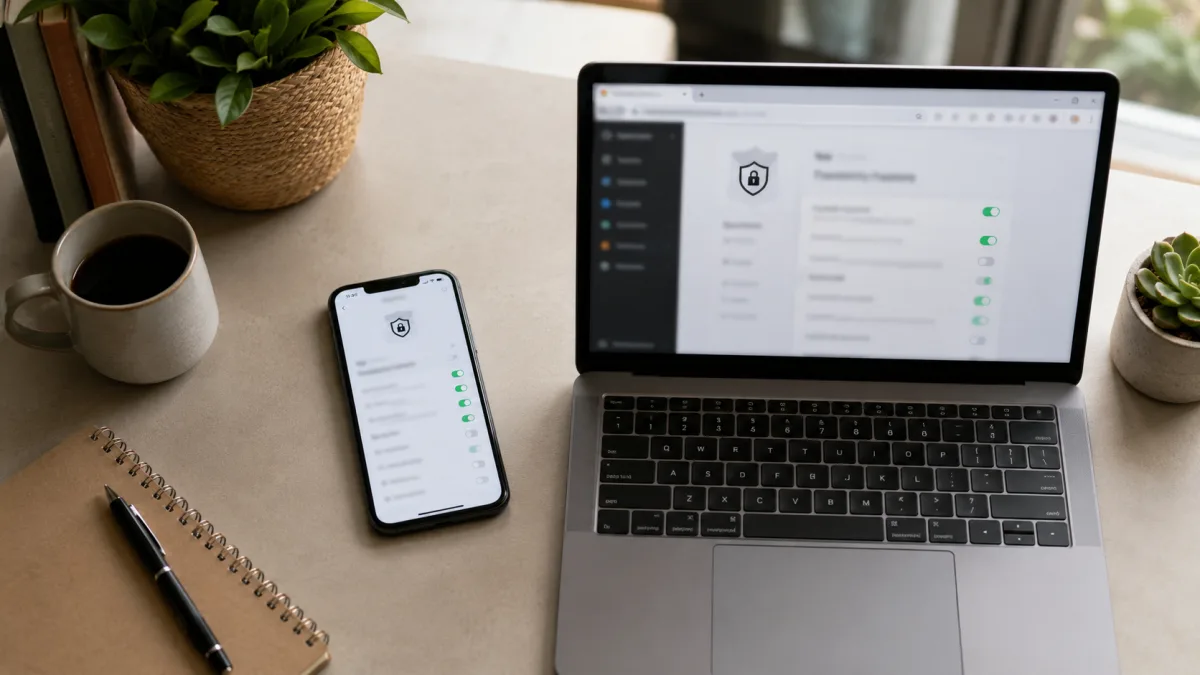
You can make several privacy choices without contacting Livecub. You may unsubscribe from marketing email through the unsubscribe link in a message, change browser cookie settings, clear stored site data, use private browsing tools, block trackers through browser extensions, avoid submitting optional form fields, and choose not to post public comments. These choices may reduce personalization, analytics, or ad measurement, but the core articles should remain readable unless a feature depends on a blocked technology.
You may also request access, correction, deletion, or restriction of information that Livecub can reasonably identify as yours. We may need enough details to verify the request and locate the record, such as the email address used for a comment or newsletter subscription. If we cannot verify ownership, if the record is anonymous or aggregated, or if another law requires retention, we may be unable to complete every request exactly as asked.
Some locations provide additional rights. California residents can review the California Attorney General's CCPA consumer rights page, which describes rights such as access, deletion, correction, opt-out of sale or sharing, and limiting certain sensitive personal information for covered businesses. Other regions may provide rights under their own privacy laws. We will respond to applicable requests according to the law that applies to the request, the site, and the data involved.
How does Livecub handle children, security, and retention?
Livecub is not directed to children under 13, and we do not knowingly collect personal information from children under 13. If a parent or guardian believes a child provided personal information, they should use the site's contact method and include enough detail for us to locate the record. When we can identify such information, we will delete it or take other appropriate steps required by law.
Security measures may include access controls, spam filtering, malware checks, backups, server monitoring, software updates, encryption where supported, and vendor review. No website can promise perfect security. Internet transmission, browser extensions, shared devices, weak passwords, compromised email accounts, and third-party services can all create risk outside the site owner's direct control.
Livecub keeps information only as long as needed for the purpose collected, site operation, legal compliance, dispute handling, security, backups, or business records. A public comment may remain visible until removed. Server logs may be kept for shorter operational periods. Email subscription records may be retained until you unsubscribe and for a reasonable suppression period afterward so the system does not add you back by mistake.
How are updates to this privacy policy handled?
Livecub may update this Privacy Policy when the site changes, vendors change, laws change, or the wording needs to be clearer. The "Last updated" date at the top shows when this version was posted. A minor edit may fix wording without changing the basic practice. A material change may require a clearer notice, depending on the feature affected and the law that applies.
Older versions may not remain available on the site. If you care about a specific version, save a copy for your own records. Continued use of Livecub after a posted update means the current policy applies to new site activity, while earlier activity may remain subject to the policy or notices in effect when the information was collected, except where law or consent permits a different approach.
Frequently Asked Questions
Does Livecub collect personal information if I only read an article?
Yes, ordinary technical data may still be collected. A visit can create server logs, cookie identifiers, page view records, approximate location signals, browser details, and device information even if you never submit a form.
Can I use Livecub without cookies?
You can block or delete many cookies through your browser, but some features may work less predictably. Forms, preferences, spam protection, embedded tools, analytics, and ad measurement can all be affected by strict cookie blocking.
Does Livecub publish my email address when I comment?
No. A comment may show the public display name and comment text you submit, but an email address is normally used for moderation, notifications, spam control, or account-related functions rather than public display.
How can I ask Livecub to delete my information?
Use the contact method available on the site and identify the record you want reviewed, such as the email used for a comment or newsletter signup. We may need verification before deleting, correcting, or providing a copy of information.
Do privacy rights work the same in every country or state?
No. Privacy rights vary by location, the type of organization, the type of data, and how the data is used. Livecub will respond to applicable requests based on the law that applies to the request and the data involved.
A useful privacy policy should make ordinary data practices plain enough for a reader to decide what to share, what to block, and which settings to change. For Livecub, that means treating browsing data, comments, email signups, analytics, cookies, and service providers as separate issues rather than hiding them under one broad promise.