
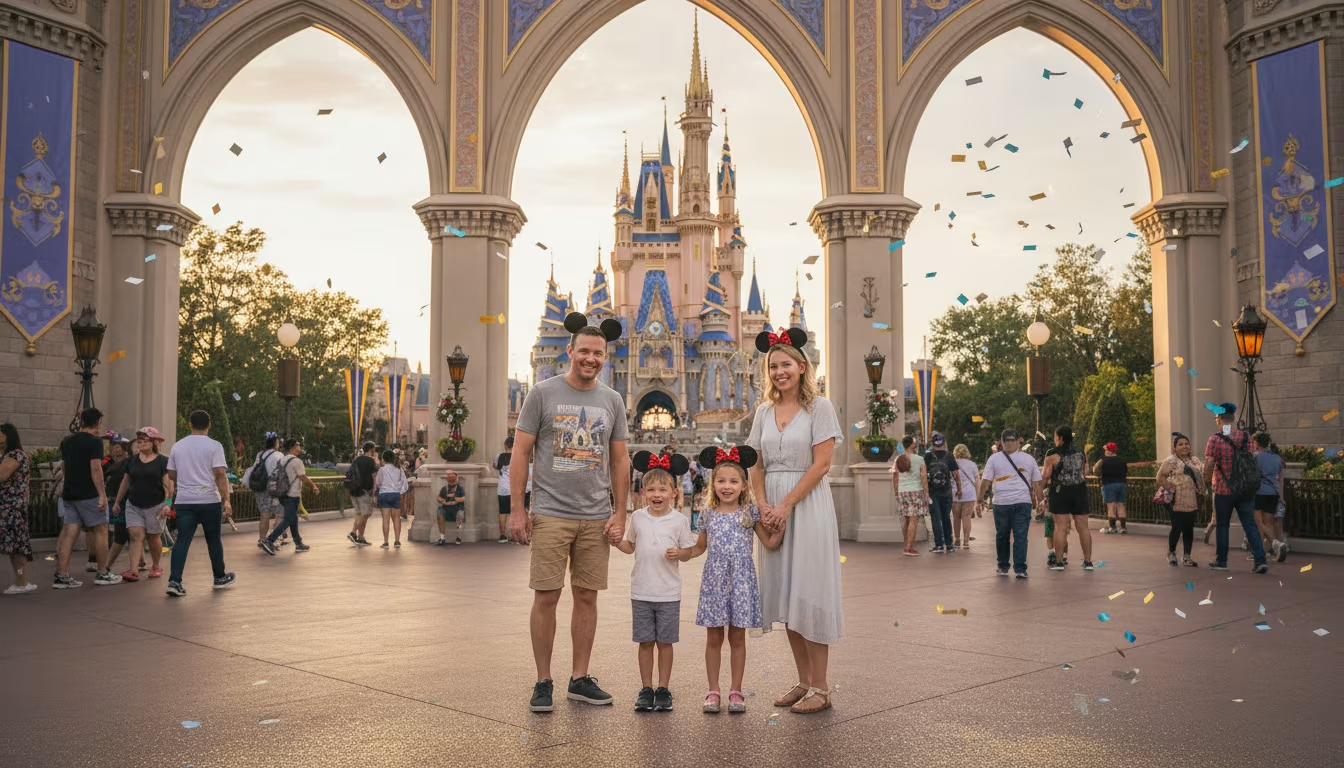
Stamina, not attractions, is what separates a great Disney World trip from a meltdown with expensive tickets. Four theme parks, Florida heat, long walks, crowds, character hopes, and late nights can overwhelm even excited kids. Families rarely regret riding one fewer coaster; they regret the day everyone hit the wall at once. Pick the experiences that matter most, leave real space around them, and protect at least one break a day even when the plan changes, because a planned pause is part of the park day rather than a sign the schedule failed.
Choose your park days carefully
Do not assume every family needs every park on one trip. The four parks reward different ages and energy levels, and matching the day to your children beats forcing an open-to-close march through all of them. Use rest days or half days when the budget allows: a pool morning and an evening park often beats a full-day slog. For a slower style of family pacing, Livecub's Petoskey, Michigan guide shows how fewer stops can make a trip easier to remember.
| Park | Best for | Watch out for |
|---|---|---|
| Magic Kingdom | Younger children, classic rides, characters | Biggest crowds; long days on foot |
| EPCOT | Food, festivals, slower exploring | Lots of walking; fewer little-kid rides |
| Hollywood Studios | Older kids, high-demand thrill rides | Rides book up fast; tight scheduling |
| Animal Kingdom | Space, animals, a calmer pace | Heat and shade gaps; still needs a plan |
Choose lodging by recovery time
A cheaper room can cost more energy if every break requires a long ride. A closer hotel, easier transportation, or a room with enough sleep space often matters more than a themed lobby. Transportation type shapes the day as much as the nightly rate: buses, the monorail, boats, and the Skyliner each move at different speeds and can add twenty or thirty minutes to a simple round trip when lines back up. Think through naps, early bedtimes, laundry, stroller access, and how long it actually takes to leave a park and reach the room, since families routinely underestimate that middle-of-the-day gap. If you stay off-site, fold parking, rideshare or rental car costs, security lines, and morning traffic into the real price before deciding it is the cheaper option.
Set up the app and Lightning Lane early
Disney planning now leans heavily on the My Disney Experience app. Before the trip, create accounts, link tickets, connect your travel party, test logins, and add a payment method if you plan to use mobile order or paid line options. Do this at home, not in front of a park gate with tired children waiting. The same app shows live wait times, restaurant menus, and stroller-friendly routes, so learning it in a calm setting pays off once everyone is hot and hungry inside the park.
Disney's official Lightning Lane Passes page explains that Multi Pass lets guests choose up to three eligible experiences and arrival windows in advance, while Single Pass covers selected high-demand attractions. Prices, attraction lists, and booking windows change often, so treat blog advice as background and confirm on the official page and app close to your trip. Line strategy is useful, but it should not run the whole vacation.
Book dining and budget beyond tickets
Disney's advance dining reservation FAQ says reservations can be made starting 60 days ahead, with extra rules for Disney Resort hotel guests based on length of stay. Choose one or two hard-to-get meals if they truly matter, rather than turning every day into a reservation puzzle; quick-service meals, snacks, groceries, and off-peak eating save money and patience. A table-service meal is only magical if everyone is still hungry and awake when it starts.
Tickets and hotel rooms are only the beginning of the budget. Add transportation, parking, resort fees where they apply, food, tips, souvenirs, stroller rental, rain gear, any Lightning Lane purchases, and airport costs. Give children a souvenir budget before you enter the first shop, since a prepaid gift card or cash envelope stops repeated negotiations. For a very different budget style, Livecub's Skyline Drive waterfalls guide shows how outdoor trips can center on pacing and simple logistics instead of reservations.
Manage heat, strollers, and food in the park
Central Florida weather turns quickly. Pack refillable water bottles, cooling towels, hats, sunscreen, ponchos, and shoes that handle wet pavement, and schedule indoor shows, longer meals, or hotel breaks during the hottest afternoon hours. Do not wait until a child is melting down to take shade seriously; heat management is part of the itinerary, not a reaction to it.
Children who skip strollers at home may still need one here, because the walking distance often runs several miles a day and the heat and stimulation are all different. A stroller also carries water, snacks, rain gear, and a change of clothes, so mark yours clearly with a bright ribbon or tag to find it after cast members move stroller parking between rides. For families with two adults, the rider switch option lets one wait with a young child while the other rides, then swaps without standing in the full line twice, which keeps a height-restricted attraction from stranding half the group. Hungry families make worse decisions, so keep easy snacks in the bag and know two quick-service options in each park before arrival. Mobile order saves time but still needs planning: order before everyone is desperate, pick a window, and send one adult for food while the group waits in shade.
Plan for meltdowns and group splits
Decide in advance what you will do when a child gets overwhelmed, whether that is a stroller break, a quiet corner, a hotel return, a snack, headphones, or splitting the group. Theme parks are loud, hot, bright, and full of waiting, so treat a meltdown as overload rather than a character flaw; adults get overloaded too. Each park morning also runs better with one clear priority, such as a popular ride, a character meet, or family photos before everyone is sweaty, and deciding what to skip protects the rest of the day.
Group splits keep one tired child from ending everyone's day. One adult can take a younger child back to the hotel while another stays for a ride with older kids, as long as you set meeting points first, keep portable chargers ready, and make sure each adult has ticket access and hotel information. Be honest about late nights, too: fireworks are wonderful but costly for early risers, so pick one or two late evenings instead of forcing them nightly. Pack a smaller park bag with only what you will use, and keep a photo of tickets, hotel details, and dining plans in case the app stalls.
Leave room for the thing they loved
Children often fall for something no parent predicted: a boat ride, a playground, a character parade, a snack, or the hotel pool. If the trip is planned too tightly, you may miss the chance to repeat the moment that made them happiest. Use the plan as a guide, then let the real family in front of you make some of the choices, especially near the end of a day when a familiar favorite beats one more crowded attraction.
Frequently Asked Questions
How many Disney World park days does a family need?
Many families choose four park days, one per park, but younger children or first-time visitors often do better with fewer park days and more rest.
Should families buy Lightning Lane passes?
It depends on budget, crowd levels, priorities, and tolerance for waits. Check Disney's current rules and prices before deciding.
When can Disney dining reservations be made?
Disney's official dining FAQ says reservations can start 60 days in advance, with additional rules for Disney Resort hotel guests.
What should families pack for Disney World?
Pack water, sunscreen, ponchos, medication, snacks, a charger, comfortable shoes, small first-aid items, and a change of clothes for younger kids.

Alyssa Curlin
Edits general health, nutrition and education explainers. Medical topics are educational and link to public-health guidance.


Leave a reply
Replying to