
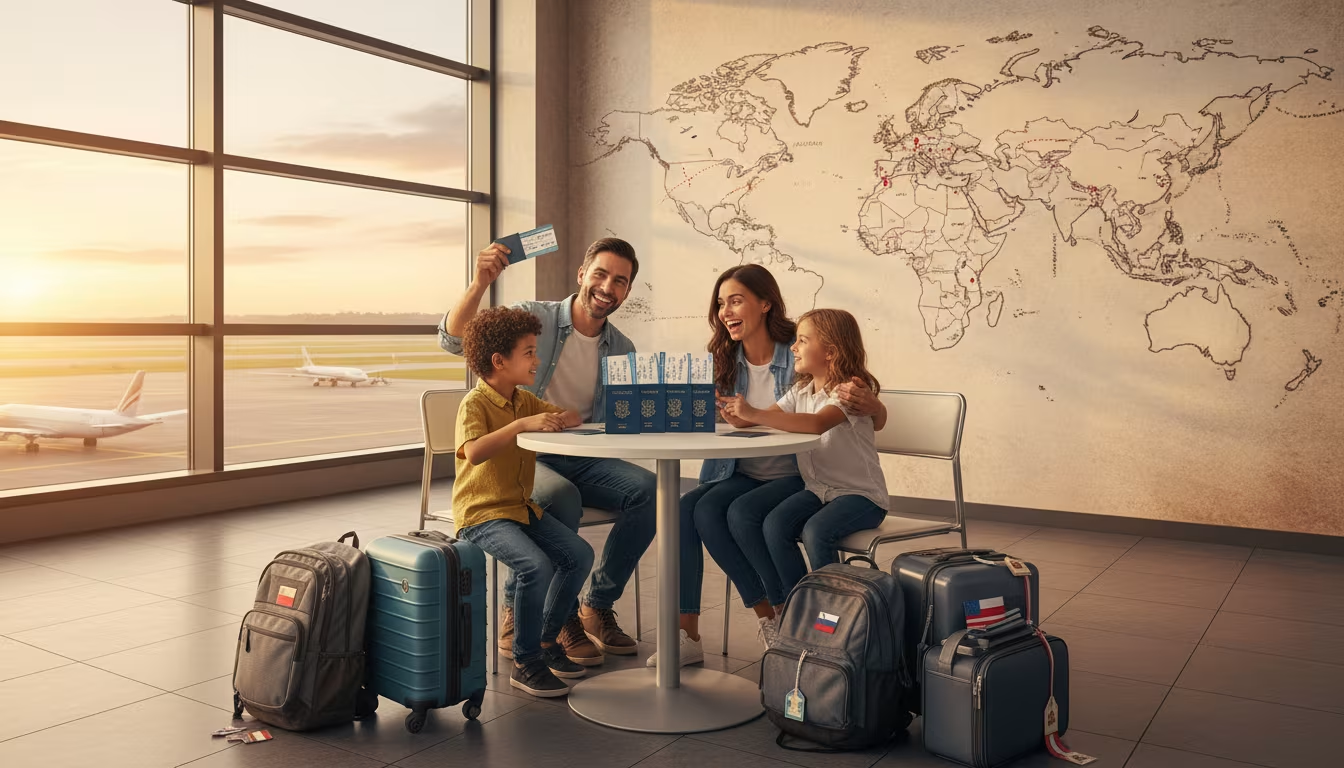
Packing cubes get all the attention, but the part of an overseas family trip most likely to go wrong sits in a folder, not a suitcase. A child's passport, a consent letter, a birth certificate, a visa, a vaccination record, and airline rules can all matter before anyone reaches the gate. What you actually need depends on the destination, your citizenship, the family's structure, and whether both parents or guardians are traveling.
Start with documents, passports, and consent
The U.S. State Department's page on travel with minors advises families to carry proof of a legal relationship, such as a birth certificate, and notes that some countries require evidence of both parents' permission. Do not assume one rule works everywhere; check the destination, the airline, and any transit country separately.
Children need passports for international air travel, and if only one parent travels, a notarized consent letter from the other parent can prevent delays even where the United States does not require it. A consent letter should identify the child, the traveling adult, and the permission given, and it should match the trip dates. If custody orders, adoption papers, or guardianship documents exist, carry the relevant copies.
Build a one-page checklist for each child before anything is booked: passport name, expiration date, visa status, consent-letter need, medication note, and emergency contacts on a single sheet. Check passport expiration early, because some countries require several months of validity beyond the travel date, and a child's passport expires sooner than an adult's. Waiting until the final month can turn a family trip into an emergency appointment hunt.
Health planning and vaccines
Schedule a pediatrician or travel-medicine visit well before departure, especially for trips involving malaria areas, yellow fever rules, rural travel, long stays, or unusual activities. Children may need routine vaccines updated, destination-specific vaccines, malaria prevention, or advice for diarrhea, sun, insects, and motion sickness.
The CDC Yellow Book chapter on traveling safely with infants and children covers practical counseling for young travelers, including vaccines, illness prevention, injuries, and destination risks. Use it as a prompt for better questions, not as a substitute for a clinician who knows your child.
Pack medications in their original containers when possible, with prescriptions or clinician notes for anything that could raise questions at a border. Bring fever medicine, oral rehydration packets, bandages, a thermometer, and any daily medication, and do not assume the same brand or dose will be easy to find abroad.
Airport screening and the flight
Airport steps go more smoothly when child items are organized. Keep passports, boarding passes, snacks, medications, diapers, wipes, formula, breast milk, toddler drinks, and comfort items easy to reach rather than buried under spare clothes. Formula, breast milk, toddler drinks, and baby food are generally allowed above standard liquid limits but may need extra screening, so tell the officer before screening begins. For older children, explain the process in advance: shoes, bags, strollers, and stuffed animals may be handled by officers or placed on belts, and a child who knows the steps is less likely to panic when a favorite toy rides the scanner.
Book flights with realistic layovers. A 40-minute international connection with a stroller, a bathroom stop, and a tired child is not a bargain; a longer layover gives room for food, diaper changes, gate changes, and emotional resets. Choose seats with care, ask about bassinets for infants on long-haul routes where they exist, and keep snacks, headphones, layers, and a change of clothes within reach. Do not build the plan around a perfect sleep schedule, because time zones, lights, and excitement undo neat routines. Aim for rest where you can, then keep the first day at the destination light.
Safety, food, and pacing at the destination
Children face different travel risks than adults. Traffic, water, balconies, animals, insects, heat, foodborne illness, and unfamiliar medication packaging all deserve attention. Walk through the lodging on arrival and check locks, windows, balcony rails, sharp corners, pools, and loose cords, moving hazards before everyone is exhausted. Use car seats or boosters when needed, but confirm whether your seat is allowed or practical locally, since approval rules differ by country. If the trip includes hiking or long walking days, adjust gear before leaving the hotel; the guide on adjusting walking sticks helps for older children or adults on rough routes.
Family travel goes better when the schedule has slack. Children need food, bathrooms, shade, downtime, and sometimes a quiet hour with nothing cultural happening, and a trip can still be meaningful with fewer sights. Pack familiar snacks for the first day and for transit, use bottled or treated water where local guidance calls for it, and choose one reliable food at each stop for picky eaters. For pacing lessons, a slower domestic guide such as the Spiral Jetty travel guide shows why drive time, weather, and the final approach matter as much as the destination itself.
Build backup plans
Every family trip abroad needs plans for sickness, delayed luggage, a split-up day, or a lost passport. Write down the nearest embassy or consulate, the local emergency number, the lodging address, and your travel-insurance contact. Give older children a hotel card or written address, teach them how to identify staff, police, or another safe adult if separated, and set meeting points in airports, stations, and markets. For younger children, tuck a simple ID card into a pocket. Give one adult offline access to maps, booking confirmations, document copies, and key phone numbers, because roaming can fail, batteries die, and a printed page in a backpack still works when the phone does not.
Frequently Asked Questions
Does my child need a passport for international travel?
Yes. Children need passports for international air travel, and some countries require extra months of validity beyond the travel dates, so check early.
Do I need a consent letter to travel with my child?
If both parents or guardians are not traveling, a notarized consent letter is often wise and may be required by some countries or airlines. Check before departure.
Can I bring formula or breast milk through security?
Generally yes, in larger quantities than standard liquids, but these items may need extra screening, so tell the officer before the process begins.
When should we see a doctor before travel?
Schedule a visit well before departure, especially for destinations with malaria, yellow fever, rural travel, long stays, or specific vaccine requirements.

Olivia Prete
Edits culture and personal-development articles, distinguishing opinion and experience from verifiable claims.


Leave a reply
Replying to