
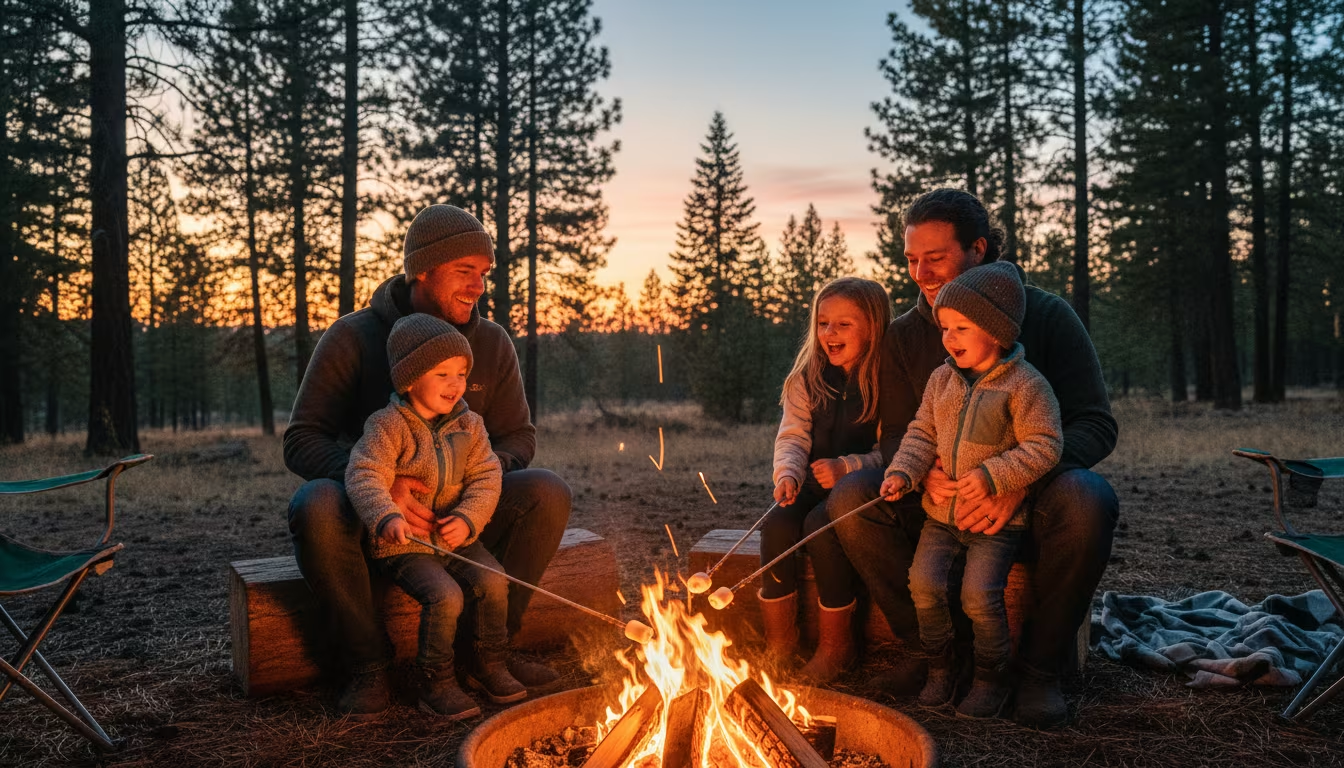
A first campout with children succeeds or fails on one decision: matching the trip to the kids in front of you rather than to a rugged fantasy. The first night out should not be a test of suffering. It should give children dirt, stars, snacks, a safe fire plan, short walks, and enough comfort that they want to try again. The right version might be a cabin, a car-camping site, a state-park loop, or even a backyard practice night before anyone commits to a remote tent.
Choose the camping style before buying gear
Pick the style of camping first, then pack for that version. Glamping, cabins, RV camping, tent camping near the car, and backpacking are genuinely different trips with different failure points. A family with toddlers often has more fun in a cabin with a fire ring than at a beautiful but distant tent site with a long walk to the bathroom.
The National Park Service camping resources help because they separate trip planning, site selection, and camping responsibilities. Good camping is not only about gear. It is knowing where you can sleep, cook, park, store food, and get help. Make the first trip easy to repeat, because if the first night is too hard, the family may never discover the parts of camping they would have loved.
| Camping style | Best for | Setup effort | Sleep comfort |
|---|---|---|---|
| Cabin | Toddlers, nervous first-timers, cold nights | Low | High |
| RV / camper | Long trips, families who want a bathroom nearby | Medium | High |
| Tent near the car | Most first tent trips, easy gear runs | Medium | Medium |
| Backpacking | Older, experienced kids and confident adults | High | Low to medium |
| Backyard practice | A trial run before any real site | Very low | Familiar |
Practice at home before the first campsite
Set up the tent at home, unroll the sleeping bags, test the headlamps, and let children climb in before the trip. A backyard or living-room practice night can reveal broken zippers, missing poles, a fear of dark fabric, and bedding that is not warm enough, all while a hardware store and a warm bed are still minutes away.
Practice also makes children part of the work. Let them clip a lantern, pack a small clothes cube, or choose one quiet toy. A child who helped prepare is less likely to treat the campsite like a hotel room run by tired adults. Familiar gear feels safer, and the tent is far less strange when a child has already crawled through it in daylight.
Pack sleep like it matters most
Sleep can decide the entire trip. Pack sleeping bags or blankets rated for the actual overnight low, not the daytime high, along with sleeping pads, pajamas, dry socks, a comfort item, and a small light that does not blind the whole tent. A sleeping pad matters as much as the bag, because most of the night's cold comes up from the ground, and children who sleep cold wake repeatedly, which means parents wake with them.
Dress children for sleep in dry synthetic or wool layers rather than the cotton they wore all day, since damp cotton pulls heat away and stays wet for hours. Keep bedtime simple: brush teeth, use the bathroom, put shoes in one known place, and decide where flashlights live before everyone is exhausted. If a child usually sleeps with white noise, a small battery device can help, but respect campground quiet hours. Keep bedding in the car or a dry bag until the tent is pitched and the weather looks settled, because dry sleep gear is protected gear.
Build meals around fire rules and hungry kids
Camp food should be satisfying but not fragile. Pack a breakfast that works without a fire, a lunch that survives a hike, and a dinner you can cook on a stove if campfires are banned. Pancakes, foil packets, hot dogs, chili, oatmeal, tortillas, fruit, and simple sandwiches all tolerate interruption, which is exactly what a campsite delivers. Store food in a hard cooler or a locker where required, and keep it away from the tent, since food smells draw animals in many parks.
Follow local fire rules closely and put every fire fully out, stirring the ashes until they are cold to the touch. Do not promise children s'mores until you know the fire restrictions, the wind, and the campground rules, because a burn ban mid-trip is a hard conversation to have with a hopeful five-year-old. For longer family trips, a town stop can break up the camp menu; if you camp near a lake town, a guide to places to see in Petoskey can turn one meal into an easy outing.
Make nature small enough to notice, and hikes short
Children do not need a forced lecture about nature. Give them a small mission: find three leaf shapes, listen for one bird, notice animal tracks, carry a pebble to sketch later, or watch how smoke moves in the wind. Keep the task short enough that it still feels like play, and let observation beat performance, because a child who quietly watches a beetle for ten minutes is camping well.
Plan hikes by energy, not ambition. Short trails with a clear reward, such as a creek, a waterfall, a big rock, or a picnic overlook, beat famous hikes that ruin the afternoon. Pack water, snacks, layers, sunscreen, insect repellent, a small first-aid kit, and a firm turnaround time, and treat that turnaround time as the plan rather than a suggestion. Walking gear should fit the child and the terrain; adults who use poles can review how to adjust walking sticks before assuming poles will help on a family trail. If your family hopes to spot wildlife, a resource like places to see moose near North Conway helps frame animals as a possibility, not a guarantee, so no one is crushed when the woods stay quiet.
Handle bugs, ticks, and bathroom reality
Bug planning is not optional in many campgrounds. Pack EPA-registered repellent, long socks or pants for brushy areas, a tick-removal tool, and a small mirror for checks. CDC tick bite prevention guidance covers avoiding high grass and leaf litter, using repellents, and checking clothes, gear, pets, and bodies after time outdoors. Do the body check the same way each night, focusing on the scalp, behind the ears, the waistband, and behind the knees, so it becomes routine rather than an afterthought.
Bathrooms deserve honest planning. Bring a night light, easy slip-on shoes, wipes, hand sanitizer, and a plan for the child who fears walking to the restroom in the dark. If the campground bathroom is far, choose a site closer to the facilities for the first trip. Comfort is not cheating: a child who feels safe using the bathroom and sleeping warm is far more likely to enjoy the trees, the fire, and the stars.
Keep rainy-day and hot-day backups
Weather changes a trip fast. Pack cards, a small notebook, a couple of books, a tarp, extra socks, and a dry place to sit. For hot desert or river camping, plan shade and water before any activity; for mountain camping, pack layers and expect swings of twenty or thirty degrees between afternoon and dawn. A cheap tarp strung over the picnic table can rescue an entire rainy afternoon.
If a destination has nearby town options, use them without guilt. A day trip to things to see around Laughlin, Nevada or a visit to a ranger station and visitor center can save energy when heat, wind, or rain makes camp less fun. One backup plan protects the whole trip, because children handle disappointment far better when the adult already has another idea ready.
Give kids real jobs and end the day early
Children enjoy camping more as participants than as passengers. Give them jobs that match their age and attention span: collect clean kindling where it is allowed, fill water bottles, clip lanterns, sort sleeping pads, hand out napkins, or check that shoes are under the vestibule before bed. Jobs should be real but never safety-critical, since adults still manage fire, knives, stoves, food storage, and navigation. A child can help wash a mug; a child should not be responsible for whether the fire is fully out.
Protect the first morning, because it often decides how the family remembers the trip. Stage an easy breakfast such as muffins, oatmeal, fruit, yogurt in the cooler, instant coffee, and water so it works before anyone has patience, and keep dry socks, fleece, and shoes reachable before a child steps into damp grass. Then end activities before everyone is done: leave the creek, trail, or fire while the mood is still good, so the next moment starts with energy instead of repair.
Frequently Asked Questions
What is the best age to start camping with kids?
There is no single best age. Start when the adults can manage sleep, safety, and basic routines, then choose an easy, close-to-facilities site for the first trip.
What should kids sleep on while camping?
Use a sleeping pad or air mattress under a warm sleeping bag or blankets, plus dry pajamas, socks, and any comfort item that helps them settle.
How do you make camping fun for reluctant kids?
Keep the first trip short, offer small nature missions, bring familiar food, protect sleep, and avoid turning every moment into a lesson.
Should families camp in tents or cabins first?
Cabins can be a gentler start for young children or nervous adults. Tent camping near the car works well once sleep and bathroom concerns are handled.
Camping with kids works when the trip is built for the actual family, not the fantasy one: warm sleep, simple food, safe fires, short walks, real jobs, and enough backup plans to keep wonder from tipping into misery.

Timothy Davidson
Edits step-by-step general-interest guides for clarity, realistic limits and source verification.

Leave a reply
Replying to