
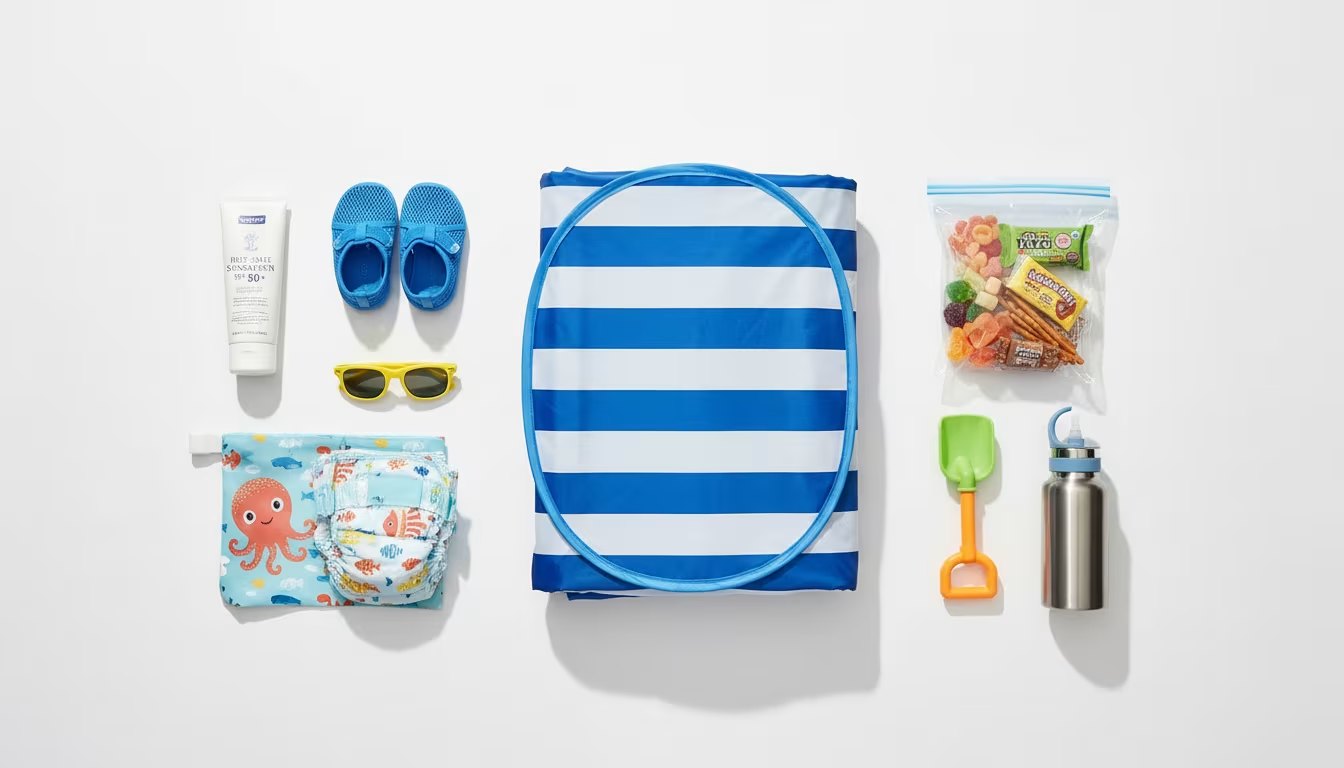
A good beach day rarely fails because a family forgot something fun. It fails because the items that are hard to replace at the moment they matter, such as sun protection before the first burn, water before thirst turns into a meltdown, and dry clothes before dinner, ended up at the bottom of one giant tote. Sorting the packing by job instead of by closet is what keeps sand, wet suits, and panic from following everyone back to the room.
Pack the bag around the day
Start with the shape of the day. A two-hour morning near the hotel needs far less than an all-day drive to a remote shoreline. Put the highest-use items in the easiest pocket: sunscreen, water, towels, wipes, hats, snacks, and a small first-aid kit. Put backup clothes and dinner clothes in a separate dry bag so they do not turn sandy before anyone wears them.
One bag should not do every job. A wet beach bag, a dry clothing bag, and a small cooler are far easier to manage than one overloaded tote holding sunscreen, crackers, and underwear at the bottom. Keep a final small pouch for keys, phone, sunscreen, water, and room cards, and let one adult carry it until the last beach stop is over.
Sun protection and shade
Sun protection needs more than one item, because beach light comes from above, off the sand, and off the water at the same time. Pack broad-spectrum sunscreen, lip balm with SPF, brimmed hats, sunglasses, rash guards, cover-ups, and a shade option if the beach does not rent umbrellas. CDC sun safety guidance emphasizes shade, protective clothing, hats, sunglasses, and sunscreen used together rather than sunscreen alone.
Apply sunscreen before leaving the room, then bring it for reapplication, since children are far easier to coat before they see waves. Keep a small stick sunscreen in the top pocket for faces, ears, and the backs of hands. Treat shade as gear, not decoration: an umbrella, canopy, or shade tent turns a harsh midday into a manageable lunch break.
Water safety at the beach
Water safety starts before anyone runs toward the surf. Pack Coast Guard-approved life jackets for boating or open-water situations that call for them, and never treat inflatable toys as safety devices. CDC drowning prevention guidance warns that drowning can happen quickly and that children still need close supervision even after swim lessons.
Assign an adult to watch the water without a phone, book, or drink in hand, and rotate the job so attention does not fade into casual glances. A bright towel or wristband can help the watching adult remember they are on duty. If the beach has surf, check the posted flags and local warnings, and read up on rip currents before the trip rather than while someone is already in trouble.
Clothes, food, and cleanup
Pack clothing that dries and layers: swimsuits, rash guards, one dry outfit per person for after the beach, underwear, sleepwear, sandals, walking shoes, and a light layer for air-conditioned restaurants or windy evenings. A beach trip does not need a new outfit for every meal if laundry is available. The most useful clothes are often the clean, dry pieces worn between the beach and dinner, so pack a clear transition outfit for each person. For a shoreline town such as Petoskey, Michigan, plan more walking comfort than a family that only crosses hotel sand.
Beach food should survive heat, sand, and interruption. Pack water, electrolyte drinks if needed, fruit, sandwiches, wraps, cheese sticks kept cold, crackers, cut vegetables, and snacks that do not melt in a bag. Use lidded containers instead of open bowls, and bring a small cooler rather than hoping the tote stays cool. Feed children before they are starving, especially when the walk back to lodging is long.
Cleanup starts at the beach edge. Pack a mesh bag for toys, a wet bag for suits, a plastic bag for trash, baby powder or a dry towel for feet, and a cheap laundry bag for sandy clothes. Keep one towel clean for the car or stroller, since the towel used on wet sand should not become the one that covers a car seat. Separate wet from dry immediately, because waiting until bedtime turns one wet swimsuit into a damp pile of everything.
Toys, medicine, and documents
Beach toys should be easy to rinse and hard to lose. Buckets, shovels, a soft ball, goggles, a waterproof deck of cards, and one book are usually enough; skip tiny toys that vanish in sand or expensive gear that makes adults nervous. Rough surf or rain needs a backup, so keep one indoor or walking plan in mind. For active families on uneven coastal paths, the same fit logic used for adjusting walking sticks helps adults avoid packing gear that is too short or awkward.
Keep medical basics in an adult-controlled dry pouch: prescription medicine, motion-sickness supplies if used, allergy medicine, a basic pain reliever, adhesive bandages, and blister care. Do not stash medicine in a child's beach backpack, where heat, sand, and curious hands create problems. Put insurance cards, emergency contacts, the lodging address, and car keys in the same dry pouch, and make sure both adults know who is carrying it if the family splits up.
Adjust for driving, flying, and the last day
Driving families can bring bulkier items: a shade tent, sand toys, full-size towels, a cooler, and extra shoes. Flying families should pack the safety items and buy or rent bulky beach gear at the destination, letting a collapsible tote become the beach bag after arrival. Before packing either way, check whether the lodging provides towels, chairs, umbrellas, laundry, and beach carts, since those details decide what you actually need to carry.
The last day is where beach packing often fails. Keep one dry outfit, one towel, sandals, toiletries, sunscreen, and a trash bag outside the main luggage until the final swim is finished. Do not bury the sunscreen at the bottom just because checkout already happened; the last beach hour still needs sun protection, water, and a clean place to change. Packing for the exit as carefully as the arrival is what keeps wet clothes, tired children, and sandy toys from turning the trip home into chaos.
Frequently Asked Questions
What should families not forget for a beach vacation?
Do not forget sunscreen, water, hats, dry clothes, towels, wipes, a wet bag, simple snacks, and any child-specific medicine or comfort item.
How many swimsuits should each child bring?
Two suits per child is usually enough if they dry overnight. Bring more only for long trips without laundry or for very humid rooms.
Should families pack beach toys or buy them there?
Pack a few favorites if driving. If flying, buy or rent simple toys at the destination and leave bulky items out of the luggage.
What is the best way to pack wet beach clothes?
Use a dedicated wet bag or plastic bag, then unpack it quickly at lodging so damp clothes do not sour or soak dry items.
The best beach list is short enough to carry and complete enough to protect the day: shade, water, safety, dry clothes, simple food, a cleanup kit, and one easy backup plan for the hour the weather or the mood turns.

Olivia Prete
Edits culture and personal-development articles, distinguishing opinion and experience from verifiable claims.




Leave a reply
Replying to