

Florida Probate Procedures are the court steps used to identify estate assets, appoint authority when needed, handle creditor issues, and transfer property after someone dies.
This is legal information, not legal advice. Florida probate depends on asset type, beneficiary designations, homestead status, creditor claims, family disputes, and the county where the case is filed.
What Probate Does
Probate is not simply reading a will. The court may need to confirm the will, appoint a personal representative, give authority to handle assets, notify creditors, and approve distribution.
The Florida Bar's Probate in Florida pamphlet explains basic probate terms, including the personal representative, beneficiaries, creditors, and the effect of having no will.
Formal Administration
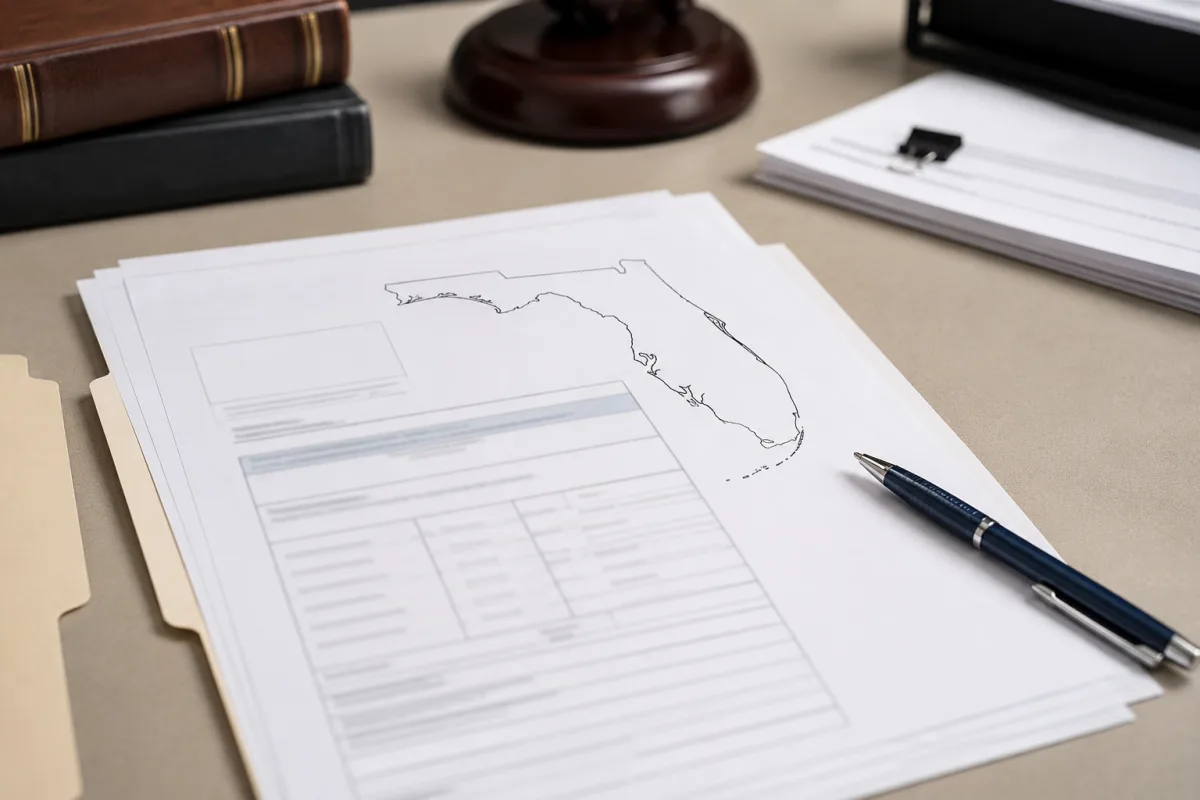
Formal administration is the fuller probate process. It is usually used when the estate is not eligible for summary administration or when a personal representative needs authority to gather and manage assets.
This process often involves a petition, court appointment, letters of administration, notice to creditors, inventory, claims handling, tax issues, sale or transfer of assets, accounting, and discharge.
Summary Administration
Summary administration is a shorter process for qualifying estates. Florida Courts says Florida law has formal administration, summary administration, and a non-court supervised process called disposition without administration.
The Florida Courts probate help page is a good official overview before comparing forms or fees.
Disposition Without Administration
Disposition without administration may apply in narrow situations, often when estate assets are very limited and tied to funeral or final medical expenses.
Families should not assume this path applies just because the estate looks small. Court clerk instructions and state law decide whether it is available.
Starting The Case
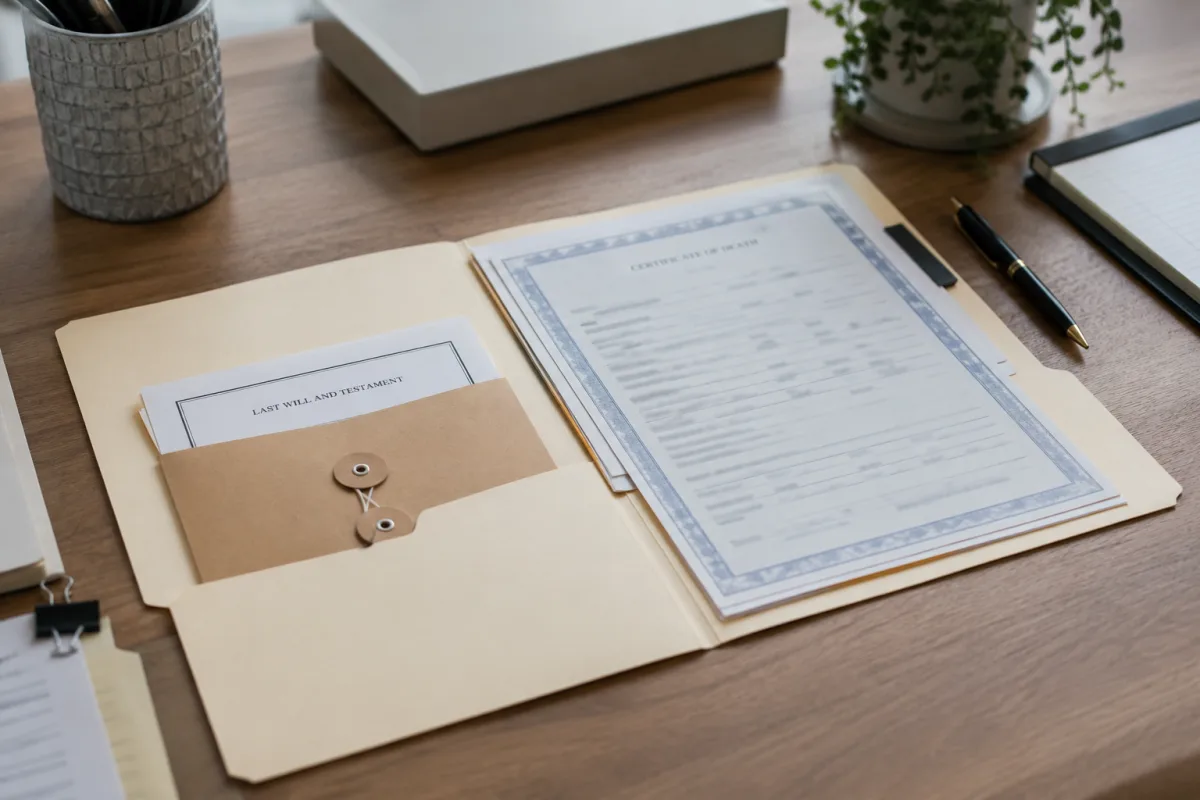
The usual starting point is filing a petition in the proper Florida circuit court. The filing may include a death certificate, original will if one exists, asset information, interested persons, and proposed personal representative.
Livecub's death certificate search guide may help families understand why that record matters before any court filing.
If There Is A Will
A will can name a personal representative and direct who receives property, but the court still decides whether the will is admitted and who has legal authority.
If the will is unclear, unsigned, contested, or missing required formalities, the case can become slower. Do not distribute property just because a will says who should receive it.
If There Is No Will
If there is no valid will, Florida intestacy law decides heirs. That may be different from what the family expected or what the decedent said informally.
The personal representative still needs authority, and beneficiaries may still need notice. Informal family agreement does not replace court process for probate assets.
Homestead Issues
Florida homestead property can be one of the most confusing probate topics because constitutional protections, creditor rules, spouse rights, minor children, and title questions may overlap.
A probate lawyer should review homestead early. The wrong assumption about homestead can affect sale, creditor exposure, and who receives the property.
Creditor Claims
Probate gives creditors a process to file claims and gives the estate a process to object or pay valid claims. Timing matters because missed deadlines can affect rights.
Livecub's surviving spouse medical bills article is related because families often confuse estate debt, spouse liability, and personal liability.
Personal Representative Duties

A personal representative may gather assets, protect property, communicate with beneficiaries, file inventory, deal with creditors, pay expenses, and distribute property after authority is granted.
This role is fiduciary, not personal ownership. The representative should keep records and avoid mixing estate money with personal money.
Trusts And Non-Probate Assets
Not every asset goes through probate. Joint ownership, beneficiary designations, payable-on-death accounts, life insurance, retirement accounts, and trust property may pass outside the probate estate.
Livecub's trustee death property transfer guide and irrevocable living trust advantages are related, but the actual documents control.
Summary Administration Petition
Florida Statutes section 735.203 says a petition for summary administration may be filed by any beneficiary or person nominated as personal representative in the will offered for probate. See the official Florida statute page.
The statute also includes signature and verification rules. Families should read current law and local clerk requirements before filing.
When To Get Help
Get legal help if there is real estate, homestead, business ownership, creditor pressure, blended family conflict, missing heirs, out-of-state property, tax issues, or a contested will.
Livecub's estate lawyer questions can help prepare for the first call so the lawyer gets a clear timeline and document list.
County Practice
Florida probate is handled in circuit court, but local clerk instructions, filing portals, checklists, and proposed order requirements can vary by county.
Before filing, check the county court or clerk page and confirm whether e-filing, original will delivery, or self-help forms apply.
Inventory And Accounting
In formal administration, inventory and accounting can become points of conflict. Beneficiaries may want transparency, while the representative needs enough time to gather correct numbers.
Good records reduce suspicion. Bank statements, appraisals, sale records, receipts, and correspondence should be kept from the start.
Closing The Estate
Probate does not end just because assets were gathered. The representative may need to resolve claims, distribute property, file receipts or accounting, and seek discharge.
Closing papers matter because they show the court that the representative's job is finished.
Original Will
Florida courts generally need the original will, not only a copy. If the original cannot be found, the case can become more complicated and may require extra proof.
Do not remove staples, mark pages, or repair damage with tape before asking for advice. The condition of the document can matter.
Out-Of-State Decedents
Florida probate may be needed for Florida real estate even if the person lived in another state. This is often called ancillary administration.
The home-state estate and the Florida property case may need to coordinate, especially if there are creditors, taxes, or sale deadlines.
Beneficiary Communication
Beneficiaries often become anxious when they hear nothing. A personal representative should communicate through proper channels and avoid promises before debts and title questions are resolved.
Clear updates can reduce conflict, but legal notices and court filings still control the process.
Property Maintenance
During probate, someone still has to protect the house, insurance, utilities, locks, vehicles, pets, and mail. Authority to act may be limited until the court appoints someone.
Keep receipts for estate expenses. Reimbursement questions are easier when records are kept from day one.
Small Estate Does Not Mean Simple
A small estate can still be difficult if there is homestead property, a missing will, unpaid creditors, or heirs who cannot be found.
Do not judge the procedure only by dollar value. Asset type and family facts can matter as much as total amount.
Vehicles And Personal Property
Cars, boats, bank accounts, and personal property may each have their own transfer rules. Some may need probate authority while others may have title or beneficiary options.
Make an inventory before choosing a procedure. The court path should match the actual assets, not a guess.
Fees And Costs
Filing fees, publication, certified copies, attorney fees, appraisals, and property expenses can affect the estate. Ask early how costs will be paid.
If someone advances costs personally, records should show whether reimbursement is expected from the estate.
Disputes And Objections
If a beneficiary objects to the will, representative, accounting, or distribution, the estate can slow down quickly. Deadlines for objections may be short.
Do not wait until property is sold or money is distributed to ask about rights. Early advice can prevent a procedural mistake.
Frequently Asked Questions
What are the main Florida probate procedures?
The main court-supervised procedures are formal administration and summary administration. Florida also has disposition without administration for limited situations.
Do all Florida estates need probate?
No. Assets with valid beneficiary designations, joint ownership, trust ownership, or other non-probate transfer methods may pass outside probate.
What is a personal representative in Florida?
It is Florida's term for the person appointed to administer the probate estate, similar to what many states call an executor.
Can I file Florida probate without a lawyer?
Some people try, but probate can be technical. Legal help is strongly advised for real estate, homestead, creditor issues, disputes, or larger estates.
How long does Florida probate take?
It varies. Summary administration may be faster, while formal administration can take months or longer depending on assets, claims, taxes, and disputes.
Florida probate procedures are easier to understand when you separate the path, the assets, the people with authority, and the deadlines. The paperwork is only one part of the job.

Tory Stearns
Edits practical household, travel and lifestyle explainers. Claims that can change are linked to current primary or subject-authority sources.


Leave a reply
Replying to