

How to Buy Trip Insurance starts with the trip, not the policy. The right plan depends on what you paid, what can be refunded, where you are going, who is traveling, and what would hurt financially if the trip fell apart.
This is general insurance education, not financial or legal advice. Travel insurance rules, exclusions, and claims vary by plan, state, and insurer, so read the certificate before buying.
List The Trip Costs
Write down prepaid flights, lodging, tours, cruises, rental cars, event tickets, deposits, and change fees. Separate refundable costs from nonrefundable costs.
Insurance should solve a real financial problem. If most costs are refundable, you may need less cancellation coverage than the checkout page suggests.
Know What Travel Insurance Covers
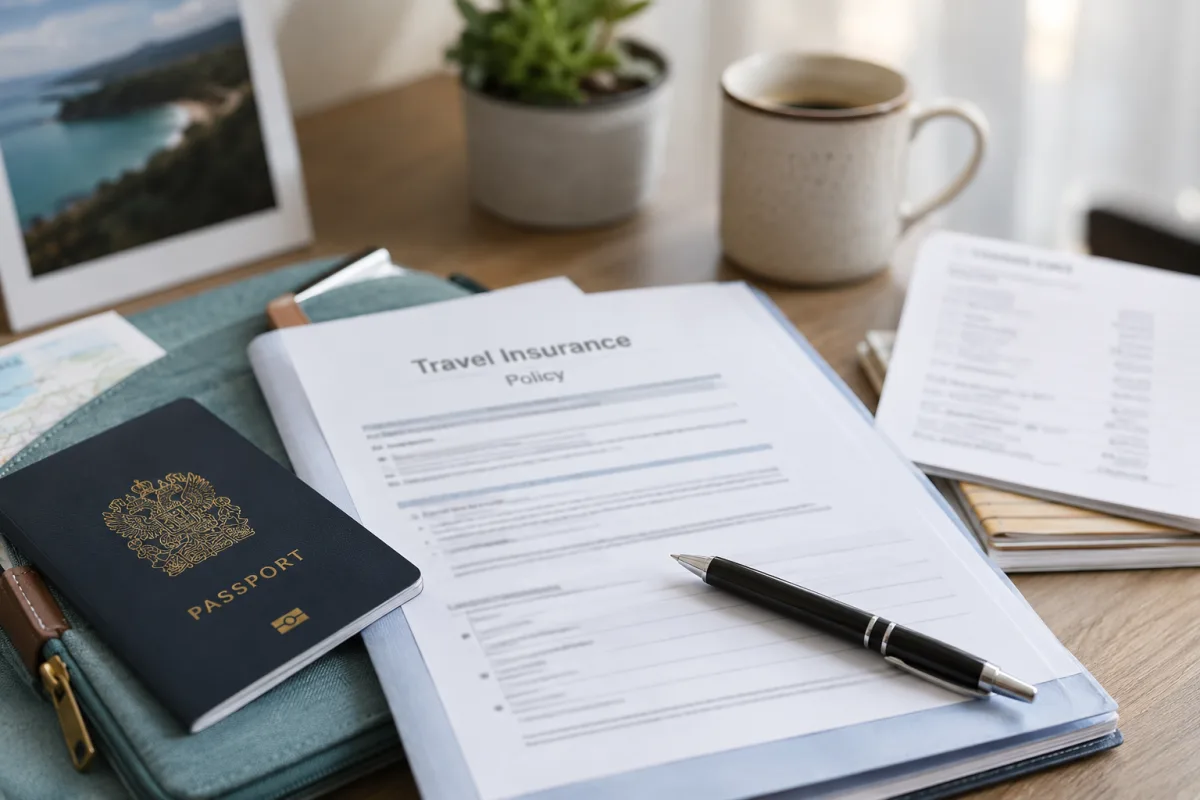
NAIC's travel insurance topic page explains that policies can include trip cancellation, trip interruption, medical, evacuation, baggage, and other coverages. See NAIC on travel insurance.
Do not assume one plan includes every category. A cheap plan may be mainly baggage or accidental death coverage, while a broader plan may include medical and interruption benefits.
Buy At The Right Time
Some benefits require buying within a short window after the first trip payment. This can affect pre-existing condition waivers, cancel-for-any-reason options, and supplier default coverage.
If you wait until bad weather, illness, or family problems appear, the event may already be known and excluded.
Compare Exclusions

Exclusions matter as much as benefits. Look for pre-existing conditions, fear of travel, government restrictions, pregnancy, adventure sports, alcohol-related incidents, and supplier problems.
Livecub's fixed annuity versus fixed index annuity article is a different finance topic, but the same lesson applies: definitions control the product.
Check Medical Coverage
Domestic travelers may rely on regular health insurance, but international trips can be different. Ask about emergency medical treatment, evacuation, preauthorization, and payment timing.
Medical evacuation can be expensive. If you are traveling far from care, this benefit may matter more than baggage coverage.
Review Airline Refund Rights
Trip insurance is not the same as airline refund rights. DOT explains that consumers are entitled to refunds when an airline cancels or significantly changes a flight and the consumer chooses not to travel. See DOT's refunds guidance.
A policy may cover expenses the airline does not, but do not pay for insurance because you misunderstand a refund you already have.
Use A Real Quote
Enter correct ages, residence state, trip dates, destination, and prepaid cost. Changing the trip cost can change premium and eligibility.
Do not round wildly. Insuring too little can reduce reimbursement; insuring too much can waste premium.
Read The Certificate
The marketing page is a summary. The certificate or policy explains covered reasons, exclusions, time limits, claim documents, and appeal rights.
Search the document for cancellation, interruption, medical, pre-existing, baggage, delay, and refund. If a word matters to your trip, find it before you buy.
Ask Before Buying Add-Ons
Checkout screens often offer trip protection quickly. Slow down and ask who underwrites the plan, what it covers, and whether it is insurance or a different protection product.
NAIC's travel insurance consumer guide notes that coverage has limitations and exclusions.
Think About Family Money
Trip insurance is part of a larger household risk plan. Emergency savings, refundable bookings, and clear records can reduce what you need insured.
Livecub's kids and money guide can help families think about planning habits, while checking savings bond value is another record-keeping finance task.
Save Documents

Keep receipts, cancellation policies, medical records if relevant, airline notices, tour terms, and the policy certificate. Claims depend on dates and proof.
Put the policy number and emergency assistance number somewhere available offline. A policy buried in email may be hard to find during travel.
Use The Free Look
Many plans offer a short review period after purchase. Use it. Read the certificate and cancel if the policy does not fit the trip.
Do not wait until the review period ends to discover the plan excludes the exact risk you cared about.
When Not To Buy
You may skip trip insurance for low-cost, fully refundable, close-to-home travel if a loss would not hurt. Insurance is not a moral requirement.
You may want stronger coverage for international trips, cruises, expensive tours, older travelers, medical risk, tight connections, or nonrefundable bookings.
Make The Decision
Choose the plan that matches your real risks: cancellation, medical, evacuation, delay, baggage, or supplier problems. Then write why you chose it.
A written reason keeps you from buying the plan with the flashiest checkout button instead of the one that fits the trip.
Pre-Existing Conditions
If anyone traveling has a medical condition, read the pre-existing condition language before buying. Waivers may require early purchase, full trip-cost insurance, and medical ability to travel on the purchase date.
A plan that looks strong for baggage may be weak for medical history. Ask the insurer to point to the exact waiver wording.
Cancel For Any Reason
Cancel-for-any-reason coverage is not the same as standard cancellation. It usually costs more, has deadlines, and reimburses only a percentage of the insured trip cost.
Buy it only if the added flexibility is worth the premium and the policy rules fit your timeline.
Supplier And Tour Rules
Cruise lines, tour operators, and vacation rentals often have their own cancellation schedules. Put those dates beside the insurance purchase deadline.
If supplier penalties rise from 25 percent to 100 percent on a certain date, that date should shape your coverage decision.
Claims Contact Plan
Save the assistance phone number, claim website, and policy number offline. If you need help abroad, you may not have time to search an inbox.
Give a copy to a trusted person at home if the trip is long or medically complicated.
What Insurance Cannot Fix
Insurance cannot make a bad itinerary easy, guarantee airline behavior, remove all documentation requirements, or cover every reason you change your mind.
Use refundable bookings and realistic scheduling along with insurance rather than expecting the policy to carry every risk.
After You Buy
Check names, trip dates, destination, insured cost, and contact information. A typo can slow a claim or emergency assistance.
If anything is wrong, contact the insurer during the review period while changes may still be simpler.
Travel Companions
If one traveler's illness or emergency could cancel the trip for everyone, check how the policy defines traveling companion and family member.
A policy may treat a spouse, child, business partner, or non-traveling relative differently. Do not rely on common language; use the definitions section.
Adventure And Sports
Skiing, diving, climbing, racing, and remote activities can be excluded or require an upgrade. A destination with adventure marketing does not mean the standard policy covers adventure claims.
If the activity is a main reason for the trip, ask about it by name before buying.
Trip Delay Math
Trip delay coverage often starts after a waiting period and has daily or total limits. It may reimburse meals, lodging, and local transportation only with receipts.
Compare those limits with real hotel and meal prices at the destination. A low daily limit may not go far in an airport city.
One Policy Or Separate Policies
Families may buy one policy together or separate policies for different needs. Separate policies can make sense when travelers have different medical histories, trip dates, or costs.
Ask how claims work if only one traveler cancels or returns home early.
Policy Versions
If you compare quotes on different days, save the policy version or certificate. Terms can differ by state, date, and plan level.
Use the document attached to your purchase, not a later sample certificate, when checking claim language.
Group Trips
For group trips, one person's needs may not match the group's cheapest option. Older travelers, medical history, and nonrefundable side trips can change the decision.
Let each household review its own risk instead of assuming the group plan fits everyone.
Frequently Asked Questions
When should I buy trip insurance?
Often soon after the first trip payment, especially if you need time-sensitive benefits.
How much trip cost should I insure?
Usually the prepaid, nonrefundable cost you would lose, but policy rules can vary.
Is travel insurance required?
Usually no. It is optional unless a tour, visa, or destination requires coverage.
Does trip insurance cover any cancellation?
No. Standard plans cover listed reasons; cancel-for-any-reason coverage is separate and limited.
Should I buy at checkout?
Only after reading who provides the coverage, what it includes, and what it excludes.
Buy trip insurance by matching the plan to real prepaid risk, medical exposure, refund rights, exclusions, timing rules, and the documents you can provide during a claim.

Tory Stearns
Edits practical household, travel and lifestyle explainers. Claims that can change are linked to current primary or subject-authority sources.




Leave a reply
Replying to