

How to Calculate Coverage for Renter's Insurance means estimating what it would cost to replace your belongings, then choosing liability, loss-of-use, and deductible settings that match your risk and budget.
This is general insurance education, not financial advice. Renters policies vary by insurer and state, so read the policy and ask a licensed agent or your state insurance department about specific coverage.
Know The Main Parts
NAIC explains that renters insurance commonly includes personal property and liability coverage on its renters insurance consumer page. Many policies also include loss of use and medical payments to others.
Coverage is not just one number. Personal belongings, liability, temporary housing, deductibles, and special limits all matter.
Inventory Every Room
Walk through each room and list furniture, clothing, electronics, kitchen items, bedding, tools, hobby gear, baby items, books, and storage items.
Use photos or video. Open drawers and closets. A fast video is better than relying on memory after a fire or theft.
Estimate Replacement Cost
For each item, estimate what it would cost to buy a similar new item today. That is different from what you paid years ago or what the item would sell for used.
Virginia SCC notes that actual cash value pays depreciated value, while replacement cost coverage pays to replace without depreciation, usually at higher premium.
Actual Cash Value
Actual cash value may be cheaper, but a worn couch, old laptop, or used clothing may be valued far below replacement cost.
If a loss would leave you unable to replace basics, compare the cost of replacement cost coverage.
Special Limits
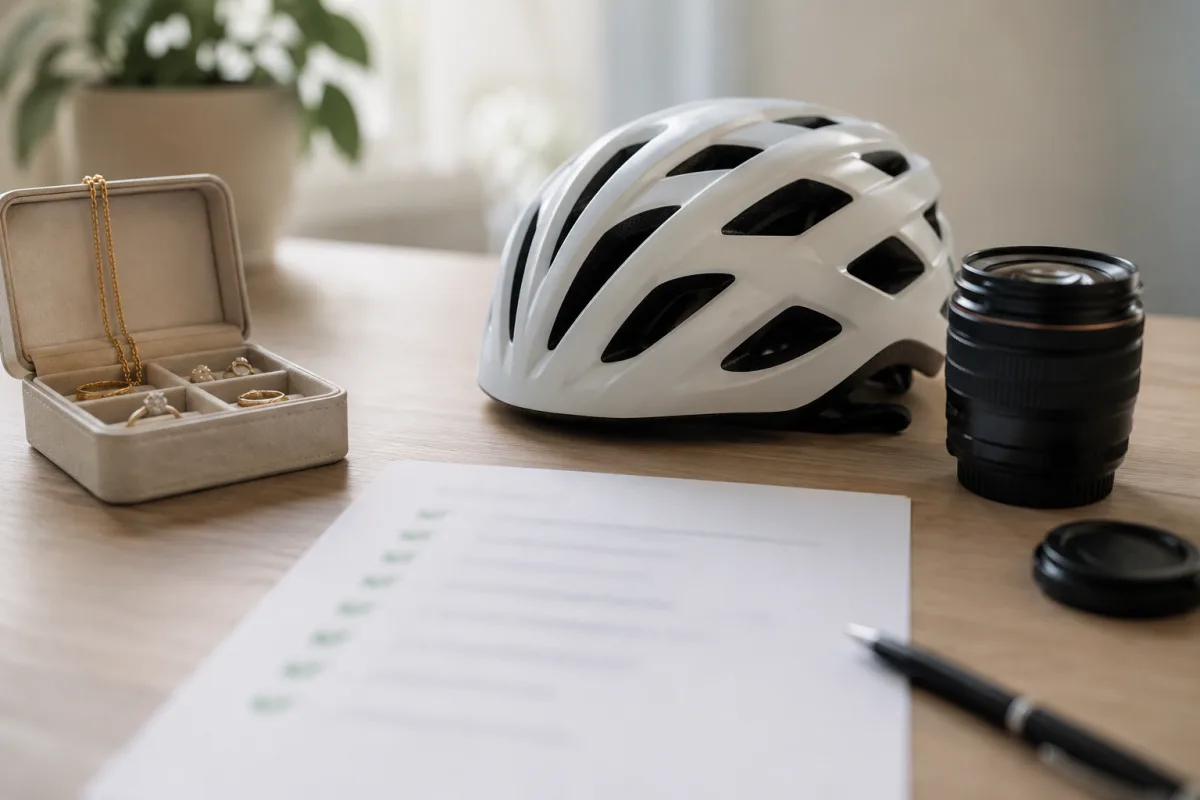
Jewelry, bikes, musical instruments, cameras, collectibles, business equipment, and cash may have special sublimits. A policy can have enough total coverage and still underpay for one category.
Ask about scheduled property or endorsements for expensive items. Keep receipts and appraisals when needed.
Liability Coverage
Liability coverage can help if someone is injured in your rental or you accidentally damage someone else's property. Limits vary.
Do not choose liability only by guessing. Think about visitors, pets, parties, children, and the chance of a claim that reaches beyond your belongings.
Loss Of Use
Loss of use, also called additional living expense, can help pay extra costs if a covered loss makes the rental unlivable.
Texas Department of Insurance explains renters insurance basics including personal property, additional living expenses, and personal liability.
Deductibles
A higher deductible can lower premium, but it also means more out of pocket during a claim. Choose a deductible you could actually pay on a bad week.
If the deductible is too high for your emergency savings, the policy may feel cheaper until you need it.
Check Exclusions
Renters insurance often excludes or limits flood, earthquake, pests, wear and tear, roommate property, and some business losses.
Ask what is not covered. The missing coverage is often where claim frustration begins.
Roommates
A roommate's belongings usually are not automatically covered by your policy unless the policy says so. Each renter may need separate coverage.
Do not assume one policy covers everyone because you split rent. Ask the insurer directly.
Use A Total
Add the replacement estimates, then round up enough to avoid being short after price changes. Review once a year or after major purchases.
If you teach children money basics, Livecub's kids and money guide can pair with family inventory habits.
Financial Records
Keep insurance inventory, receipts, policy declarations, and financial records in cloud storage or a safe place outside the rental.
If you are also tracking savings products, Livecub's savings bond value guide is a separate household finance task.
Compare Other Products
Do not confuse renters insurance with investments or annuities. Renters coverage protects against certain losses; it is not a savings plan.
For a different finance topic, Livecub's fixed annuity versus fixed index annuity article explains how insurance-linked financial products can differ.
Recalculate After Life Changes
Recalculate after moving, buying furniture, getting a pet, working from home, getting engaged, or adding expensive equipment.
A policy that fit your first apartment may not fit the next one.
Start With Categories
If a room-by-room list feels too big, start with categories: electronics, furniture, clothing, kitchen, bedding, sports gear, tools, and valuables.
Estimate each category, then add detail for high-value items. A rough inventory can be improved later; no inventory leaves you guessing.
Photograph Serial Numbers
For electronics, bikes, instruments, and tools, photograph serial numbers when possible. Store the photos somewhere you can reach after a theft or fire.
Serial numbers can help police reports, claims, and proof of ownership.
Think Beyond The Apartment
Some renters policies may cover belongings away from home, but limits and exclusions apply. Ask about items stolen from a car, storage unit, school, or travel bag.
Do not assume the policy follows every item everywhere. The wording decides.
Add Inflation Room
Prices change. A couch, laptop, or mattress may cost more to replace now than when you bought it. Build a little room into the personal property limit.
Reviewing once a year helps the number stay tied to real prices.
Pet And Guest Risk
Pets, guests, parties, and children can affect liability risk. Ask how the policy treats dog bites, excluded breeds, home businesses, and frequent visitors.
Liability coverage is easy to ignore because it is not visible like furniture, but a claim can be much larger than a stolen laptop.
Ask The Agent
Bring your inventory total, deductible comfort level, and special items to the agent. Ask them to show where each concern appears in the policy.
A good answer points to policy language, not only a sales summary.
Storage Units
If you keep belongings in a storage unit, ask if the renters policy covers them and whether a lower limit applies. Storage facilities may also offer separate coverage.
List stored items in the same inventory. People often forget seasonal gear, tools, documents, and older electronics until after a loss.
Business Property
Work-from-home equipment may have limited coverage, especially if it is used for a business. Ask about computers, inventory, samples, and client equipment.
If your employer owns the laptop, ask both the employer and insurer how damage or theft would be handled.
Water Damage
Renters policies may treat water damage differently depending on the source. A burst pipe, sewer backup, flood, and seepage can fall under different rules.
Ask about water backup endorsements and flood insurance if your location has risk. Do not assume every water event is treated the same.
Proof After A Loss
After a loss, insurers may ask for receipts, photos, model numbers, police reports, repair estimates, or proof that you owned the item.
This is why the inventory matters. It gives the claim a starting point when memory is stressed and belongings are gone.
How To Round The Number
If your inventory total is close to a coverage level, consider rounding up rather than buying the exact number. Replacement prices, taxes, and forgotten items can push the real need higher.
Balance the higher limit against premium cost. The right number is one you can afford and defend with your inventory.
Policy Declarations
The declarations page shows limits, deductibles, endorsements, named insureds, address, and premium. Read it after every renewal.
If the address, name, deductible, or coverage limit is wrong, fix it before a claim forces the issue.
Renewal Review
At renewal, compare last year's inventory with current belongings. Add new furniture, electronics, hobby gear, and valuables.
Also remove items you no longer own so the inventory stays useful instead of becoming an old wish list.
Claims Service
Price matters, but claims service matters too. Check complaint information through your state insurance department when available.
A cheap policy that is hard to use during a loss may not be the best deal for your situation.
Frequently Asked Questions
How much renters insurance do I need?
Start with a room-by-room replacement cost inventory, then add liability and loss-of-use needs.
Is replacement cost better than actual cash value?
Replacement cost usually pays more after a loss, but it may cost more in premium.
Does renters insurance cover roommates?
Usually not automatically. Roommates often need their own policies.
What items need extra coverage?
Jewelry, bikes, cameras, instruments, collectibles, and business gear may need endorsements.
How often should I update coverage?
Review yearly and after major purchases, moves, pets, or household changes.
Calculate renters insurance coverage by building a real inventory, checking replacement cost, reviewing special limits, choosing liability carefully, and reading exclusions before a loss.

Timothy Davidson
Edits step-by-step general-interest guides for clarity, realistic limits and source verification.




Leave a reply
Replying to