
How to Invest in Tax Free Municipal Bonds starts with taxes, but it should not end there. Tax-free income can be attractive, especially for higher-income investors, yet the right bond still depends on credit quality, maturity, price, call terms, and your cash needs.
This is general finance and tax education, not investment or tax advice. Municipal bond tax treatment depends on federal law, state residency, AMT exposure, issuer conduct, and your own return. Confirm details with a qualified adviser.
What Municipal Bonds Are
Municipal bonds are debt issued by states, cities, counties, or public authorities. Investors lend money and receive interest, with principal due at maturity if the issuer pays as promised.
Investor.gov explains that municipal bond interest is generally exempt from federal income tax and may also be exempt from state or local tax for residents.
Credit Risk
Municipal bonds are often viewed as conservative, but they are not risk-free. Issuers can face budget strain, pension pressure, population decline, project failure, or revenue shortfalls.
SEC investor material on municipal bond credit risks encourages investors to assess the issuer and bond type.
General Obligation And Revenue Bonds
General obligation bonds are backed by the issuer's taxing power. Revenue bonds depend on income from a project or system, such as toll roads, hospitals, or utilities. The risk profile is different.
Do not treat all munis as the same because the word municipal appears in the name.
Interest Rate Risk
Bond prices usually fall when interest rates rise. If you hold to maturity and the issuer pays, price swings may matter less. If you sell early, market price matters a lot.
Livecub's T-bill sale before maturity article explains the same price-yield tension in another bond context.
Call Risk
Some municipal bonds can be called before maturity. If rates fall, the issuer may redeem the bond and you may have to reinvest at lower yields. A high coupon can disappear sooner than expected.
Read call dates and call prices before buying.
Tax Risk
Tax-free does not always mean tax-free for every person. State taxes, local taxes, alternative minimum tax, capital gains, and Social Security taxation can complicate the picture.
For bond math, Livecub's bond calculator guide may help with yield inputs.
Liquidity
Some municipal bonds trade rarely. Selling before maturity may involve a wider spread or a lower price than expected. Bond funds offer easier trading but bring fund price movement.
Ask how easy the bond is to sell and what markups or fees apply.
Diversification
Owning one local issuer creates concentration risk. Funds and ladders can spread risk, but they also add fees, manager choices, and market movement.
For general Treasury context, Livecub's U.S. Treasury bond article can help compare issuer types.
Read The Official Statement
The official statement explains the issuer, purpose, revenue source, risks, call features, and financial details. It is not light reading, but it is the core document.
If you cannot understand the risk, ask a qualified adviser before buying.
Tax-Equivalent Yield
A taxable bond with a higher stated yield may or may not beat a tax-free municipal bond after tax. Tax-equivalent yield helps compare. Your tax bracket and state matter.
Livecub's $100 Treasury bond article can help readers compare small fixed-income choices.
Use Official Tools
EMMA, from the Municipal Securities Rulemaking Board, provides municipal disclosures, trade data, and official statements. Broker screens are not the only source.
FINRA notes that municipal securities often trade in minimum increments and pay interest semiannually in its municipal securities overview.
Ask Before Buying
Ask about credit rating, call date, maturity, yield to worst, tax status, issuer, fees, liquidity, and why this bond fits your time horizon. Write the answers down.
If the answer is only because it is safe, keep asking.
Choose Direct Bonds Or Funds
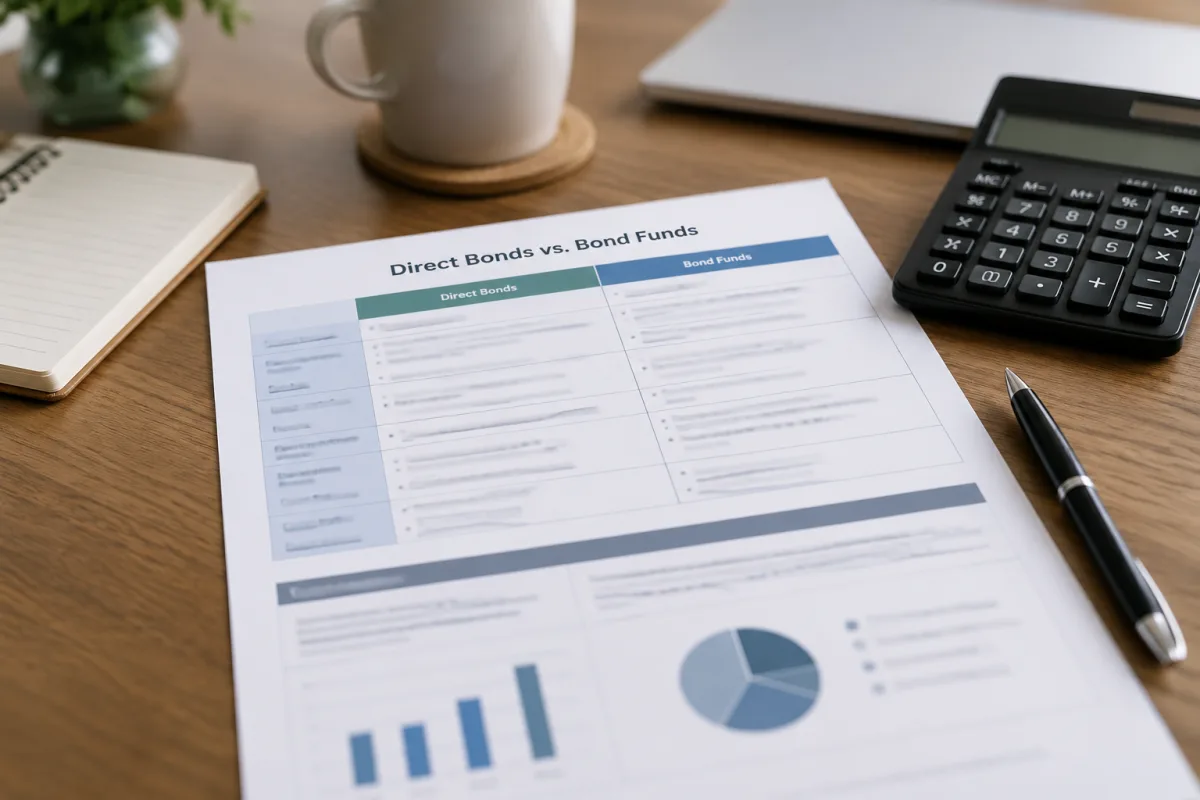
Direct bonds give more control over maturity and issuer, but require research and enough money to diversify. Mutual funds and ETFs offer diversification but fluctuate in price and charge expenses.
Choose the structure before chasing yield.
Match Maturity To Purpose
Money needed soon should not be locked into a long bond just for yield. A ladder can spread maturity dates. Funds do not mature the same way individual bonds do.
Your time horizon should lead the investment choice.
Compare After-Tax Yield
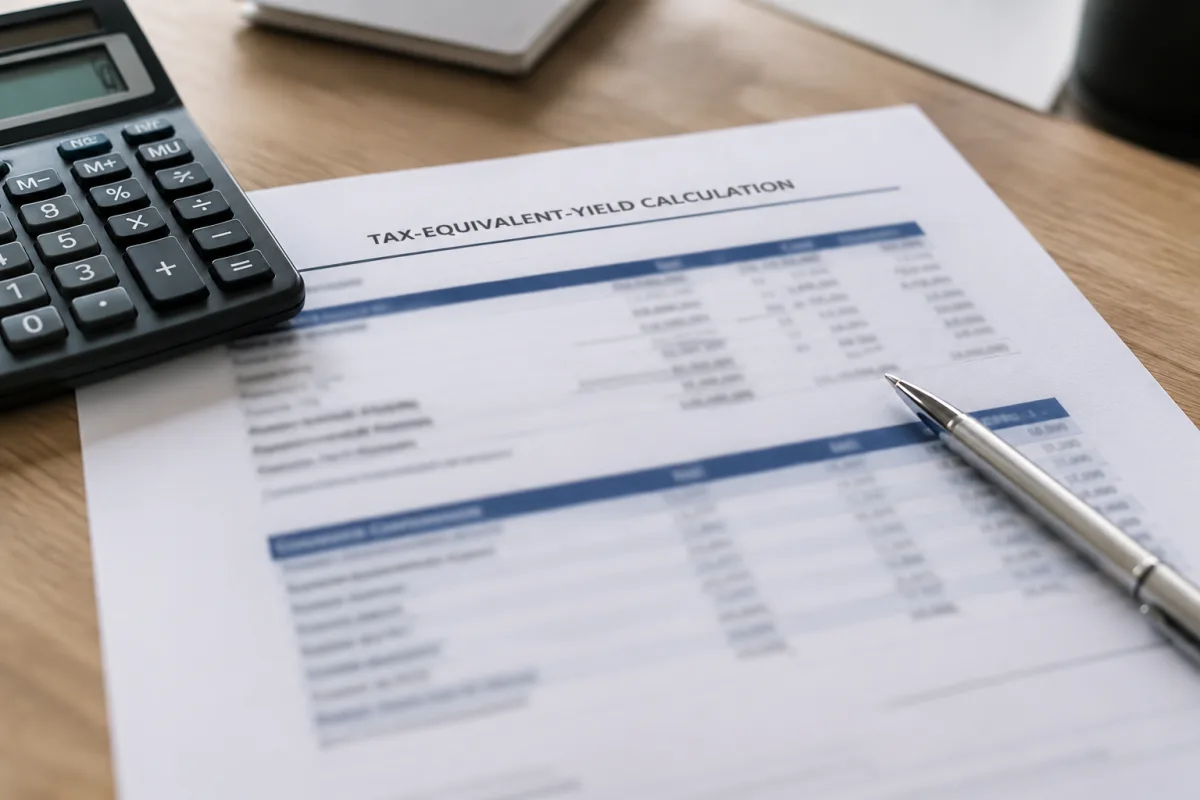
Tax-free yield should be compared with taxable alternatives using tax-equivalent yield. A lower nominal muni yield may beat a taxable bond for some investors, but not all.
High-income investors may benefit more, while lower brackets may prefer taxable options.
Check AMT And State Rules
Some private activity bonds may be subject to alternative minimum tax. Out-of-state bonds may not be exempt from your state tax. Capital gains are usually taxable.
Tax-free is shorthand, not a promise that no tax issue exists.
Avoid Yield Chasing

A high muni yield may signal credit risk, long maturity, call complexity, or poor liquidity. Ask why the yield is higher before buying.
If you cannot explain the extra yield, do not treat it as free money.
Reinvest Interest
Decide whether interest will be spent, saved, or reinvested. Income investors often want cash flow; accumulators may prefer reinvestment. Taxes and account type matter.
Keep records of purchases, sales, interest, and premiums or discounts.
Ratings Are Not Enough
Credit ratings can help, but they are not guarantees. Ratings can change, and some risks may not show in a simple letter grade. Read recent disclosures and understand the issuer's revenue source.
A rating is a starting point, not the full decision.
Premium And Discount Bonds
A bond priced above par has a premium; below par has a discount. Premiums, discounts, and yields affect return and tax reporting. Do not judge a bond only by coupon.
Ask for yield to maturity and yield to worst.
Fees And Markups
Municipal bonds may include broker markups or markdowns. Funds charge expense ratios. Fees reduce return, especially on smaller purchases.
Ask how the broker is paid and compare trade prices where possible.
Emergency Cash First
Municipal bonds are not a substitute for emergency cash. Selling early can be costly or inconvenient. Keep near-term spending in safer liquid accounts before buying long bonds.
Investment money and bill money should not be confused.
Reinvestment Risk
Interest and matured principal must be reinvested. If rates fall, new bonds may pay less. A ladder can reduce timing risk but does not remove it.
Plan what happens after each maturity.
Concentration In Home State
Buying in-state bonds may help state tax treatment, but it can concentrate risk in one state's economy or budget. Balance tax benefit with diversification.
Tax savings should not be the only lens.
Use EMMA
MSRB's EMMA site provides official statements, trade data, and continuing disclosures. Review it before buying individual bonds, especially if the issuer or project is unfamiliar.
A broker quote should not be your only source.
Account Placement
Municipal bonds are often held in taxable accounts because their tax benefit can be wasted inside tax-advantaged accounts. Your situation may differ, especially with state taxes and goals.
Ask a tax adviser before making account-location decisions.
Use A Written Plan
A written plan keeps the next step out of memory. For a baby, it may be a sleep log. For an estate, it may be a court checklist. For bonds, it may be a buy worksheet. The form matters less than the habit of writing facts down.
Writing reduces arguments because everyone can see the same baseline.
Ask Before Acting
Some actions are hard to undo: changing a sleep plan during illness, marking a will, distributing estate property, or buying a long bond. Ask the right professional before the irreversible step.
A short question early can prevent a long repair later.
Review After Two Weeks
Give most plans a review window. Two weeks can show whether a sleep pattern, probate task list, or bond decision needs adjustment. If new warning signs appear, do not wait for the review date.
The review should update the plan, not punish the person who made it.
Keep Pressure Low
Pressure makes tired parents, grieving families, and investors rush. Lower the temperature by naming facts, deadlines, and choices. A calm process usually produces better decisions than a dramatic deadline invented by someone else.
Real deadlines still matter; fake urgency does not.
Frequently Asked Questions
Are municipal bonds really tax free?
Often federal income tax free, but state tax, AMT, and capital gains can still matter.
How do I buy them?
Through brokers, funds, ETFs, or advisers, depending on research ability and diversification needs.
What is tax-equivalent yield?
A way to compare tax-free yield with taxable bond yield after considering your tax bracket.
Are muni funds safer than individual bonds?
Funds diversify but their prices move and they do not mature like individual bonds.
What should I check first?
Issuer credit, maturity, call terms, tax status, yield to worst, fees, and liquidity.
The Practical Takeaway
Invest in tax free municipal bonds by comparing after-tax yield, checking issuer credit, matching maturity to cash needs, reading call terms, and choosing direct bonds or funds with tax advice.

Patrick Harwood
Edits sports, consumer-finance and general legal explainers. Regulated or time-sensitive topics link to primary sources and are not professional advice.




Leave a reply
Replying to