How to Budget for a Baby: Complete Financial Planning Guide 2026
Welcoming a new baby into your family is one of life's greatest joys, but it also comes with significant financial responsibilities. Understanding how to budget for a baby is essential for every parent who wants to provide the best care while maintaining financial stability. Whether you're preparing for your first child or adding to your growing family, this complete guide will help you handle the financial space of parenthood and make informed decisions about your baby budget.
The cost of raising a child has increased substantially, and having a clear budget in place can help you manage expenses effectively and avoid unexpected financial stress. From prenatal care to the first year of your baby's life, there are numerous expenses to consider, and knowing what to expect will help you to make smart financial choices for your family's future.
Understanding the Total Cost of Baby's First Year
The first year of your baby's life is one of the most expensive periods of parenthood. According to recent data, families can expect to spend between $12,000 to $18,000 in the first year alone, depending on various factors such as location, childcare needs, and lifestyle choices. This includes essential expenses like healthcare, feeding supplies, clothing, and nursery setup.
When budgeting for your baby, it's crucial to break down expenses into categories so you can identify areas where you can save money and allocate your resources wisely. The total cost includes both one-time setup expenses and recurring monthly costs. Understanding these different types of expenses helps you create a more realistic and manageable budget that fits your family's financial situation.
The financial impact of having a baby extends beyond just buying supplies and equipment. You need to consider lost income if one parent takes parental leave, increased utility bills, and higher insurance premiums. Some of these costs are temporary, while others will continue throughout your child's upbringing.
By understanding the full picture, you can plan accordingly and ensure that your family's financial foundation remains strong during this major life transition.
Breaking Down Essential Baby Expenses
Diapers and Diaper-Related Products
Diapers are one of the most consistent and unavoidable expenses in your baby budget. On average, a baby uses between 6 to 12 diapers per day, which translates to approximately 2,000 to 3,000 diapers per year. At an average cost of $0.25 per diaper, this alone can amount to $500 to $750 annually for disposable diapers.
Beyond diapers themselves, you'll also need to budget for diaper creams, wipes, and moisture-proof diaper pails. Many parents spend an additional $50 to $100 per year on these supplementary diaper products. If you choose to use cloth diapers instead, your initial investment will be higher (around $300 to $600), but you'll save significantly on per-diaper costs over time.
To reduce diaper expenses, consider buying in bulk from warehouse clubs like Costco or Sam's Club, which offer better per-diaper pricing. Also, store brands typically perform just as well as name brands but cost considerably less. Signing up for diaper subscription services can also provide discounts and the convenience of home delivery.
Formula and Feeding Costs
If you're formula feeding, this will be one of your largest recurring expenses. Most infants consume between 24 to 32 ounces of formula per day, and a single container typically lasts about a week or so. Monthly formula costs range from $100 to $300, depending on whether you choose standard, sensitive, hypoallergenic, or organic formulas.
Specialty formulas, such as those for lactose intolerance or sensitivities, can be significantly more expensive, sometimes reaching $400+ per month. Bottles, bottle sterilizers, and warming equipment add another $50 to $200 to your initial setup costs. For breastfeeding families, while there's no direct cost for breast milk, you may need to invest in nursing bras ($30-$50), breast pumps ($100-$400), and nursing pads ($20-$30).
As your baby grows and you introduce solid foods around six months, food costs will increase. Starting with baby cereal and pureed vegetables might only cost $20-$30 per month, but as your child eats more varied foods, this can grow to $50-$100 monthly. Planning to make your own baby food can significantly reduce these costs compared to buying commercial baby food jars.
Clothing and Footwear
Many first-time parents underestimate how quickly babies grow out of their clothing. Newborns typically wear each size for only 2-3 months before needing a larger size. A basic wardrobe for a newborn including onesies, outfits, sleepers, and outerwear costs approximately $200-$400.
As your baby grows through their first year, you'll need to purchase clothing in multiple sizes. Rather than buying extensive wardrobes in each size, experts recommend having 7-10 basic onesies and several pairs of pants or leggings per size. This strategy helps you manage costs while ensuring your baby has enough clean clothes.
Shopping during sales, using hand-me-downs from friends and family, and purchasing secondhand baby clothes can dramatically reduce clothing expenses.
Footwear for babies is another consideration. Quality baby shoes aren't essential for non-walking infants, but once your baby begins walking, expect to spend $30-$50 per pair on supportive shoes that they'll outgrow quickly. Investing in one or two quality pairs rather than numerous cheap shoes is a better strategy, as proper foot support is important for developing walkers.
Creating Your Baby Budget Template
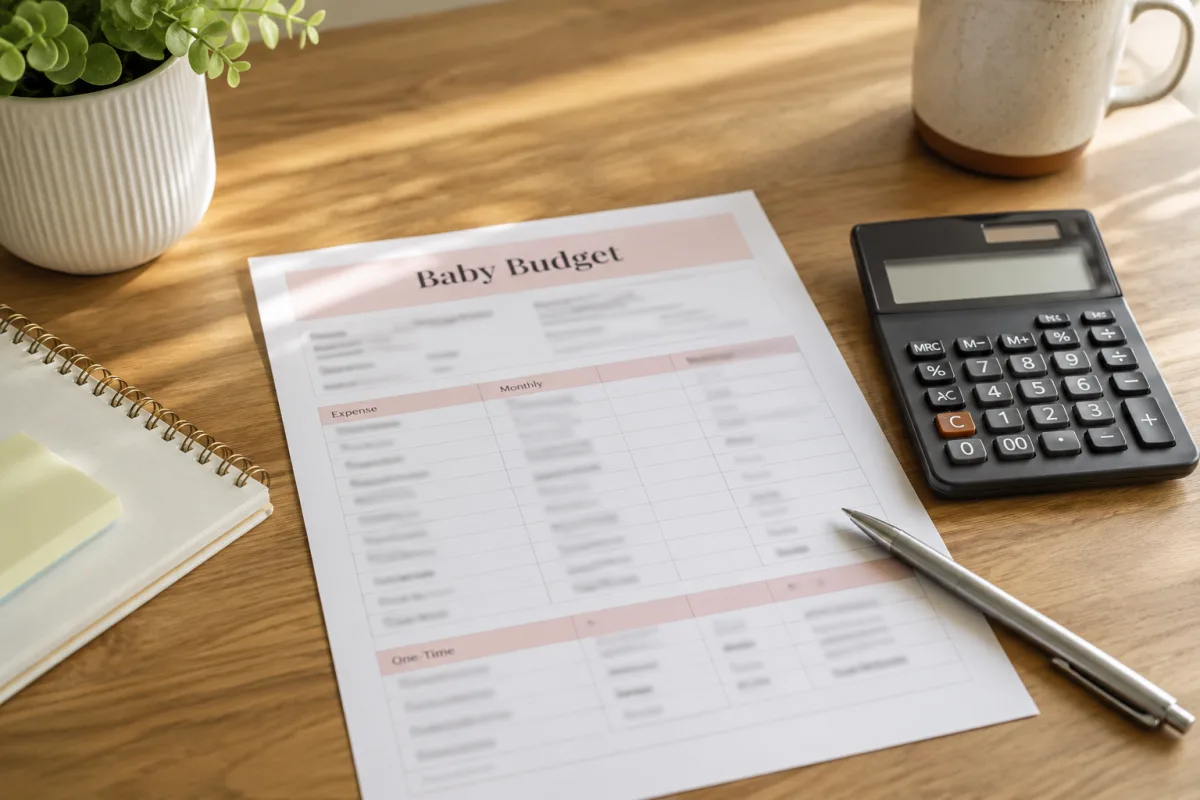
Developing a structured baby budget is one of the most effective ways to manage your finances during this significant life change. Start by listing all anticipated expenses in specific categories, then estimate costs based on your local market and personal preferences. Many parents find it helpful to create a spreadsheet that tracks both fixed monthly costs and variable expenses.
Your baby budget should include: categories such as feeding, diapers, clothing, healthcare, childcare, transportation, and miscellaneous supplies.
Review your budget monthly and adjust as needed. Many new parents are surprised by actual costs compared to their estimates, so tracking real spending helps you understand your family's true expenses. This information becomes invaluable as you plan for subsequent children or long-term financial goals.
Consider using budgeting apps like YNAB or EveryDollar that specifically support baby expense tracking and forecasting.
Childcare Costs and Planning
For families where both parents work outside the home, childcare is often the single largest expense related to having a baby. Childcare costs vary dramatically based on your location and the type of care you choose. In major metropolitan areas, full-time infant daycare can cost $15,000-$25,000 per year, while rural areas might see significantly lower costs.
Understanding your childcare options is crucial for budgeting. Daycare centers typically cost $200-$400 per week, family daycare providers charge $150-$350 per week, and hiring an in-home nanny ranges from $400-$600 per week plus payroll taxes and benefits. Some parents opt for part-time care, nanny sharing arrangements, or flexible schedules to reduce costs while maintaining employment.
Many employers offer dependent care flexible spending accounts (FSAs) that allow you to set aside pre-tax money for childcare, effectively reducing your childcare costs by your tax bracket percentage. Also, the Child and Dependent Care Credit provides a tax credit of up to $3,000 of childcare expenses for one child, which can offset some of your out-of-pocket costs.
Medical Expenses and Healthcare Planning
Medical expenses associated with pregnancy and childbirth are often substantial, though the amount you pay out-of-pocket depends heavily on your health insurance coverage. Prenatal care, delivery, and postpartum care can cost $10,000-$15,000 if uninsured, but with insurance, you typically only pay a copay and your insurance deductible.
Once your baby is born, you'll have ongoing medical expenses including wellness visits, vaccinations, and potential unexpected medical care. Most insurance plans cover well-baby visits at no cost, but you may have copays for these appointments. Vaccinations are also typically covered by insurance, though some specialty vaccines may have out-of-pocket costs.
Budget for over-the-counter medications, first aid supplies, and health products like saline drops, thermometers, and basic medical equipment. Unexpected medical expenses are inevitable, so maintaining a health emergency fund of at least $500-$1,000 is wise. Also, ensure your health insurance plan is adequate for your family's needs, as poor coverage can result in substantial out-of-pocket expenses.
Saving Strategies for Baby Expenses
Implementing effective saving strategies before and after your baby's birth can significantly ease the financial burden. Start saving as soon as you plan to have children, even if it's just $50-$100 per month. This creates a dedicated fund specifically for baby-related expenses, reducing the need to use credit cards or deplete emergency savings.
One effective strategy is to purchase baby items gradually throughout your pregnancy rather than buying everything at once. This spreads costs over several months and allows you to take advantage of sales and discounts. Attend baby showers and registry events where friends and family can help you acquire necessary items, reducing the amount you personally need to purchase.
Consider starting a 529 plan or education savings account for your child, which offers tax-advantaged growth on education expenses. Even small regular contributions can grow substantially over 18 years. If your employer offers a dependent care FSA, maximizing this benefit can save you thousands annually by reducing your taxable income while setting aside money for childcare costs.
Insurance and Protecting Your Family
Adequate insurance is a critical component of responsible baby budgeting. Life insurance becomes increasingly important when you have dependents, as your family would need financial support if something happened to you. Term life insurance is affordable and provides substantial coverage, with a 20-year term policy costing as little as $20-$50 per month for a healthy parent.
Disability insurance is another often-overlooked but crucial protection. If you become unable to work and earn income, disability insurance replaces a percentage of your income, protecting your family's financial stability. Many employers offer group disability insurance at a lower cost than individual policies, so check if this benefit is available to you.
Health insurance should be reviewed when you have a baby, as you may qualify for a special enrollment period to add your child to your policy. Medicaid and CHIP programs provide coverage for low-income families with children, ensuring your family has access to healthcare regardless of financial circumstances. Review your current coverage annually to ensure it meets your family's evolving needs.
Tax Benefits and Credits
The birth of a child opens up numerous tax benefits and credits that can significantly reduce your tax liability. The Child Tax Credit provides up to $2,000 per child under age 17, and the Additional Child Tax Credit can provide up to $1,600 as a refund. These credits directly reduce your taxes owed or increase your refund.
The Earned Income Tax Credit (EITC) provides substantial benefits for lower and moderate-income families with children. A family with one child can receive up to $3,733 in 2024, while families with three or more children can receive up to $3,888. This credit has income limits but provides valuable financial support for working families.
Also, childcare expenses may qualify for the Child and Dependent Care Credit, providing up to $3,000 of tax-favored dependent care account contributions. Adoption-related expenses, if applicable, may qualify for the Adoption Tax Credit, providing up to $14,890 per child. Ensure you're claiming all available credits by using tax software or consulting with a tax professional.
Secondhand Shopping and Money-Saving Tips
Buying secondhand baby items is one of the most effective ways to reduce baby expenses without compromising on quality. Many baby items like: clothes, toys, strollers, furniture are barely used before children outgrow them, and making secondhand options excellent value.
When buying secondhand, focus on safety standards and condition. Avoid secondhand car seats or mattresses, as these items have wear concerns or safety standards that make used options risky. However, secondhand clothing, books, toys, and furniture are perfectly safe and often cost 50-70% less than new items.
Many parents create informal clothing swap groups with friends, exchanging items as children grow.
Borrowing items you'll only use temporarily is another excellent strategy. Ask friends and family for recommendations on quality used items, and borrow special-occasion clothing or equipment you'll rarely use. Baby gear rental services also provide access to expensive items like travel systems or pack-and-plays for a fraction of the purchase price, ideal if you'll only use the item briefly.
Creating a Long-Term Financial Plan
Baby budgeting shouldn't be viewed in isolation but as part of a complete long-term financial plan. Consider how having a child affects your retirement savings, mortgage, and other financial goals. If one parent reduces work hours or leaves employment, recalculate your budget to account for reduced household income while maintaining essential savings contributions.
Establish or review your emergency fund, aiming to have three to six months of expenses available. With the added expenses of a child, this fund becomes even more critical as unexpected medical emergencies or job changes can quickly create financial stress. Prioritize building this fund before or immediately after your baby's birth.
Review and update your estate plan, including a will, guardianship designations, and life insurance beneficiaries. These documents ensure that if something happens to you, your child is provided for and cared for according to your wishes. Without proper planning, your family could face unnecessary complications and expenses during an already difficult time.
Frequently Asked Questions
Q: What is the average cost of raising a baby in the first year? A: The average cost ranges from $12,000 to $18,000 in the first year, depending on location, childcare needs, and lifestyle choices. This include: s feeding, diapers, clothing, healthcare, and equipment.
Q: How can I reduce diaper costs? A: Buy diapers in bulk from w are:
- house clubs
- choose store brands which are typically cheaper than name brands
- subscribe to diaper delivery services for discounts
- consider cloth diapers which have lower per-use costs despite higher upfront investment
Q: What tax credits and deductions am I eligible for?A: You can claim the Child Tax Credit (up to $2,000), Earned Income Tax Credit (up to $3,888 for families with three or more children), and Child and Dependent Care Credit (up to $3,000 in expenses). Consult a tax professional for your specific situation.
Q: Is formula or breastfeeding more cost-effective?A: Breastfeeding is generally more cost-effective, though it may require investing in breast pumps and accessories. Formula feeding costs $100-$300 monthly depending on the type. Both options have financial and personal considerations.
Q: How much should I budget for childcare? A: Childcare costs vary widely by location and type. Daycare centers typically cost $200-$400 per week, family daycare providers charge $150-$350 per week, and in-home nannies range from $400-$600 per week.
Q: Should I buy secondhand baby items?A: Yes, secondhand baby items offer 50-70% savings compared to new items. Focus on items like clothing, toys, and furniture. Avoid secondhand car seats and mattresses due to safety concerns. Check condition and meet safety standards.
Q: How can I make money back on baby items I no longer need?A: Sell items through Facebook Marketplace, Craigslist, eBay, or local consignment stores. Host clothing swap events with friends, or donate items for tax deductions. Many items retain 30-50% of their value.
Q: What insurance should I have as a new parent?A: Obtain term life insurance (20-50 year term), disability insurance, and review your health insurance coverage. Life insurance should cover your family's needs if something happens to you, typically 5-10 times your annual income.
Q: When should I start saving for my child's education? A: Start as early as possible. A 529 plan offers tax-advantaged growth. Even small monthly contributions grow significantly over 18 years due to compound growth. Consider contributing at least $50-$100 monthly if possible.
Q: What are the biggest unexpected baby expenses? A: Medical emergencies, larger-than-expected outgrown clothing and gear needs, increased utility costs, and health-related products are common unexpected expenses. Maintaining an emergency fund helps cover these surprises without financial strain.
Save for later
Found this helpful?
Pin this article to your Pinterest board and come back to it whenever you need a reminder.
Save to Pinterest