
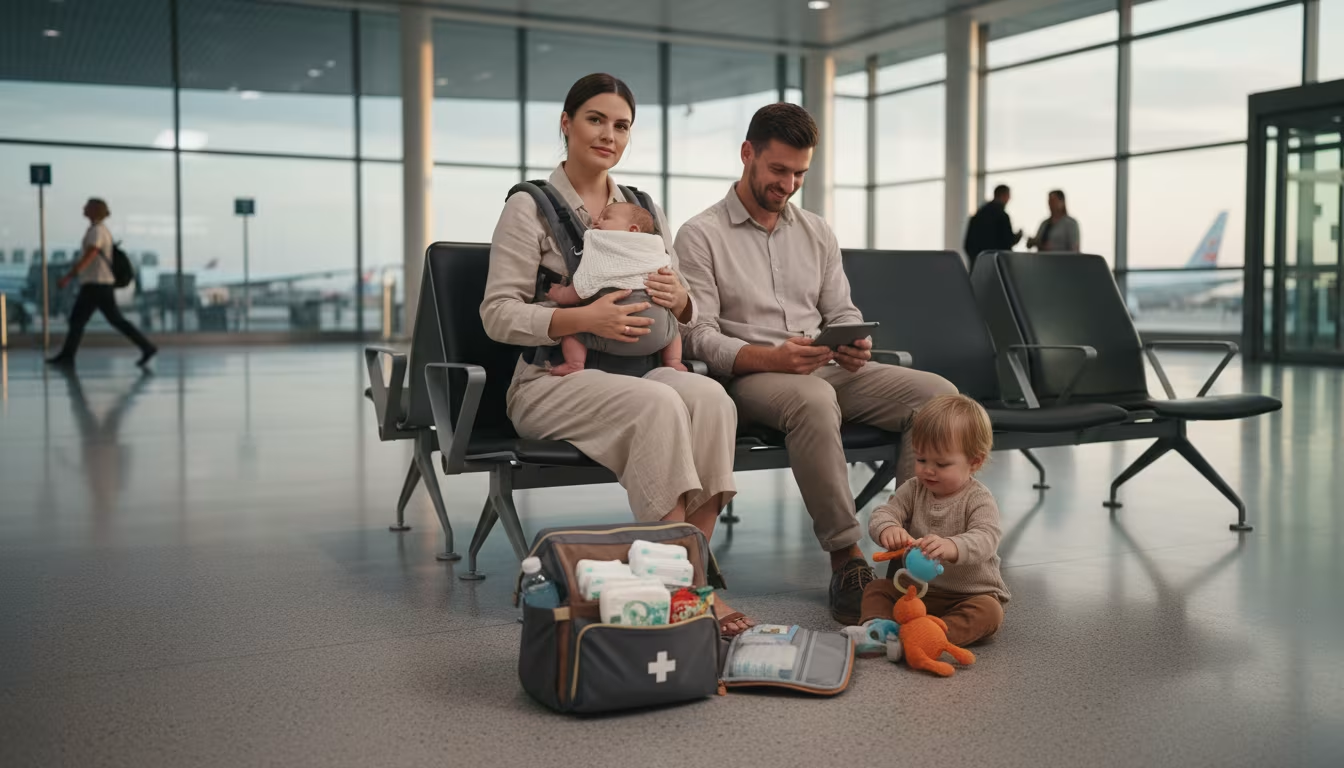
Build the trip around the baby's routine
An infant does not adjust to your itinerary, so the itinerary has to bend around the infant. Before you look at flight times or check-in hours, map the day you already know: when the baby feeds, how long naps run, how often diapers change, and when the fussy stretch tends to hit. A travel plan layered on top of that rhythm survives contact with a real day; one that ignores it collapses at the first missed nap.
Most families do best aiming for departures that fall just before a long nap window or early in the morning, when a baby is rested and the airport is quieter. Whatever you choose, decide the pace first and the sightseeing second. One anchor outing per day is plenty when feeding, changing, and settling a baby already eat several hours.
Pack for problems, not for fear
The instinct with a first baby is to bring the whole nursery. The better approach is to pack for the specific problems a travel day creates: hunger, mess, boredom, cold, and delay. Carry more diapers and wipes than a normal day needs, because a two-hour delay on the tarmac is exactly when you run out. Keep one full change of clothes for the baby and a spare shirt for whoever is holding them, since blowouts and spit-up rarely wait for a convenient moment.
| Likely problem | What to carry in the reachable bag |
|---|---|
| Hunger / feeding delay | Formula or expressed milk, bottle, extra feed, burp cloth |
| Diaper blowout | Extra diapers, wipes, changing pad, sealable bags, spare outfit |
| Delay or long wait | Comfort item, quiet toy, pacifier, small snack for older babies |
| Illness / discomfort | Infant medication as advised by your doctor, thermometer, tissues |
| Cold cabin or venue | Light layer, swaddle or blanket, hat |
Everything above belongs in one bag you can open without unpacking. Bulk supplies, the bulk of the diapers, and anything you will not need mid-transit go in a checked or larger bag.
Clear security with feeding items ready
Feeding supplies get special treatment at the checkpoint, and knowing that in advance keeps the line calm. The Transportation Security Administration allows breast milk, formula, and toddler drinks in reasonable quantities in carry-on bags, above the usual liquid limit, as explained on its breast milk and formula page. These items are screened separately, so you should remove them from your bag and tell the officer before screening begins.
Put feeding items, medication, and anything you may need to explain in one outside pocket so you are not digging through a packed bag while holding a baby and a boarding pass. A little setup before you reach the belt does more for your stress level than any gadget.
Get the car seat and stroller plan right
Ground transport at your destination deserves as much thought as the flight. Decide before you leave whether you are bringing your own car seat, renting one, or relying on a service that supplies them, and confirm it actually fits your plan rather than assuming. The Federal Aviation Administration's Kids Corner explains approved child restraint systems and the safest way to fly with an infant, including why a secured seat beats a lap hold on a plane.
Check your airline's stroller and car-seat policies too, since gate-checking a stroller, bringing an approved seat on board, and checking bulky gear all have different rules. A stroller that folds fast and clears a security belt easily is worth more on a trip than a feature-heavy model you fight with at every gate.
Protect sleep without chasing perfection
A baby will rarely sleep on the road the way they sleep at home, and expecting otherwise sets the whole trip up for frustration. Bring the familiar sleep cues you can safely reproduce, a particular swaddle, a specific sound, the usual bedtime order, and then lower your expectations for the first night in a new place. Consistency of routine helps more than trying to recreate the nursery down to the detail.
Make wherever the baby sleeps as dark and as consistent as you can manage. A portable sound machine, a travel crib you trust, and a predictable wind-down sequence do more than an elaborate setup. If sleep falls apart one night, treat it as normal rather than a sign the trip is failing; babies usually resettle once the pattern repeats for a day or two.
Where the baby sleeps also has to be safe, not only familiar. A firm, flat surface with no pillows, bumpers, or loose bedding matters as much in a hotel or a relative's spare room as it does at home, so a travel crib or bassinet you can vouch for beats improvising with couch cushions or an adult bed. If you are crossing time zones, expect the first day or two of naps and bedtimes to sit at odd hours, and let daylight and your usual routine pull the schedule back gradually rather than forcing it on the first night.
Keep each day short and reviewable
The most common way a trip with a baby goes wrong is overbooking the adult sightseeing before feeding, sleep, and diaper logistics are protected. Guard against it by watching one honest measure, feeding intervals, nap windows, or transit time between stops, and writing it down before the day starts. When you are tired and managing a fussy baby, memory is unreliable, and a number on paper keeps the plan from drifting into wishful thinking.
Keep one main outing per day and treat everything else as optional. A compact, flexible plan like a short sightseeing list is far easier to adapt around a nap than a packed schedule of timed reservations. Pause the plan entirely if the baby has a fever, feeding trouble, or an unsafe sleep setup, and check with a clinician before pushing on.
At the end of the trip, keep the packing list that worked and cross off what you never touched, while the memory is fresh. That single edited list is the real payoff: the next trip starts from experience instead of a blank page, and each journey with your baby gets a little calmer than the last.
Frequently Asked Questions
What should I pack for baby travel?
Pack by likely problems: diapers, wipes, extra clothes, feeding supplies, medicine your doctor approves, documents, and comfort items, with the essentials in one reachable bag.
Can I fly with breast milk or formula?
Yes. The TSA allows breast milk, formula, and toddler drinks in carry-on above normal liquid limits. Remove them from your bag and tell the officer before screening.
Do I need a car seat for a baby on a plane?
An approved child restraint is the safest option in the air. Check FAA guidance and your airline's policy before the trip, and confirm your ground-transport seat plan too.
How much should we plan each day?
Keep one main outing per day. Babies add hours of feeding, changing, and sleep time, so a short, flexible plan works far better than a packed itinerary.
Cashie Evans
Covers parenting and practical household topics with clear steps, safety notes and links to current guidance.



Leave a reply
Replying to