
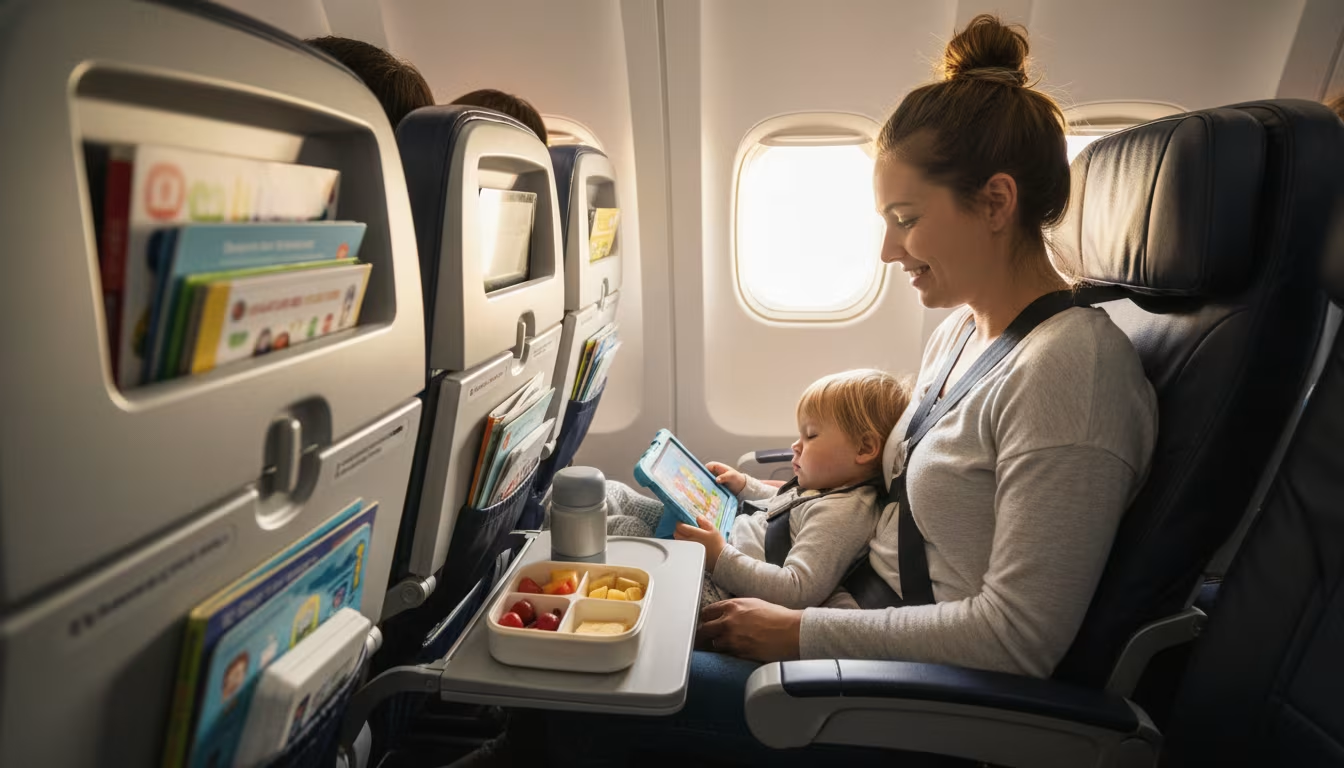
Pick the flight time your toddler can handle
The best departure is the one that fits your particular child, not the one that looks tidy on a booking screen. Some toddlers are calmest first thing in the morning, before the day has worn them down; others do better on a mid-day flight when the airport is less frantic and a nap can bridge the trip. Watch how your child usually behaves at different hours, then choose the slot that gives them the best chance rather than the cheapest fare.
Keep the flight day itself plain. Save local outings and sightseeing for after you have arrived and everyone has recovered. A toddler who is asked to travel and explore on the same day tends to unravel by the afternoon, and a light travel day protects the rest of the trip.
Know the child screening rules
Security is smoother when you know what to expect before you reach the belt. The Transportation Security Administration's page on traveling with children explains the screening support available and the procedures that apply to strollers, car seats, snacks, and comfort items. Reading it in advance means fewer surprises with a toddler already testing your patience. Children under twelve generally do not have to remove their shoes, and you can request assistance or a slower lane if your child struggles with the process.
Put anything you may need to explain or remove, feeding items, medication, a favorite toy, in one outside pocket. A prepared bag keeps you from digging through everything while a toddler stands in line losing interest by the second. Strollers and car seats are screened separately, so folding the stroller quickly and knowing it goes on the belt keeps the line moving.
Pack quiet activities in layers
The single most useful strategy on a flight is a slow drip of small novelties rather than one big bag dumped out at the gate. Assemble several tiny sets, a few stickers, a board book, headphones, a soft toy, a snack cup, one wrapped surprise, and hand them out one at a time across the flight. A new thing every twenty or thirty minutes buys far more calm than everything at once.
Choose items that do not create new problems: nothing with pieces small enough to vanish between seats, and nothing loud enough to punish the rest of the cabin. Keep the surprise item back for the final stretch, when attention is thinnest and you most need something fresh to offer.
Screens can be part of the plan, but they work better held in reserve than switched on at the gate. Download shows or games before you leave, since in-flight connectivity is unreliable, and pack toddler-sized headphones so the volume stays gentle. Treat the tablet as one of the later layers rather than the opening move; a child who starts a two-hour flight already watching a screen has nothing left to escalate to when the hard middle stretch arrives. Rotating simple, hands-on items first stretches your options much further.
Manage ears, hunger, and boredom by flight phase
Pressure changes during takeoff and descent can hurt a toddler's ears, and hunger tends to strike at the worst moment. Encouraging swallowing during climb and descent, through a bottle, sippy cup, snack, or pacifier, helps their ears equalize. The table below maps the common trouble spots to a simple response so you are not improvising while managing a distressed child.
| Flight phase | Likely issue | What helps |
|---|---|---|
| Boarding and taxi | Restlessness, waiting | Save screens; use a window view, a book, or a walk up the aisle if allowed |
| Takeoff and climb | Ear pressure | Offer a drink, snack, or pacifier so the child swallows |
| Cruise | Boredom, hunger | Rotate small activities; offer planned snacks before meltdown point |
| Descent and landing | Ear pressure returns | Another drink or snack; stay calm and close for comfort |
Do not save every snack for the moment your toddler is already upset. Offer food and drink a little before the hard phases, not after, since a hungry child in a slow line is a planning gap, not a discipline problem.
Keep the arrival day light
The flight is only half the challenge; the first day after arrival decides how the rest of the trip goes. Plan a short, forgiving first day with time to rest, eat, and reset a disrupted sleep schedule rather than rushing straight into a full itinerary. General family travel guidance from the CDC's travel health resources for children reinforces building in recovery time and keeping supplies and sleep on track during trips.
Pause and simplify whenever the plan and the child stop matching: if restraint rules are unclear, medication is missing, your toddler is unwell, or the first day is packed too tightly, ease off before a small problem grows. When a meltdown does come, lower demands, offer food or comfort, reduce stimulation, and stay calm; prevention through timing and snacks does far more than correction in the moment.
Afterward, jot down which snack, toy, seat setup, and timing actually worked, while it is still fresh. That short note is what makes the next flight easier, letting you start from what you learned instead of a blank page and turning each trip with a toddler into a slightly calmer one than the last.
Frequently Asked Questions
What should I bring for a toddler flight?
Bring snacks, water, layered quiet activities, wipes, spare clothes, comfort items, and documents. Keep the best items easy to reach and hand them out gradually.
How early should we get to the airport?
Allow more time than adult travel, especially with strollers, bags, and child screening. Rushing makes toddlers harder to help and raises the odds of a meltdown.
Do toddlers need a car seat on a plane?
An approved child restraint is the safest option. Check FAA and airline guidance for accepted seats and confirm fit before you fly.
How do I handle a meltdown?
Lower demands, offer food or comfort, reduce stimulation, and stay calm. Preventing the trigger through timing and snacks helps more than correcting after it starts.

Chiara Bradshaw
Covers education, culture and creative topics with an emphasis on readable explanations and verifiable references.



Leave a reply
Replying to