
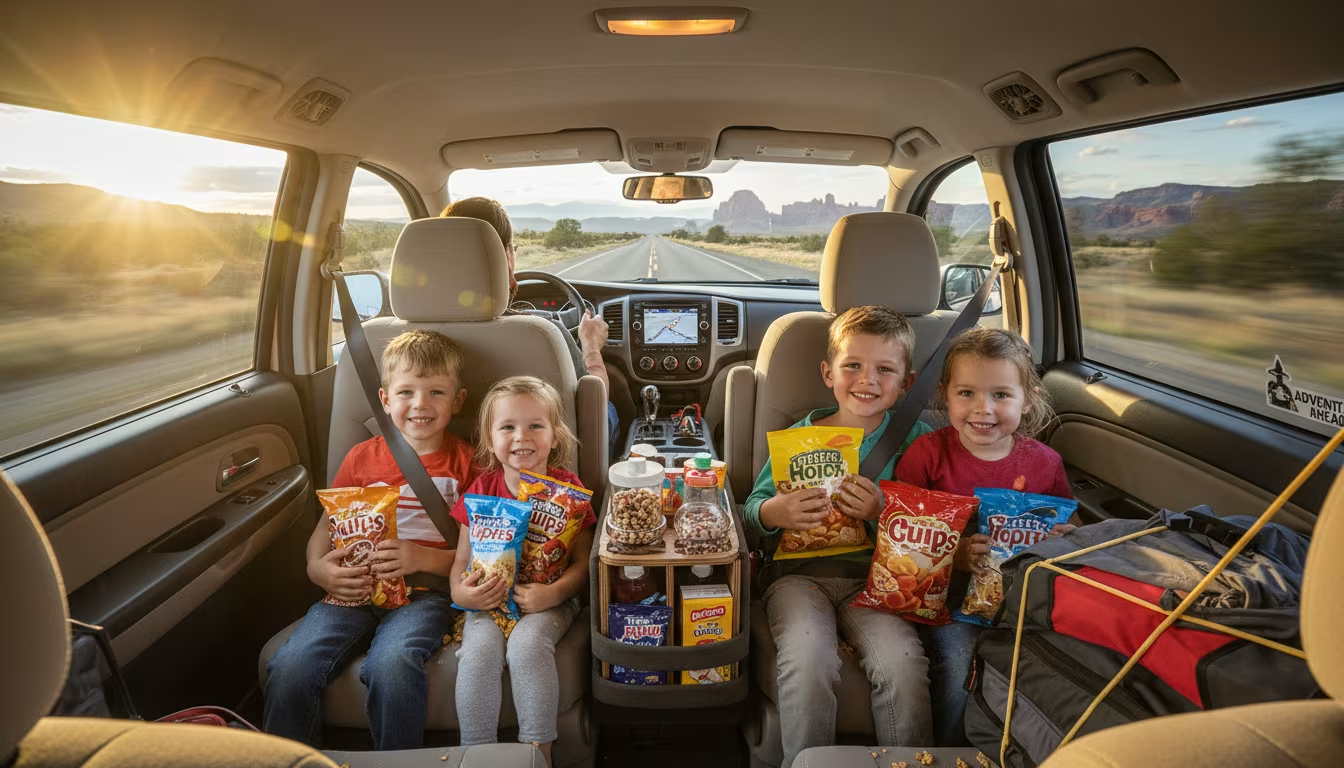
The hardest part of driving somewhere with children is never just the mileage. It is hunger, car seats, bathroom timing, boredom, motion sickness, heat, lost shoes, and the moment everyone needs a break ten miles after the last exit. A trip that works does not try to make kids behave like small adults. It is built around shorter blocks, safe restraints, reachable supplies, planned movement, and enough slack to change the next stop when the car mood turns.
Plan the day by hours, not miles
Adults tend to plan road trips by distance. Children experience them by time, discomfort, and how long it has been since they last moved. A 300-mile day can feel easy on an interstate with clean rest stops and unbearable on a winding road with no shade, no food, and a toddler who missed a nap.
Build the route in blocks. Choose likely fuel stops, bathrooms, a lunch spot, and one real movement break before you leave. Then keep a second list of optional stops for the day the car mood collapses early. Protect the first hour by starting with fed children, empty bladders, full water bottles, and the most likely comfort items within reach.
Check car seats before travel day
Car seat problems are far harder to fix in a hotel parking lot than at home. Before the trip, confirm that each child has the right seat or booster, that the strap or belt fit is correct, and that any rental or rideshare plan does not leave you guessing. If children have grown since the last long drive, recheck the fit.
NHTSA's car seat and booster seat guidance is a better reference than using age alone, since it sorts the rear-facing, forward-facing, and booster stages by size and by seat limits. State laws also vary, so families crossing state lines should check requirements before leaving. Safety gear is not luggage; it should be installed, adjusted, and understood before everyone is tired and the trunk is full.
Pack the car in zones
Pack by access, not by category. The trunk can hold suitcases, beach gear, and bulky supplies. The cabin needs wipes, trash bags, snacks, water, safely stored medicine, chargers, a change of clothes, and the first overnight bag if you are stopping late.
Keep a small front-seat kit for the adult passenger: tissues, wipes, bags, gum or mints, headache medicine, a charger, route notes, and a pen. Use a child-access kit only for safe items that will not become choking risks, spills, or arguments. Families planning trail stops should also keep walking gear easy to reach; a quick guide to adjusting walking sticks is far more useful before the trailhead than after everyone has spilled out of the car.
Use snacks like a schedule tool
Snacks can steady the car, but constant grazing creates spills, stomachaches, and less interest in real meals. Pack a mix of protein, fiber, fruit, and plain carbohydrates, then decide which snacks are for emergency hunger and which are for planned breaks. Water beats sticky drinks for most miles; save messy treats for stops where hands, seats, and moods can recover.
If you bring a cooler, use food safety basics. Keep cold foods cold, separate leaky items, and do not let lunch meat, dairy, or cut fruit sit warm in the back seat for hours. CDC food safety guidance points families toward the clean, separate, cook, and chill habits that still matter on the road, where a warm car speeds spoilage.
Build movement and entertainment into the route
Children need to move before they become impossible to travel with. Choose stops with grass, sidewalks, playgrounds, picnic tables, visitor centers, or short scenic walks; a ten-minute run resets a car faster than another video. Scenic routes work best when the stops are concrete. On a Virginia mountain trip, waterfalls on Skyline Drive turn a drive into a series of short goals, and in Michigan, places to see in Petoskey break up a lake-country route. Stop before the meltdown: a break at mild restlessness is cheaper than one after everyone is angry.
Entertainment should match the child and the road. Audiobooks, playlists, sticker books, window games, magnetic boards, small figurines, and downloaded shows all work; avoid anything with tiny pieces that fall between seats or toys loud enough to punish the driver. Rotate items slowly, since handing everything out in the first thirty minutes leaves nothing for the harder afternoon. Keep one surprise for the last third of the day, and let older children help track the route, choose a playlist segment, or photograph safe stops so they feel less trapped.
Plan overnight stops and keep weather boring
Late arrivals are risky with kids. A cheaper hotel another hour down the road can cost more if everyone arrives wired, hungry, and unable to settle. Look for parking, breakfast, laundry if needed, a safe room layout, and a food option that does not require another drive. Pack one overnight bag separate from the main luggage, with pajamas, toiletries, medication, chargers, one outfit per person, diapers if needed, and bedtime comfort items, so you can leave the big suitcases alone for a one-night stop. Make the room reset fast: the sooner everyone can brush teeth, plug in devices, and find sleep items, the less the day keeps fighting you.
Road trips also cross weather zones quickly. Keep layers, hats, sunscreen, a basic first-aid kit, a flashlight, a battery bank, and extra water in the car. Tell someone your route on remote stretches, and download maps before cell service weakens. Desert routes need extra caution; if the plan includes a place such as things to see around Laughlin, Nevada, weigh heat, water, fuel, and shade before adding side trips. National Park Service trip planning pages are useful for alerts and road closures, and worth checking the morning of the drive, not only when you first build the itinerary.
Handle bathrooms, older kids, and the last hour
Bathroom planning deserves more respect than it gets. Keep a small kit with wipes, hand sanitizer, toilet paper, a plastic bag, spare underwear, and one full clothing change where an adult can reach it. A child who had no accidents at home can still be caught out by traffic, nerves, or a closed rest area. For younger children, choose stops before the need is urgent; for older ones, agree on the next planned stop so every mile is not a debate. Pack the change of clothes outside the suitcase, because if it is buried under luggage it may as well be in another state.
Older children and teens travel better with some agency. Let them manage a playlist hour, pick a lunch stop from two options, track state lines, or read aloud the next planned break; a small job shifts the mood from being transported to participating, and it gives the driver fewer questions to field. Save the easiest snack, calmest show, and favorite audiobook chapter for the last hour, when everyone can feel the destination but no one is there yet. If arrival means unloading, checking in, and setting up beds, divide the roles before you park so the drive ends cleanly instead of in a scramble.
Frequently Asked Questions
How often should kids stop on a road trip?
Many families do better with a short break every two to three hours, but age, route, and temperament matter more than any fixed rule.
What should be in a road trip bag for kids?
Pack snacks, water, wipes, a change of clothes, comfort items, simple entertainment, chargers, and any medicines needed during the day.
How do I prevent car sickness?
Use fresh air, forward views when possible, lighter snacks, and regular breaks. Ask a clinician about medication if your child has repeated motion sickness.
Are tablets bad for road trips?
No, but use them deliberately. Download content ahead of time, set expectations, and keep non-screen options for breaks and tired eyes.
A road trip with kids works best when the day has room to bend. Plan the restraints, food, stops, and sleep first; the scenery matters more once those basics are steady.

Linda Fehrman
Edits general wellness and relationship explainers. Health material is educational, avoids diagnosis and links to health-authority guidance.



Leave a reply
Replying to