

New Year's Eve can make loneliness louder because the night is marketed as a group celebration. A quiet night does not mean you failed.
The useful plan is practical: reduce comparison, schedule contact, make the evening safe, and use crisis support if thoughts become dangerous.
Name The Pressure
SAMHSA notes that holiday loneliness is common and offers support resources: SAMHSA holiday loneliness resources.
The calendar can intensify feelings, but the feeling is still temporary and workable.
Understand Social Isolation Risk

CDC explains that social isolation and loneliness can raise mental and physical health risks: CDC loneliness health effects.
That does not mean one lonely night is a diagnosis. It means connection is worth planning.
Use Social Connection Guidance
The U.S. Surgeon General's advisory on social connection describes loneliness as a health concern: HHS social connection advisory.
A short call, message, walk, or shared online activity can be enough for the night.
Make The Evening Smaller
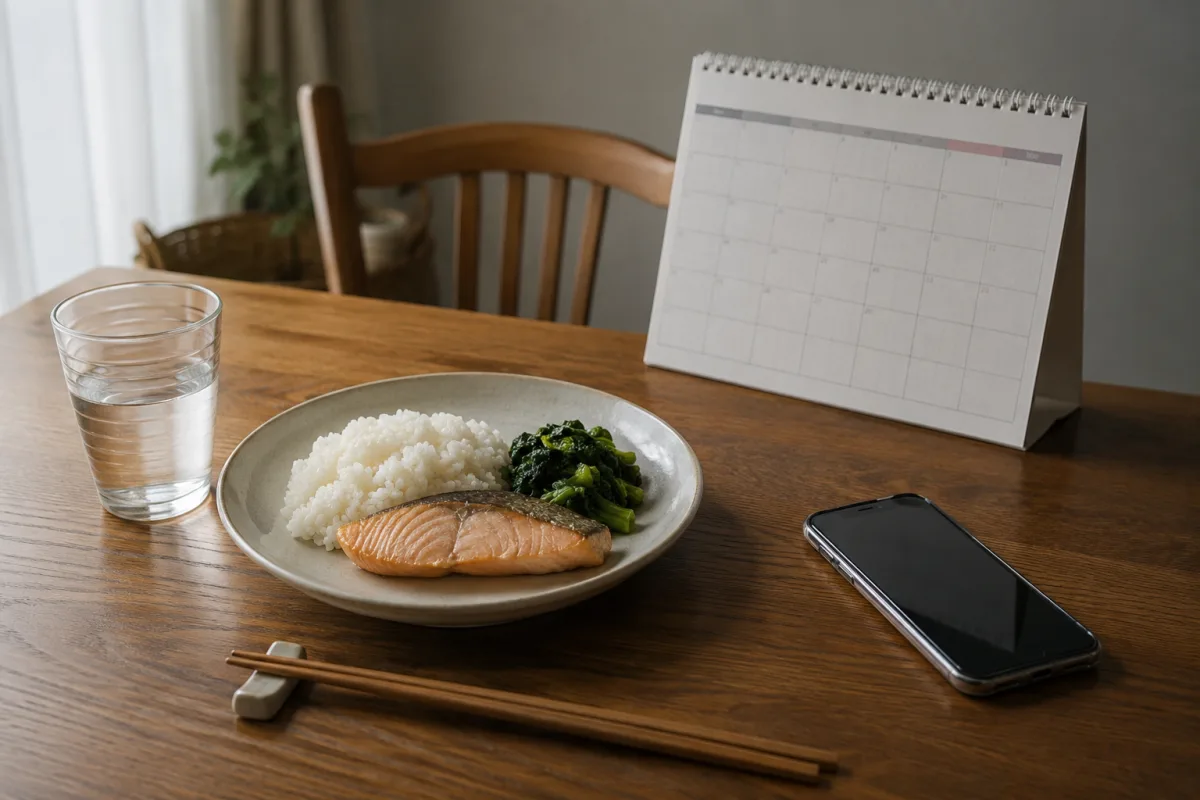
Choose one meal, one movie, one walk, one call, or one early bedtime. Do not build a performance out of the night.
Small plans are easier to keep.
Use Crisis Support If Needed

If loneliness turns into thoughts of self-harm, call or text 988 in the United States or contact local emergency services.
Do not stay alone with immediate danger.
Write Down The Pattern
For deal with loneliness during New Year's Eve, notes can separate a passing bad day from a pattern. Record timing, sleep, food, symptoms, stress, medicine, and what helped.
Livecub's guide to write a food journal can be adapted into a simple health log.
Keep Support Practical
Support works best when it is concrete: a ride, a walk, a check-in, a meal, a call, or help making an appointment.
Livecub's guide to motivate the elderly has useful ideas for gentle support without pressure.
Lower The Pressure
Deal with loneliness during new year's eve can get harder when the person feels judged or rushed. Use calm language and one next step.
Livecub's guide to overcome stage fright fast is a separate topic, but the same idea of lowering pressure can help.
Use Professional Help Early
Symptoms that affect safety, pregnancy, eating, sleep, panic, or daily function deserve professional guidance. Online reading should not replace care.
Livecub's guide to treat selective mutism is another reminder that some concerns need trained help.
Make The Plan Small
A good deal with loneliness during New Year's Eve plan should fit into a real day. Choose one change, test it, and review it.
Tiny steps are easier to repeat and easier to stop if they make symptoms worse.
Make A Short Checklist
After reading about deal with loneliness during New Year's Eve, write a short checklist with symptoms, supplies, dates, meals, calls, or warning signs that apply.
A checklist keeps the next step visible and prevents side questions from taking over.
Choose The Source Of Truth
Pick the source that should settle questions about deal with loneliness during New Year's Eve: a clinician, official guidance page, product label, discharge note, or crisis resource.
If advice conflicts, go back to that source before acting.
Save Proof With The Plan
Keep notes, photos, receipts, feeding logs, symptom records, or appointment instructions with the deal with loneliness during New Year's Eve plan.
Proof is easier to save at the start than to rebuild later.
Name The Red Flag
Every deal with loneliness during New Year's Eve plan should name the sign that changes the next step: fever, breathing trouble, suicidal talk, dehydration, pain, unsafe sleep, or worsening symptoms.
Writing the red flag down makes it easier to act while stressed.
Share The Plan
Someone else may need to help with deal with loneliness during New Year's Eve: a partner, caregiver, friend, clinician, or family member.
Share only the details they need to act quickly and safely.
Review After The Next Change
Review the deal with loneliness during New Year's Eve plan after the next feeding change, symptom shift, bad night, appointment, or new routine.
The review can be short. The point is to catch new facts while they are still useful.
Keep The Routine Realistic
A plan for deal with loneliness during New Year's Eve should work on a normal tired day, not only on a perfect day.
If the plan is too complicated to repeat, simplify it.
Close The Loop
When the main step for deal with loneliness during New Year's Eve is handled, record what was done, who confirmed it, what remains open, and when to check again.
Closing the loop keeps the same issue from returning as a surprise.
Name What Can Wait
Not every part of deal with loneliness during New Year's Eve needs action today. Separate the safety step from the task that can wait until tomorrow.
This helps tired caregivers and stressed adults use their energy where delay would cause the most harm.
Use One Small Test
If you are trying a change for deal with loneliness during New Year's Eve, make one change at a time. That might be a feeding pace, product, sleep cue, walk, supplement, or support call.
Changing everything at once makes it hard to know what helped and what made things worse.
Prepare Before The Hard Moment
The best time to plan for deal with loneliness during New Year's Eve is before the baby is crying, the symptoms are worse, the store is closing, or the support person is unavailable.
Put supplies, phone numbers, notes, and the next step where they can be found quickly.
Write The Plain Version
Turn the deal with loneliness during New Year's Eve plan into one plain sentence. For example: if this warning sign appears, call this person and use this record.
Plain wording helps another adult follow the plan without needing the whole article explained again.
Do Not Let Shame Run The Plan
Deal with loneliness during new year's eve can bring pressure from family, online comments, body expectations, feeding opinions, or holiday comparison.
Shame makes people hide problems. A better plan names the problem and connects it to practical help.
Check The Environment
Look around the setting tied to deal with loneliness during New Year's Eve: light, heat, noise, products, food, sleep, phone use, car seat, stroller, paperwork, or social pressure.
Sometimes the fix is not inside the person. It is a small change in the setup around them.
Keep The Person Safe First
Before optimizing deal with loneliness during New Year's Eve, protect basic safety: breathing, hydration, safe sleep, crisis support, pregnancy warning signs, and clear caregiver attention.
Safety comes before convenience, speed, appearance, or getting the routine exactly right.
Ask What The Pattern Says
One event may not explain much. A pattern around deal with loneliness during New Year's Eve can show up after the same feeding, product, time of day, thought loop, or daily habit.
Write the pattern down before deciding it is random.
Make A Backup Option
A backup option for deal with loneliness during New Year's Eve might be another caregiver, another feeding plan, another route, another support call, or another appointment time.
Backup plans reduce panic because the next step is already named.
Keep The Record Kind
Notes about deal with loneliness during New Year's Eve should be factual, not blaming. Write what happened, what was tried, and what changed.
Kind records are easier to share with clinicians, caregivers, or support people.
Review The Plan After Rest
If possible, review deal with loneliness during New Year's Eve after sleep, food, or a calmer hour. Tired brains often choose the fastest answer, not the best answer.
A short review can catch missing supplies, unsafe assumptions, or a step that no longer fits.
Leave A Hand-Off
If someone else takes over deal with loneliness during New Year's Eve, they should see the current status quickly: what happened, what helped, what failed, and what comes next.
A clear hand-off protects babies, pregnant patients, and people dealing with mental health strain.
Frequently Asked Questions
Is it normal to feel lonely on New Year's Eve?
Yes. Holidays can intensify loneliness and comparison.
What helps fast?
Plan one contact, reduce social media, get outside briefly if safe, and make the evening smaller.
What if I feel unsafe?
Call or text 988 in the United States or contact emergency services.
Should I force myself to go out?
Not always. Choose safe contact and realistic plans, not pressure.
This article is for general information only and isn't a substitute for medical advice. Talk to a clinician who knows your full history before making changes.

Olivia Prete
Edits culture and personal-development articles, distinguishing opinion and experience from verifiable claims.




Leave a reply
Replying to