
What Does Proper Hygiene in the Office Include?
Proper hygiene in the office is the daily set of habits that keeps shared work comfortable: clean hands, covered coughs, reasonable sick-day judgment, tidy desks, respectful restroom use, kitchen care, odor awareness, and cleaning routines for shared equipment. It is not about shaming people. It is about making close quarters livable.
The CDC's handwashing guidance gives the basic foundation: wash hands at key times and use proper technique. In an office, those key moments include restroom use, eating, coughing, sneezing, handling trash, and touching shared kitchen items.
Office hygiene also affects professionalism. A messy desk, strong odor, dirty microwave, or visible illness can distract coworkers and create conflict even when the person means no harm.
The practical standard is shared-space respect. If your habit leaves a surface, smell, mess, or health risk for someone else, it belongs in the hygiene conversation.
When Should You Stay Home From Work?
Stay home when you are contagious, feverish, vomiting, dealing with uncontrolled diarrhea, or too sick to work without exposing others. Remote work, sick leave, or schedule changes are workplace policy questions, but pretending to be fine in a shared office can cost the whole team more.
People often come in sick because they do not want to look unreliable. Managers can reduce that pressure by making expectations clear before illness season. If the culture rewards showing up visibly sick, hygiene posters will not fix the problem.
If you must be in the office with mild symptoms, reduce exposure: wear a well-fitting mask if appropriate, wash hands, keep distance, cover coughs, avoid shared food, and clean touched surfaces. Do not make other people negotiate your symptoms for you.
For workplace stress and expectations in another setting, Livecub's basic-training stress guide shows how health routines and performance pressure can collide.
How Should Employees Handle Handwashing and Sanitizer?
Handwashing with soap and water is the best choice after restroom use and before eating. Sanitizer is useful when soap and water are not available, but it should not become an excuse to skip washing after the restroom or after visible dirt.
Good hand hygiene needs supplies. Restrooms and kitchens should have soap, towels or dryers, trash cans, and sanitizer where appropriate. If supplies run out often, the office has a system problem, not a personal motivation problem.
Wash before shared food. Office snacks, birthday cake, coffee stations, and buffet-style lunches pass through many hands. The smaller the office, the more one careless habit gets noticed.
Livecub's stay-awake-at-work guide is about energy, but it overlaps with hygiene because tired people are more likely to forget basic routines and touch their face constantly.
What Supplies Should an Office Provide?
Office hygiene improves when supplies are easy to find. Soap, paper towels or working dryers, tissues, trash bags, cleaning wipes, gloves for messy jobs, and basic spill supplies should not require a scavenger hunt.
Managers should assign ownership for refilling supplies. If everyone assumes someone else will replace soap or empty an overflowing trash can, the system fails. Make hygiene easy before blaming employees for taking shortcuts.
Hot-desk offices need a clear reset routine. The person leaving should remove trash, wipe obvious residue, take personal items, and leave the workstation ready for the next user. The next person should not inherit coffee rings, food crumbs, or used tissues.
How Clean Should Desks and Shared Equipment Be?
Shared desks, phones, keyboards, mice, touchscreens, copiers, badge stations, and conference-room remotes need routine cleaning. The CDC's cleaning and disinfecting guidance explains the difference between removing dirt and using disinfectants when needed.
Not every surface needs harsh chemicals all day. Start with visible cleanliness, then disinfect high-touch areas according to product directions and workplace policy. More product is not always better if it is used incorrectly.
Employees should clean shared equipment after messy use, especially conference phones, hot desks, headsets, and kitchenette tables. A small wipe-down is easier than a coworker discovering crumbs, makeup, grease, or sticky residue later.
If the office allows personal desk decoration, Livecub's cubicle personalization guide can help balance comfort with a workspace that still stays cleanable.
What Are the Kitchen and Food Rules?
The office kitchen is where hygiene problems become social problems fast. Label food, throw away old leftovers, wipe spills, clean the microwave after splatters, and do not leave dirty dishes for an unnamed coworker to handle.
Strong-smelling food is not forbidden in every workplace, but it requires judgment. Fish, burnt popcorn, heavy garlic, and open leftovers can linger in small offices. Use containers, ventilation, and common sense.
Refrigerators need an owner. If nobody is assigned, old food will collect until someone gets angry. A weekly cleanout policy works better than resentment.
Clean as you go matters more in a shared kitchen than at home because everyone else inherits the mess. Leaving a spoon in the sink is small once and irritating every day.
How Should Offices Handle Odors and Air?
Odor issues are hygiene issues when they affect shared work. Strong perfume, smoke smell, food odors, damp gym clothes, trash, and poor ventilation can all create discomfort. The goal is not to police harmless preferences; it is to keep the workspace usable.
Employees can help by storing food properly, taking gym clothes home, closing trash bags, avoiding heavy fragrance, and cleaning spills quickly. Odor judgment matters more in small offices, shared cars, conference rooms, and reception areas.
Facilities teams should also pay attention to air movement, damp areas, bathroom exhaust, and recurring smells from carpets or drains. A scented spray may hide a problem for an hour, but it does not fix moisture, trash, or ventilation.
How Should Restroom Hygiene Be Handled?
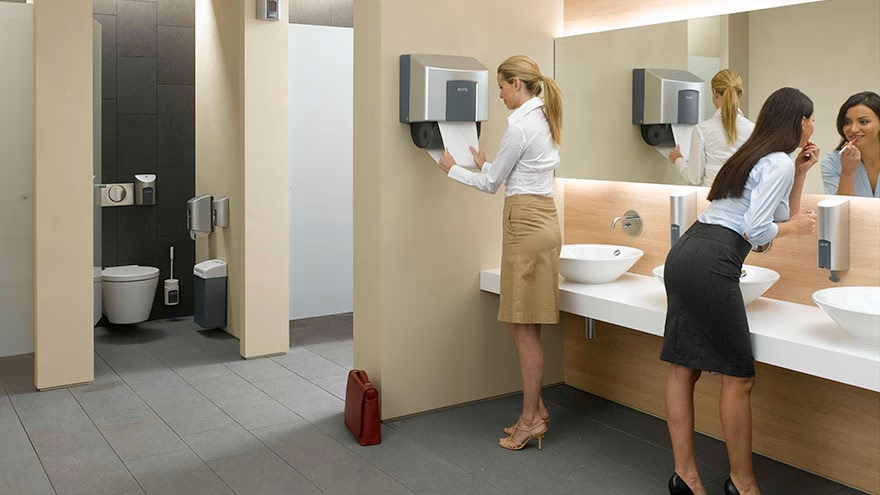
Restroom hygiene is basic courtesy. Flush, wash hands, report supply problems, wipe water from counters, discard paper towels properly, and tell facilities staff when something is broken or unsafe.
Do not turn restroom complaints into gossip. If there is a repeated issue, managers should handle it as a facilities or policy matter with general reminders, not public humiliation.
OSHA's sanitation standard sets workplace sanitation requirements for many employers. Office workers do not need to memorize the regulation, but employers should take restroom access, cleanliness, and supplies seriously.
For tone around sensitive workplace messages, Livecub's office sympathy-card etiquette article is useful because hygiene reminders can also go wrong when the language is careless.
How Do You Address Hygiene Problems Respectfully?
Hygiene concerns can be embarrassing, especially when they involve body odor, illness, restroom use, or food smells. The person raising the concern should avoid jokes, group chat comments, and public callouts.
Managers should speak privately, describe the workplace impact, connect the issue to policy or shared-space expectations, and allow room for health, disability, cultural, or temporary circumstances. A respectful conversation is more likely to solve the problem.
Coworkers should usually avoid direct confrontation unless the issue is small and practical, such as asking someone to wipe a spill. For repeated or sensitive problems, involve a manager or HR.
Livecub's rude coworker guide gives useful framing for keeping a workplace issue from turning into a personal fight.
What Office Hygiene Routine Actually Works?
A workable routine is short: wash hands, stay home when clearly sick, clean shared tools after use, keep food contained, report supply problems, and handle sensitive reminders privately. Offices do not need a dramatic campaign for every spill.
Facilities teams and managers should make hygiene easy. Stock supplies, schedule cleaning, communicate sick policies, and set expectations for shared kitchens and hot desks. Employees should not have to improvise basic sanitation.
For customer-facing workplaces, hygiene also affects trust. Livecub's restaurant customer-service complaint guide shows how small service failures can become reputation problems when they are handled poorly.
The office that works best treats hygiene as maintenance, not drama. Clean hands, clean surfaces, honest sick-day decisions, and private correction do more than another angry sign on the refrigerator.
Frequently Asked Questions
How often should office desks be cleaned?
Personal desks should be kept tidy and cleaned regularly. Shared desks and high-touch equipment need cleaning between users or on a set schedule.
Is hand sanitizer enough at work?
It helps when soap and water are unavailable, but handwashing is still the better choice after restroom use and before eating.
How should managers handle body odor complaints?
Privately, respectfully, and with attention to policy, health issues, and workplace impact. Public jokes or group comments make the problem worse.
Should employees come to work with a cold?
It depends on symptoms, policy, and exposure risk. Fever, vomiting, and clearly contagious illness are strong reasons to stay home.

Tory Stearns
Edits practical household, travel and lifestyle explainers. Claims that can change are linked to current primary or subject-authority sources.




Leave a reply
Replying to