

How to Get a 6 Month Old to Stop Coughing should be handled as an infant health question, not a quick cough-syrup problem. The safest answer depends on breathing, hydration, fever, age, and how the baby looks between coughs.
Start With Breathing
CDC RSV guidance says to seek medical attention if a child has difficulty breathing, is not drinking enough fluids, or has worsening symptoms: CDC RSV in infants and young children.
Watch for ribs pulling in, fast breathing, blue lips or face, grunting, pauses, weak cry, or a baby who cannot feed because of breathing effort.
Breathing trouble is not a wait-and-see symptom.
Skip Unsafe Medicines
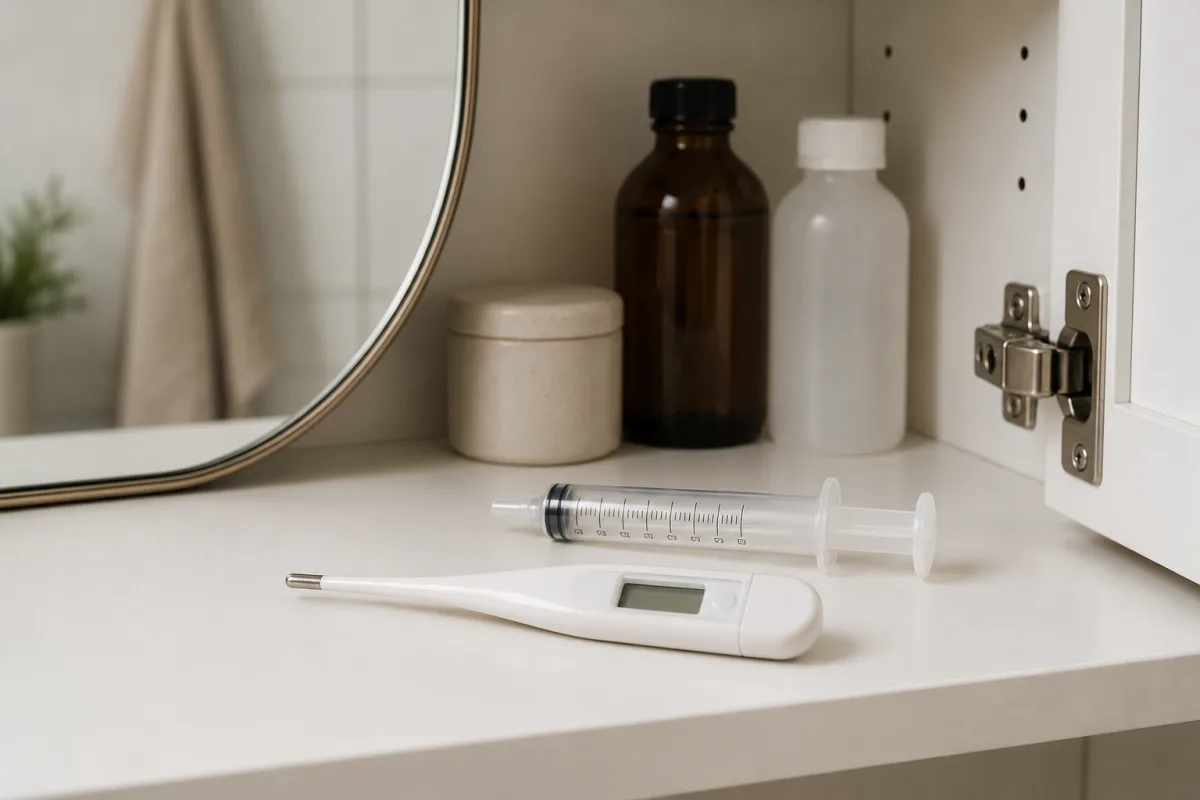
FDA does not recommend over-the-counter cough and cold medicines for children younger than 2 because of possible serious side effects: FDA children's cough and cold medicines.
Do not use adult medicine, leftover prescriptions, honey, essential oils, or extra doses of fever medicine without medical advice.
For a six month old, the pediatrician should guide medication choices and dosing.
Use Gentle Comfort Measures
HealthyChildren's cough guidance for babies says to call the doctor for trouble breathing, wheezing, cough lasting more than three weeks, worsening symptoms, or if you think the child needs to be seen: HealthyChildren cough in babies.
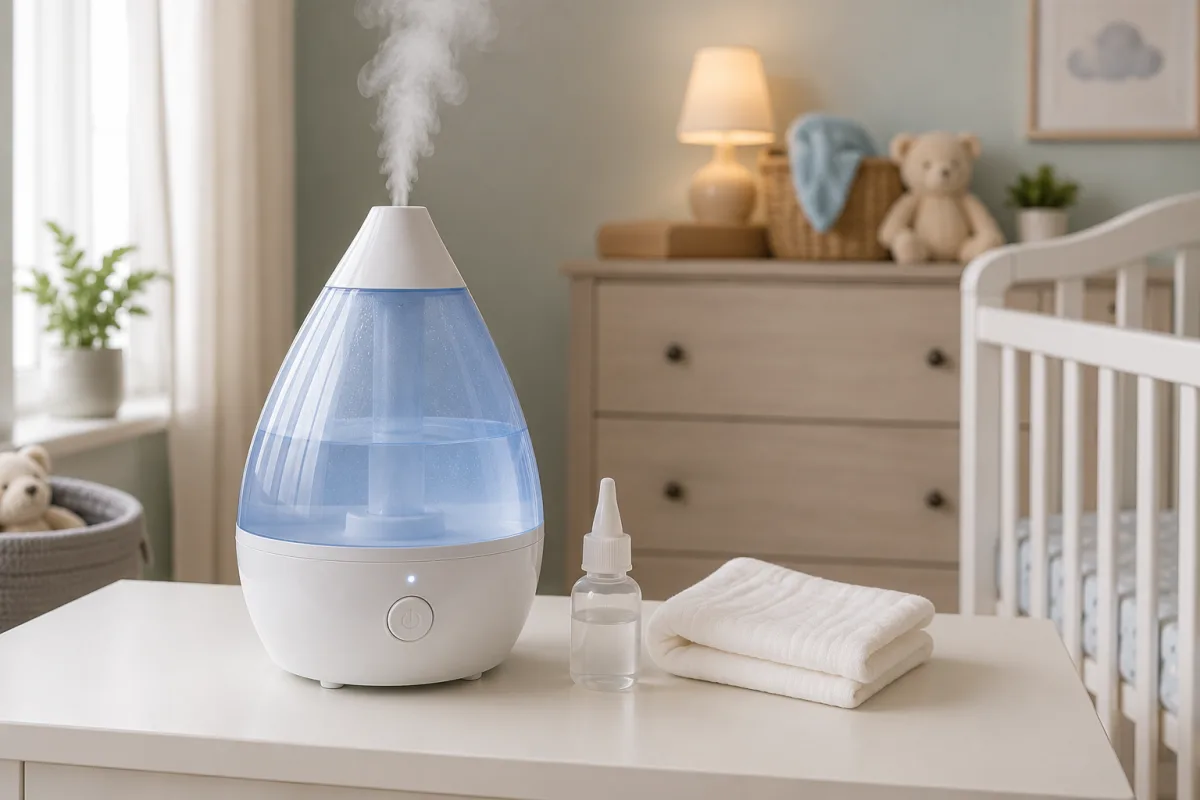
Gentle options may include fluids the baby normally takes, saline drops, suction if advised, upright holding while awake, and a cool-mist humidifier cleaned correctly.
Keep sleep safe and flat; do not prop the baby on pillows or place the baby to sleep in a sitting device.
Know When To Call

Call promptly if the baby is younger than your pediatrician's fever threshold, has fewer wet diapers, refuses feeds, vomits repeatedly, wheezes, seems unusually sleepy, or the cough improves and then gets worse.
If a caregiver's instinct says the baby looks wrong, that is enough reason to call.
When calling, report age, temperature, breathing, wet diapers, feeding, cough duration, exposures, and any medical history.
Set up the home before relying on memory; room-by-room baby-proofing uses the same safety-first habit room by room.
Care routines connect, so washing an infant is a useful companion when supplies, skin care, and clean hands matter.
If a baby was premature or has extra follow-up, gauging a premature baby's development is a reminder to adapt advice to that child.
Keep The Routine Small
For six month old coughing, the safest plan is usually the one adults can repeat while tired. Keep the routine short, write down the steps, and place supplies where a caregiver can reach them without holding the baby awkwardly.
A small routine also makes handoffs easier. If another adult takes over, they should not need to guess where the thermometer is, how feeding was going, or what the pediatrician said last time.
Use notes only for facts that change care: feeds, wet diapers, temperature, medication instructions from a clinician, sleep timing, and symptoms. Long notes are harder to use at 2 a.m.
Match Advice To The Baby
Newborn and infant advice is not one-size-fits-all. Prematurity, reflux, feeding problems, respiratory illness, low birth weight, and medical follow-up can change what a family should do.
If advice from a friend conflicts with a pediatrician, product manual, or current safety guidance, pause before copying it. Older baby habits are often passed down with confidence, even when guidance has changed.
Ask direct questions at visits: what should we watch, what should make us call, what can wait, and what should we stop doing. Short answers are easier to follow later.
Protect Sleep And Airway
Sleep and breathing deserve extra caution because small babies cannot reliably reposition themselves. Keep sleep flat, firm, and clear, and do not add loose blankets, pillows, soft padding, or positioning products.
During holding, feeding, or soothing, watch the baby's color, effort, and chin position. If breathing looks strained or the baby seems unusually limp, do not try to solve it with a product or online tip.
Caregivers should know the difference between normal noise and distress. Fast breathing, blue lips, ribs pulling in, poor feeding, or worsening symptoms should lead to medical help.
Buy Less, Check More
Baby gear can make parents feel prepared, but too much gear creates decisions. Focus on safe sleep, transport, feeding, diapers, temperature, clean clothing, and a way to contact help.
Check recalls, size limits, expiration dates, labels, and instructions before using secondhand items. If the history is unknown, especially for a car seat or sleep product, do not treat appearance as proof.
A cheaper item that meets current safety rules is usually better than a pricey item used the wrong way. Fit, instructions, and correct use matter more than brand name.
Teach Every Adult
Every caregiver should know the same rules before being left alone: where supplies are, how the baby sleeps, what the feeding plan is, how to reach parents, and when to call for help.
Do not assume experience equals current knowledge. A grandparent, sitter, or friend may be loving and still need a clear update on safe sleep, medication rules, pacifiers, car seats, or illness signs.
A calm walkthrough works better than a lecture. Show the setup, ask the caregiver to repeat key steps, and leave emergency contacts in plain sight.
Know The Urgent Line
Keep the pediatrician's number, after-hours line, local emergency number, and poison control number where caregivers can find them. In a real concern, searching a phone while holding a baby wastes time.
Call promptly for trouble breathing, blue color, dehydration signs, fever in a very young baby, poor feeding, unusual sleepiness, injury, or a symptom that is getting worse instead of better.
Parents do not need to prove they are right before asking for help. A short call can sort a mild concern from a same-day visit or emergency problem.
Make The Home Easier
A baby-safe setup should reduce the number of choices adults make under stress. Keep a clear changing area, a clean feeding area, a safe place to put the baby down, and a bag that is ready for appointments.
Remove items that invite risky shortcuts: loose blankets near the crib, pillows on the couch during night feeds, expired products, broken gear, and small objects near floor spaces.
When the home is easier to use, adults are less likely to improvise with a baby in one arm. The setup does not need to look perfect; it needs to work.
Keep Products Honest
Marketing can make baby products sound essential. Before using any product, ask what job it does, what age and weight range it allows, where the manual is, and whether it is meant for sleep, transport, feeding, or play.
Do not use a product for a purpose it was not designed to handle. A sitting device is not a sleep space, a feeding pillow is not a crib item, and a soft surface is not safer because an adult is nearby.
If a product makes a tired caregiver ignore basic safety guidance, it is not helping. The best baby item is the one that supports a safe routine without extra guessing.
Review The Plan Weekly
Babies change fast enough that a monthly review may miss the moment. Once a week, look at sleep, feeding, diapers, growth, product fit, caregiver notes, and any concern that keeps appearing.
A weekly review also helps parents retire old advice. What worked for a sleepy newborn may not fit a rolling baby, a heavier infant, or a child with new symptoms.
Use the review to make one adjustment, not ten. Small changes are easier for every caregiver to remember and repeat.
Keep The Budget Calm
Money stress can push families into rushed choices. Make a short list of what the baby truly needs this week, what can wait, and what should be checked with a professional before buying.
A calm budget also protects safety. It is better to own fewer products and use them correctly than to manage a crowded house full of items nobody has time to read about.
When people offer gifts, ask for practical help: diapers, meals, safe sleep sheets, transportation, a pharmacy run, or time so a parent can rest.
Frequently Asked Questions
What is the safest first step for six month old coughing?
Start with the pediatrician, product instructions, and current safety guidance before copying a tip from another family.
How do I keep caregivers on the same page?
Write the routine, show the setup, leave contacts visible, and ask the caregiver to repeat the key safety steps.
When should I call the pediatrician?
Call for breathing trouble, fever in a very young baby, poor feeding, unusual sleepiness, injury, dehydration signs, or worsening symptoms.
Do I need every baby product?
No. Start with safe sleep, safe transport, feeding, diapers, clean clothing, and a way to get medical help.
What if online advice conflicts?
Use current pediatric guidance and ask a qualified professional when the advice affects sleep, breathing, medication, or illness.
This article is for general information only and is not a substitute for medical, safety, or pediatric advice. Follow product instructions and ask a qualified professional when needed.

Linda Fehrman
Edits general wellness and relationship explainers. Health material is educational, avoids diagnosis and links to health-authority guidance.




Leave a reply
Replying to