

The pros and cons of feeding newborns breast milk and formula are personal and practical. Some families breastfeed, some use formula, and many use both.
The best plan feeds the baby safely, protects the parent's health, and gets help early when feeding is painful, stressful, or not going well.
Know Breast Milk Benefits
CDC explains that breastfeeding can provide nutrition and health benefits for babies and mothers: CDC breastfeeding overview. Breast milk also changes over time.
Breastfeeding can be convenient once established, but it can also be painful, time-consuming, or affected by supply and recovery.
Use Formula Safely
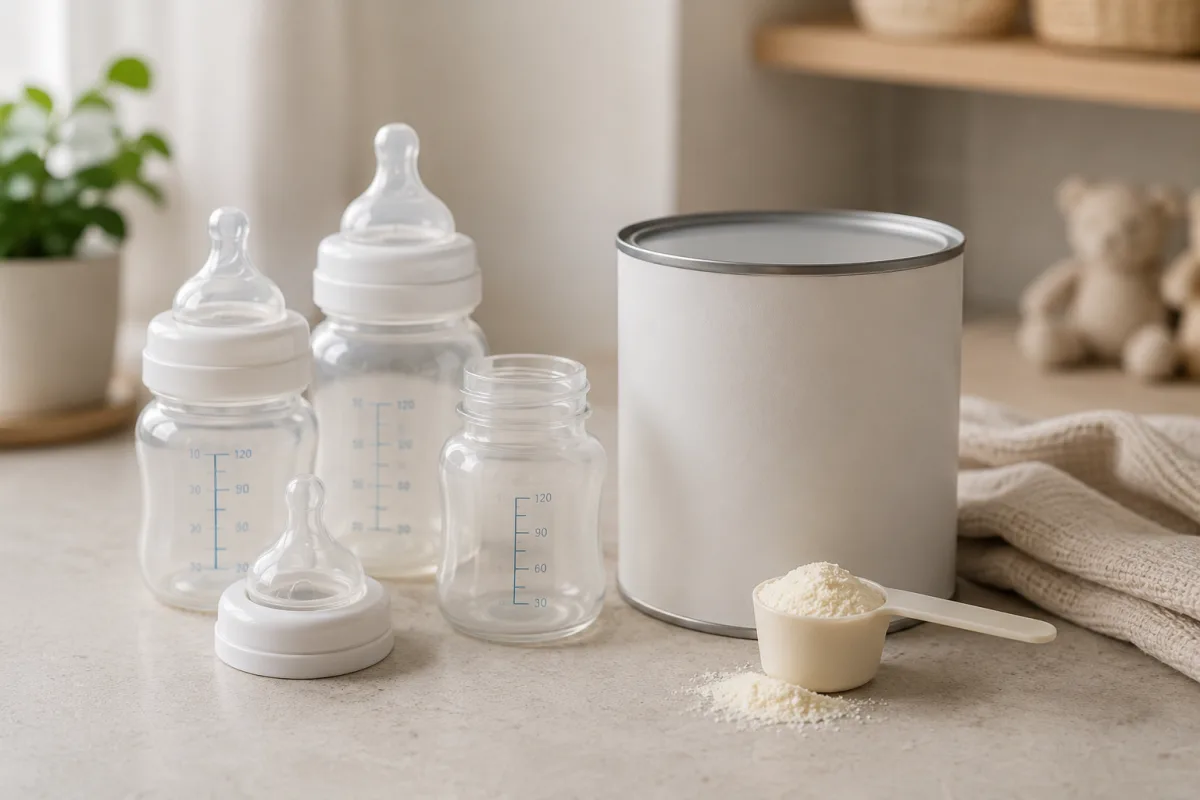
CDC formula guidance explains safe preparation, handling, and storage of infant formula: CDC formula feeding guidance. Safety depends on correct mixing and clean equipment.
Formula gives measurable intake and lets other caregivers feed, but it adds cost and preparation steps.
Ask For Feeding Support
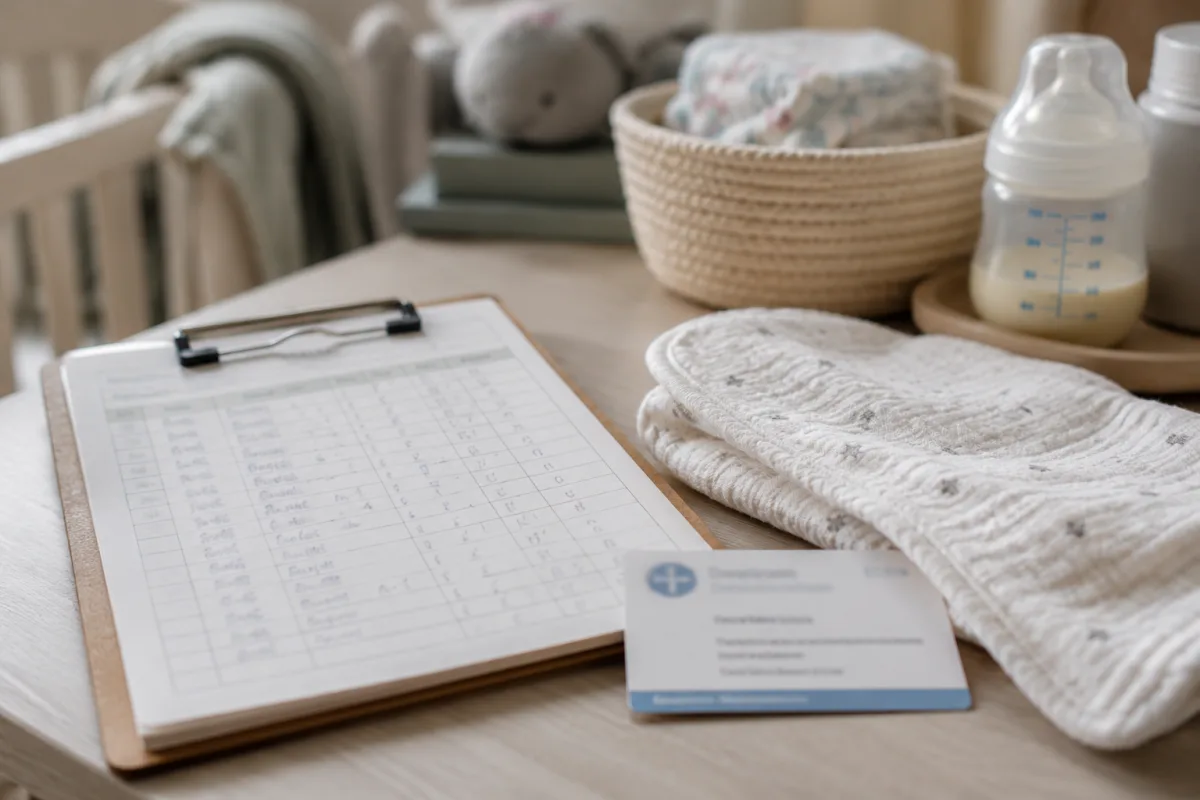
HealthyChildren explains breastfeeding benefits and encourages families to get support when needed: HealthyChildren breastfeeding benefits. Help can come from clinicians, lactation consultants, and feeding specialists.
Pain, poor transfer, low output, or slow weight gain deserve prompt help.
Consider Combination Feeding
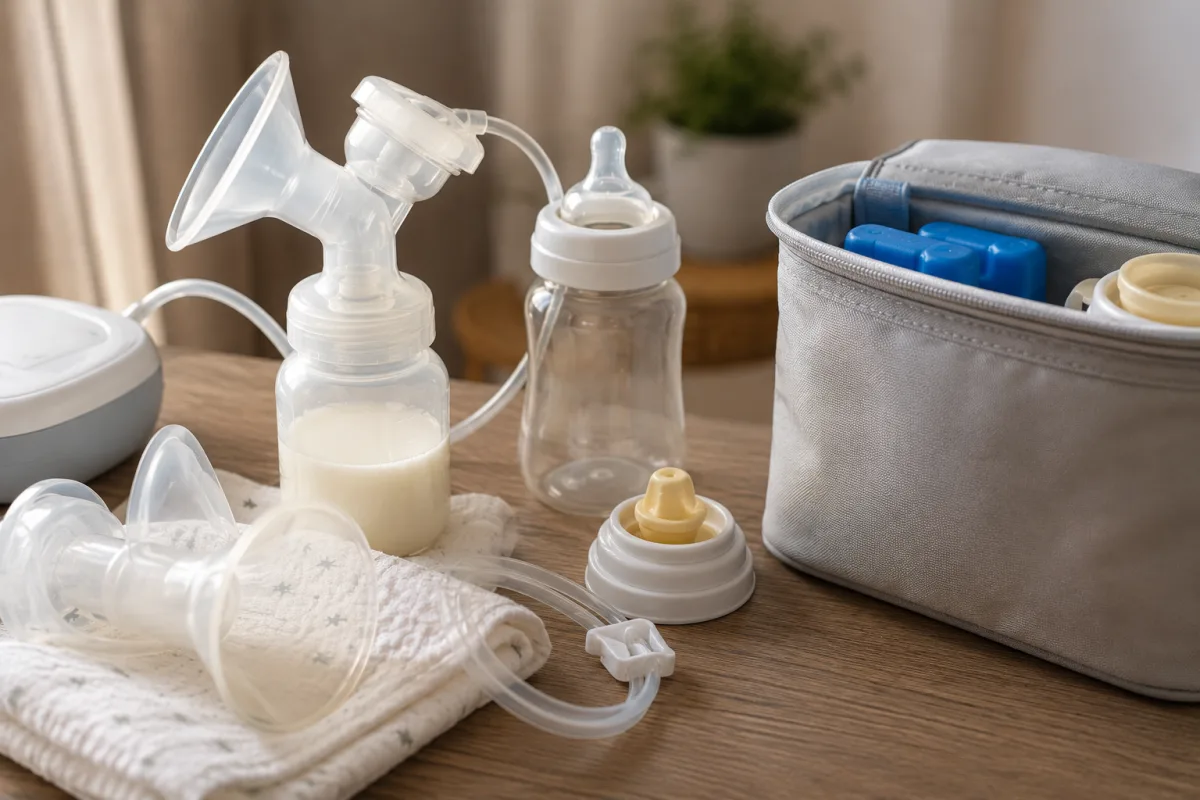
Some families use both breast milk and formula because of supply, work, sleep, medical needs, adoption, recovery, or preference.
Combination feeding still needs a plan for milk supply, bottle safety, and baby's weight checks.
Remove Shame From The Decision
Feeding choices can carry pressure. The baby needs safe nutrition and responsive care more than a perfect label.
A calm plan is easier to maintain than a plan built on guilt.
Read The Baby's Cues
For feeding newborns breast milk and formula, cues matter more than rigid schedules. Watch feeding, sleep, crying, skin, temperature, breathing, and how the baby recovers after care.
If feeding brings up hiccups or fussiness, Livecub's guide to ease newborn hiccups can help with the everyday side of newborn care.
Keep Care Simple Enough To Repeat
The right plan should survive tired nights: clean hands, safe sleep, gentle handling, prepared supplies, and a phone number for help.
Livecub's guide to wash an infant follows the same idea: simple steps done carefully.
Adjust For Small Or Premature Babies
Premature or low-birth-weight babies may need different feeding stamina, temperature support, follow-up, and handling. For feeding newborns breast milk and formula, follow the baby's care plan before general advice.
Livecub's guides to premature baby development and low birth weight and preterm infants give related context.
Watch Skin And Comfort
Skin irritation, pressure marks, rashes, and changes in crying can change the plan for feeding newborns breast milk and formula. Document what changed and what product, diaper, wrap, or feeding pattern was used.
Livecub's guide to baby rash and blister care can help parents decide what to track before calling.
Make The Home Easier For Caregivers
Put diapers, cloths, feeding supplies, safe sleep clothing, burp cloths, and care notes where tired adults can find them.
As the baby grows, Livecub's room-by-room baby-proofing guide becomes the next safety layer.
Know When To Call
Call a clinician for fever, poor feeding, breathing trouble, dehydration signs, unusual sleepiness, worsening rash, spreading redness, or symptoms that do not fit the baby's normal pattern.
A calm call with clear notes is better than waiting because the symptom might be nothing.
Make A Short Checklist
After reading about feeding newborns breast milk and formula, write a checklist with the names, dates, documents, symptoms, prices, or phone numbers that apply.
A short checklist keeps the next step visible and keeps side questions from taking over.
Choose The Source Of Truth
Pick the source that should settle questions about feeding newborns breast milk and formula: a clinician, official agency, court, written contract, policy, or product instruction.
If advice conflicts, go back to that source before acting.
Save Proof With The Decision
Keep the record that supports the feeding newborns breast milk and formula decision in one place. It might be a receipt, note, official page, photo, letter, or care instruction.
Proof is easier to save at the beginning than to rebuild later.
Set A Review Date
Feeding newborns breast milk and formula can change after a symptom, payment, appointment, filing, purchase, feeding change, or new sleep stage.
Set a date to review the plan while there is still time to adjust.
Share The Plan With A Helper
Someone else may need to help with feeding newborns breast milk and formula: a partner, caregiver, relative, agent, clerk, lender, or clinician.
Share the part they need, in plain words, before the stressful moment arrives.
Close The Loop
When the main step for feeding newborns breast milk and formula is handled, record what was done, who confirmed it, what remains open, and when to check again.
Closing the loop keeps the same issue from returning as a surprise.
Name The Red Flag
Every feeding newborns breast milk and formula plan should name the warning sign that changes the next step. It might be fever, breathing trouble, spreading rash, title trouble, a denied claim, a missing document, or a payment that no longer fits.
Writing the red flag down makes it easier to act quickly instead of debating the problem while tired or stressed.
Keep The Routine Realistic
A plan for feeding newborns breast milk and formula should work on an ordinary day, not only on a day when everyone has time and patience. Keep the steps short enough to repeat.
If a plan needs perfect memory, perfect sleep, or perfect paperwork, it is too fragile. Simplify it before relying on it.
Use One Folder
Put the feeding newborns breast milk and formula records in one folder, drawer, or phone note. Include dates, photos, receipts, instructions, names, and the current next step.
One folder prevents the same information from being searched for five times and helps another adult continue the task.
Do Not Hide Uncertainty
If you are unsure about feeding newborns breast milk and formula, write the question instead of filling the gap with a guess. Good questions are useful evidence of careful thinking.
Bring that question to the right professional or official source. A direct question often saves more time than another hour of scattered searching.
Check The Person Affected Most
The person most affected by feeding newborns breast milk and formula may be a baby, recovering parent, grieving relative, borrower, buyer, or caregiver. Their safety and practical needs should guide the decision.
A technically neat answer that does not work for the person living with it is not a finished plan.
Remove Old Advice That No Longer Fits
Advice about feeding newborns breast milk and formula may come from older family habits, sales scripts, outdated forms, or a routine that worked for a different baby or purchase.
Keep advice that matches current facts and current guidance. Let the rest go without turning the decision into an argument.
Make The Next Call Easier
Before calling about feeding newborns breast milk and formula, write the account number, date, symptom, model, VIN, document name, or question beside the phone.
That small preparation keeps the call focused and helps you avoid forgetting the key detail after waiting on hold.
Watch For Pattern Changes
Patterns matter with feeding newborns breast milk and formula. A single leak, cry, flake, loan quote, or document request may be simple; a repeated pattern deserves a closer look.
Track what happens at the same time of day, after the same product, with the same seller, or after the same feeding routine.
Protect Future You
After you solve the immediate feeding newborns breast milk and formula question, leave a note for the future: what worked, what failed, what you would do sooner, and what should be avoided.
That note can help during the next baby stage, next appointment, next claim, next car purchase, or next estate task.
Stop Before The Plan Gets Messy
If the feeding newborns breast milk and formula plan starts collecting exceptions, side promises, and unclear steps, pause and rewrite it in plain language.
A messy plan is hard to follow and harder to defend. Clear steps are kinder to everyone involved.
Frequently Asked Questions
Is breast milk better than formula?
Breast milk has health benefits, but formula is a regulated food that can feed babies safely when prepared correctly.
Can I use both?
Yes. Combination feeding is common, but it should be planned around supply, safety, and the baby's growth.
What is the main formula safety rule?
Follow mixing, storage, and cleaning instructions exactly.
When should I ask for help?
Ask for help with pain, poor feeding, low diaper output, slow weight gain, or feeding stress.
This article is for general information only and isn't a substitute for medical advice. Talk to a clinician who knows your full history before making changes.

Linda Fehrman
Edits general wellness and relationship explainers. Health material is educational, avoids diagnosis and links to health-authority guidance.




Leave a reply
Replying to