
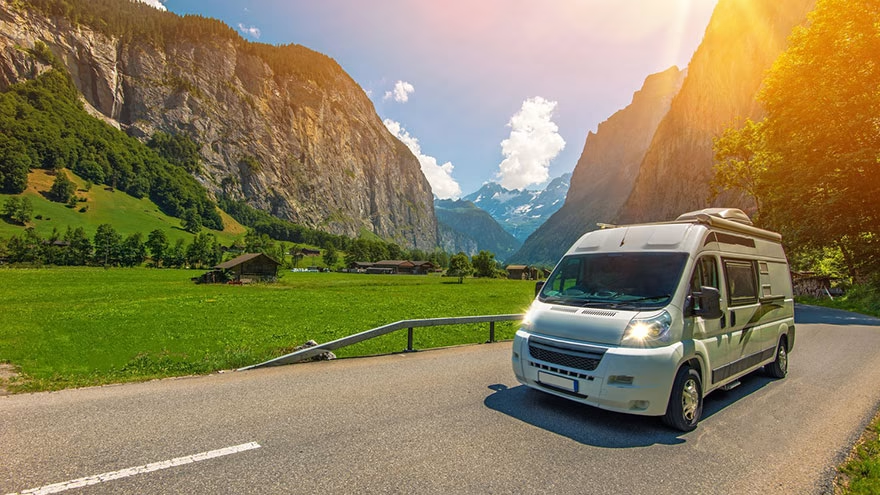
RV insurance questions should be specific because an RV is part vehicle, part property, and sometimes part home. A policy that fits a weekend trailer may not fit a full-time motorhome.
Bring the VIN, model, use, storage plan, loan details, tow vehicle information, and contents estimate before asking for quotes.
Start With What You Drive Or Tow
RV insurance questions begin with the unit itself. Texas Department of Insurance explains that RV coverage can depend on whether the RV is driven or towed, how it is used, and what coverage is selected: Texas Department of Insurance RV coverage tips.
A motorhome, travel trailer, fifth wheel, camper van, and truck camper can all need different handling. Do not ask for a generic RV quote until the insurer knows the exact model and use.
Ask About Liability While Parked And Moving
The Maryland Insurance Administration's RV FAQ discusses issues such as motorhomes, trailers, liability, physical damage, and personal property: Maryland RV insurance FAQ. Liability can be different when the RV is on the road, parked at a campsite, or used as a seasonal residence.
Ask what happens if someone is injured at the campsite, if the RV rolls while being towed, or if a borrowed vehicle is pulling the trailer.
Check Physical Damage And Deductibles
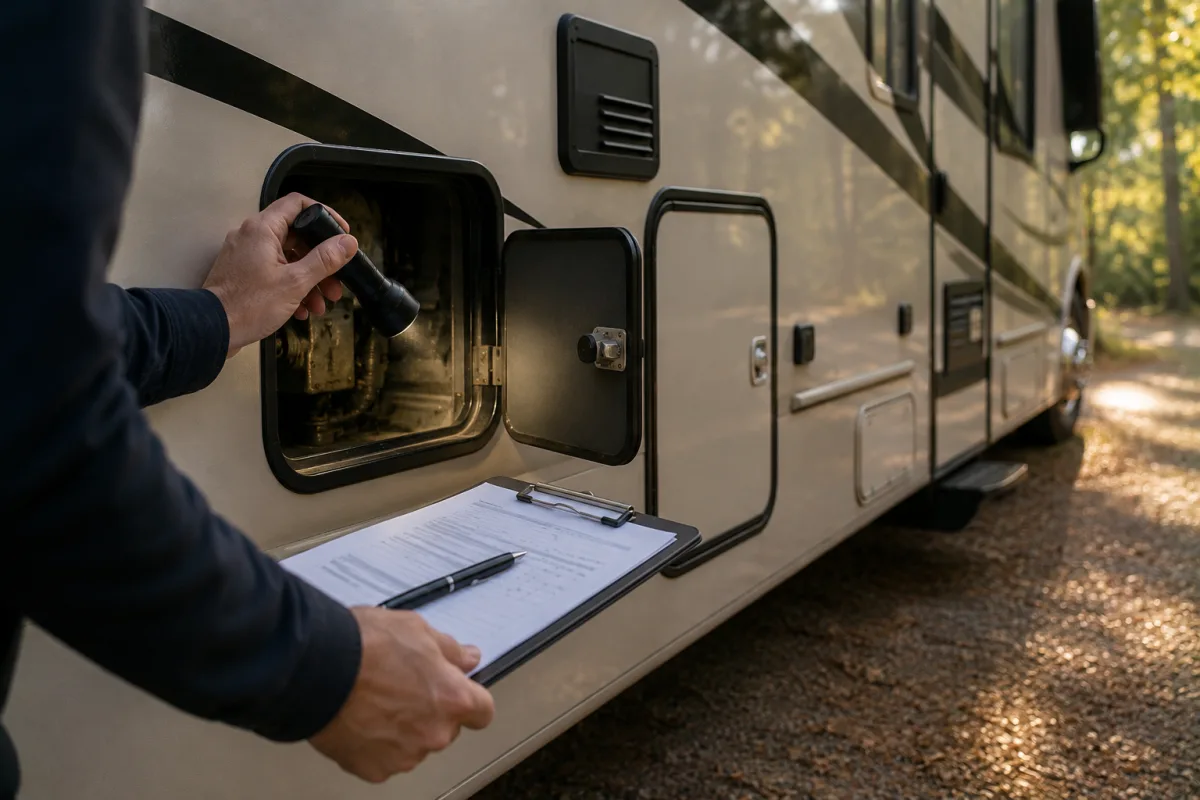
NAIC's auto insurance guide explains basic auto coverage concepts such as liability, collision, and other physical damage coverage: NAIC auto insurance guide. RV owners should apply those concepts to a larger, more expensive unit with living equipment inside.
Ask how collision, other-than-collision, roof damage, awnings, glass, storm damage, fire, theft, and total loss are handled. A small deductible difference can matter after hail or a backing accident.
Ask About Personal Belongings
An RV carries clothes, dishes, tools, bikes, electronics, camping gear, and sometimes work equipment. Do not assume all of that is covered by the auto portion of the policy.
If you are organizing household finances at the same time, Livecub's guide to check what savings bonds are worth can help keep asset records separate from RV contents records.
Ask Whether Full-Time Use Changes Coverage
A weekend camper and a full-time RVer do not have the same risk. Living in the RV can change liability, personal property, emergency expense, and address questions.
Tell the insurer if the RV is your main home, if you work from it, or if it stays in one park for months. Hiding use can create claim problems.
Check Storage, Layup, And Seasonal Rules
Some owners store the RV for winter or reduce road use for months. Ask what coverage stays active, what can be suspended, and what damage could occur while stored.
Insurance timing is separate from investment timing. Livecub's guide to Series EE savings bond maturity belongs in long-range money planning, not vehicle coverage decisions.
Review Roadside And Trip Interruption
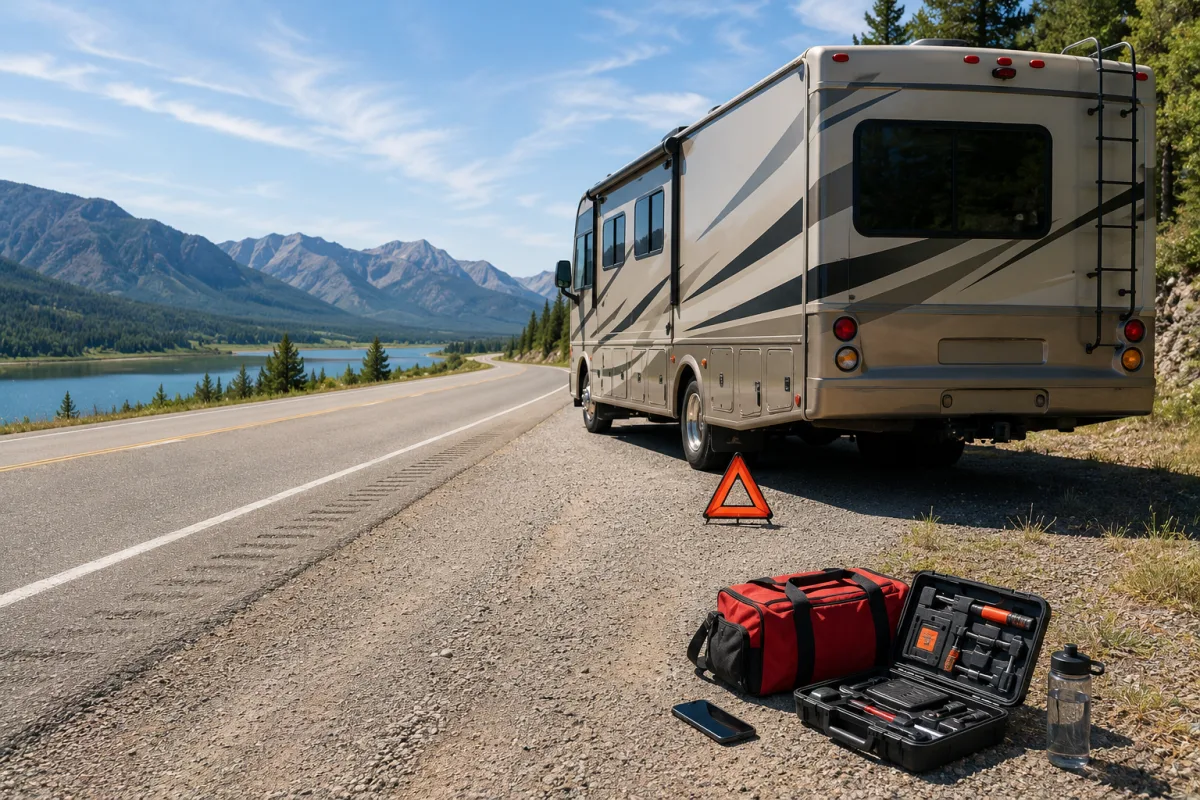
Towing an RV after a breakdown can cost far more than towing a car. Ask about roadside assistance, tire service, lockout, fuel delivery, trip interruption, and lodging if the RV cannot be used.
Also ask whether the coverage follows the tow vehicle, the trailer, or the motorhome. Details matter when the unit is disabled far from home.
Keep Loan And Registration Rules In View
Lenders may require collision and other physical damage coverage until the loan is paid. If you are also learning about bonds or safer assets, Livecub's guide to who buys U.S. Treasury bonds is a different financial topic.
Premium payments and investment purchases should not be mixed without a plan. Livecub's guide to purchase savings bonds with a credit card is a useful caution about payment-method assumptions.
Ask Who Is Allowed To Drive
RV owners often share driving with a spouse, adult child, friend, or hired mover. Ask whether the policy limits drivers by age, license class, household status, or permission.
Also ask about rented, borrowed, or test-driven situations. A coverage answer that is fine for the named owner may not be fine for every person who touches the keys.
Put The Policy Beside The Real Plan
Read the policy while the trip, lease, or vehicle plan is open in front of you. For RV insurance questions, the practical question is not how the brochure sounds. It is whether the written policy matches the dates, people, property, payments, and risks you actually have.
RV owners should circle the conditions that trigger coverage, the exclusions, the deductible, and the contact method for a claim. If a promise is not in the policy, treat it as an opinion until the insurer or agent confirms it in writing.
Keep Receipts And Contact Notes
A claim usually needs proof. Save invoices, booking confirmations, lease pages, medical records, police reports, repair estimates, and cancellation notices before they disappear into email search results.
Write the date and name of anyone you speak with about RV insurance. Short notes can stop a later claim from turning into a memory test, especially after travel disruption, vehicle damage, or a business move.
Review The Policy Before The Risk Changes
Insurance bought for one version of a plan may not fit the next version. New travelers, side trips, added equipment, medical changes, lease amendments, and longer travel dates can all change the answer.
Do a brief review before departure, renewal, or signing. The habit feels slow, but it is cheaper than discovering a gap after the loss has already happened.
Know Who Can Make The Call
The person who buys a policy is not always the person who has to use it. Families, employees, students, and partners should know the emergency number, claim portal, policy number, and the documents they may need.
For RV insurance questions, write those details in one shared note. A policy that no one can find during a bad day is only half useful.
Ask What Would Make The Claim Fail
Before buying or renewing RV insurance, ask the uncomfortable question directly: what would make this claim fail? The answer may be a deadline, missing receipt, excluded activity, unpaid premium, wrong traveler, wrong address, or coverage that starts after the loss.
That question is not pessimistic. It turns vague comfort into a usable checklist. If the answer sounds too general, ask the agent or insurer to point to the policy section.
Check The Names, Dates, And Addresses
Small errors can create large delays. Review legal names, birth dates, business names, addresses, travel dates, vehicle identification numbers, destinations, and insured property descriptions.
RV owners should correct those details before a loss, not during a claim. A policy with the right idea but the wrong named insured can become a slow and frustrating file.
Read The Renewal Or Change Notice
Insurance terms can change at renewal or after an endorsement. For RV insurance questions, do not assume last year's answer still applies just because the premium was paid.
Read notices that mention exclusions, limits, deductibles, territory, claim reporting, or cancellation rules. Save the notice with the policy so the current version is easy to prove.
Keep Price In Its Proper Place
Price matters, but it should come after the coverage screen. A cheaper policy may be fine if the limits, exclusions, and service rules still match the risk.
If price is the only reason to choose RV insurance, pause and compare the benefit that would matter most after a loss. Saving a small premium can be expensive if it removes the only coverage you needed.
Make One Person Responsible For Follow-Up
RV owners should decide who will update the policy, save receipts, call the insurer, and track claim deadlines. Shared responsibility often turns into no responsibility when travel or business stress rises.
Put that person's name beside the policy number. If the plan involves a family, employee, partner, or student, make sure a backup person knows where the file is.
Frequently Asked Questions
Is RV insurance the same as auto insurance?
It overlaps with auto insurance but can add RV-specific property, liability, contents, roadside, and full-time-use issues.
Do trailers need separate insurance?
Often yes for physical damage and contents, even if liability while towing may involve the tow vehicle. Ask the insurer to explain the split.
Does RV insurance cover belongings inside?
Only if the policy includes that benefit and the limits are high enough. Ask about electronics, tools, bikes, and camping gear.
Should full-time RVers buy different coverage?
They may need coverage closer to home-style liability and personal property protection. Tell the insurer if the RV is a main residence.
This article is for general information only and is not financial, legal, insurance, medical, or tax advice. Policy terms, prices, eligibility, and laws change; read the policy and ask a licensed professional.

Timothy Davidson
Edits step-by-step general-interest guides for clarity, realistic limits and source verification.




Leave a reply
Replying to