

The Best Travel Insurance for Cruises is the policy that fits your ship, ports, health, deposits, flights, excursions, and cancellation risk. A cruise creates gaps that a basic trip policy may not cover well.
This is general financial and insurance education, not a recommendation to buy a specific policy. Read the certificate, exclusions, and benefit limits before paying.
Start With Medical
Cruises can involve ship doctors, foreign ports, and medical evacuation. U.S. health insurance may not pay the way travelers expect outside the country or far from U.S. care.
The U.S. State Department strongly recommends medical evacuation insurance for higher-risk or limited-care destinations and mentions cruises in its travel insurance guidance.
Medical Evacuation
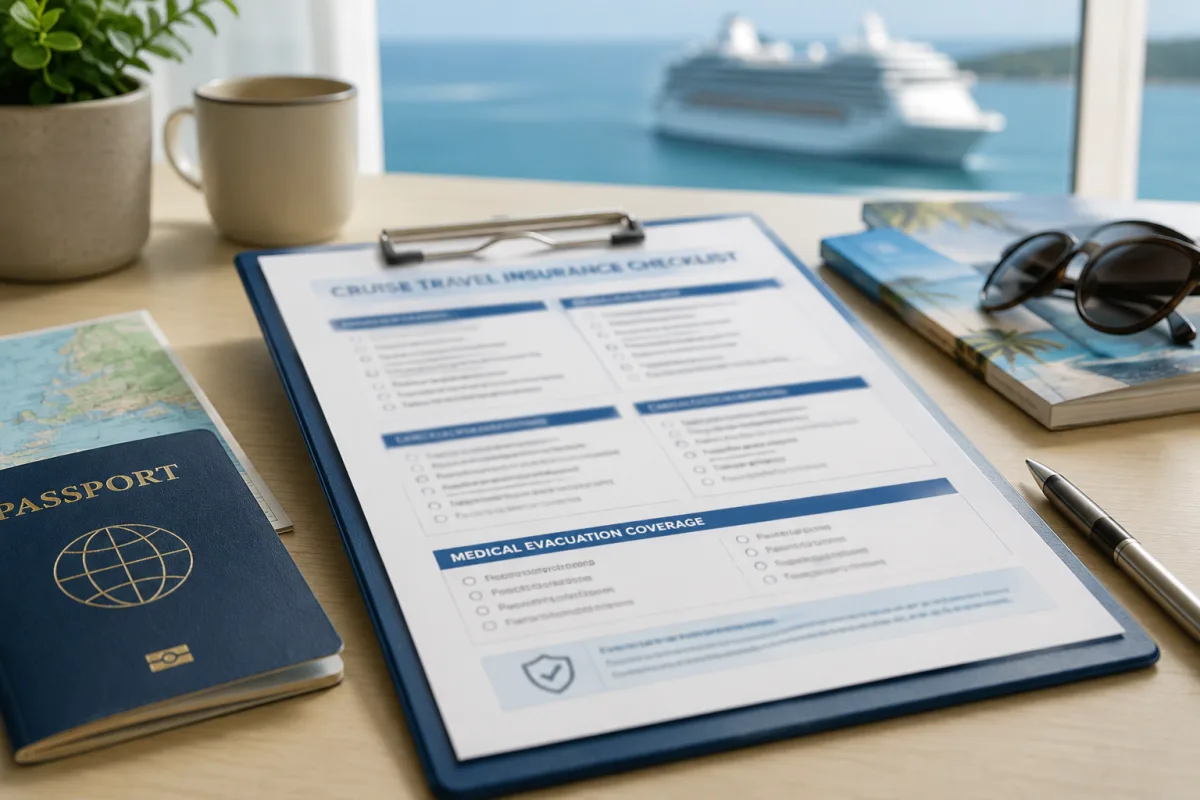
Medical evacuation coverage can pay for transport to appropriate medical care or home when medically necessary under the policy. Limits, approval rules, and exclusions matter.
NAIC notes that medical evacuation insurance covers costs related to emergency transport and that many U.S. health insurers will not pay for repatriation or transport overseas. See NAIC's travel insurance topic page.
Trip Cancellation
Cruise deposits can become nonrefundable as the sail date approaches. Trip cancellation coverage may reimburse prepaid costs only for covered reasons listed in the policy.
Covered reasons might include illness, injury, death in the family, severe weather, or other listed events. Fear of travel is usually not enough unless a special benefit applies.
Cancel For Any Reason
Cancel for any reason coverage, often called CFAR, costs more and has rules. It may require purchase soon after the first trip payment and usually reimburses only part of the trip cost.
Read deadlines and percentages carefully. CFAR is not the same as a normal cancellation benefit.
Missed Connection
Cruisers often fly to the port. A missed connection benefit can matter if a delayed flight causes a missed sailing.
Look for coverage for additional transportation, lodging, and catching up to the ship. Read time thresholds and documentation rules.
Trip Interruption
Trip interruption can help if a covered event forces you to leave the cruise early. It may cover unused prepaid costs and extra transportation under policy terms.
Cruise interruption can be expensive because ports, flights, and ship schedules are not flexible.
Travel Medical
Travel medical coverage helps with emergency medical bills during the trip. Check limits, deductible, primary versus secondary coverage, and preexisting condition rules.
CDC's Yellow Book explains that travel disruption, travel health, and medical evacuation insurance provide different types of coverage. See CDC's travel insurance page.
Preexisting Conditions
Many policies exclude preexisting conditions unless a waiver is available and purchased on time. The lookback period and waiver rules vary.
If a traveler has heart disease, diabetes, cancer history, pregnancy, recent surgery, or medication changes, read this section before buying.
Baggage And Delay
Cruise bags can be delayed by airlines or port handling. Baggage delay coverage may pay for essentials after a waiting period.
Keep receipts and know whether jewelry, electronics, medical devices, and formalwear have special limits.
Excursions
Excursions can involve snorkeling, scooters, zip lines, hiking, alcohol, or private operators. Some activities may be excluded or require adventure sports coverage.
If an excursion is central to the trip, compare policy exclusions before booking.
Credit Card Coverage
Some credit cards offer trip cancellation, delay, baggage, or rental car benefits. They may require the trip to be paid with that card and may not include enough medical or evacuation coverage.
Livecub's fixed annuity versus fixed index annuity article is a different finance product, but the same lesson applies: contract terms matter.
Cruise Line Waivers
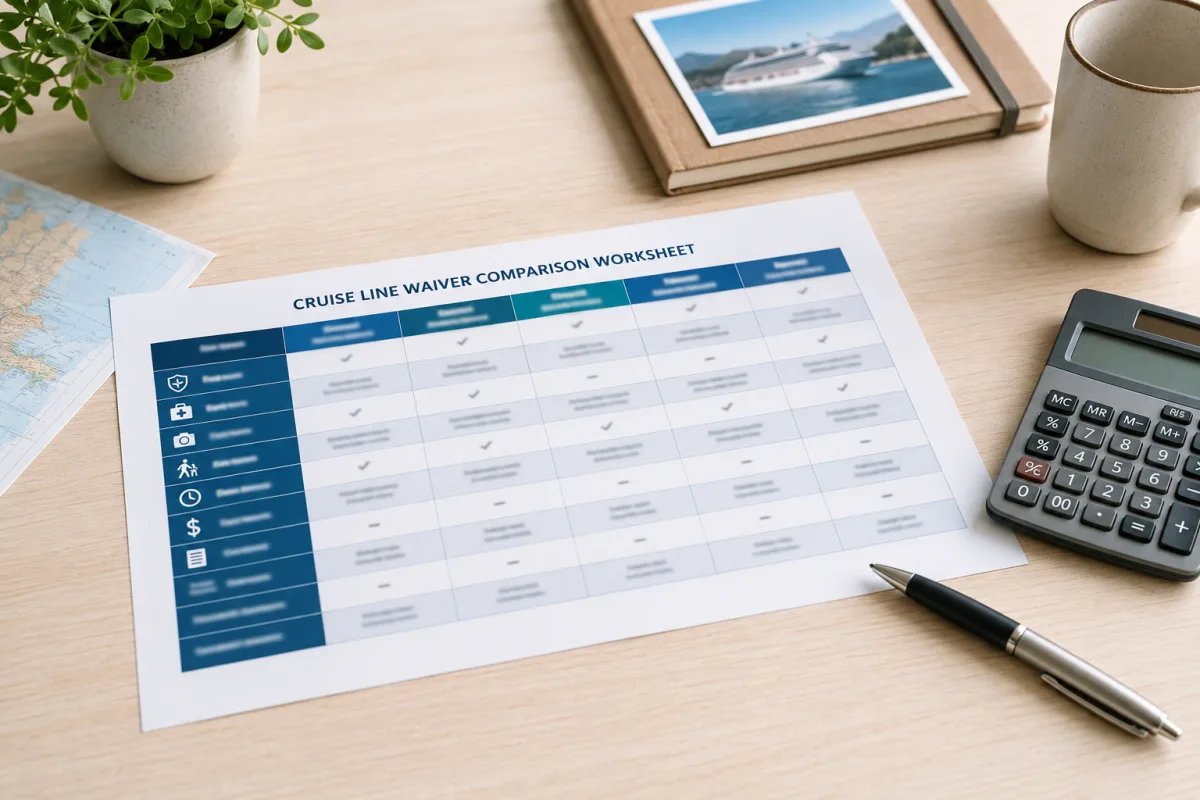
Cruise line waivers can be narrower than third-party insurance and may provide future cruise credit rather than cash reimbursement.
Compare what happens for medical evacuation, independent flights, preexisting conditions, bankruptcy, and cancellation reasons.
Money Context
Travel insurance is one part of trip budgeting. Keep emergency cash, card limits, and backup funds in mind.
Livecub's teaching kids about money guide and savings bond value guide are separate money topics, but both support planning before spending.
Cabin Mate Issues
If one traveler cancels, the remaining traveler may face a single supplement or changed cabin cost. Check whether the policy addresses this.
Cruise pricing can change when occupancy changes, so read the cancellation and interruption sections closely.
Port Changes
Cruise lines can change ports because of weather, safety, or operational reasons. Insurance may not pay simply because a port was skipped unless the policy has a specific benefit.
If a port is the main reason for the trip, ask about itinerary change coverage before buying.
Documentation
Claims often need doctor notes, cruise line statements, airline delay proof, receipts, and proof of payment. Keep digital copies during the trip.
A strong policy can still fail at claim time if documentation is missing.
Older Travelers
Older travelers may need to review Medicare, Medigap, Medicare Advantage, foreign care, ship doctor costs, and evacuation benefits closely. Coverage can change outside the United States.
Do not assume a domestic health card works the same way at sea or in a foreign port.
Pregnancy
Pregnant travelers should read pregnancy exclusions, gestational age limits, medical evacuation terms, and cruise line boarding rules. A standard policy may not cover every pregnancy-related issue.
Ask both the insurer and the cruise line before final payment if pregnancy is part of the plan.
Pre-Trip Timing
Some benefits are available only if the policy is bought within a set number of days after the first trip payment. This can affect CFAR and preexisting condition waivers.
Waiting until final payment may reduce choices.
Weather
Hurricanes, winter storms, and port closures can affect cruises. Insurance usually treats known storms differently from unexpected events.
Buy before the storm is named or foreseeable if weather protection is part of the reason for coverage.
Supplier Default
Some policies include supplier financial default, while others exclude it or apply waiting periods. This matters if a cruise line, tour company, or airline fails.
Check whether the supplier is covered and whether the policy excludes companies already in trouble.
Medical Devices
Travelers who rely on CPAP, mobility devices, oxygen, refrigerated medication, or other equipment should check baggage, delay, and medical assistance terms.
Ask what happens if equipment is lost, delayed, damaged, or unusable on the ship.
Traveling With Kids
Families should check whether children are covered, how family member is defined, and whether school, custody, or caregiver issues affect cancellation benefits.
Keep pediatric prescriptions, medical contacts, and consent documents organized during the trip.
Independent Excursions
If you book excursions outside the cruise line, confirm whether the policy treats those expenses and risks differently. Private operators may have separate cancellation terms.
Save receipts and written confirmations for every independent tour.
Alcohol And Conduct
Insurance may exclude losses connected to intoxication, illegal acts, or reckless behavior. Cruise vacations often involve alcohol, so this section is not theoretical.
Read conduct exclusions before assuming every shipboard accident is covered.
Compare Assistance
Emergency assistance services can help locate care, coordinate transport, or communicate with providers. The phone number may matter as much as the claim form.
Save the assistance number offline before boarding.
Missed Connections
Cruises add timing pressure because a late flight can mean missing the ship. Look for missed connection language, required delay hours, covered causes, and whether the policy pays catch-up transportation.
Compare those terms with the cruise line's own air program, because the best answer may depend on who booked the flight.
Cabin And Fare Rules
A low fare can carry strict cancellation terms, while a higher fare may include better refund options. Insurance should be compared against the actual fare rules you bought.
If the cruise credit is already generous, you may choose stronger medical and evacuation benefits instead of paying mainly for cancellation.
Frequently Asked Questions
What travel insurance is best for cruises?
The best policy fits your medical risk, evacuation needs, cruise cost, flights, ports, and cancellation concerns.
Do I need medical evacuation coverage?
It is often worth considering for cruises because care may involve foreign ports, ships, or transport far from home.
Does trip cancellation cover any reason?
No. Standard cancellation covers listed reasons only. CFAR is separate and has rules.
Is cruise line insurance enough?
Maybe, but compare cash reimbursement, medical limits, evacuation, flights, and exclusions.
Should I rely on credit card coverage?
Only after reading the benefits guide and checking medical, evacuation, and trip-cost limits.
The best cruise travel insurance is the one whose medical, evacuation, cancellation, delay, and baggage terms match the real cruise itinerary.

Timothy Davidson
Edits step-by-step general-interest guides for clarity, realistic limits and source verification.




Leave a reply
Replying to