
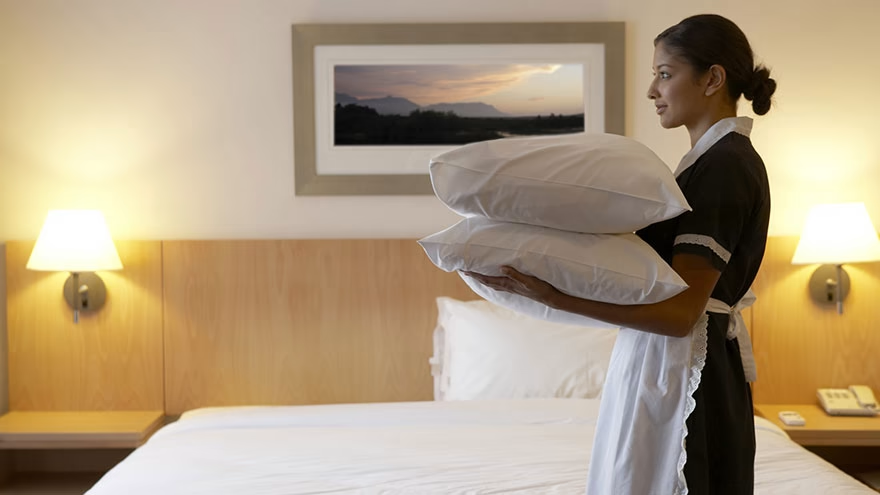
Top 5 Places Where Hotel Room Germs Hide focuses on high-touch surfaces, not fear. A hotel room can look clean and still have items that many hands touch between deep cleanings. A few minutes of basic hygiene can reduce exposure without turning travel into a cleaning project.
This is general health education. People with weakened immune systems, recent surgery, chemotherapy, transplant medicines, or serious chronic illness should ask their clinician for travel precautions.
The Remote Control
The TV remote is handled often, may have grooves around buttons, and is easy to miss during quick room turnover. It is one of the first items worth wiping because it moves from bed to desk to nightstand.
Use a disinfecting wipe if you have one and follow the product contact time. If not, wash hands after using it and avoid snacking while handling it.
Light Switches And Lamps
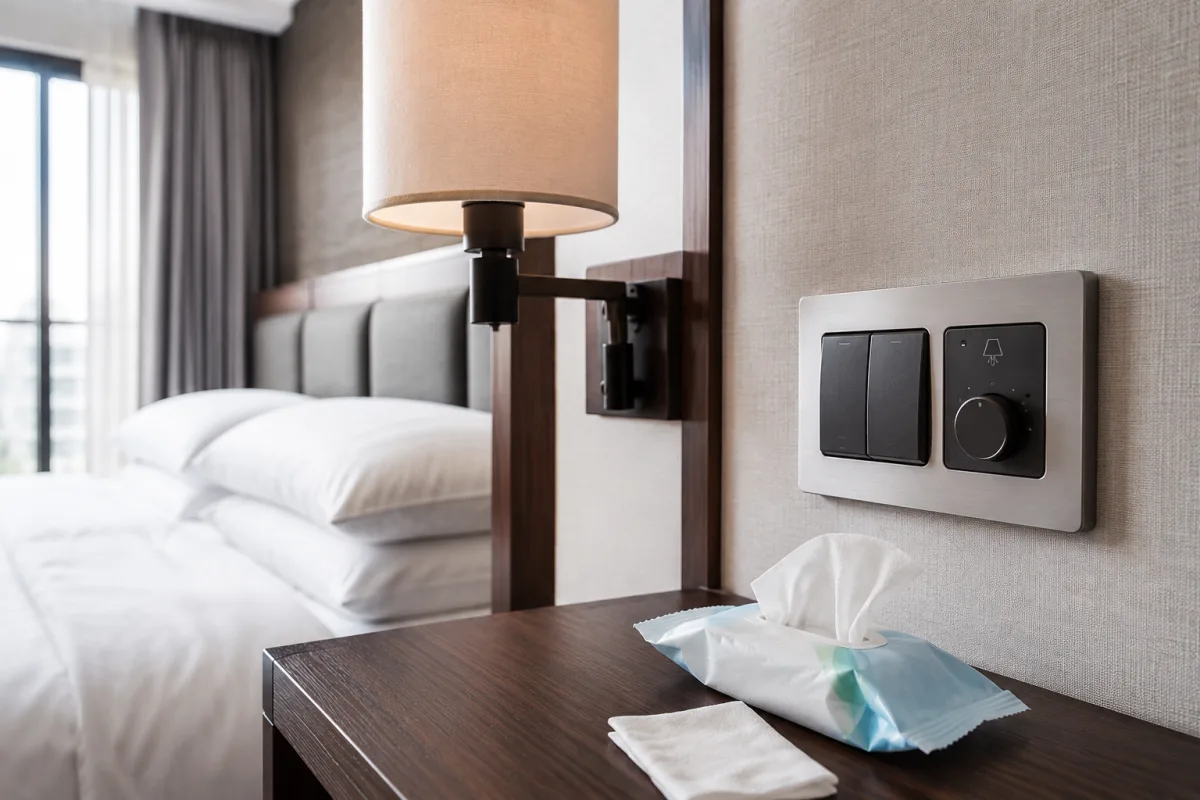
Light switches, lamp knobs, and bedside controls are touched right after guests enter, before handwashing, and during the night. These small surfaces can be missed because they do not look dirty.
CDC guidance says cleaning removes most germs and that surfaces should be cleaned before disinfecting. The CDC page on cleaning and disinfecting explains why cleaning comes first.
Door Handles And Locks
Entry handles, bathroom handles, closet pulls, deadbolts, and balcony locks get frequent hand contact. They are also touched while carrying luggage, food, phones, and travel documents.
A quick wipe on handles and locks is practical because these surfaces are small. Wash hands after unpacking and before eating.
Bathroom Touch Points
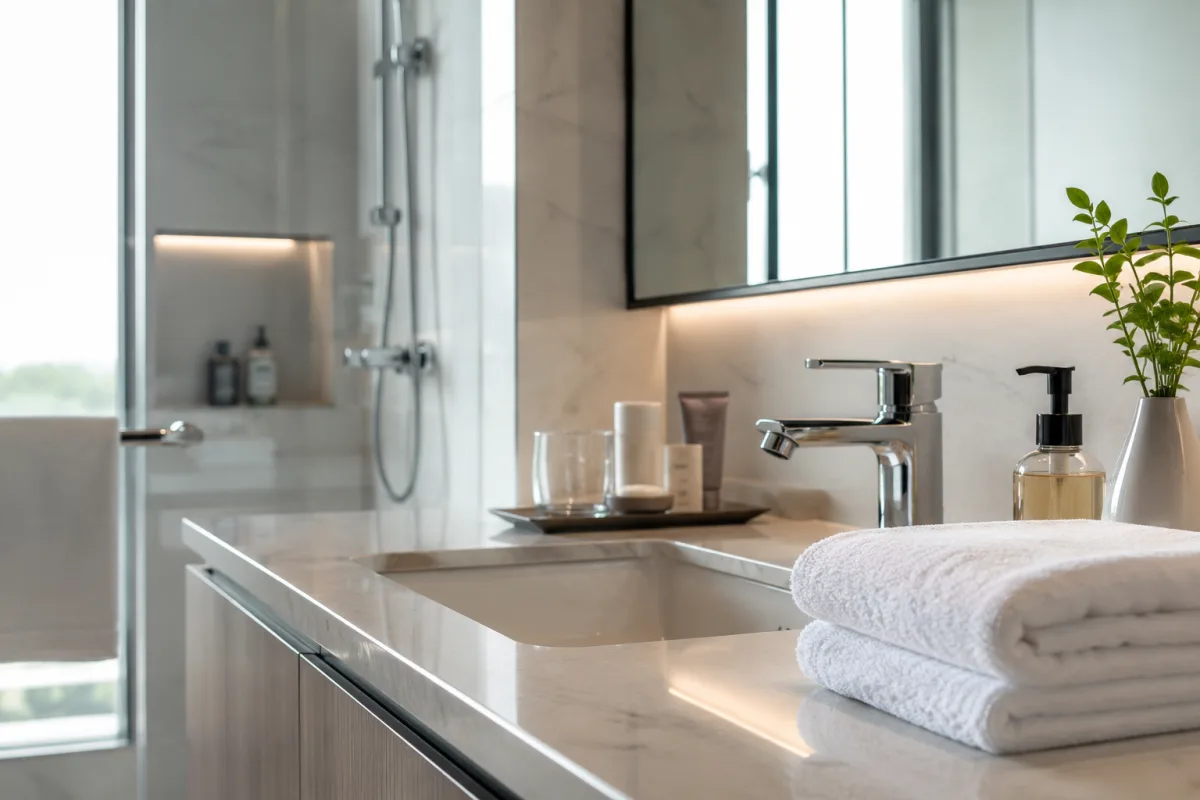
Faucet handles, toilet flush levers, hair dryer handles, counter edges, and shower controls are common touch points. Bathroom moisture can also make surfaces feel less fresh even when they have been cleaned.
CDC facility guidance notes that high-touch surfaces may need more frequent cleaning in busy spaces. See CDC's facility cleaning guidance for the high-touch surface principle.
Desk And Nightstand Surfaces
Desks and nightstands collect phones, keys, wallets, food bags, makeup, medicine, and laptops. They may look tidy but still receive constant contact from previous guests.
Wipe the area where you will place food, contact lenses, medicine, or a toothbrush case. Keep personal items off the floor when possible.
Phone And Alarm Clock
Hotel phones and alarm clocks may not be used by every guest, which can make them easy to ignore. But the guest who does use them may hold them close to the face or touch buttons repeatedly.
If you do not need the phone, leave it alone. If you do, wipe the handset and keypad first. Use your own phone alarm instead of the room clock when practical.
Soft Surfaces
Throw pillows, decorative bed runners, upholstered chairs, and curtains are harder to disinfect than hard surfaces. Many hotels have reduced some decorative fabrics, but not all rooms are the same.
You do not need to panic about every fabric. If a decorative pillow looks worn or unnecessary, move it aside and wash hands after handling it.
Ice Buckets And Coffee Gear
Ice buckets, lids, coffee makers, mugs, and trays deserve a quick look. Wrapped cups are easier to trust than unwrapped cups. Coffee machine reservoirs can be awkward to inspect.
If something looks dirty, skip it or ask for a replacement. Use bottled water or lobby coffee if the in-room setup feels questionable.
Safer Wipe Routine
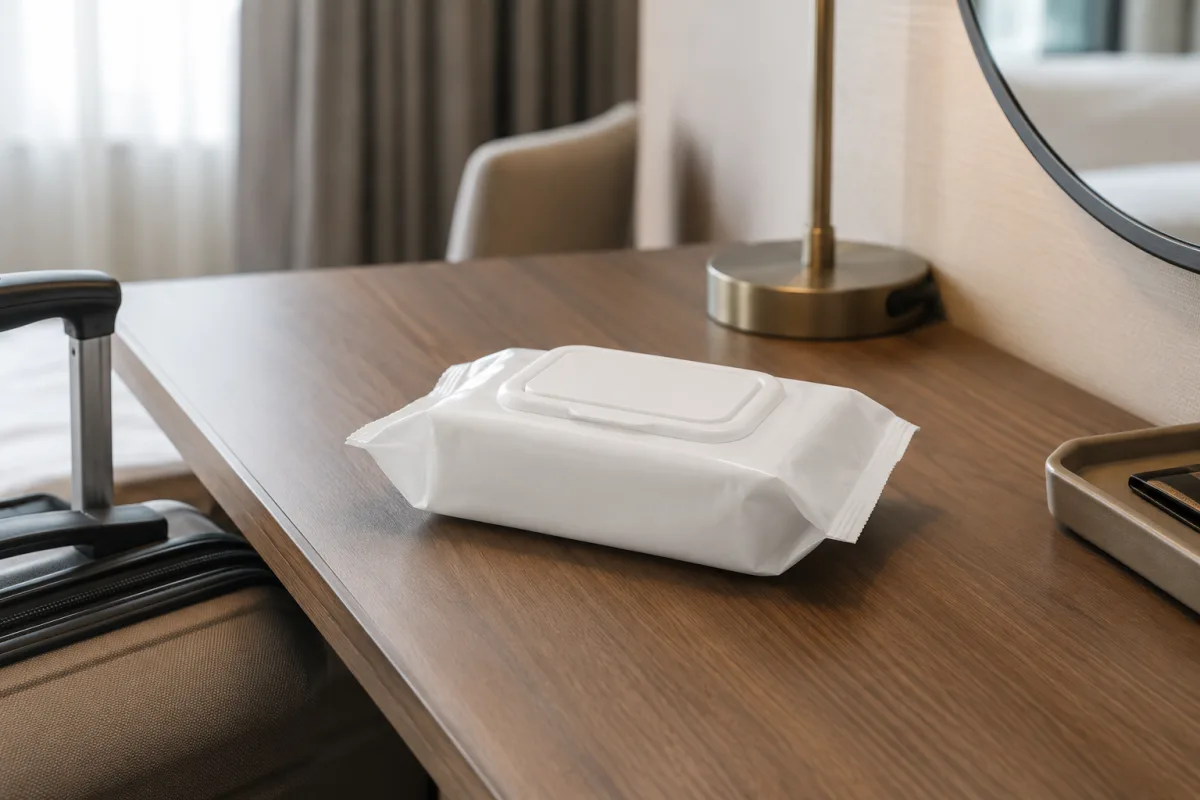
A practical routine is remote, switches, handles, bathroom faucet, toilet lever, desk area, and phone if used. That takes only a few minutes and targets the surfaces most likely to be touched.
Avoid spraying chemicals into electronics. Use wipes lightly and let surfaces dry. Keep disinfectants away from children, eyes, and food.
Hand Hygiene Wins
The biggest habit is still handwashing. Wash after arriving, after unpacking, before eating, after bathroom use, and after touching high-contact surfaces in public areas. Hand sanitizer helps when soap and water are not available.
Livecub's food journal guide is not about germs, but it can help travelers track foods if stomach symptoms appear during a trip.
For Older Travelers
Older adults and people with health conditions may want a simpler routine: wipe high-touch spots, avoid visibly dirty items, keep medicines off counters, and wash hands before handling pills or medical devices.
Livecub's elderly motivation guide is related to maintaining routines while traveling.
Do Not Overdo It
A hotel room does not need to become sterile. Over-cleaning with strong smells can irritate asthma, migraine, skin, or eyes. Focus on surfaces you will actually touch often.
For anxiety around public performance or travel stress, Livecub's stage fright guide covers a different kind of stress response.
What To Pack
A small travel hygiene kit can include hand sanitizer, a few disinfecting wipes, tissues, a zip bag for used wipes, and a spare toothbrush cover. Keep it simple enough that you will actually use it after a late flight.
Do not pack harsh cleaners that can leak, bleach fabrics, or irritate your lungs. Use products as labeled and keep them away from children and pets.
Check Before Unpacking
Before spreading clothes across the room, scan for visible spills, sticky surfaces, hair in the bathroom, stained bedding, or strong odors. If the room seems poorly cleaned, ask the front desk for a different room instead of trying to fix everything yourself.
Once the room passes a basic check, wipe the few surfaces you will touch often. Put luggage on a rack rather than on the bed when possible.
Food And Medicine Habits
Keep snacks, supplements, contact lenses, and medicine away from bathroom counters and remote controls. Use a clean napkin, tray, or travel pouch as a barrier if the desk surface is questionable.
If you prepare baby bottles, injections, or medical devices in the room, wipe the work area first and wash hands carefully. People with medical needs should keep the routine predictable.
After Public Areas
Hotel germs are not only inside the room. Elevator buttons, breakfast tongs, lobby pens, gym equipment, and vending machines are also high-touch surfaces. Wash hands when returning to the room, especially before touching your face or eating.
A steady habit matters more than a perfect room wipe. Travel days are messy, so repeat the basics after the dirtiest moments.
Kids In Hotel Rooms
Children touch floors, remotes, curtains, bathroom fixtures, and elevator buttons without thinking about it. For family travel, wipe the remote and nightstand, keep snacks off bare surfaces, and put pacifiers or bottles in a clean pouch.
Make handwashing part of the room routine: after arriving, before eating, after the bathroom, and after playing on shared hotel surfaces. Short, repeated habits work better than long lectures.
Gym And Pool Gear
Hotel gyms, pool gates, lounge chairs, and towel bins are shared spaces. Wash hands after using equipment, shower after swimming, and keep water bottles and towels from sitting directly on questionable surfaces.
If you have cuts, rashes, or immune concerns, be more cautious with shared wet areas. Ask staff about cleaning if something looks dirty rather than assuming it is fine.
What Not To Touch
You can reduce contact by skipping items you do not need: room phone, decorative pillows, unwrapped cups, minibar controls, and printed binders. Less handling means fewer surfaces to worry about.
This is not about fear. It is just efficient travel hygiene: touch fewer shared items, wash hands at the right times, and keep personal items clean.
Checkout Habit
Before leaving, wash hands after packing shoes, laundry, bathroom items, and shared room objects. Travel days involve many surfaces, so one final handwash before snacks, coffee, or the ride home is a simple closing habit.
Frequently Asked Questions
What is the dirtiest item in a hotel room?
The remote control is often a concern because many hands touch it and buttons are hard to clean.
Should I disinfect a hotel room?
A quick wipe of high-touch surfaces is reasonable, especially before eating or unpacking personal items.
Are hotel bathrooms unsafe?
Most are cleaned, but faucet handles, flush levers, and counters are high-touch surfaces worth attention.
Should I bring disinfecting wipes?
They can help. Follow label directions and avoid soaking electronics.
Is handwashing enough?
Handwashing is one of the most useful steps and should be paired with basic surface awareness.
The Practical Takeaway
The top hotel room germ spots are usually the remote, switches, handles, bathroom controls, and desk or nightstand surfaces. A short wipe routine and steady hand hygiene are enough for most travelers.

Timothy Davidson
Edits step-by-step general-interest guides for clarity, realistic limits and source verification.


Leave a reply
Replying to