

About Older Women & the Risk of Pregnancy should be handled without stigma. Pregnancy at 35 or older is common, and many people have healthy pregnancies, but risks and fertility questions do change with age.
This is general pregnancy education, not medical advice. Anyone planning pregnancy after 35 should consider preconception care and early prenatal care tailored to their health history.
Use Better Language
Terms like geriatric pregnancy can feel harsh. Many clinicians now use advanced maternal age, often meaning anticipated delivery at age 35 or older.
The label is a risk marker, not a judgment. It should lead to better counseling, not fear or shame.
Fertility Changes

ACOG says fertility begins to decline by age 30 and declines faster in the mid-30s. Its having a baby after 35 FAQ explains how aging affects fertility and pregnancy.
The chance of miscarriage and chromosomal conditions also rises with age, especially into the late 30s and 40s.
Preconception Visit
A preconception visit can review blood pressure, diabetes, thyroid disease, medicines, vaccines, prior pregnancy history, weight, family history, and timing of prenatal vitamins.
This visit is especially useful for people using fertility treatment, donor eggs, existing medications, or care from several specialists.
Genetic Screening
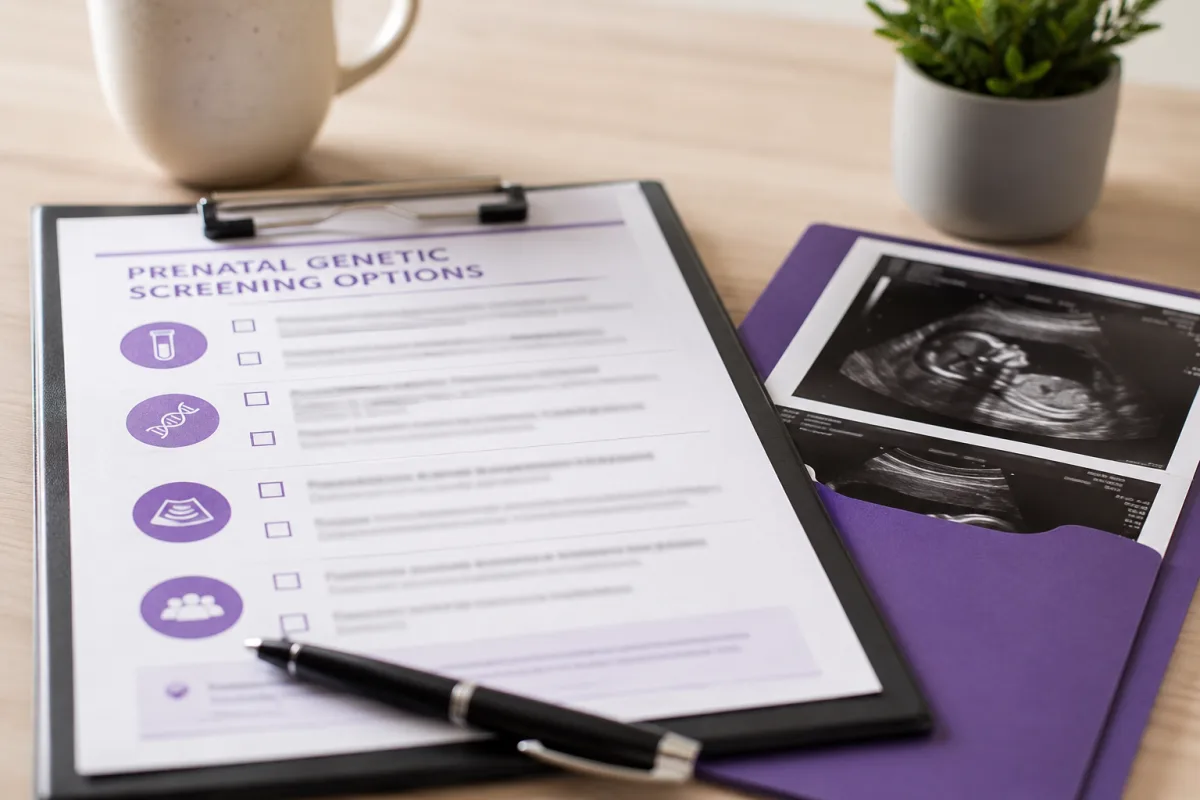
Older age can increase the chance of chromosomal conditions, but screening and diagnostic testing decisions are personal. ACOG says every patient has the right to accept or decline prenatal genetic screening and diagnostic testing in its current genetic screening guidance.
Screening estimates risk; diagnostic testing can provide more definitive information but may carry procedure risks. Ask for nondirective counseling.
Miscarriage And Stillbirth
Risk of miscarriage and stillbirth rises with age, though individual risk depends on health, pregnancy history, and fetal factors. This is one reason early and consistent prenatal care matters.
A risk increase does not mean a bad outcome is expected. It means monitoring and planning should be thoughtful.
High Blood Pressure
Older pregnant patients have higher risk of hypertensive disorders such as preeclampsia. Blood pressure checks, symptom awareness, and aspirin discussions may be part of care for some people.
Call the care team for severe headache, vision changes, right upper belly pain, sudden swelling, chest pain, or shortness of breath.
Gestational Diabetes
Gestational diabetes risk can rise with age. Screening, nutrition, movement, and sometimes medication help reduce risk to the parent and baby.
If nausea makes balanced eating difficult, Livecub's bland diets for pregnancy guide may help with gentle food ideas, but diabetes nutrition needs clinician guidance.
Multiples
Fertility treatment and age can increase the chance of twins or higher-order multiples. Multiple pregnancy carries higher risks for preterm birth, growth issues, and delivery complications.
Ask early how many embryos are recommended in fertility treatment and what monitoring would look like if multiples occur.
Cesarean And Labor
Cesarean birth, induction, and labor complications may be more common with older maternal age, depending on health, baby position, prior births, and pregnancy complications.
The goal is not to predict one delivery path. It is to understand options before labor begins.
ACOG Risk Guidance
ACOG's obstetric care consensus on pregnancy at age 35 years or older notes increased risks of adverse outcomes and supports evidence-based care to reduce harm.
Care may include detailed ultrasound, growth monitoring, antenatal testing, or delivery timing discussions depending on age and health.
Emotional Pressure
Older pregnant people may hear too many opinions about timing, fertility, family size, or risk. That pressure can make normal pregnancy anxiety heavier.
If mood symptoms are strong, Livecub's depression during pregnancy guide may be a helpful support article.
First Signs And Testing
Early pregnancy symptoms can be subtle at any age. Confirming pregnancy and starting prenatal care early gives more time for medication review and screening choices.
Livecub's first-week pregnancy signs article covers early symptoms, but testing and care should guide decisions.
Body And Relationship Changes
Pregnancy after 35 can happen alongside career pressure, older children, caregiving, or partnership changes. Physical and emotional support may need more planning.
Livecub's staying intimate during pregnancy article and feeling attractive during pregnancy guide cover two common personal sides of pregnancy.
Exercise And Health
Movement, sleep, nutrition, and chronic-condition management can support pregnancy, but they do not erase age-related risk. Ask what activity is safe for the exact pregnancy.
People who were active before pregnancy may continue many activities with modifications if the care team agrees.
Birth Planning

Birth planning for older pregnant patients should include hospital choice, maternal-fetal medicine referral if needed, support person, postpartum help, and emergency symptoms.
A plan should be flexible. Risk can change as blood pressure, growth, placenta, diabetes screening, or fetal testing results change.
Most Outcomes Are Not Defined By Age Alone
Age matters, but it is only one factor. A healthy 38-year-old and a 38-year-old with several chronic conditions may need different care plans.
Ask clinicians to explain personal risk, not only age categories. Good counseling makes the numbers usable.
Postpartum Planning
Older parents may have stronger support systems, but they may also be balancing work, older children, fertility recovery, or chronic conditions. Postpartum planning should begin before delivery.
Plan meals, rides, sleep shifts, blood pressure follow-up if needed, and who can help if recovery is harder than expected.
Fertility Help Timing
People over 35 are often advised to seek fertility evaluation sooner than younger people if pregnancy does not happen after trying. Those over 40 may be advised to ask even earlier.
A fertility visit does not force treatment. It gives information about timing, options, and realistic next steps.
Chronic Conditions
High blood pressure, diabetes, thyroid disease, autoimmune conditions, kidney disease, and heart conditions can affect pregnancy risk at any age, but they are more common as people get older.
Optimizing health before pregnancy can reduce avoidable risk and give the care team a clearer starting point.
Medication Review
Some medicines are not ideal during pregnancy, while stopping others can be dangerous. A preconception medication review can adjust treatment before a positive test.
Include prescriptions, over-the-counter medicines, supplements, acne medicines, migraine drugs, and mental health medications.
Fetal Growth Monitoring
Older maternal age may lead clinicians to discuss fetal growth checks or antenatal testing later in pregnancy, especially if other risk factors are present.
Monitoring should be explained in plain language: what it checks, what results would change, and what happens next.
Delivery Timing
Delivery timing may be discussed more carefully for pregnancies at older ages, especially age 40 and above or when complications develop.
This does not mean every older patient needs the same plan. It means timing should reflect individual risk, fetal testing, and maternal health.
Partner Age
Paternal or sperm-source age can also matter for fertility and some risks, though counseling often focuses on the pregnant person's age. Bring both histories to preconception care when possible.
This is not about blame. It is about giving clinicians the full picture before choosing testing or fertility steps.
Financial And Care Support
Older parents may be more financially settled, but pregnancy care, fertility treatment, unpaid leave, childcare, and postpartum help can still be costly.
A practical risk plan includes insurance coverage, leave timing, emergency contacts, transport, and support after delivery.
Do Not Skip Routine Care
Because age draws attention, people sometimes focus only on genetic testing or specialist visits. Routine prenatal care still matters: blood pressure, urine checks, vaccines, labs, ultrasound, and symptom reporting.
Small routine checks often catch problems early enough for better planning.
Questions To Ask
Ask what risks are personal to you, what extra monitoring is recommended, what symptoms require a call, and how age affects delivery timing. Ask again if answers are unclear.
A good visit should leave you with next steps, not only a list of possible complications.
Frequently Asked Questions
What age is considered advanced maternal age?
It usually refers to anticipated delivery at age 35 or older.
Can older women have healthy pregnancies?
Yes. Many do, but fertility, miscarriage, chromosomal conditions, blood pressure, diabetes, and delivery risks can increase with age.
Should I have a preconception visit after 35?
Yes, it can help review medicines, chronic conditions, vaccines, prenatal vitamins, and fertility timing.
Is genetic testing required?
No. Patients can accept or decline screening and diagnostic testing after counseling.
Does age alone decide delivery method?
No. Delivery planning depends on age, health, fetal status, prior births, placenta, baby position, and pregnancy complications.
Pregnancy after 35 deserves clear facts without shame. Age changes fertility and risk, but individualized care matters more than a label.

Olivia Prete
Edits culture and personal-development articles, distinguishing opinion and experience from verifiable claims.




Leave a reply
Replying to