
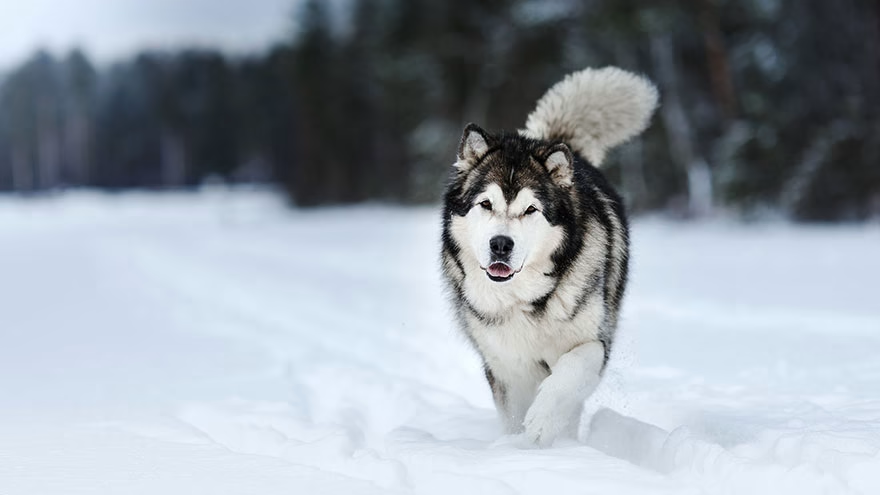
A Powerful Working Dog, Not a Snowy Decoration
Alaskan Malamute breed information should start with work. The Malamute is a large northern breed developed for strength, endurance, and hauling heavy loads. This is not a light-duty lap dog with a thick coat. It is a social, powerful companion that needs training, exercise, grooming, and an owner who respects its history.
The American Kennel Club's Alaskan Malamute page describes the breed as loyal, playful, and affectionate. Those traits are real, but the breed is also strong, independent, and capable of making bad choices if undertrained or bored. A Malamute can be wonderful in the right home and exhausting in the wrong one.
The best owners enjoy outdoor activity, structure, brushing, and a dog with a strong mind. They do not choose the breed only for looks. A Malamute needs purpose and boundaries as much as affection.
That purpose does not have to mean competitive sled work. It can mean structured walks, hiking, pulling sports with proper instruction, obedience practice, and household routines that make sense to the dog. What usually fails is a life with no job, no boundaries, and a frustrated owner hoping the dog will grow out of being a Malamute.
Temperament and Family Life
Malamutes are often friendly with people and deeply attached to their families. Many are playful and expressive. They may talk, woo, lean, dig, carry things, and make their opinions known. They are not usually natural guard dogs in the way some people expect, but their size alone can make visitors notice them.
With children, supervision matters. A Malamute can be gentle, but a large excited dog can knock over a child without meaning harm. Teach calm greetings, no riding, no tail pulling, and no food teasing. Children should also learn that a resting dog is not an invitation.
With other animals, history matters. Some Malamutes have strong prey drive or same-sex dog conflict. Early socialization helps, but it does not erase instincts. Use fences, leashes, gates, and careful introductions. Do not assume friendliness with people means safety with every pet.
Ask breeders how their adult dogs live with other dogs and what they have seen in the family line. Honest answers are better than promises. A Malamute can be social and still need careful management around smaller animals, food, or unfamiliar dogs.
Exercise and Mental Work
Malamutes need movement, but owners should choose age-appropriate activity. Adult dogs may enjoy hiking, pulling sports, long walks, backpacking practice, and winter activity. Puppies need controlled growth and safe surfaces. Forced mileage too early is not a good plan for a large developing dog.
Mental work matters too. Training, food puzzles, scent games, calm leash walks, and structured pulling outlets can help. A bored Malamute may dig, howl, chew, escape, or redesign the yard. A tired body without a trained mind may still make trouble.
Owners should also plan rest. Active dogs need the skill of settling after movement. Teach a mat, crate, or quiet place early. A Malamute that can relax indoors is easier to include in family life and easier to manage during bad weather.
If you are comparing active breeds, Livecub's German Shorthaired Pointer questions shows a different kind of high-energy dog. Malamutes are not pointers, but both breeds require owners who plan activity before problems start.
Training a Strong Northern Breed
Training should begin early and stay consistent. Teach name response, leash manners, recall foundations, leave it, drop it, settle, crate comfort, and polite greetings. A Malamute that pulls at six months can become difficult to handle at full size. Do not wait for strength to become a problem.
Use rewards, patience, and clear rules. Malamutes can be independent, so drilling the same task for too long may create resistance. Short sessions and real-life practice usually work better. Teach the dog what to do, not only what not to do.
Secure containment matters. Many Malamutes dig and explore. A weak fence or loose gate is an invitation. Off-leash reliability is not guaranteed, especially around wildlife, livestock, or small animals. Manage the environment instead of betting on a perfect recall in every situation.
Coat Care and Heat Safety
The Malamute coat is thick and seasonal. Expect shedding, including heavy coat blow periods. Brushing is not optional if you want the dog comfortable and the house manageable. The coat insulates, so shaving is usually not the answer unless a veterinarian has a medical reason. Ask a groomer or breeder how to manage the coat properly.
Heat safety is part of coat care. Malamutes are built for cold work, not hot afternoons. In warm weather, exercise early or late, provide shade and water, and watch for signs of heat stress. Avoid hot pavement and intense activity when humidity is high. A northern breed can overheat even if it still wants to keep moving.
Coat care also gives you a weekly health check. Look for hot spots, burrs, broken nails, ear odor, sore paw pads, lumps, and weight changes. Heavy coat can hide problems until they are uncomfortable. Brushing is not only about the house; it is about finding small issues early.
For grooming habits in another coat type, Livecub's longhair Dachshund grooming guide is useful because it reinforces the value of routine handling. The Malamute coat is much heavier, but the habit of calm care starts the same way.
Health Testing and Breeder Questions
The Alaskan Malamute Club of America's health page gives buyers a starting point for breed health topics. The OFA's CHIC page for Alaskan Malamutes lists breed-specific testing expectations, including hip evaluation and eye examination, with additional tests noted for responsible screening.
Ask breeders about hips and eyes, polyneuropathy, temperament, working ability, longevity, and family history. Ask for registered names and verifiable results. A breeder who has done testing should be comfortable explaining it. A seller who focuses only on size, coat, or color is not giving you enough information.
Ask also how puppies are raised. Surfaces, sounds, handling, crate starts, grooming practice, and social exposure all matter. A powerful breed benefits from early structure before the puppy is strong enough to make every mistake bigger.
Ask what the breeder expects from buyers during the first year. A useful answer should cover food, growth, exercise limits, socialization, grooming, and training. A breeder who only talks about size and coat is skipping the parts that decide whether the puppy becomes livable.
The first year should build reliable habits. Practice leash skills before the dog is fully strong, reward calm handling before grooming gets hard, and teach the puppy to rest after activity. A Malamute that learns routine early is still a Malamute, but the household has better tools for adolescence and adult strength. That preparation changes daily life. It also protects the relationship over a long life.
The Right Home for a Malamute
A Malamute often fits a home with space, secure fencing, outdoor habits, training interest, and tolerance for shedding. Apartments can work only for owners who are deeply committed to exercise and grooming, but many homes will find the breed easier with a yard and outdoor access. The yard still does not train the dog for you.
Owners should be ready for food cost, grooming time, large-dog veterinary bills, travel limits, and strong leash handling. If you like reading about size decisions, Livecub's biggest dog breeds can help frame the practical side of living with large dogs. Livecub's Rottweiler questions also shows how strength changes responsibility, even in a different breed.
The right Malamute home is active, steady, and realistic. It gives the dog work, rest, grooming, and boundaries. In return, the breed offers humor, loyalty, and a strong presence that is hard to forget.
Frequently Asked Questions
Are Alaskan Malamutes good family dogs?
They can be good family dogs for homes that train, supervise children, manage strength, and provide enough exercise. They are not a casual low-effort breed.
Do Malamutes shed a lot?
Yes. They have a heavy double coat and shed heavily during seasonal coat changes. Regular brushing and coat-management tools are part of ownership.
Can Malamutes live in hot climates?
They can live in some warmer areas with careful management, but heat safety becomes a major responsibility. Exercise timing, shade, water, and indoor cooling matter.
What should I ask a Malamute breeder?
Ask about health testing, hips, eyes, polyneuropathy, temperament, working ability, socialization, contract terms, return policy, and support after pickup.

Tory Stearns
Edits practical household, travel and lifestyle explainers. Claims that can change are linked to current primary or subject-authority sources.


Leave a reply
Replying to