
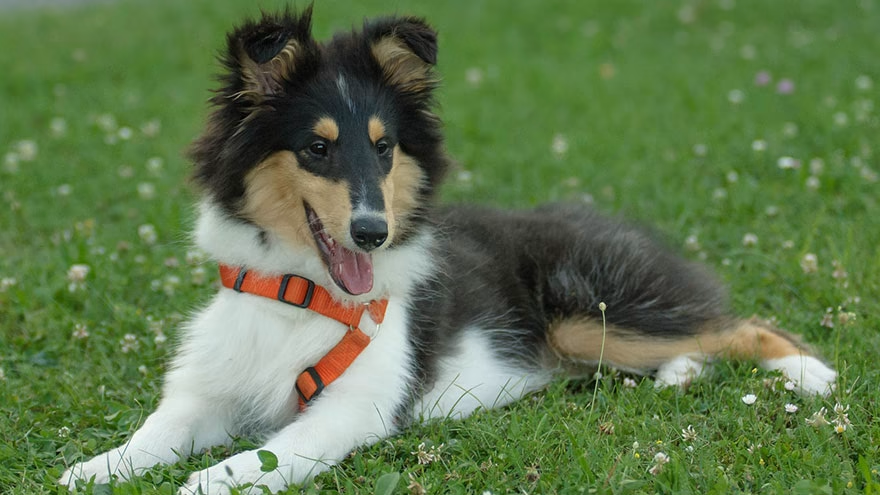
What Is the Small Collie Dog Breed? usually points to the Shetland Sheepdog, often called the Sheltie. It looks like a smaller rough Collie at first glance, but it is its own breed with its own history, size range, temperament, coat, and health considerations.
If you want a small, smart, long-coated herding dog, a Sheltie may be the dog you mean. If you want a quiet lap dog with little grooming, it may not be the match you picture.
The Small Collie Is Usually A Sheltie
The AKC's Shetland Sheepdog breed page describes the Sheltie as a small, active, agile herding dog from Scotland's Shetland Islands with a strong family resemblance to the Collie. That resemblance is why people often call it a small Collie.
Technically, though, the Sheltie is not just a miniature Collie. Breed standards, size, movement, temperament, and history are distinct. The shorthand is useful for appearance, but not for choosing a dog.
Size And Appearance
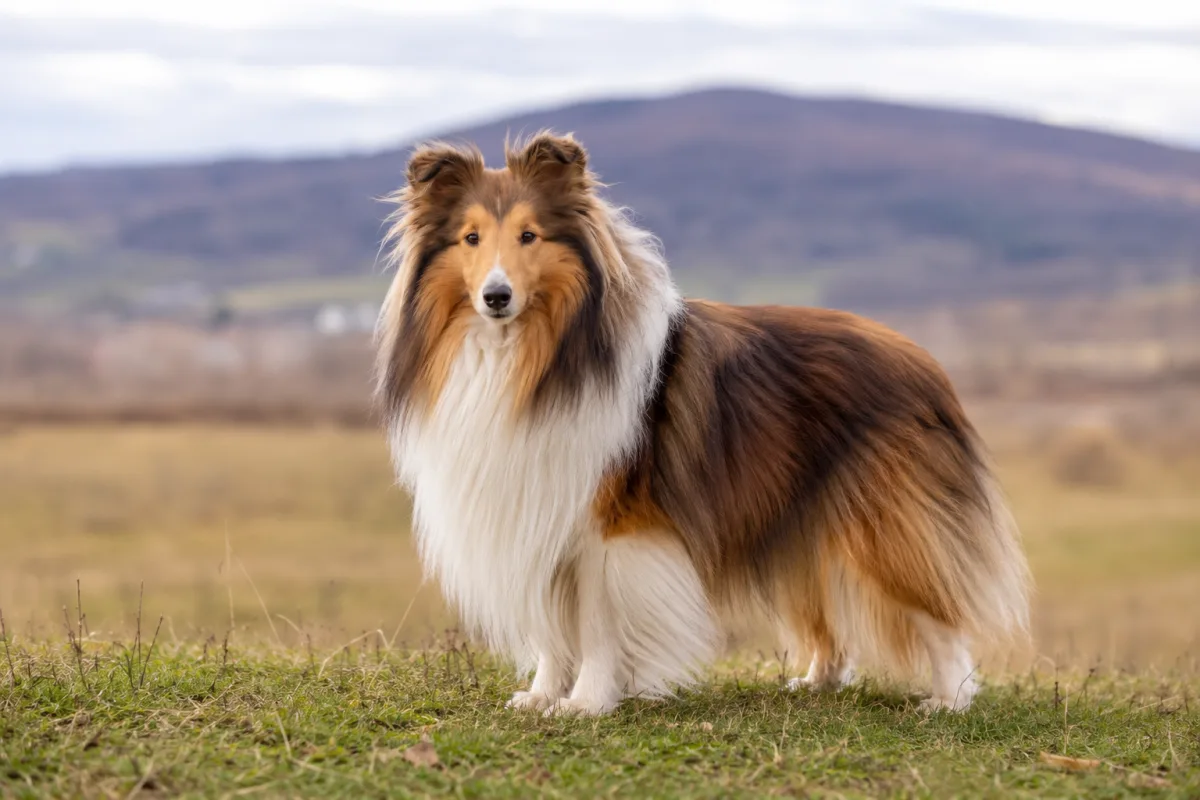
Shelties are commonly 13 to 16 inches at the shoulder in the AKC standard. They have a wedge-shaped head, alert expression, long double coat, mane, feathering, and a light, quick way of moving. Common colors include sable, black, and blue merle with white or tan markings.
The American Shetland Sheepdog Association's AKC standard page calls the breed small, alert, rough-coated, longhaired, sound, agile, and sturdy. Those words are useful because a Sheltie should not feel fragile or toy-like.
Temperament And Sensitivity
Shelties are usually intelligent, responsive, loyal, and watchful. Many are affectionate with family and reserved with strangers. Reserved does not mean fearful. A well-socialized Sheltie should be able to observe new people without panic or sharp behavior.
This is a sensitive breed. Harsh handling can backfire. Use clear cues, food rewards, play, and calm repetition. If a Sheltie worries, make the training setup easier instead of raising pressure.
Noise sensitivity is another point to ask about. Thunder, fireworks, traffic, and busy homes can unsettle some Shelties. Early, gentle exposure and a quiet resting place help, but a very sound-sensitive dog may need a household that can manage triggers carefully.
Exercise And Mental Work
Shelties are small, but they are herding dogs. They need daily movement and a job for the brain. Walks, recall games, trick training, agility, obedience, scent games, and controlled fetch can all help. A bored Sheltie may bark, chase, pace, or invent work.
If you are comparing activity levels, Livecub's German Shorthaired Pointer questions show a much more intense sporting breed, while Maltese questions show a small companion breed. Shelties sit in their own lane: small body, busy brain.
A good daily plan can be simple: a morning walk, a short training session, a brushing touch-up, and an evening game. Many Shelties enjoy learning because it gives their alert minds somewhere to go. Repetition should stay cheerful, not mechanical.
Barking And Herding Instinct
Many Shelties bark. They may alert to doors, neighbors, birds, cars, or movement outside the window. They may also chase running children, bicycles, or pets if herding instinct is not managed. Training should begin early.
Teach quiet, go to mat, recall from motion, and leave it. Block window rehearsal when needed. Do not punish the dog for noticing the world; teach a better response after the alert.
For a puppy, practice with easy triggers first: a family member walking past the window, a low doorbell recording, or a bicycle at a distance. Reward the dog for looking back at you. If the dog is already barking hard, you are too close or the trigger is too strong.
Grooming The Double Coat
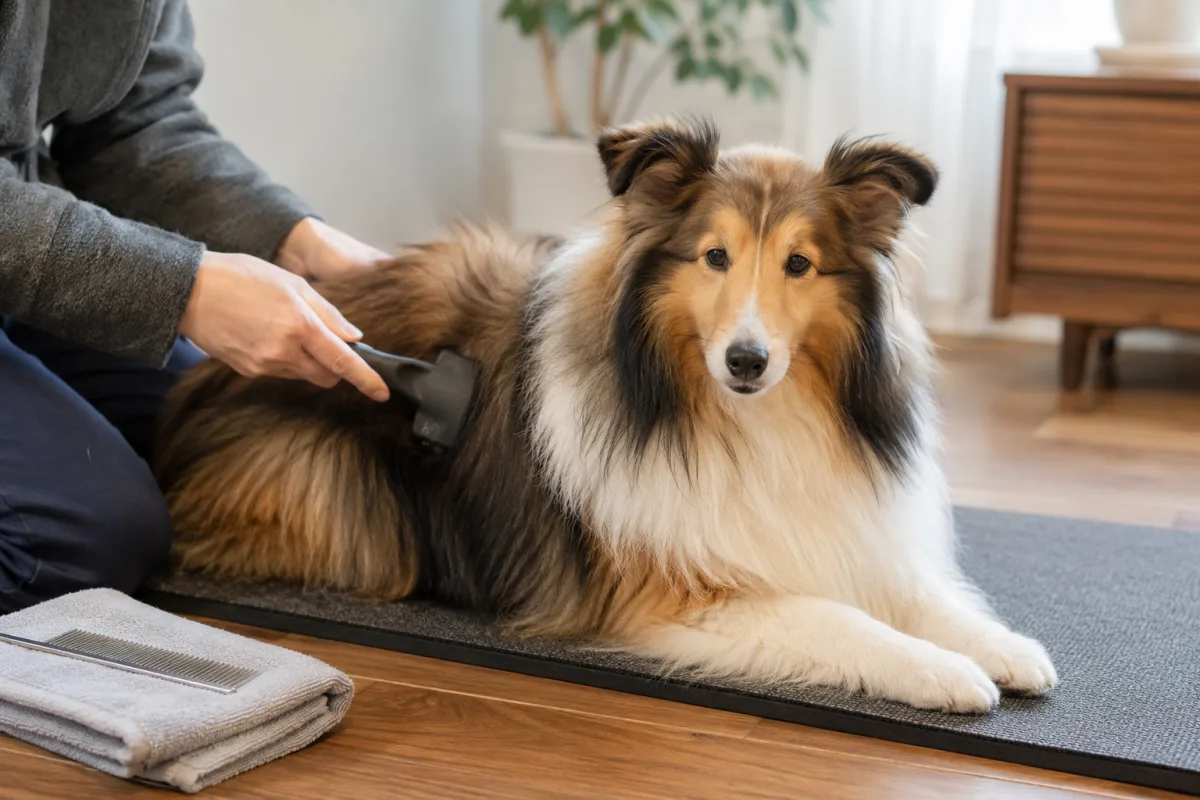
A Sheltie coat needs regular brushing. The long outer coat and dense undercoat can mat behind ears, under legs, around the collar, and in the rear feathering. Heavy shedding seasons may require more frequent work.
Livecub's longhair Dachshund grooming guide covers a different coat, but the habit applies: gentle, routine handling prevents grooming from becoming a fight. Teach brushing and paw handling early.
Do not shave the coat casually for summer. The double coat helps with insulation and skin protection. If mats are severe or heat comfort is a concern, ask a skilled groomer or veterinarian what is safest for that dog.
Health Questions For Breeders
The American Shetland Sheepdog Association lists recommended health tests for Shelties. Buyers should ask about hips, eye exams, von Willebrand disease, MDR1, thyroid, dermatomyositis, and other current breed-club recommendations.
Do not accept "vet checked" as a substitute for documented breed screening. A regular exam is useful, but it does not replace eye clearance, DNA status, or orthopedic records when those tests are relevant.
For rescue dogs, records may be incomplete. Ask what is known about eyes, skin, gait, noise sensitivity, medication, and grooming tolerance. Unknown history is manageable when the adopter starts with a vet exam and realistic expectations.
Is A Sheltie Good With Children?
Many Shelties live well with children who understand gentle handling. Problems are more likely when children run, shriek, grab, or chase the dog. A herding dog may try to control movement. Supervision and training protect both sides.
Teach children to toss treats, cue simple behaviors, and let the dog leave. A Sheltie that has an escape path is less likely to feel cornered.
Because Shelties can be sensitive to sound and fast movement, match the puppy or adult dog to the household honestly. A busy home with toddlers may need an especially confident dog and careful management. A quieter home may suit a softer Sheltie better.
Visitors should follow the same rules. Let the dog approach, reward calm behavior, and do not force lap time. Trust grows faster when the Sheltie can choose distance.
Apartment Or House?
Shelties can live in apartments if barking, exercise, and mental work are handled. A yard is useful, but it is not training. A bored Sheltie in a yard may bark at everything. A well-exercised Sheltie in an apartment may be easier than expected.
If you are comparing breed sizes, Livecub's largest dog breeds guide makes the opposite point. Size affects logistics, but temperament and work needs decide daily life.
Daily structure helps in any home. Give the dog predictable walks, a training session, a brushing routine, and a quiet place to rest. A Sheltie that understands the day is less likely to invent work at the window.
If neighbors are close, begin sound training before complaints start. Reward quiet after hallway noise, use curtains or window film, and give the dog a rest area away from the busiest wall or door.
That setup helps the dog practice calm before barking becomes the default answer at home during ordinary daily noise.
Sheltie Versus Collie
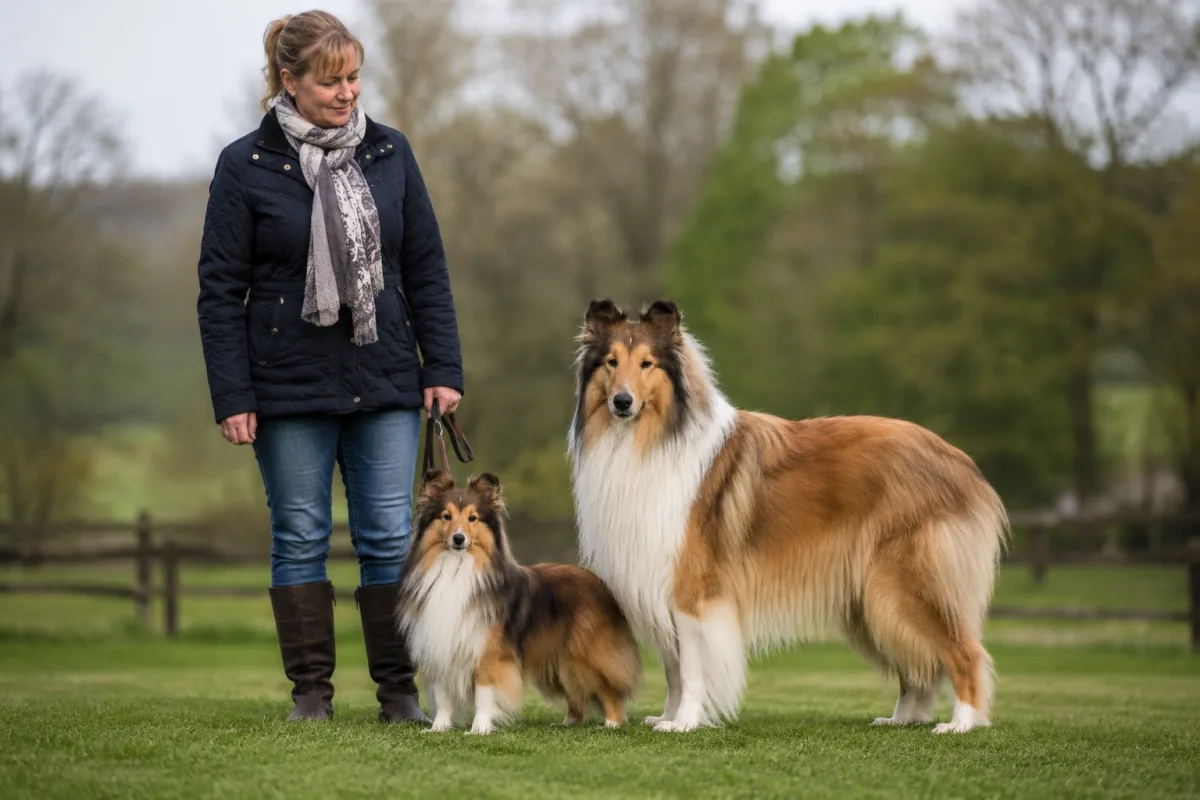
A rough Collie is larger and usually has a different presence. A Sheltie is smaller, quick, alert, and often more vocal. Both can be devoted family dogs, but a Sheltie is not just a space-saving Collie. Meet both breeds before choosing.
Ask breeders and rescue groups about sound sensitivity, barking, social confidence, grooming tolerance, and energy. Those details matter more than the nickname "small Collie."
Meet adult dogs if possible. Puppies are charming in every breed, but adults show the coat, voice, movement, and temperament you will live with. A breeder or rescue that invites careful questions is usually a better sign than one selling only by looks.
If the main appeal is the Collie look, pause before buying. If the appeal is a trainable, sensitive, vocal herding dog with coat care needs, then the Sheltie may be a far better fit.
Frequently Asked Questions
Is a Sheltie a miniature Collie?
No. A Sheltie resembles a small rough Collie, but it is a separate breed.
How big does a Sheltie get?
The AKC standard places Shelties at 13 to 16 inches at the shoulder.
Do Shelties bark a lot?
Many do. They are alert herding dogs, so early quiet training and trigger management help.
Are Shelties easy to train?
They are very smart and responsive, but sensitive. Reward-based, calm training works best.
Do Shelties need much grooming?
Yes. Their long double coat needs regular brushing and extra care during shedding seasons.
The Best Name For The Breed
The small Collie dog breed most people mean is the Shetland Sheepdog. Call it a Sheltie, learn its herding nature, plan for brushing and barking, and choose based on temperament rather than looks alone.

Timothy Davidson
Edits step-by-step general-interest guides for clarity, realistic limits and source verification.
Leave a reply
Replying to