
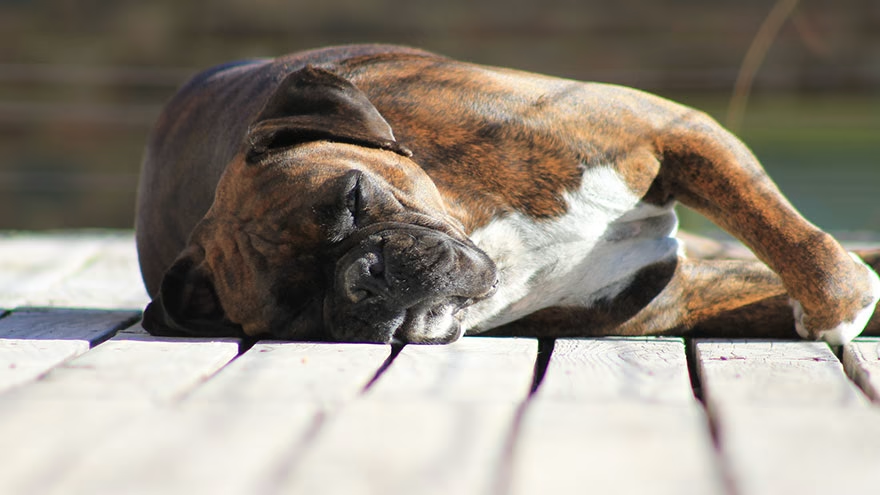
Boxer Dog Allergies Usually Show Up on the Skin
Boxer dog allergies often look like skin trouble before they look like anything else. A Boxer may scratch, lick paws, rub the face, shake the head, develop red patches, lose hair, or get recurring ear infections. Some dogs also have stomach signs, but itching is the complaint many owners notice first.
VCA's dog allergy overview groups common dog allergies into insect bite allergy, atopic dermatitis, food allergy, and contact allergy. That framework works well for Boxers because the same dog can have more than one trigger.
The goal is not to guess the allergy. The goal is to narrow it with a veterinarian and treat the dog in front of you.
Flea Allergy Dermatitis
Flea allergy dermatitis is one of the first causes to rule out. A dog with this problem reacts to flea saliva, so one or two bites can create intense itching. You may not see fleas, especially if the dog has been chewing or if fleas are in the environment.
Merck Veterinary Manual's flea allergy dermatitis reference describes it as hypersensitivity to flea saliva and notes that treatment includes the affected pet, other pets in the home, and the environment.
For Boxers, flea allergy can mean chewing around the back end, thighs, belly, or tail base, but patterns vary. Consistent flea prevention matters more than occasional treatment after itching starts.
Flea control has to include the household.
Common Signs Owners Notice
Boxer allergy signs can start subtly. A dog may lick paws after walks, rub the muzzle on the carpet, scratch the armpits, chew the belly, or shake the ears more often than usual. The skin may look pink before it looks infected.
Watch for odor, scabs, darkened skin, hair thinning, greasy patches, head shaking, or repeated hot spots. Those signs do not prove which allergy is present, but they tell you the dog needs a closer look.
Some Boxers hide discomfort by staying active. Do not wait until the skin is raw before calling the vet. Early flares are usually easier to calm than long, infected ones.
Atopic Dermatitis and Environmental Allergies
Atopic dermatitis is a chronic allergic skin disease connected to environmental triggers such as pollens, dust mites, molds, and other allergens. In Boxers, it may show as paw licking, face rubbing, armpit irritation, belly redness, or repeat ear problems.
Cornell's atopic dermatitis resource notes that dogs with atopy may also have flea or food allergies. That overlap is why a clean diagnosis can take time.
Seasonal flares can give clues, but some dogs itch year-round. Indoor allergens, yeast or bacterial infections, and repeated scratching can keep the cycle going even after the original trigger fades.
Livecub's Staffordshire Bull Terrier health problems article is a useful comparison because many short-coated breeds can show skin trouble clearly.
Food Allergy and Food Sensitivity
Food allergy is possible, but it is often overdiagnosed by owners who switch foods repeatedly without a plan. True food allergy diagnosis usually requires a strict elimination diet and a controlled challenge under veterinary guidance.
Veterinary food-allergy guidance commonly explains that food allergy can cause itching, hair loss, recurring bacterial or yeast dermatitis, and recurring ear inflammation. Dietary elimination followed by challenge is the reliable confirmation method.
Do not add treats, flavored chews, table scraps, or random toppers during a food trial unless your veterinarian approves them. One small extra can make the trial hard to interpret.
A food trial only works when it is strict.
Contact Reactions and Grooming Products
Some Boxers react to things that touch the skin: shampoos, cleaners, lawn chemicals, bedding detergent, plastic bowls, topical products, or plants. Contact reactions may appear where the body touches the trigger, such as the belly, paws, muzzle, or armpits.
Because Boxers have short coats, redness and bumps can be easy to see. That does not mean the cause is obvious. Mites, infections, hot spots, hives, and irritation from licking can look similar.
Use gentle products recommended by your veterinarian, rinse shampoo well, and avoid applying human creams or essential oils unless your vet has approved them. Many human products are not safe for dogs.
For coat-care context in another breed, Livecub's longhair Dachshund grooming guide shows how skin and coat routines differ by coat type.
Ear Infections, Paw Licking, and Secondary Problems
Allergies can open the door to secondary bacterial or yeast infections. A Boxer who smells yeasty, has greasy skin, shakes the head, scratches ears, or licks paws until they darken may need more than allergy medicine.
Veterinarians often check skin cytology, ear swabs, parasites, and infection patterns before deciding on treatment. Treating itch without treating infection may leave the dog uncomfortable.
Allergy care often means managing the flare and the trigger.
Home Cleaning and Routine Care
Home care cannot diagnose the allergy, but it can reduce irritation. Wash bedding regularly, vacuum areas where the dog sleeps, wipe paws after high-pollen walks, and keep flea prevention current for every pet in the home.
Bathing may help some allergic dogs, but the shampoo choice matters. Medicated shampoos, gentle cleansers, and rinse time should follow veterinary instructions. Overbathing with harsh products can make dry or irritated skin worse.
Use a clean, washable bed and avoid strong fragrances around the dog. Scented sprays, cleaners, and laundry products may not bother every Boxer, but they are easy variables to simplify during a flare.
Routine reduces noise in the diagnosis.
Diagnosis and Treatment
A veterinarian may use history, exam findings, flea control response, skin tests, cytology, elimination diet, medication trials, and allergy testing to sort out the cause. There is no single home test that solves every Boxer allergy case.
Treatment may include prescription flea prevention, medicated shampoo, ear treatment, antibiotics or antifungals for infection, anti-itch medicine, diet trial, or immunotherapy. The right plan depends on the dog.
Livecub's Rottweiler questions and Basset Hound questions can help readers compare breed-specific health planning across very different dogs.
Long-Term Management
Many allergic dogs need management rather than a one-time cure. That can be frustrating, but a steady plan often keeps the dog comfortable. The plan may change by season, age, infection history, and response to medication.
Follow-up visits matter because skin can look better before the underlying pattern is controlled. If ears or paws flare every few weeks, tell your veterinarian rather than repeating old medicine without review.
Allergy management is often a partnership: owner observations, vet testing, prevention, and realistic expectations working together.
What Owners Can Do at Home
Keep a symptom diary with dates, season, food, treats, flea prevention, bathing, ear signs, and photos. Bring that to the vet. Patterns are easier to see when they are written down.
Do not stop prescription medication suddenly or mix over-the-counter products without guidance. If the dog develops facial swelling, collapse, severe hives, breathing trouble, or sudden weakness, treat it as urgent and seek emergency care.
For another small-breed health comparison, Livecub's Miniature Schnauzer questions shows why routine observation matters before problems become advanced.
What Not to Do
Do not assume every rash is food allergy. Do not switch diets every week. Do not use leftover antibiotics, steroid creams, essential oils, or human antihistamines without veterinary approval.
Do not ignore ears. Repeated ear infections can be one of the signs that an allergic pattern is still active. A Boxer who keeps shaking the head or scratching the ears needs an exam, not only another cleaning at home.
Finally, do not blame yourself for every flare. Allergic skin disease can be chronic. Good care means responding early, staying consistent, and adjusting the plan when the dog tells you the old plan is no longer enough.
Keep photos of flares because skin can look calmer by appointment time the next day or morning visit.
Frequently Asked Questions
Are Boxers prone to allergies?
Boxers can have allergy problems, especially skin itching, paw licking, ear issues, and reactions connected to fleas, food, or environmental triggers.
How do I know if my Boxer has a food allergy?
A veterinarian usually confirms food allergy through a strict elimination diet and controlled challenge, not by random food switching.
Can I treat Boxer allergies at home?
You can track signs, control fleas, and follow grooming advice, but diagnosis and medication choices should come from a veterinarian.
When is itching an emergency?
Seek urgent help for facial swelling, breathing trouble, collapse, severe hives, sudden weakness, or rapidly worsening symptoms.

Timothy Davidson
Edits step-by-step general-interest guides for clarity, realistic limits and source verification.


Leave a reply
Replying to