
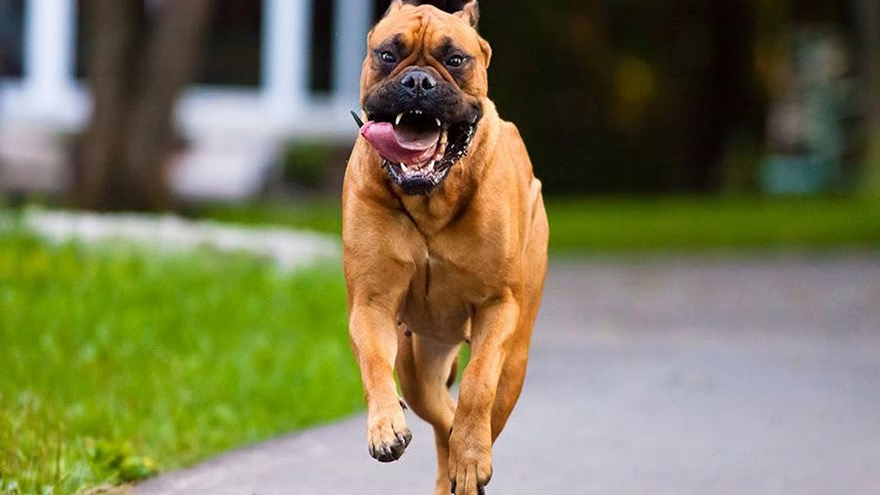
The best protective dog breeds are not the dogs most eager to start trouble. They are the ones with nerve, judgment, trainability, and a stable home life that teaches them the difference between a delivery driver and a real threat. Size helps. Bark matters. But a protective dog without manners is a liability, not security.
Think in jobs, not movie scenes. Some breeds were shaped to guard livestock, some to work beside police or military handlers, some to watch a family property and alert early. The household matters just as much as the breed. Children, visitors, other pets, apartment rules, insurance limits, and owner skill should narrow the list before anyone falls for a powerful puppy photo.
What Makes A Protective Dog Safe To Live With?
A safe protective dog has confidence without panic. The American Kennel Club says guardian breeds tend to be loyal, strong, watchful, and in need of proper training and socialization because of their size and strength. That last part is the hinge. A dog bred to notice threats must also learn that most daily surprises are not threats.
Good protection starts with neutrality. The dog should see joggers, strollers, contractors, school buses, bicycles, and guests without exploding. Early socialization does not make a guardian breed useless; it gives the dog a wider file of normal life. Owners who want a large dog should also read Livecub's piece on the top biggest dog breeds because mass changes everything: leash control, vet bills, crates, fences, car space, and injury risk.
Which Protective Dog Breeds Fit Experienced Families?
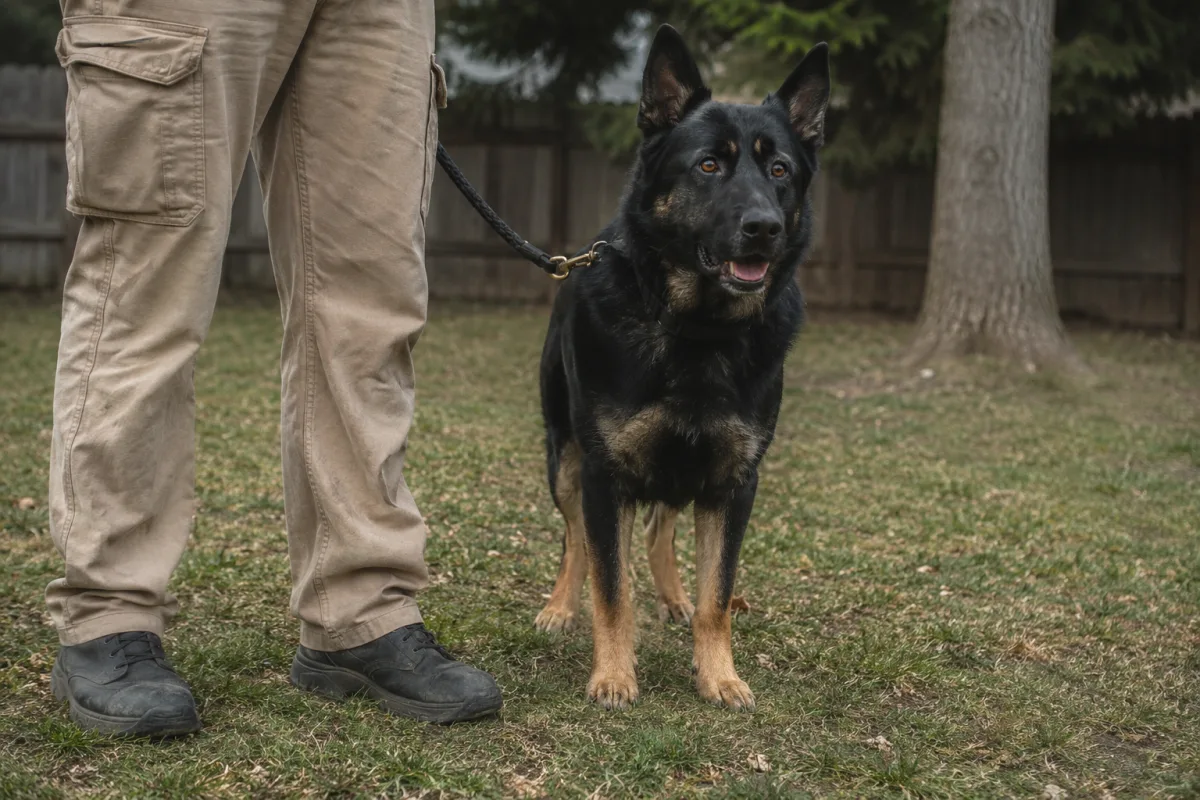
German Shepherd Dogs, Rottweilers, Doberman Pinschers, Giant Schnauzers, and Belgian Malinois can be excellent in the right hands. They are not interchangeable. A German Shepherd often suits an active family that wants training, structure, and daily work. A Rottweiler is powerful, loyal, and calm when bred and raised well, but sloppy ownership creates a dog that can intimidate everyone, including the people it lives with.
Dobermans are fast, alert, and closely attached to their people. AKC describes the Doberman as loyal and alert, with a need for daily physical and mental activity. The breed can be affectionate in a family, but it should not be left to invent its own job. Belgian Malinois belong in a separate category for many homes: brilliant, intense, and often too much dog for owners who mainly want a backyard alarm.
Before choosing a Rottweiler, read breed-specific expectations such as common Rottweiler questions. Breed reputation is not a training plan. Ask about parents' temperaments, health testing, bite history, and how puppies react to pressure and recovery.
Which Breeds Work For Quieter Homes?
Not every protective home needs a high-drive working dog. Bullmastiffs, Great Pyrenees, Akitas, Anatolian Shepherd Dogs, and some mastiff-type breeds can be more watchful than frantic, though they bring other challenges. A Great Pyrenees may patrol, bark at night, and think independently. An Akita may bond deeply with family but be selective with other dogs. A Bullmastiff may be easier indoors than a Malinois, yet its size still demands training.
Smaller watchdogs can also make sense. A Miniature Schnauzer will not stop an intruder physically, but it may alert early and fit a home that cannot manage a giant breed. Livecub's Miniature Schnauzer questions are a useful reminder that alertness and protection are not the same thing.
For families that hike, run, or train daily, an athletic breed may be fair. For families that work long shifts and have small children, a lower-drive dog with a strong bark may be the better choice. The honest question is not "which dog is toughest?" It is "which dog can this household train for ten years?"
How Much Training Do Guardian Breeds Need?
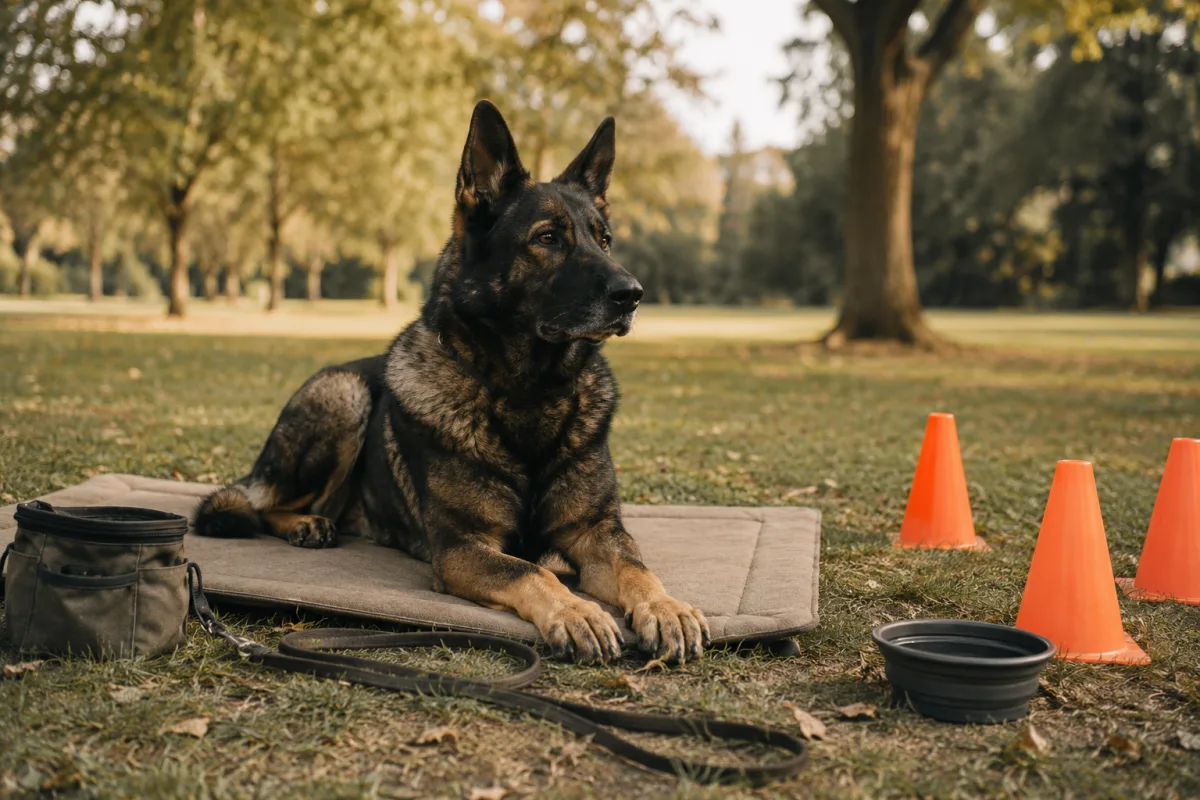
Plan on training for the life of the dog. Puppy class is a start, not proof of control. A protective breed should learn name response, recall, leash walking, place, leave it, drop it, polite door behavior, muzzle comfort, crate comfort, and calm greetings. Practice around real triggers in small steps. If the dog cannot pass another dog on a sidewalk, it is not ready for protection work.
Protection sports and personal protection training are specialist fields. Do not ask a random trainer to "make the dog protective." A stable dog can be ruined by poor bite work, and a fearful dog can become dangerous if its anxiety is rewarded as guarding. For many owners, obedience, scent games, tracking, agility, carting, or structured tug gives the dog work without teaching it to bite.
Write the training plan down before the dog is six months old. Name the cues every adult will use, decide who handles the door, set leash rules, and agree on what happens when guests arrive. Inconsistent handling creates a dog that guesses. A protective breed that guesses under pressure can make the wrong choice fast.
Health also affects behavior. Pain can shorten a dog's fuse. Families looking at muscular breeds should read health material such as Livecub's guide to Staffordshire Bull Terrier health problems, even if choosing another breed, because the larger lesson is the same: genetics, joints, skin, and pain change behavior.
What Should Families With Children Watch Closely?
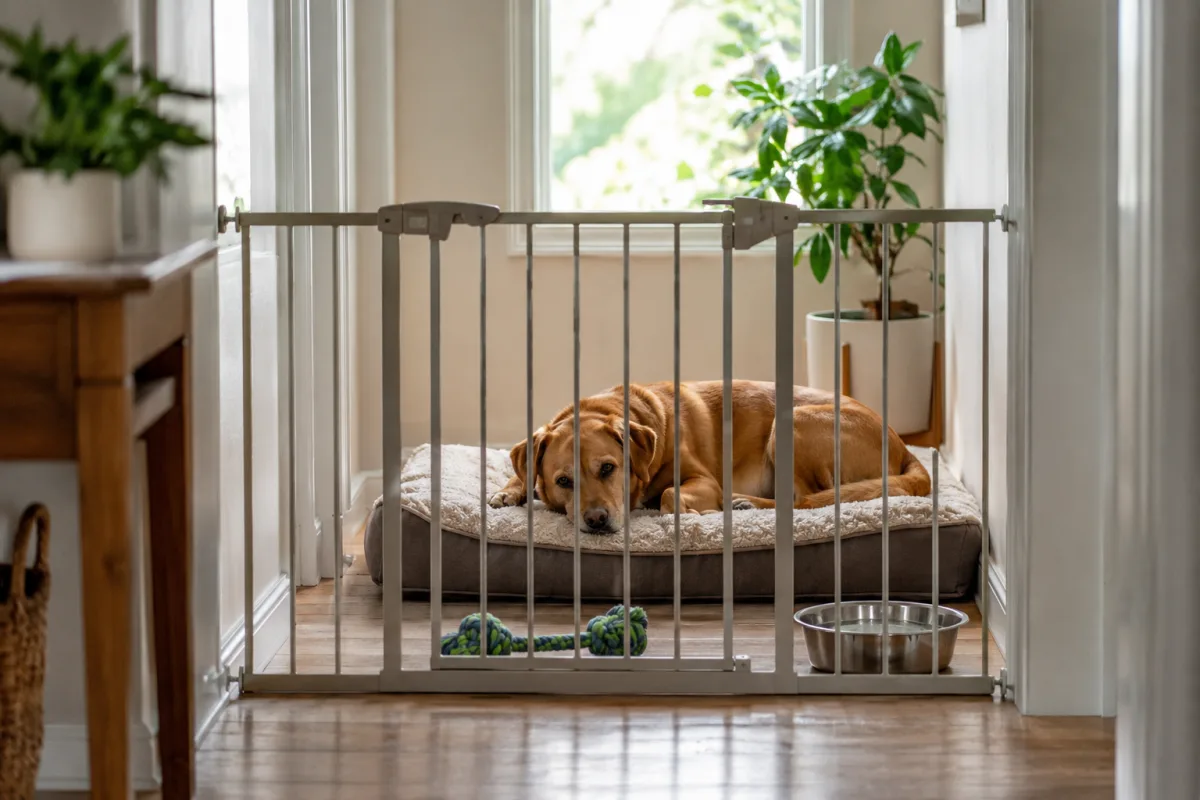
Children change the risk picture. The California Department of Public Health warns that any dog can bite and urges supervision around children. NC State veterinary behavior guidance also points out that dogs may bite when frightened, threatened, eating, sleeping, chewing, or caring for puppies. A protective breed with a child hanging on its neck is not being loyal; it is being trapped.
Set house rules before the dog arrives. No child climbs on the dog, hugs the dog tightly, reaches into the crate, bothers food, grabs toys, or opens the front door for visitors. Adults manage greetings. The dog has a safe place where children do not follow. Guests are not allowed to test the dog by roughhousing or pretending to threaten someone.
Sporting breeds can be a better fit for some families because they may have softer guarding instincts and higher tolerance for busy homes. Livecub's German Shorthaired Pointer questions show how energy, training, and family routines matter even outside guardian breeds.
Which Breed Should You Avoid Choosing On Looks Alone?
Avoid any breed you mainly want because it looks intimidating. Cane Corsos, Boerboels, Tibetan Mastiffs, Caucasian Shepherd Dogs, and similar dogs can be impressive, but they need owners who understand size, territorial instinct, legal exposure, and containment. A weak fence, loose leash handling, or casual socialization can turn a manageable puppy into a public problem.
Also be careful with internet rankings. "Best" lists rarely know your home. A rural property with livestock has different needs from a townhouse with shared sidewalks. A single adult runner has different capacity than a family with toddlers and grandparents visiting weekly. If you plan to buy from a breeder, adapt questions from Livecub's breeder recommendation guide: meet adult relatives, ask about temperament testing, request health records, and watch how the breeder talks about aggression.
The right dog should make daily life more secure, not smaller. If neighbors stop visiting, children cannot bring friends home, and every walk feels like a wrestling match, the breed was wrong or the training plan failed.
Frequently Asked Questions
What is the safest protective dog for a family?
The safest choice is a stable, well-bred dog matched to the household and trained daily. For many families, temperament and owner skill matter more than breed ranking.
Are protective dogs naturally aggressive?
No. Good guardians are alert and confident, not randomly aggressive. Fear, poor breeding, pain, isolation, and bad training create many aggression problems.
Is a male or female dog better for protection?
Sex is less useful than temperament, size, training history, and household fit. Meet the individual dog and its relatives when possible.
Can a protective dog live with other pets?
Some can, especially when raised and managed well. Others have high prey drive or same-sex dog issues. Ask the breeder or rescue for specific history.
Do I need professional training?
For large guardian breeds, yes, at least for obedience and behavior coaching. Protection or bite training should be left to qualified specialists, and many homes do not need it.
How Should You Choose The Final Dog?
Choose the dog that fits your actual Tuesday morning, not your imagined emergency. A good protective dog sleeps calmly, listens under distraction, accepts normal visitors, and alerts when something is truly off. The right breed gives you a head start. The daily work makes it safe.

Timothy Davidson
Edits step-by-step general-interest guides for clarity, realistic limits and source verification.

2 Comments
Join the discussion. Comments are moderated before appearing.