
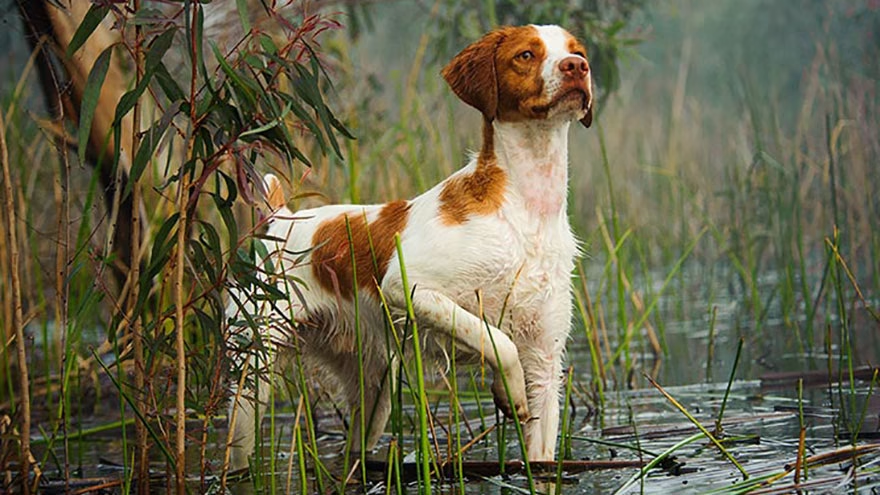
In April 1982 the American Kennel Club quietly dropped a word, and the Brittany Spaniel became, officially, just the Brittany. The change was not cosmetic. Breeders had spent decades arguing that calling their dog a spaniel was wrong: spaniels flush game by crashing through cover; the Brittany freezes on scent and holds point the way a setter or pointer does. The American Brittany Club pushed for the correction, the AKC Board agreed, and the old name was retired. That single fact tells you a great deal about the breed. The Brittany is a purpose-built gun dog wrapped in a mid-size, affectionate package, and finding a reputable Brittany Spaniel breeder starts with understanding what that purpose demanded of the dog's body and mind.
What is the background of the Brittany breed?
The Brittany traces to the Brittany region of northwestern France, where hunters needed a compact bird dog that could work hedgerows and woodcock covers without requiring a horse to keep pace. The result, the Epagneul Breton, was recognized in France as a distinct breed in 1907. The AKC admitted the breed in 1934, placing it in the Sporting Group, where it remains today.
Two parallel lines developed over the following decades. American breeders pushed for speed and wider range to suit competitive field trials on open ground. French breeders maintained a closer-working dog suited to dense European cover. The split matters to buyers because a puppy from an American field-trial line carries a very different energy ceiling than one bred for versatility or the show ring. Ask any breeder which tradition their lines come from, because the answer shapes everything downstream.
The American Brittany Club, established in 1942 as the breed's AKC parent club, has certified more than 700 dual champions, dogs that earned titles in both field and conformation ring. That number is unusual among sporting breeds and reflects the ABC's deliberate goal of keeping the Brittany a true dual-purpose dog rather than allowing field and show lines to split permanently apart.
What makes the Brittany a good family dog, or not?
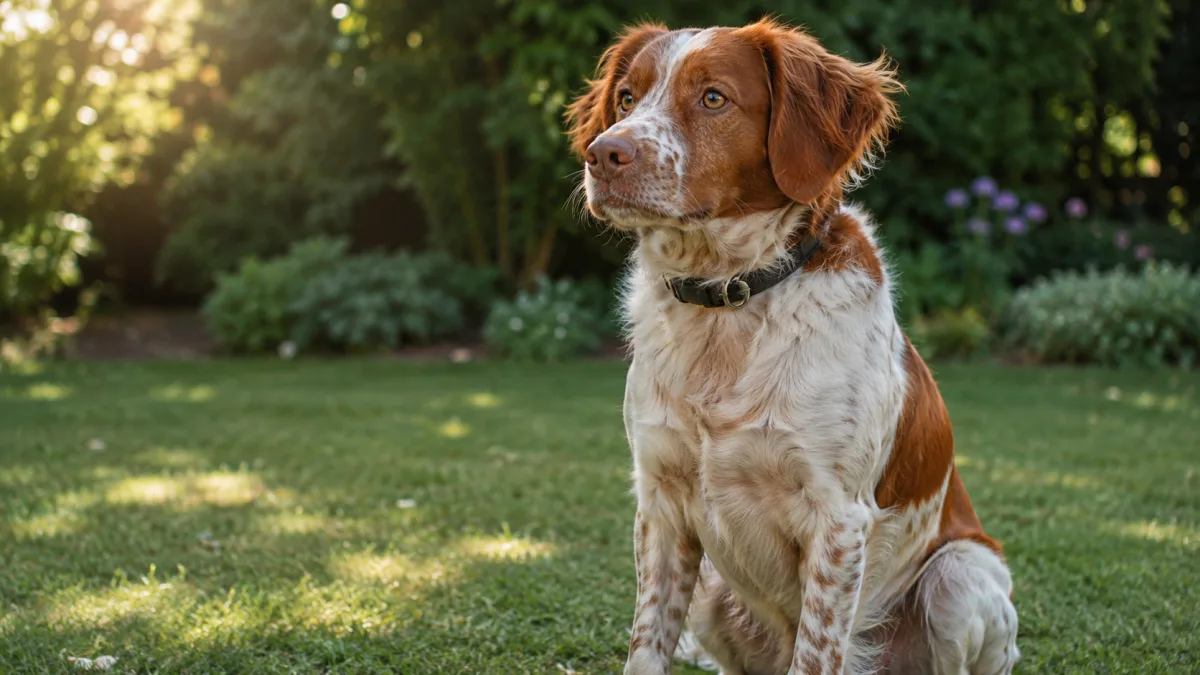
The Brittany's reputation as a family dog is well-earned but comes with conditions. This is a sensitive breed. It responds poorly to harsh corrections and can shut down if handled roughly, which means homes with chaotic energy or very young children who have not learned to read dog signals need to think carefully. The same sensitivity, though, makes the Brittany unusually biddable: it reads human mood quickly and genuinely wants to cooperate with whoever is in charge.
The breed is typically good with children old enough to respect a dog's space, gets along with other dogs, and tolerates cats depending on early socialization. What it cannot tolerate is extended isolation. The Brittany was built to work alongside a human partner for hours at a stretch. Left alone for eight or ten hours regularly, it will find ways to self-entertain that tend to involve your furniture. If your household is empty all day Monday through Friday, that reality deserves serious thought before you commit to this breed.
Reputable breeders will probe exactly these questions. They want to know how many people are home, how many hours the dog would spend alone, and whether there is a yard or reliable access to open space. That interrogation is not gatekeeping for its own sake. It is the breeder protecting a dog they have invested two years of careful planning into producing.
How much exercise does a Brittany actually need?
The honest answer is more than most people expect. Plan for a minimum of 60 to 90 minutes of genuine physical activity per day, not a slow neighborhood walk, but something that lets the dog run, hunt, retrieve, or problem-solve. Many owners with hunting or field backgrounds describe two full hours as the practical sweet spot on active days.
The reason is stamped into the dog's physiology. Brittanys bred for the field are conditioned to cover ground for four to six hours without tiring. That aerobic capacity does not disappear because the dog is living in a suburb. An under-exercised Brittany will pace, spin, bark persistently, and begin dismantling the house, not from spite, but because its body is demanding output it is not getting. These behaviors frequently lead uninformed owners to surrender the dog, which is one of the most common reasons Brittanys end up in rescue.
Running, hiking, fetch across a large property, agility, or actual bird-hunting are all ideal outlets. Hunt tests and nose work add mental load on top of physical exertion, and mental fatigue counts. A dog that spends 30 minutes working a scent grid is genuinely tired in a way that a 30-minute trot around the block does not always achieve.
What health screenings should a reputable Brittany breeder provide?
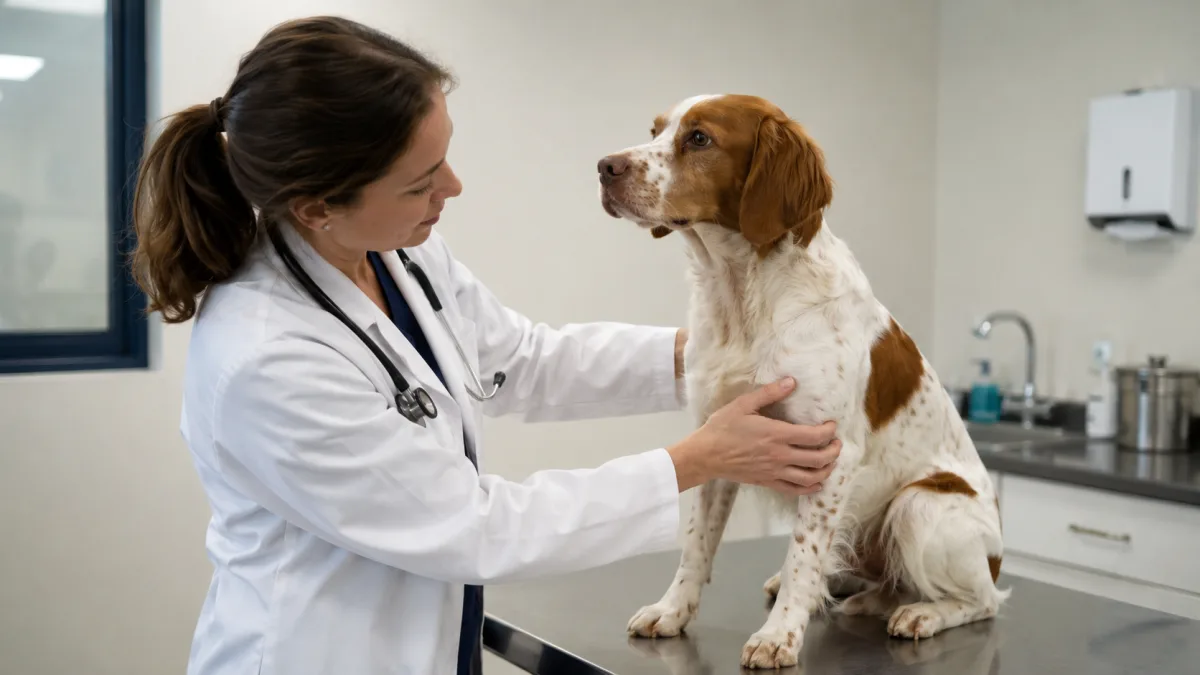
The Canine Health Information Center program, administered through the Orthopedic Foundation for Animals, sets minimum testing standards by breed. For Brittanys, a CHIC number requires three completed evaluations: an OFA hip assessment, a CAER eye certification through the Canine Eye Registration Foundation, and one additional test from a menu that includes elbow evaluation, cardiac exam, patella evaluation, or thyroid panel.
Hip dysplasia develops when the ball and socket of the hip joint do not fit together cleanly. The misalignment creates friction that strips cartilage over time and produces arthritis capable of becoming debilitating by middle age. OFA evaluates radiographs taken when the dog is at least two years old and assigns ratings from Excellent through Severe. A reputable breeder will not use a dog rated Fair or worse in a breeding program and will show you the certificates without being asked twice.
Beyond CHIC minimums, the American Brittany Club recommends adding OFA elbow evaluation and annual thyroid testing to the protocol. Hypothyroidism is documented in the breed: a sluggish thyroid produces weight gain, lethargy, chronic skin and ear infections, and a dry coarse coat. Epilepsy, characterized by recurring seizures of unknown cause, typically appears between six months and five years of age. Conscientious breeders track it across multiple generations and discuss their lines candidly even though no definitive genetic test currently exists.
Inherited eye diseases are why CAER certification matters. Many ocular conditions are heritable, and a clear CAER exam on both parents substantially reduces the risk of passing them to offspring. Ask to see results for both sire and dam. For hunting, field trial, or show prospects, also ask whether the parents have earned AKC titles. Titles confirm the breeder has evaluated their dogs' actual working ability and not only their registration papers.
What questions should you ask before buying a Brittany puppy?
Before visiting a litter, write out a list. The quality of a breeder's answers, and their willingness to ask equally hard questions in return, tells you more than the condition of the puppies alone.
Start with health documentation. Ask to see OFA hip and elbow certificates, CAER eye clearances, and thyroid results for both parents. Ask whether either parent carries a CHIC number. Ask about epilepsy incidence in the line across multiple generations, because a good breeder tracks it even without a genetic test to point to.
Ask about the pedigree and what the breeder was selecting for in this specific pairing. A thoughtful breeder can explain why they crossed this sire with this dam: what strengths they hoped to reinforce and what weaknesses they were working to reduce. Vague answers about great temperament without specifics suggest less deliberate planning behind the litter.
Ask what socialization the puppies have received. Early neurological stimulation, exposure to varied sounds and surfaces, and contact with humans other than the breeder all affect how smoothly a puppy transitions to a new home. Ask whether you can visit before purchase and see the dam in person. A breeder who discourages visits or says the mother is unavailable warrants careful scrutiny.
Ask about the health guarantee and the return policy. A reputable breeder will take a dog back at any point in its life rather than see it surrendered to a shelter, and will put that commitment in writing. Expect the same level of scrutiny directed at you. A good breeder will want to know your living situation, daily schedule, experience with high-energy dogs, and your concrete plans for exercise and training.
What does Brittany coat care actually involve?
The Brittany is sometimes described as wash-and-wear, which is largely accurate with some qualifications. The coat is dense and flat to slightly wavy, with a minimal undercoat. Unlike true spaniels, the Brittany carries only light fringing on the legs and ears rather than heavy feathering. The AKC breed standard explicitly states that too little feathering is preferable to excess, which keeps field debris from clinging the way it does on a Cocker or Springer.
The coat benefits from brushing two to three times per week with a slicker or soft pin brush. The areas behind the ears and along the leg fringing are most prone to matting after outdoor time and deserve focused attention. Bathing every three to four weeks keeps the skin healthy without stripping natural oils. Ear care matters significantly because the drop-ear structure limits airflow and creates conditions where moisture and debris accumulate, raising the risk of infection. Checking ears after every outdoor session and keeping the hair around the canal opening trimmed are habits worth establishing from the first week.
A minimal trim to neaten the feet and tidy any excessive fringing is all that is typically needed. The goal is a natural, functional outline, not the sculpted appearance required for some other sporting breeds. For broader context on maintaining sporting breed coats, our guide on grooming a Longhair Dachshund covers many of the same underlying techniques for coats with leg feathering.
Is Brittany rescue a good alternative to buying from a breeder?
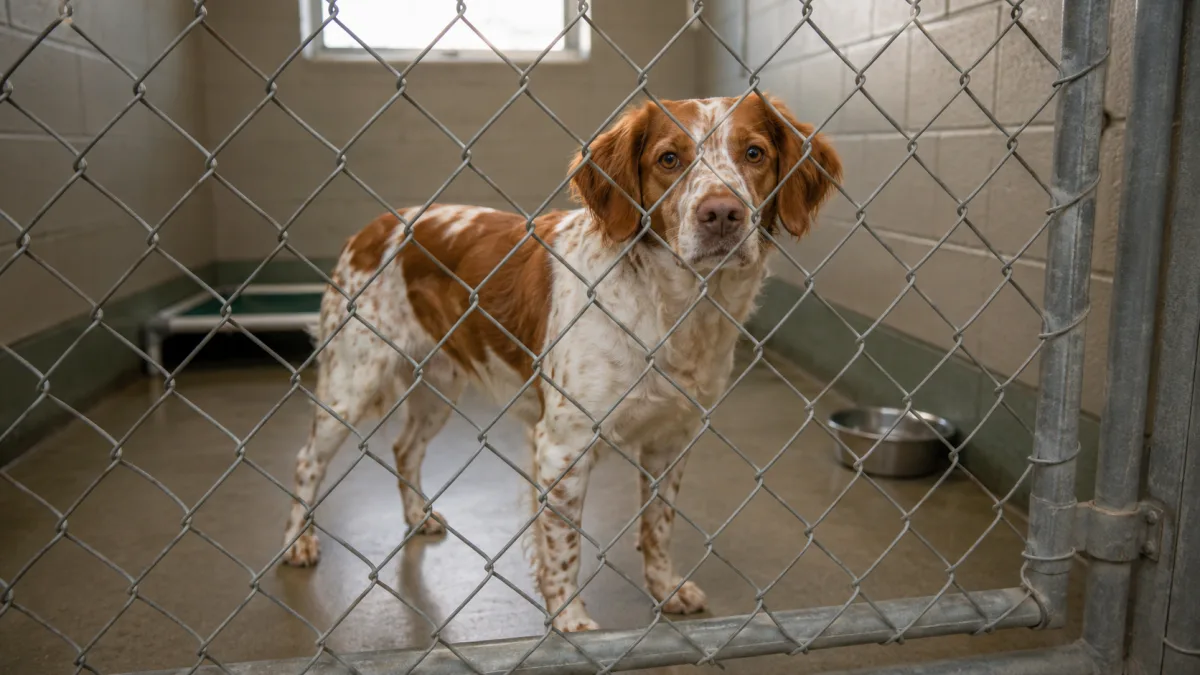
For families who want an adult dog with an already-revealed personality, rescue is a genuinely sound option. Brittanys arrive in rescue for reasons that usually have nothing to do with the dog's character: an owner's death or relocation, a lifestyle change that eliminated time for a high-energy breed, or a purchase made without understanding the exercise requirements. The dog is rarely the problem.
Two established organizations handle Brittany rescue in the United States. The American Brittany Rescue and the National Brittany Rescue and Adoption Network both evaluate incoming dogs for temperament, bring them current on vaccinations, and spay or neuter before placement. Adoption fees typically run between $250 and $600 and cover those services. Both organizations screen adopters carefully, asking the same lifestyle questions a reputable breeder would raise.
The practical advantage of adopting an adult is that you know what you are getting. Puppy temperament is partly predictable and partly shaped by how it is raised. An adult Brittany in a foster home has already revealed whether it is gentle with children, tolerates cats, or needs to be an only dog. What you trade away is the ability to shape early socialization from scratch and the certainty of documented parentage. For families wanting a companion rather than a hunting or show prospect, rescue is a well-considered path. If you are also evaluating other high-energy sporting breeds, our coverage of the German Shorthaired Pointer covers a similar energy profile and rescue landscape.
How much does a Brittany puppy from a reputable breeder cost?
Prices vary by region, bloodline, and what the breeding program invests in health testing, but expect to pay between $1,000 and $2,500 for a puppy from a breeder who completes CHIC-required screenings and belongs to the American Brittany Club or a regional affiliate. Field-trial bred pups from lines with national titles or dual champions may reach the top of that range or above it.
Puppies priced significantly below $800 from breeders who cannot produce OFA and CAER certificates warrant careful questions. Health screenings cost money. Feeding a litter well through gestation and early weeks costs money. A breeder absorbing those costs without reflecting them in price is likely cutting corners on testing, nutrition, or the socialization investment that shapes a puppy's adaptability. The purchase price is the smallest financial decision you will make for this dog across a lifespan of 12 to 14 years.
The AKC Marketplace lists breeders with AKC-registrable litters and allows searching by breed and zip code. The American Brittany Club website provides a breeder referral contact and a Breeders Code of Ethics that members must sign. Start with both, then verify health clearances independently through the OFA database. If you are comparing this decision across similar breeds, our Miniature Pinscher breeder guide applies the same vetting framework to a different breed.
Frequently Asked Questions
Is the Brittany the same as the Brittany Spaniel?
Yes, they are the same breed. In April 1982 the AKC Board of Directors approved removing Spaniel from the name at the request of the American Brittany Club, because the breed hunts like a pointer or setter rather than a flushing spaniel. Some countries still use the older name, but in the United States the official designation is simply Brittany.
How big does a Brittany get?
The AKC breed standard calls for a height of 17.5 to 20.5 inches at the shoulder and a weight of 30 to 40 pounds. Dogs outside the height range are disqualified from conformation competition. The compact size is intentional: a hunter needs to be able to lift the dog into a truck or carry it through difficult terrain without difficulty.
Are Brittanys good for first-time dog owners?
They can be, with honest self-assessment. The breed's eagerness to please and sensitivity to correction makes training accessible, and Brittanys learn basic obedience quickly. The consistent challenge is the exercise requirement. First-time owners who underestimate the daily activity level frequently find the dog unmanageable, not because the dog is difficult, but because its energy has nowhere productive to go. If you can reliably provide 60 to 90 minutes of vigorous activity each day, the Brittany's trainability and affectionate temperament make it accessible to committed beginners.
What health problems are common in Brittanys?
Hip dysplasia, hypothyroidism, idiopathic epilepsy, and inherited eye conditions including progressive retinal atrophy are the most documented concerns in the breed. Ear infections are common due to the drop-ear structure. Responsible breeders screen for hips, eyes, and at minimum one additional condition per the CHIC protocol, and track epilepsy incidence across their lines even without a definitive genetic test available.
How long do Brittanys live?
The typical lifespan is 12 to 14 years. Dogs from health-tested lines with proper nutrition, regular veterinary care, and adequate daily exercise tend to reach the higher end of that range. The breed is considered generally healthy relative to other sporting dogs of similar size.
Can a Brittany live in an apartment?
Technically yes, but only if the owner commits fully to meeting the breed's exercise demands without relying on a yard. A Brittany in a small apartment with two substantial daily outings, active weekends, and regular mental stimulation can adapt. A Brittany left in an apartment with a single short walk per day will be miserable, and the apartment will reflect it. The square footage of the home matters far less than what happens outside it every day.
What is the single most important question to ask a Brittany breeder before committing?
Ask whether you can speak with previous puppy buyers, specifically people who purchased two, five, or even ten years ago. What a breeder says about their dogs is valuable starting information. What owners report about health outcomes, temperament, and the support they received long after the sale is the more reliable evidence.

Chiara Bradshaw
Covers education, culture and creative topics with an emphasis on readable explanations and verifiable references.



2 Comments
Join the discussion. Comments are moderated before appearing.