
Finance
How to Calculate I Bonds
I Bond calculations combine a fixed rate and inflation rate. Learn the Treasury formula, six-month timing...
Finance
I Bond calculations combine a fixed rate and inflation rate. Learn the Treasury formula, six-month timing...
Finance
A bond yield curve plots comparable yields by maturity. Learn how to collect data, chart the curve, read...
Finance
CDs and government bonds can both hold conservative money, but insurance, taxes, liquidity, rate risk...
Finance
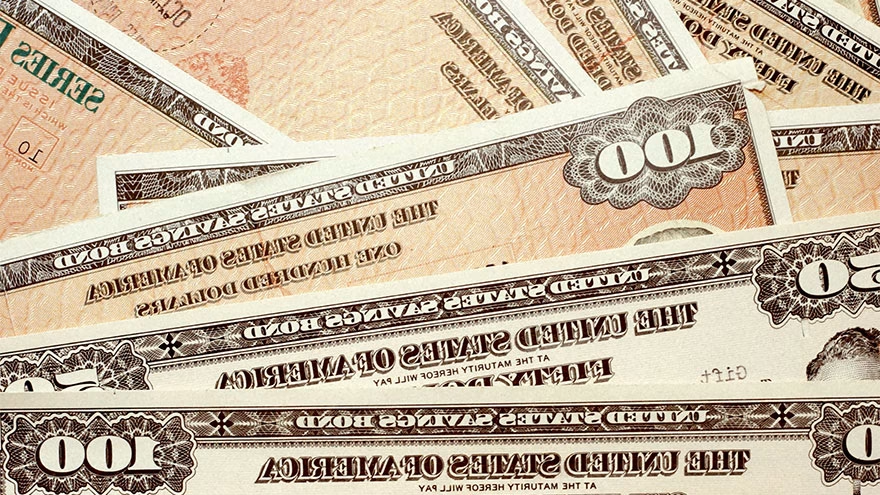
Treasury bond buyers include households, banks, funds, insurers, foreign investors, dealers, and the Fed...

Finance
A bond dealer spread reflects markup, markdown, inventory risk, liquidity, trade size, and market...

Finance
The 10-year bond yield is a market price for long-term money, linking Treasury prices, inflation...

Finance
Debt and stock have different advantages: repayment terms, ownership, risk, control, tax treatment, cash...
Finance
Corporate bond value is not just the coupon. Learn how quotes, par value, accrued interest, TRACE trades...

Finance
Bond equivalent yield helps compare short-term discount securities with other bonds. Use the right price...
Finance
YTM is not the coupon rate. Learn the inputs, spreadsheet method, clean price issue, callable bond caveat...
Finance
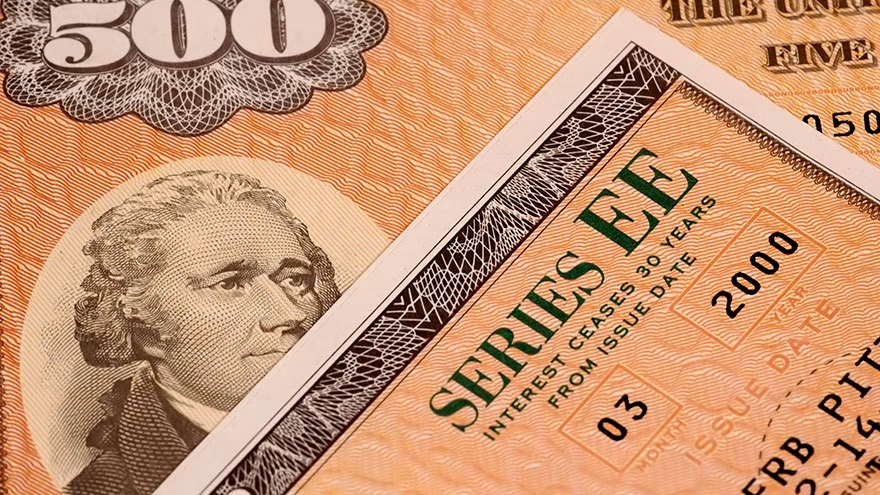
Old Series E bonds may still be claimable, but ownership, maturity, lost bond forms, estate authority...

Finance
Bond yields rise and fall because prices, inflation expectations, credit risk, maturity, liquidity, tax...