

How to Claim E Bonds usually means figuring out whether old Series E savings bonds can be cashed, replaced, or claimed by someone with legal authority. Series E bonds are older savings bonds, and many have stopped earning interest.
This is general finance education, not legal or tax advice. Treasury rules, documentation requirements, and estate authority can be technical. Use TreasuryDirect forms and professional help for disputed ownership or estates.
Identify The Bond
Check the series, issue date, owner names, co-owner, beneficiary, serial number, and denomination. A paper bond is a legal record, so do not guess from a family story.
TreasuryDirect says savings bonds are different from marketable Treasury securities and cannot be bought and sold after purchase. See TreasuryDirect savings bond forms.
Check Whether It Still Earns
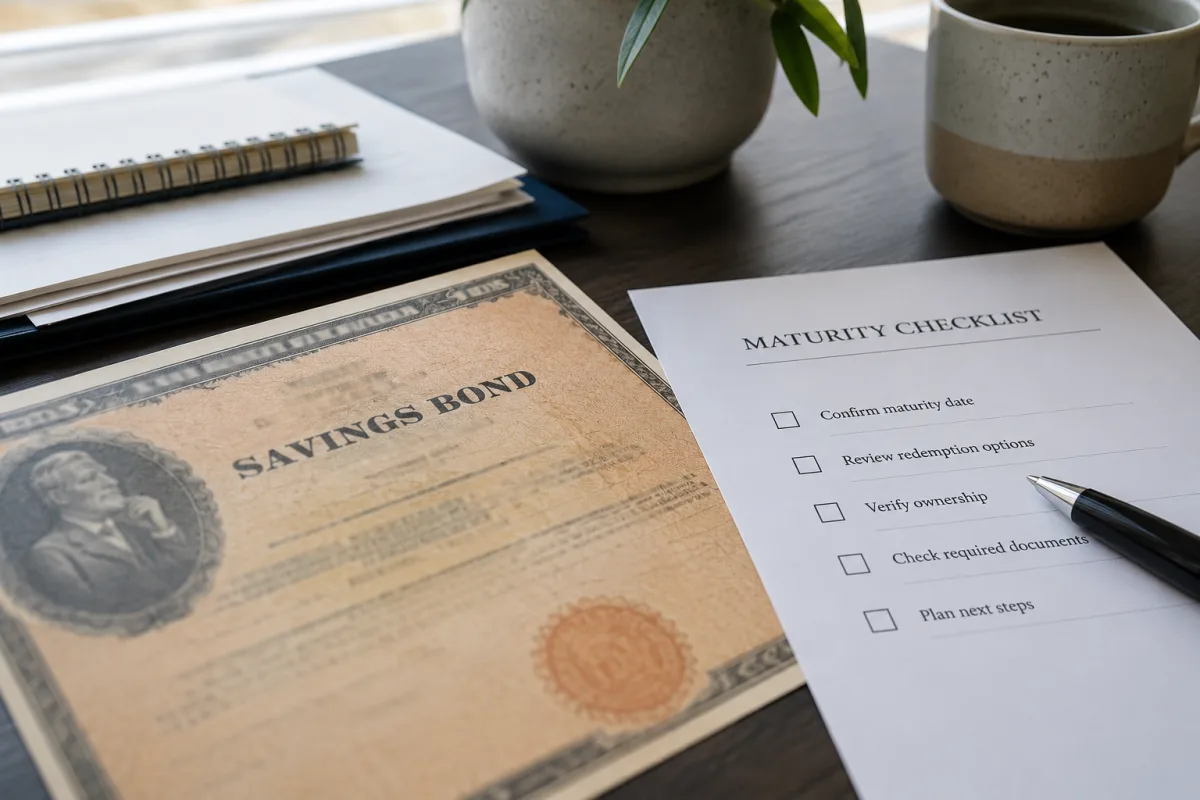
Series E bonds are old enough that many have matured. TreasuryDirect notes that EE and I bonds mature at 30 years and says old bonds that stopped earning interest should be cashed rather than reissued.
For maturity concepts, Livecub's Series EE maturity guide is related, though E bonds are older.
Use TreasuryDirect Value Tools
Before claiming, look up value if you have enough details. Old paper bonds may be worth more than face value, but the only useful number is the current redemption value.
Livecub's saving bond value guide can help with the value-checking habit.
If The Bond Is Lost

If an EE or I savings bond is lost, TreasuryDirect says FS Form 1048 is used to replace or cash it. For older bonds, Treasury forms and instructions should be checked carefully.
TreasuryDirect's page for lost, stolen, or destroyed savings bonds explains the replacement process for current savings bond categories.
If The Owner Is Alive
The named owner usually claims or cashes the bond. Banks may redeem some paper bonds for established customers, but policies vary. Call before visiting.
Do not buy bonds from someone else online. Treasury warns that savings bonds cannot be transferred by casual sale.
If The Owner Died
Authority depends on registration. A surviving co-owner, beneficiary, estate representative, or heir may need different documents. Death certificates, court papers, and Treasury forms may be required.
For broader Treasury context, Livecub's Treasury bond buyer guide can help separate savings bonds from marketable Treasury debt.
Beneficiary Registration
If the bond names a beneficiary and the owner has died, the beneficiary may have a path to claim it. If no beneficiary or co-owner survives, the estate may need to act.
Keep copies of death certificates and identity documents ready.
Tax Reporting
Savings bond interest may be taxable federally when redeemed, unless it was reported annually. State and local treatment differs from federal treatment. Ask a tax professional before redeeming a large amount.
Do not spend the full proceeds before considering tax.
Reissue Limits
TreasuryDirect says it does not reissue old bonds that have stopped earning interest. That matters when families want to change names instead of cashing matured bonds.
If the bond is mature, cashing may be the practical path.
Paper Damage
If a paper bond is torn, water damaged, or partly unreadable, save every piece. Do not tape over serial numbers or write on it. Treasury may need the best available details.
Photograph the bond for your records before mailing anything, but use official instructions.
Estate Records

List each bond with series, serial number, owner, beneficiary, issue date, and location. This helps the executor, heir, or tax preparer avoid missing bonds.
Livecub's bond calculator guide is not for savings bond redemption, but it reinforces keeping inputs clear.
When To Ask For Help
Ask TreasuryDirect, a bank, estate lawyer, or tax professional if ownership is disputed, the owner died, documents are missing, or the amount is large.
For broader Treasury context, Livecub's Treasury bond buyer guide can help separate savings bonds from marketable bonds.
Mailing Documents
If Treasury requires mailing documents, use the exact address and instructions on the current form. Keep copies and tracking. Do not mail the only record without documenting what you sent.
Family Disputes
If several relatives believe they should receive the bond, pause before cashing. Registration and estate law matter more than verbal expectations, and a lawyer may be needed.
Name Mismatch
Old bonds may show maiden names, initials, misspellings, or addresses that no longer exist. Do not alter the bond. Ask the bank or Treasury what identification, marriage record, court paper, or signature guarantee may be needed.
A name mismatch is paperwork, not proof that the bond is worthless.
Co-Owner Versus Beneficiary
A co-owner and beneficiary are not the same. A co-owner may have rights while both owners are alive, while a beneficiary designation usually matters after the owner dies.
Read the exact wording on the bond. The order and connector words can matter.
Matured Bond Strategy
If several matured bonds exist, list them by issue date and value before redeeming. That helps with tax planning and prevents losing track of which bond was cashed.
If the value is large, ask whether redeeming all in one tax year makes sense.
Bank Visit Checklist
Bring government ID, the paper bond, death certificate if relevant, proof of authority if acting for an estate, and any name-change documents. Call first to confirm the bank handles old savings bonds.
If the bank cannot help, ask whether TreasuryDirect mail processing is required.
Avoid Scams
Old savings bonds attract misinformation. Do not pay someone a percentage just to look up public Treasury rules. Use TreasuryDirect, an established bank, or a qualified professional.
Be especially careful with online buyers, because savings bonds are registered securities, not collectibles that can be freely transferred.
When There Are Many Bonds
Families sometimes find envelopes of bonds bought over many years. Sort them before taking action. Group by owner, co-owner, beneficiary, series, and issue date.
This prevents cashing a bond that belongs to one person while another bond belongs to the estate or a surviving co-owner.
Signature Certification
Some Treasury forms may require a certified signature or medallion-style verification depending on the form and transaction. Do not sign too early if instructions say to sign in front of the certifying officer.
A rejected signature can add weeks. Read the current form carefully.
Address Changes
Old bonds may list an address from decades ago. Address alone usually does not decide ownership, but it can help identify the correct person when names are similar.
Keep old records together: envelopes, purchase receipts, bank letters, and estate papers.
Interest Reporting Records
If the owner reported savings bond interest annually, tax handling at redemption may differ from someone who deferred all interest. Old tax returns can matter.
When records are missing, ask a tax professional how to handle reporting rather than guessing.
Minor Owners
If a bond names a minor, a parent, guardian, or court-appointed person may need to act depending on registration and state law. Do not assume any adult relative can cash it.
Treasury and bank requirements may differ when the owner is not legally able to sign.
Estate Inventory
Executors should list savings bonds separately rather than hiding them inside a general personal property line. Series, serial number, and value help tax and distribution records.
Clear inventory also helps beneficiaries see that every bond was handled.
Replacement Time
Replacing or claiming a missing old bond can take time. Build patience into the process, especially if documents must be mailed or certified.
Keep a calendar note for follow-up rather than resubmitting forms too quickly.
After Redemption
After cashing, save the redemption receipt and any tax form. If the bond belonged to an estate, record who received the money and how it was distributed.
Do not throw away supporting documents once the cash arrives. Questions can come later from beneficiaries, tax preparers, or the estate file.
If Treasury Says No
A rejected claim does not always mean the bond has no value. It may mean the form was incomplete, authority was not proven, or registration facts were unclear.
Read the rejection letter carefully and respond with the exact missing item.
Frequently Asked Questions
Can I still claim old Series E bonds?
Often yes if you have ownership or legal authority, but many no longer earn interest.
What if the E bond is lost?
Use TreasuryDirect guidance and the appropriate form for lost savings bonds.
Can a bank cash every old bond?
No. Bank policies vary, and estate or damaged-bond cases may need Treasury handling.
Who claims a bond after death?
It depends on co-owner, beneficiary, estate authority, and Treasury documentation.
Are taxes due when cashing?
Federal tax may be due on interest if it was not reported earlier.
The Practical Takeaway
Claiming E Bonds starts with identifying the bond, checking maturity and value, proving ownership or authority, using Treasury forms when needed, and planning for tax reporting.

Tory Stearns
Edits practical household, travel and lifestyle explainers. Claims that can change are linked to current primary or subject-authority sources.




Leave a reply
Replying to