

The best travel insurance for student travel is the policy that fits the program rules, destination, health needs, and side trips. A cheap checkout product may not be enough for a semester abroad.
Students should compare school-provided coverage, private plans, and family health insurance before departure, then keep policy details somewhere a parent or program leader can find them.
Start With School Requirements
Students should begin with the program, university, host country, and visa rules. CDC study-abroad guidance tells travelers to prepare for health risks and medical care needs before departure: CDC study abroad health guidance.
A school plan may be required, optional, or only partial. Ask what is already included before buying duplicate coverage.
Check Medical And Evacuation Benefits

USA Study Abroad points students toward travel health and safety planning before going overseas: USA Study Abroad travel health and safety information. Insurance is part of that planning, not a last-minute add-on.
Students need clear medical, evacuation, mental health, medication, and assistance benefits. A cheap trip policy with weak health coverage may not fit a semester away.
Read Adventure And Weekend Travel Rules
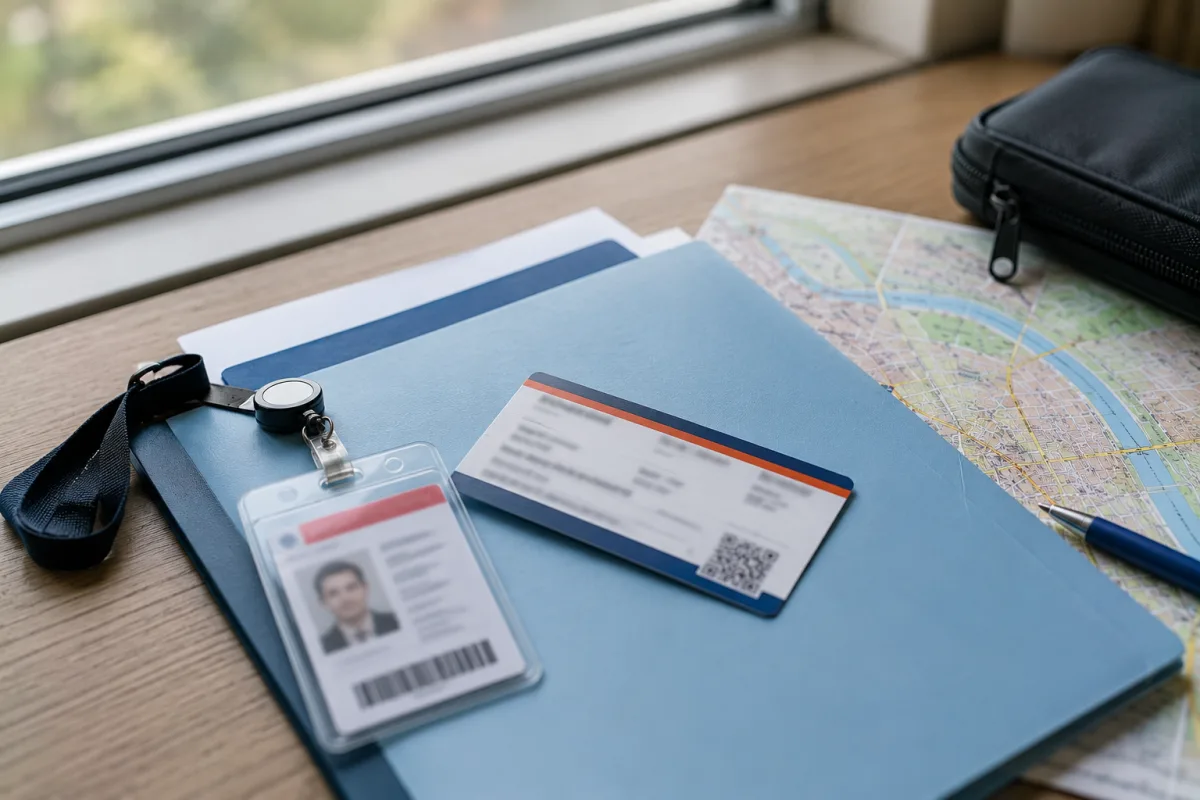
The CDC travel insurance page recommends checking coverage for the activities and destinations on the itinerary: CDC travel insurance guidance. Study abroad often includes side trips, hiking, scooters, clubs, and sports.
Ask whether coverage changes outside the host city, during personal travel, or during high-risk activities. The fun part of the trip can be where exclusions show up.
Compare The Benefit Schedule, Not The Headline
For student travel insurance, the benefit schedule tells the truth. Look at limits, sublimits, deductibles, waiting periods, covered people, covered dates, and the documents needed for a claim.
Travelers should compare one policy against another by line item. A broad-sounding name can hide a low medical limit, weak evacuation benefit, or narrow cancellation rule.
Use Internal Money Planning Separately
Insurance should sit beside a travel budget, not replace it. Livecub's guide to teaching kids about money can help families and students discuss trip spending without confusing savings with coverage.
If you are reviewing old assets before travel, Livecub's guide to find out how much savings bonds are worth belongs in the money file, not the claim file.
Ask About Old Conditions And Recent Changes
A recent diagnosis, medication change, test, surgery, or symptom can change how a travel policy responds. Ask the insurer how it defines pre-existing conditions and what proof it expects.
Do this before buying if health history is part of the risk. After a claim starts, the policy language usually controls the answer.
Check Credit Card And Purchase Assumptions
Some cards include travel benefits, but card benefits can be secondary, narrow, or tied to paying the full trip cost with that card. Livecub's guide to buying savings bonds with a credit card is a useful reminder to read payment rules before assuming a card solves the problem.
Ask for the card benefit guide and compare it with the standalone policy. The word included does not mean identical.
Keep Insurance Separate From Investments
Travel insurance is risk transfer for a defined event. It is not a bond, annuity, or investment account. If you are also studying safer assets, Livecub's guide to invest in U.S. Treasury bonds is a separate reading track.
That separation keeps student travel insurance decisions cleaner. Buy insurance for covered travel risk; use savings and investments for liquidity and long-range planning.
Save Proof Before The Trip Starts
Save invoices, cancellation terms, airline notices, tour receipts, hotel rules, medical notes, and the policy certificate. A claim gets harder when proof is scattered across apps and inboxes.
Create one folder before departure. It should hold the policy number, assistance number, receipts, and emergency contacts.
Know The Assistance Number
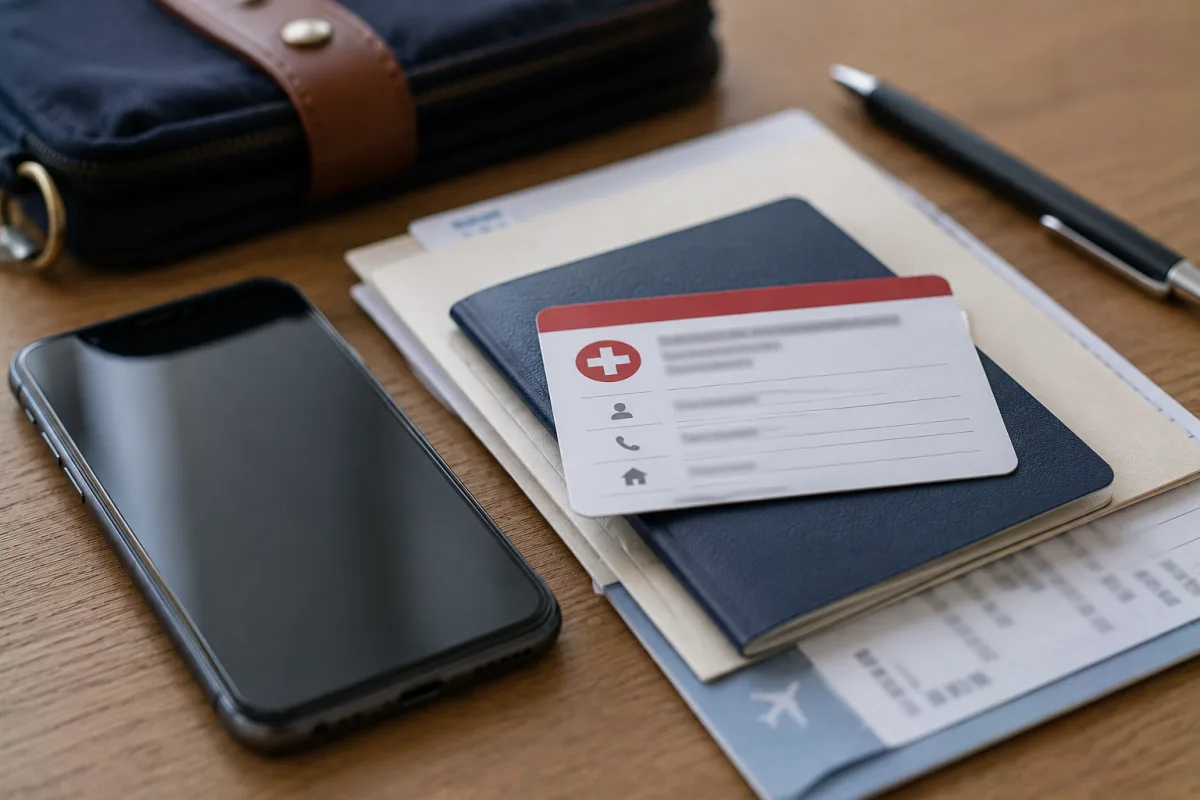
Travel policies often include an assistance number for medical, evacuation, or claim help. Put it in the phone and on paper because dead batteries and lost phones happen.
If a medical event occurs, call as soon as you reasonably can. Some policies require prompt notice or preapproval for certain benefits.
Put The Policy Beside The Real Plan
Read the policy while the trip, lease, or vehicle plan is open in front of you. For student travel insurance, the practical question is not how the brochure sounds. It is whether the written policy matches the dates, people, property, payments, and risks you actually have.
Travelers should circle the conditions that trigger coverage, the exclusions, the deductible, and the contact method for a claim. If a promise is not in the policy, treat it as an opinion until the insurer or agent confirms it in writing.
Keep Receipts And Contact Notes
A claim usually needs proof. Save invoices, booking confirmations, lease pages, medical records, police reports, repair estimates, and cancellation notices before they disappear into email search results.
Write the date and name of anyone you speak with about student travel insurance. Short notes can stop a later claim from turning into a memory test, especially after travel disruption, vehicle damage, or a business move.
Review The Policy Before The Risk Changes
Insurance bought for one version of a plan may not fit the next version. New travelers, side trips, added equipment, medical changes, lease amendments, and longer travel dates can all change the answer.
Do a brief review before departure, renewal, or signing. The habit feels slow, but it is cheaper than discovering a gap after the loss has already happened.
Know Who Can Make The Call
The person who buys a policy is not always the person who has to use it. Families, employees, students, and partners should know the emergency number, claim portal, policy number, and the documents they may need.
For student travel insurance, write those details in one shared note. A policy that no one can find during a bad day is only half useful.
Ask What Would Make The Claim Fail
Before buying or renewing student travel insurance, ask the uncomfortable question directly: what would make this claim fail? The answer may be a deadline, missing receipt, excluded activity, unpaid premium, wrong traveler, wrong address, or coverage that starts after the loss.
That question is not pessimistic. It turns vague comfort into a usable checklist. If the answer sounds too general, ask the agent or insurer to point to the policy section.
Check The Names, Dates, And Addresses
Small errors can create large delays. Review legal names, birth dates, business names, addresses, travel dates, vehicle identification numbers, destinations, and insured property descriptions.
Travelers should correct those details before a loss, not during a claim. A policy with the right idea but the wrong named insured can become a slow and frustrating file.
Read The Renewal Or Change Notice
Insurance terms can change at renewal or after an endorsement. For student travel insurance, do not assume last year's answer still applies just because the premium was paid.
Read notices that mention exclusions, limits, deductibles, territory, claim reporting, or cancellation rules. Save the notice with the policy so the current version is easy to prove.
Keep Price In Its Proper Place
Price matters, but it should come after the coverage screen. A cheaper policy may be fine if the limits, exclusions, and service rules still match the risk.
If price is the only reason to choose student travel insurance, pause and compare the benefit that would matter most after a loss. Saving a small premium can be expensive if it removes the only coverage you needed.
Make One Person Responsible For Follow-Up
Travelers should decide who will update the policy, save receipts, call the insurer, and track claim deadlines. Shared responsibility often turns into no responsibility when travel or business stress rises.
Put that person's name beside the policy number. If the plan involves a family, employee, partner, or student, make sure a backup person knows where the file is.
Frequently Asked Questions
Do study abroad students need special insurance?
Often yes. The school, host country, or visa may require certain health or evacuation coverage.
Can a parent's health plan be enough?
Maybe for some care, but overseas limits, reimbursement rules, and evacuation often need separate review.
Should students cover weekend trips?
Yes, if they plan to travel outside the program city. Ask whether personal travel is included.
What documents should a student carry?
Carry the policy number, assistance number, health history, prescriptions, and emergency contacts in both digital and paper form.
This article is for general information only and is not financial, legal, insurance, medical, or tax advice. Policy terms, prices, eligibility, and laws change; read the policy and ask a licensed professional.

Patrick Harwood
Edits sports, consumer-finance and general legal explainers. Regulated or time-sensitive topics link to primary sources and are not professional advice.




Leave a reply
Replying to