
How to Calculate the Annual Rate of Return on a Bond depends on what you mean by return. Coupon rate, current yield, holding-period return, and yield to maturity answer different questions.
This is general financial education, not investment advice. A bond calculation should match the bond type, purchase price, sale price, coupon, time held, fees, taxes, and whether you plan to hold to maturity.
Start With The Bond Cash Flows
List what you paid, the bond's face value, coupon rate, coupon payment dates, maturity date, sale price if sold, and any fees. Without cash flows, return is guesswork.
A bond is a debt security: the issuer borrows money from investors for a set time and promises payments under the bond terms.
Coupon Rate
Coupon rate is the annual coupon payment divided by face value. A $1,000 bond with a 5 percent coupon pays $50 per year if payments are made as promised.
Coupon rate is not your annual return if you bought the bond above or below face value. Price changes matter.
Current Yield
Current yield uses annual interest divided by current market price. Investor.gov defines current yield as the ratio of interest payable on a bond to the actual market price, stated as a percentage. See its current yield definition.
Example: a bond paying $60 per year and priced at $950 has a current yield of 6.32 percent. That does not include any gain or loss at sale or maturity.
Holding-Period Return
Holding-period return measures what actually happened while you owned the bond. Add coupon interest received, add sale or redemption proceeds, subtract purchase price and fees, then divide by purchase price.
If you held for less than one year, annualize carefully. A 3 percent return over six months is not automatically the same as a simple annual return after taxes, reinvestment, and compounding.
Simple Annualized Return
For a rough simple annual rate, divide total return by the number of years held. If you earned 12 percent over three years, the simple annual return is about 4 percent.
This is easy to understand but less precise than compound annual growth rate because it ignores the effect of compounding.
Compound Annual Growth Rate
CAGR asks what steady annual rate would turn the starting value into the ending value over the holding period. It is often better for multi-year comparisons.
Formula: ending value divided by beginning value, raised to one divided by years, minus one. Include coupons in ending value only if you are measuring total wealth created.
Yield To Maturity
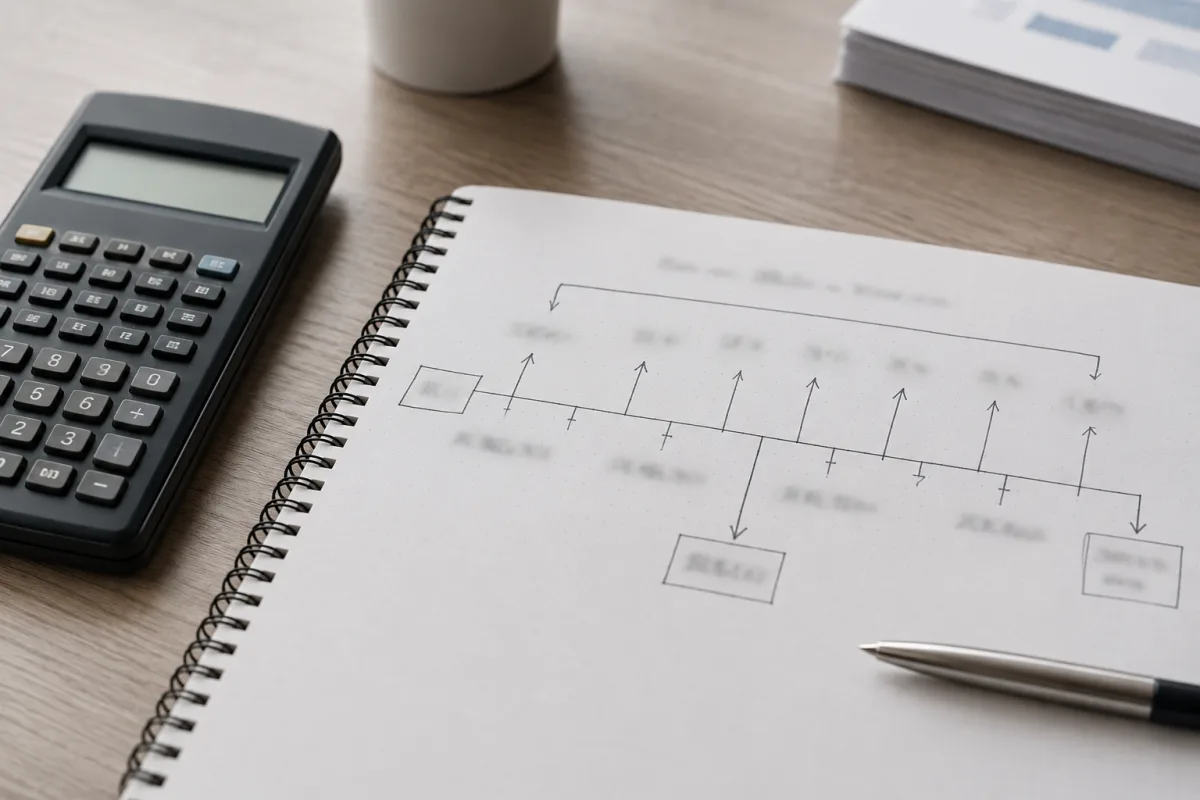
Yield to maturity estimates the return if you buy at the current price, receive all promised payments, and hold until maturity. It uses price, face value, coupon, and time to maturity.
FINRA's bond yield and return guide explains that yield and return are related but not identical, and that different yield measures answer different questions.
Discount And Premium Bonds
A discount bond is bought below face value, so return may include coupon interest plus price appreciation toward par. A premium bond is bought above face value, so part of the coupon may be offset by price decline toward par.
That is why coupon rate alone can mislead. A high coupon on an expensive premium bond may produce a lower yield than it appears.
Savings Bonds Are Different
Series EE and I savings bonds do not trade like corporate or Treasury marketable bonds. Their value is calculated through TreasuryDirect rules rather than market bid and ask prices.
For paper savings bonds, TreasuryDirect's Savings Bond Calculator can price paper EE, E, I, and savings notes. Electronic bond values require TreasuryDirect login.
Use A Financial Calculator
A financial calculator or spreadsheet can solve yield to maturity when the formula becomes tedious. You need present value, future value, coupon payment, periods, and payment frequency.
Livecub's bond calculator guide is the natural next step for readers who want button-by-button help.
Account For Sale Before Maturity
If you sell before maturity, your actual return depends on market price at sale. Rising market rates can reduce fixed-rate bond prices; falling rates can increase them.
Livecub's T-bill sale before maturity guide explains the same rate-price relationship in a short-term Treasury setting.
Taxes And Fees
After-tax return can differ from pre-tax return. Federal, state, local, and account-type rules can change the result. Brokerage fees, bid-ask spread, and reinvestment assumptions also matter.
If you are calculating savings bond value, Livecub's savings bond value guide and Series EE maturity guide can help with source data.
A Quick Example
Suppose you buy a $1,000 face-value bond for $960, receive $50 in coupons for one year, and sell it for $980. Your one-year holding return is $50 plus $20 price gain, divided by $960, or about 7.29 percent before tax and fees.
If you instead hold to maturity, you need a yield-to-maturity calculation because the return includes every coupon and the move from purchase price to face value over time.
Payment Frequency
Many bonds pay interest semiannually. If you calculate as if all payments arrive once per year, your result may be slightly off.
Match the formula to the actual payment schedule. A spreadsheet can handle periods more cleanly than a hand formula.
Reinvestment Assumption
Yield to maturity often assumes coupons are reinvested at the same yield. In real life, the rate available when each coupon arrives may be higher or lower.
That is one reason actual return can differ from the yield shown at purchase.
Compare Similar Bonds
Compare bonds with similar credit quality, tax treatment, maturity, call features, and liquidity. A yield number alone can hide very different risks.
Livecub's Treasury bond buyer guide can help separate Treasury context from corporate or municipal bond comparisons.
Call Features
Some bonds can be called before maturity. If that happens, the investor may receive principal earlier than expected and may have to reinvest at a lower rate.
For callable bonds, yield to call may be as relevant as yield to maturity. Read the bond's terms before relying on a single return number.
Credit Risk
A high yield may reflect higher credit risk. The annual return you calculate assumes payments are made as expected unless you are measuring an actual past result.
Compare yield with issuer quality, maturity, and market conditions. A higher number is not automatically a better bond.
Inflation
Nominal return is the dollar return before adjusting for inflation. Real return subtracts inflation's effect on purchasing power.
A bond can have a positive nominal return and still lose purchasing power if inflation is higher than the return.
Use Consistent Dates
Bond return calculations are sensitive to dates. Settlement date, coupon date, sale date, and maturity date can all change accrued interest and annualization.
If the result seems off, check the dates before changing the formula.
Accrued Interest
When buying or selling a bond between coupon dates, accrued interest may be paid by the buyer to the seller. That affects cash outlay and return.
Use settlement statements rather than memory. The clean price and full cash paid can differ.
Municipal Bonds
Municipal bond returns may need taxable-equivalent yield if interest is exempt from some taxes. A lower stated yield can be more attractive after tax for some investors.
Tax treatment depends on the bond and the investor. Use after-tax comparisons only with accurate tax assumptions.
Spreadsheet Check
A spreadsheet XIRR function can handle irregular cash flows if you enter the dates and amounts correctly. Cash paid should be negative; coupons and sale proceeds should be positive.
The result is only as good as the data. One missed coupon or wrong date can change the annual rate.
Frequently Asked Questions
Is coupon rate the same as annual return?
No. Coupon rate is based on face value. Your return depends on purchase price, sale price, time held, fees, taxes, and reinvestment.
What is the simplest bond return formula?
For one holding period, use interest plus price change minus fees, divided by purchase price. Annualize only if the period is not one year.
What is current yield best for?
Current yield shows annual interest compared with current market price. It does not include capital gain or loss at sale or maturity.
Why use yield to maturity?
YTM helps compare bonds when you plan to hold to maturity, because it accounts for price, face value, coupon, and time.
How do I calculate return on savings bonds?
Use TreasuryDirect values for the bond type. Savings bonds do not trade in the market like ordinary bonds, so market yield formulas may not fit.
The annual rate of return on a bond is only clear after you choose the right measure. Use coupon rate for payment terms, current yield for income today, holding return for what happened, and yield to maturity for hold-to-maturity comparison.

Patrick Harwood
Edits sports, consumer-finance and general legal explainers. Regulated or time-sensitive topics link to primary sources and are not professional advice.



Leave a reply
Replying to