

Buying corporate bonds without a broker usually does not mean buying straight from the company. It means using a self-directed platform instead of relying on a full-service broker's recommendation. The responsibility moves to you.
That responsibility is bigger than clicking the highest yield. Corporate bonds need issuer research, price checks, call review, and a plan for what happens if you need to sell.
What Without A Broker Really Means
Most individual investors who buy corporate bonds still use a brokerage platform. What they often mean by without a broker is without a full-service human broker calling with ideas. The trade may still clear through a broker-dealer system.
That distinction matters because corporate bonds are not bought directly from most companies the way a retail customer buys a product. Access, pricing, markups, and inventory usually run through market platforms.
Know What You Are Buying
FINRA explains that bonds are debt securities issued by corporations, governments, and other entities: FINRA bonds overview. A corporate bond is a loan to a company with terms that define interest, maturity, seniority, and repayment.
The company name is not enough. A senior secured bond, a subordinated note, and a callable bond from the same issuer can carry very different risks.
Use An Online Bond Platform Carefully
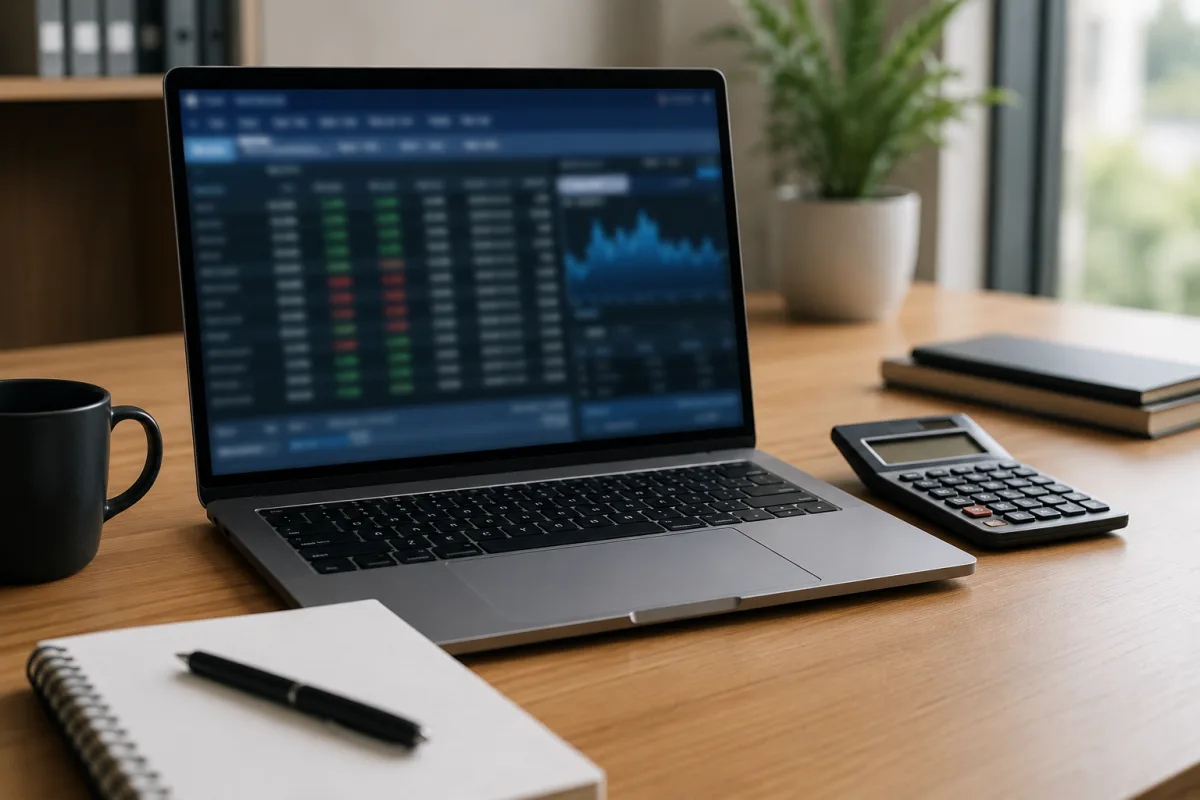
Self-directed brokerage accounts often show corporate bond inventory, price, yield, maturity, call date, rating, coupon, and minimum quantity. That screen can feel precise, but the displayed yield depends on assumptions.
Before placing an order, use Livecub's guide to calculate bonds. A small price difference can change yield, especially near call dates or for shorter maturities.
Check The Issuer's Filings

SEC EDGAR lets investors search company filings and offering documents: SEC EDGAR search. For public companies, filings can show debt load, cash flow, risk factors, and recent events.
Read the bond prospectus or offering document when available. Look for call terms, covenants, ranking, maturity, interest payment dates, and events of default.
Compare Price With Market Data
FINRA provides fixed-income market data tools, including corporate bond trade information: FINRA fixed income data. Use market data to see recent trades before accepting a platform quote.
A corporate bond can have a spread between what buyers pay and sellers receive. The less active the bond, the more that spread can matter.
Do Not Outsource Judgment To Ratings
Credit ratings are useful shorthand, not a guarantee. Ratings can lag company trouble, and two bonds with the same rating may differ in maturity, seniority, call risk, and liquidity.
If you do not want to read issuer filings or compare bond terms, an individual corporate bond may be too much work. A diversified bond fund may be simpler, though it brings its own price movement and fee trade-offs.
Understand Minimums And Diversification
Many corporate bonds trade in minimum denominations that make diversification hard for small accounts. Owning one or two issuers is not the same as owning the corporate bond market.
Default risk is lumpy. One bad issuer can do more damage than a small yield pickup helped. Diversification is not decoration; it is the math that keeps one mistake from defining the account.
Watch Call And Liquidity Risk
A callable bond can be redeemed by the issuer before final maturity. If rates fall, the issuer may call the bond and leave you reinvesting at lower rates. If rates rise, the issuer may leave it outstanding and you hold the lower coupon.
Liquidity risk feels similar to the problem in Livecub's guide to sell a T-bill before maturity: selling before maturity can turn a rate move into a real price hit.
Separate Corporate Bonds From Treasuries
Corporate bonds are not substitutes for U.S. government securities. If your goal is government backing, read Livecub's guide to Treasury bond investing. Corporate bonds pay extra yield because the company can weaken or fail.
Families with older savings bonds should also find out how much bonds are worth before moving cash into corporate debt. Existing safe assets may already cover part of the fixed-income need.
Place Orders With Price Discipline

FINRA's due diligence guidance for bond investors encourages checking product features and risks before investing. Use limit orders where available, compare recent trades, and do not buy only because the yield column is high.
If you cannot explain why the bond yields more than a Treasury of similar maturity, pause. The reason may be acceptable. It should not be unknown.
Run A One-Page Stress Test
For purchase corporate bonds without a broker, write the decision on one page before money moves. Include the amount, time horizon, tax account, expected cash need, worst reasonable outcome, and the point at which you would change course.
The exercise is plain, but it catches weak decisions. If a plan only works when rates, taxes, markets, and family needs all behave kindly, the plan is too thin.
Check The Exit Before The Entry
Investors often study how to buy and barely study how to leave. Before buying, rolling, converting, or holding, ask how cash comes back, what can delay it, what tax form appears, and who sets the price.
An exit rule is not pessimism. It is part of the purchase. Money that may be needed soon should not depend on a calm market to become usable.
Compare The After-Tax Result
A stated rate, yield, or account balance can mislead when taxes differ. Federal tax, state tax, ordinary income treatment, capital gains treatment, and retirement-account rules can all change the real result.
Do the comparison in dollars when possible. Percentages are useful, but a dollar estimate makes the trade-off easier to see and easier to discuss with a tax professional.
Watch Fees And Spreads
A low-risk product can still be a poor deal if the fee, spread, surrender charge, markup, or penalty is too high. The cost may not be labeled as a fee; it may be buried in the price or exit terms.
With How to Purchase Corporate Bonds Without a Broker, the cleanest question is often: what am I paying, what risk am I accepting, and what would a simpler choice cost?
Put The Reason In Writing
Write one sentence explaining the reason for the decision. Not the marketing reason. Your reason. Income for a known date, tax control, lower volatility, estate flexibility, or a better match for cash flow.
That sentence becomes a guardrail later. If the reason disappears, the holding or transaction deserves a fresh review.
Separate Education From Advice
General finance education can explain mechanics, risks, and vocabulary. It cannot know your full tax return, debt, pension, health costs, estate plan, or spouse's needs.
Use articles to ask sharper questions. Use licensed, qualified professionals for decisions that could change taxes, retirement income, insurance, legal rights, or long-term security.
Before You Move Money
Before acting on purchase corporate bonds without a broker, check the account type, tax treatment, timing, and exit route in the same sitting. Splitting those checks across days is how small mistakes slip through.
If a decision depends on a rate, rule, or tax detail that could change, verify it directly before submitting paperwork or placing an order. Keep a dated note of the source you checked, because memory is a poor audit trail.
A pause is cheap. Reversing a tax election, bad bond sale, or unsuitable purchase can be expensive, slow, or impossible.
If the answer is still unclear after one pass, reduce the transaction size or wait for advice. Uncertainty is a cost, even when it does not appear on a statement.
For retirement or taxable accounts, keep the confirmation, prospectus, tax form, and notes together. The paperwork may be boring today and valuable when a question appears months later.
Also write down what would make you regret the decision: needing cash early, a tax bill, a credit downgrade, a rate move, or a product feature you did not notice. Regret scenarios are often better teachers than optimistic projections.
If the regret list feels too long, the simpler choice may be the better one for now.
Frequently Asked Questions
Can individuals buy corporate bonds directly from companies?
Usually no. Most individual purchases happen through brokerage or bond platforms, even without a full-service human broker.
What should I check before buying a corporate bond?
Check issuer strength, maturity, coupon, price, yield, call terms, seniority, liquidity, ratings, and recent trade data.
Are corporate bonds safer than stocks?
They sit higher in the capital structure than stock, but they still carry default, price, liquidity, and interest-rate risk.
Why is the yield higher than a Treasury?
The market may be paying you for credit risk, call risk, lower liquidity, or longer maturity.
Should beginners buy individual corporate bonds?
Only if they can research issuers and diversify. Many beginners are better served comparing diversified funds with direct bonds.
This article is for general information only and is not financial, legal, insurance, medical, or tax advice. Policy terms, prices, eligibility, and laws change; read the policy and ask a licensed professional.

Patrick Harwood
Edits sports, consumer-finance and general legal explainers. Regulated or time-sensitive topics link to primary sources and are not professional advice.




Leave a reply
Replying to