

Does Renter's Insurance Cover Moving? depends on what happened, where the belongings were, who handled them, and what the policy says. Some losses during a move may be covered, while breakage caused by movers may not be.
Before moving day, read your renters policy, ask about belongings in transit and storage, check the deductible, and understand the moving company's valuation or insurance options.
Start With Your Policy
Renters insurance is built around covered losses, not every possible moving problem.
NAIC explains that renters insurance commonly covers personal property and liability, but policy form and limits matter: NAIC renters insurance.
In Transit Coverage Is Limited
NAIC says homeowners and renters insurance will likely provide limited coverage for household belongings in transit, and the policy deductible applies: NAIC moving insurance considerations.
Limited is the key word. Ask your insurer what limit applies away from the residence and during transit.
Movers Handling Damage
Insurance Information Institute says homeowners and renters policies may cover belongings at the residence, in transit, and in storage, but generally do not pay for damage done while movers are handling the items: Triple-I moving coverage.
That is why moving company valuation and separate moving coverage deserve attention.
Covered Perils Still Matter
A policy may cover theft or fire but not a dropped box, scratched table, or crushed lamp.
Ask what covered perils apply during transit and what exclusions apply to breakage.
Check Replacement Cost
If your policy pays actual cash value, depreciation can reduce the claim payment.
Replacement cost coverage may pay more, but it can cost more and still has limits and proof requirements.
Inventory Before Packing

Take photos or video before the boxes close. Capture electronics, furniture, serial numbers, jewelry, tools, and anything expensive.
A move is chaotic; your future claim file should not depend on memory.
Separate Valuable Items
Jewelry, collectibles, instruments, artwork, and high-end electronics may need scheduled coverage or special limits.
Move small valuables yourself when safe, and ask your insurer how those items are treated.
Ask About Storage
Belongings in a storage unit may have lower limits or different exclusions.
Confirm the storage address, time limit, theft rules, water damage rules, and whether the storage company offers separate coverage.
Review The Deductible
A $600 loss may not be worth filing if the deductible is $500 and a claim could affect future pricing.
Know the deductible before assuming the policy will solve a moving mishap.
Understand Mover Valuation
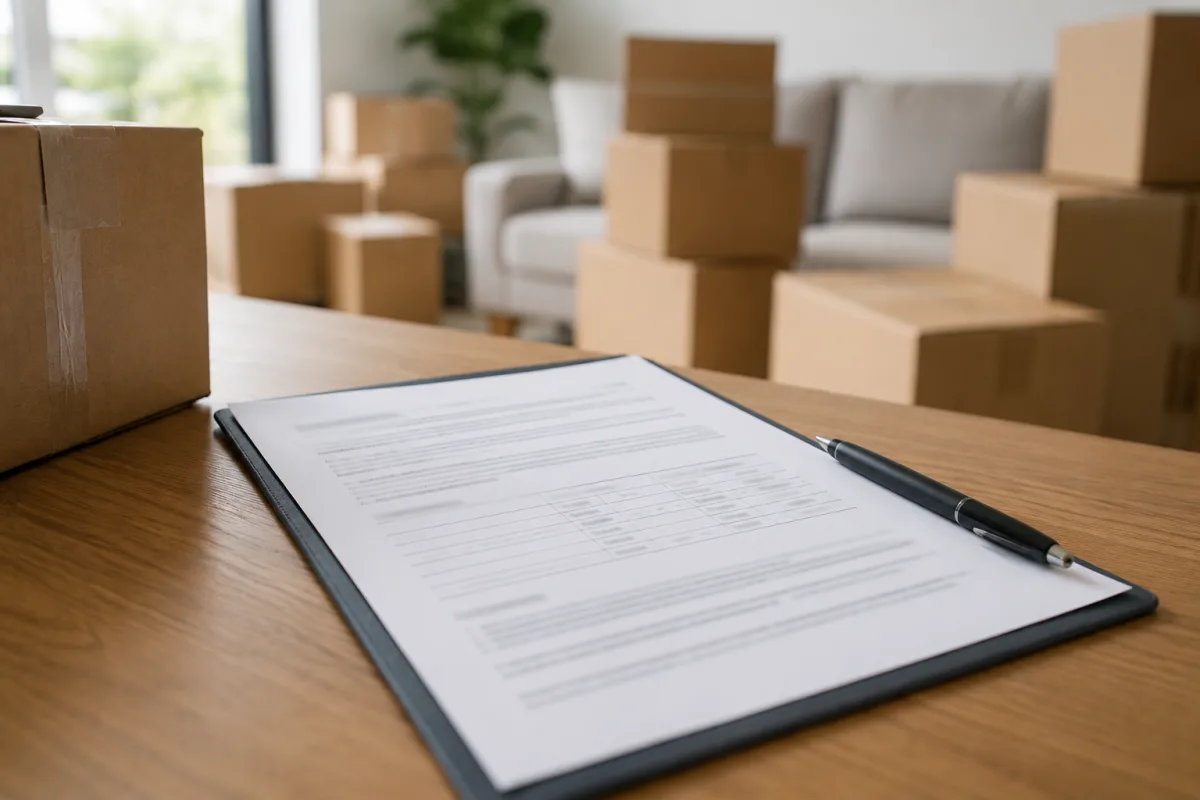
Moving company valuation is not the same as full insurance. Basic released value may pay very little per pound.
Full-value protection, third-party moving insurance, or trip transit coverage may be available depending on the move.
DIY Moves
If friends help you move, the policy questions may differ from a licensed moving company claim.
Ask whether damage by you, a friend, theft from a vehicle, or an accident during loading would be treated differently.
Old Address And New Address
Tell your insurer the move date and new address. Ask when coverage ends at the old rental and begins at the new one.
A gap of one day can become expensive if theft or fire happens during that gap.
Roommates
Roommates often need their own renters policies unless named on the same policy.
Do not assume your policy covers a roommate's belongings in the truck, storage unit, or new apartment.
Liability During The Move
Renters insurance may include liability, but moving injuries can be messy if friends, movers, stairs, elevators, or building property are involved.
Ask your insurer and read the lease for rules about elevator damage, hallway damage, and move-out responsibilities.
Use A Money Checklist
Moving costs include deposits, truck rental, utility fees, packing materials, coverage, and meals during the move.
Livecub's money teaching guide is family-focused, but the checklist habit works for adult moves too.
Keep Emergency Cash
A move can create surprise costs before any claim is paid.
For people tracking older assets, Livecub's saving bonds value guide may help with broader household records.
Do Not Mix Investments And Insurance
Insurance protects against certain losses; investments try to grow or preserve money. Do not confuse the two.
Livecub's annuity comparison guide is a reminder that contract terms matter in every financial product.
Compare Extra Coverage
Ask your renters insurer, moving company, storage company, and a third-party moving insurance provider what each option covers.
Compare exclusions, deductibles, claim process, limits, and whether breakage is covered.
File Quickly
If something is stolen or damaged, document it quickly. Take photos, keep receipts, notify the mover, file a police report if needed, and contact the insurer.
Claims can have deadlines. Waiting can weaken the file.
Keep The Paper Trail
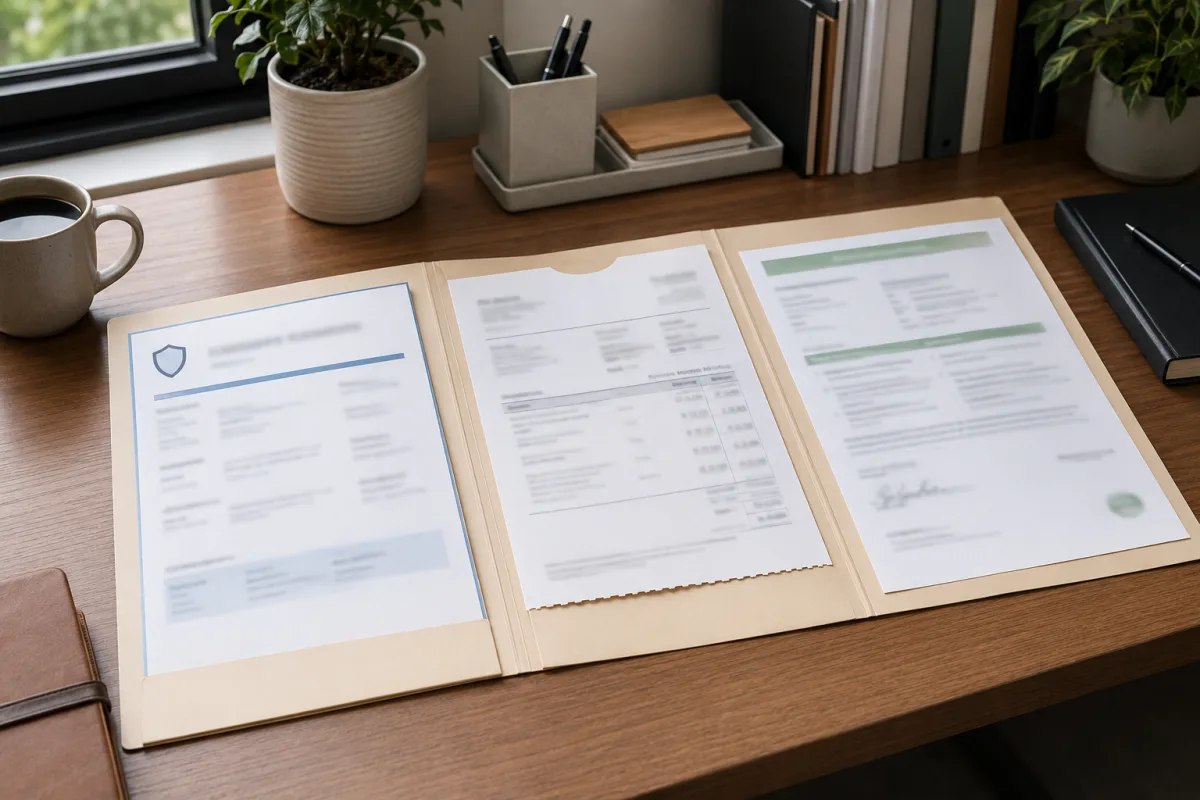
Save the lease, policy declarations, moving contract, inventory, photos, receipts, storage agreement, and claim numbers.
A clean paper trail is often the difference between a clear claim and a long argument.
Label Boxes Clearly
Labels help with more than unpacking. They can support an inventory if a box disappears or arrives damaged.
Use room names and broad contents, but avoid advertising expensive items on the outside of the box.
Photograph Loading Day
Take a few photos before the truck door closes, especially for furniture, electronics, and box condition.
Photos can show whether an item was intact before transit and how it was packed.
Ask About Vehicle Theft
Theft from a personal car, rental truck, or moving truck may be treated differently by the policy.
Ask whether unattended vehicles, overnight parking, locks, and location affect coverage.
Plan Elevators And Hallways
Building damage during a move can create a separate bill from the landlord or condo association.
Reserve elevators, use padding, follow move hours, and photograph shared areas before and after the move.
Update The Policy Date
Tell the insurer the exact move date and new address. Some policies can be endorsed or rewritten for the new rental.
Do not wait until after the move to discover the old address was still listed.
Think Before Filing
A claim can be useful for a serious covered loss, but small losses may not beat the deductible.
Ask how a claim could affect renewal or pricing before filing for a minor issue.
Pack Fragile Items Differently
Fragile items are often where coverage gaps hurt most. Use proper packing, mark boxes, and consider moving irreplaceable items yourself.
If a mover packs fragile goods, ask how that affects valuation and claims.
Move-Out Duties
Renters insurance does not replace lease duties. Cleaning, key return, wall damage, and unpaid rent are usually separate from insurance.
Handle the move-out checklist even if you are focused on the truck.
Overlap Coverage
Some renters have old and new places for a few days. Ask how the policy treats belongings split between both addresses.
This matters when boxes are stored at the new apartment while furniture remains at the old one.
Pack Essentials Separately
Keep medications, documents, chargers, baby supplies, pet supplies, basic clothes, and valuables out of the main truck if possible.
Insurance may pay later, but essentials are needed now.
Weather Risks
Rain, snow, heat, and humidity can damage belongings during loading, unloading, or storage.
Ask whether weather-related damage is covered and use plastic bins or covers where water would be expensive.
High Value Proof
For expensive items, keep receipts, appraisals, serial numbers, photos, and warranty records.
A claim for a high-value item is stronger when ownership and value are documented before the loss. Store copies online in case a paper folder disappears. Share access with someone trusted if you are traveling too.
Frequently Asked Questions
Does renters insurance cover items while moving?
Sometimes, but coverage is often limited and depends on the policy, covered peril, location, deductible, and who handled the items.
Does renters insurance cover movers breaking items?
Often no. Many policies do not cover damage caused while movers physically handle belongings, so check mover valuation or extra coverage.
Are belongings in storage covered?
They may be, but limits and exclusions can differ. Ask about storage location, time limits, theft, water damage, and deductible rules.
Should I buy moving insurance?
Consider it if your belongings are valuable, breakable, or handled by movers. Compare policy coverage with mover and third-party options.
What should I do before moving?
Photograph belongings, update your address, ask about transit and storage limits, read mover documents, and keep every receipt.
Renter's insurance may cover some moving losses, but not all. Check transit limits, mover handling exclusions, storage rules, deductibles, and extra coverage before moving day.

Patrick Harwood
Edits sports, consumer-finance and general legal explainers. Regulated or time-sensitive topics link to primary sources and are not professional advice.



Leave a reply
Replying to