

How Can Children Overcome Stage Fright? The goal is not to force a child to become fearless. The goal is to help the child feel safe enough to practice being seen, heard, and imperfect.
Children do best when adults lower shame, build small steps, praise effort, and know when stage fright may be part of a larger anxiety pattern.
Start By Naming It
Tell the child that nervous bodies can shake, sweat, forget words, or want to hide. Naming the body response removes some of the mystery.
NIMH describes social anxiety as fear in situations where a person may be judged, including performing in front of others: NIMH social anxiety guide.
Do Not Tease
A child who freezes on stage does not need jokes, eye rolls, or family stories retold for years. Shame teaches avoidance.
Use calm language: You felt scared and you stayed for part of it. That was practice. Next time we will make the step smaller.
Make The First Step Tiny
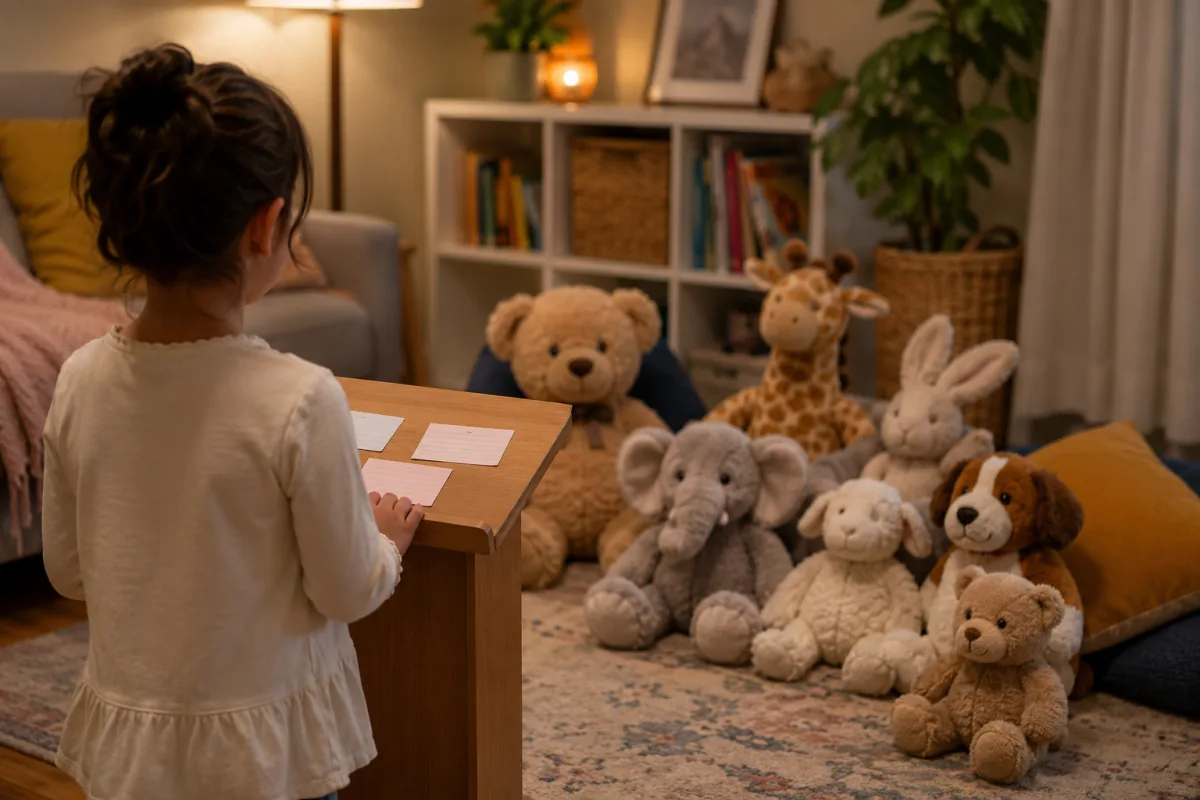
Start below the scary task. The child can read one line to a parent, then two lines, then record a short clip, then speak for one trusted person.
The step should be hard enough to count but small enough to repeat. A child who refuses the step may need an easier one.
Practice The Opening
Children often panic at the first sentence. Memorizing a simple opening can help: Hi, my name is , and I am going to talk about .
After the opening, notes can be simple cue words. Full scripts can trap a child because one forgotten word feels like failure.
Praise Effort, Not Performance
Say what the child did: you stood up, you used your first sentence, you kept going after a pause. Avoid making the praise depend on applause.
Child Mind Institute explains that children with social anxiety may fear performing in front of others: Child Mind social anxiety overview.
Use Practice Audiences
A stuffed animal audience, one parent, two relatives, a teacher, and a small peer group can form a practice ladder.
If sports pressure feels similar, Livecub's sports tryout nerves guide may help older children connect performance fear across settings.
Teach Recovery

Children need words for mistakes: Let me try again, I lost my place, or the next part is. Practice those phrases on purpose.
A child who knows how to recover is less afraid of one forgotten line. Recovery is a skill, not a backup plan for failure.
Help The Body
Before speaking, try slow exhale, feet on the floor, shoulder roll, water sip, and a gentle voice warmup. Keep it short and repeatable.
Livecub's quick stage fright guide can help with simple body tools, but children need adult patience more than adult pressure.
Watch For Selective Mutism
If a child speaks freely at home but cannot speak in school or certain social settings, that may be more than ordinary stage fright.
Livecub's selective mutism guide is a better internal next step when silence is setting-specific and persistent.
Coordinate With School
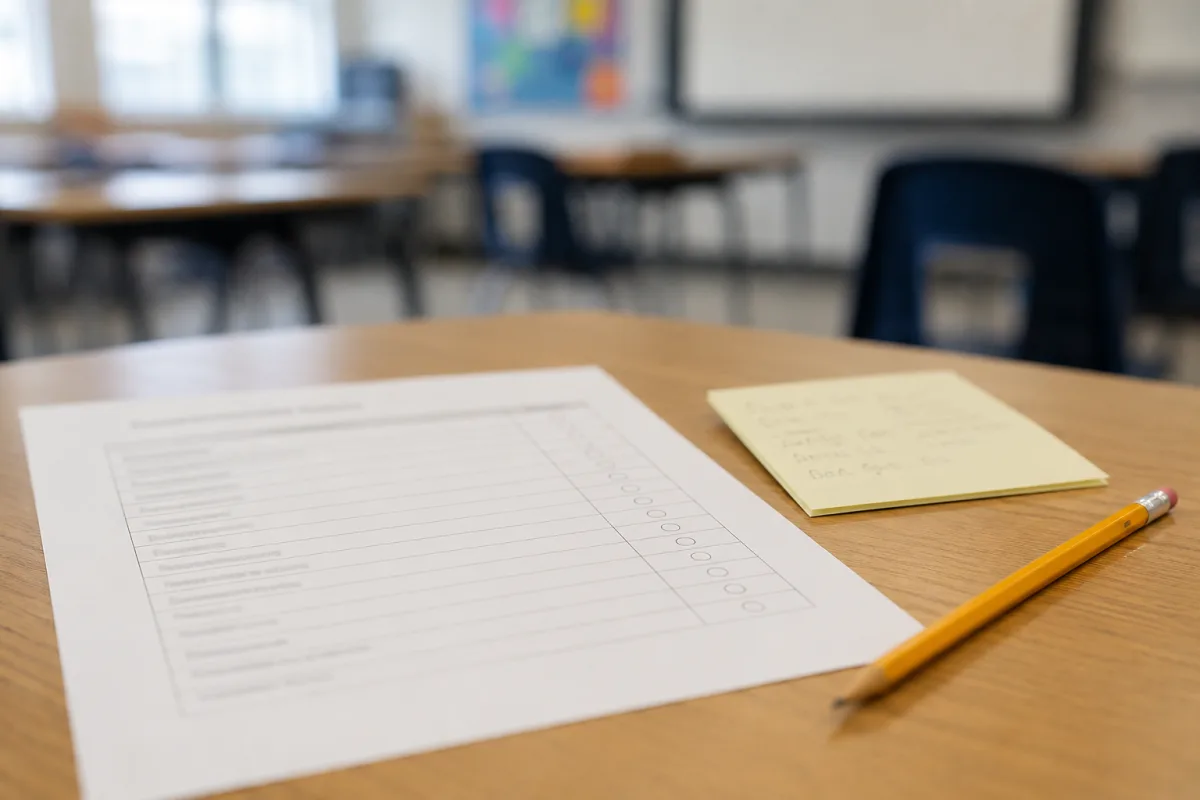
Ask the teacher for smaller speaking steps: present to the teacher first, record at home, stand with a friend, or answer one prepared question.
Do not surprise the child with a public demand. Predictability helps anxious children practice instead of panic.
Know When To Get Help
AACAP's anxiety guideline summary notes CBT as a treatment option for children and adolescents with anxiety disorders: AACAP anxiety guideline abstract.
Seek help if fear lasts, spreads, causes school refusal, leads to tears before every performance, or keeps the child from normal activities.
Keep A Practice Log
A simple log can show progress: date, step, fear rating, what helped, and what to try next. Keep it private and kind.
Livecub's food journal guide is about food, but the same dated-note habit works for tracking practice without shaming the child.
Do Not Bribe Big
A huge reward can make the speech feel more dangerous because now the child has something to lose. Use small praise and calm support instead.
If you offer a reward, reward practice steps rather than a perfect performance.
After The Event
After a performance, wait until the child is calm before reviewing. Ask what felt hard and what helped.
End with one next practice step. Long lectures after anxiety teach the child to dread the review as much as the stage.
Separate Fear From Character
A scared child is not being dramatic, rude, lazy, or weak. The child is having a body response in front of an audience.
Adults set the tone. If the adult treats fear as information, the child is more likely to try again.
Rehearse The Walk Up
Many children fear the walk to the front as much as the speech itself. Practice walking up, placing notes down, looking at one safe spot, and breathing before the first word.
This removes a surprise from the moment. The child learns that the start has steps.
Use Choice Carefully
Give choices inside the practice plan: read sitting or standing, use blue cards or white cards, practice before dinner or after. Do not make the choice speak or never speak.
Choice lowers helplessness. The adult still protects progress by keeping the next step small and planned.
Avoid Last-Minute Coaching
Too many instructions right before a performance can overload the child. Keep the final cue simple: breathe, read the first line, pause if needed.
Save detailed coaching for practice days. Performance day should feel familiar, not crowded with new rules.
Help With Mistake Fear
Ask the child what mistake they fear most. Then practice that exact mistake safely: drop a card, forget a line, say the wrong word, and recover.
This teaches the child that mistakes are survivable events, not disasters.
Use Video Gently
Recording can help some children notice progress, but it can also make anxious children inspect every movement. Use video only if it helps.
If you record, watch for one skill only, such as volume or pace. Stop before it becomes criticism.
Protect The Child's Privacy
Do not post the performance online without the child's comfort. Public sharing can turn a small brave step into a much larger audience.
A child should not have to perform for relatives, comments, or likes while still learning to manage fear.
Keep Adults Calm
Children borrow adult emotion. If the parent looks panicked, angry, or embarrassed, the child may decide the stage really is dangerous.
Before helping the child, the adult may need a breath, a softer voice, and a plan that does not rush the process.
Use Predictable Practice
Practice works better when it happens at predictable times. Five minutes after dinner three days a week may help more than one long stressful rehearsal.
Short practice also leaves the child with a sense of success instead of exhaustion.
Handle Sibling Comments
Siblings may tease without understanding the damage. Set a clear rule that practice time is not for jokes, impressions, or replaying mistakes.
A child needs a safe practice room. Family humor should not become another audience to fear.
Let The Child Watch Models
Watching another child speak calmly can help, especially if the model also makes a small mistake and keeps going.
Choose models who are kind and realistic. A perfect performer can make the gap feel too large.
Celebrate Return
If a child leaves the stage and later returns to practice, that return deserves attention. Coming back after fear is one of the main skills.
Praise the return, not only the final performance. That is how resilience becomes visible.
Use Gentle Deadlines
A deadline helps only if the child has enough practice steps before it. Springing a performance on Friday after no rehearsal all week can make fear worse.
Give the date, the plan, and the smallest next practice step early.
Let Progress Look Uneven
A child may speak well one day and freeze the next. That does not erase progress.
Anxiety is affected by sleep, audience, teacher, room, and surprise. Look for the longer pattern, not one hard day.
Keep Home Safe
Home should not become another stage unless the child agrees to practice. Ask before inviting relatives to watch.
A safe home base helps the child take risks outside it.
Frequently Asked Questions
Should I make my child perform to get over stage fright?
No. Forced exposure can backfire. Use small planned steps and repeat them until the child can handle more.
What should I say after a child freezes on stage?
Stay calm and name the effort. Avoid teasing, lectures, and replaying the mistake in front of others.
Can stage fright be social anxiety?
Yes, especially if fear lasts, spreads to other situations, or interferes with school and friendships.
How can teachers help?
Teachers can offer smaller speaking steps, predictable expectations, practice time, and private encouragement.
When should we get professional help?
Get help if fear causes major distress, avoidance, school refusal, or silence in specific settings.
Children overcome stage fright through small steps, kind review, repeated practice, and adult support that does not turn fear into shame.

Linda Fehrman
Edits general wellness and relationship explainers. Health material is educational, avoids diagnosis and links to health-authority guidance.


Leave a reply
Replying to