

How to Collect Insurance on Default Bond starts with a practical correction: most investors do not collect bond insurance the way they file a home or auto claim. For insured municipal bonds, the trustee, paying agent, depository, broker, and insurer usually control the payment path.
Your job is to confirm the bond is insured, document the default, identify the paying chain, and keep pressure on the right parties. Do not assume insurance protects market value or speeds up maturity.
Confirm The Bond Is Insured
Look at the official statement, trade confirmation, CUSIP record, broker statement, and EMMA disclosure documents. Some bonds are insured at issue; some may have secondary-market insurance; many have no insurance at all.
MSRB says credit/default risk is the risk that an issuer cannot make payments, and a credit enhancement such as bond insurance may allow investors to receive principal and interest despite issuer nonpayment: MSRB municipal bond investment risks.
Identify What Is Covered
Bond insurance usually covers scheduled principal and interest when due. It generally does not guarantee that you can sell the bond at the price you want today.
The MSRB and FINRA investor notice says protection may shield an investor from default risk to the extent the protection provider promises to buy bonds back or take over interest and principal payments: MSRB and FINRA bond insurance notice.
Find The Payment Chain
For many municipal bonds, payments flow from issuer to trustee or paying agent, then through depository and broker systems to investors. The retail holder may not speak directly to the insurer first.
Call your broker and ask who the trustee or paying agent is, what default notice was received, and whether the insurer has acknowledged the payment obligation.
Do Not Rely On Rumor
Default headlines, message boards, and price drops are not the same as a missed insured payment. Use EMMA filings, trustee notices, broker messages, and insurer statements.
Livecub's bond calculator guide can help you keep price, interest, and payment timing in separate columns.
Gather Documents
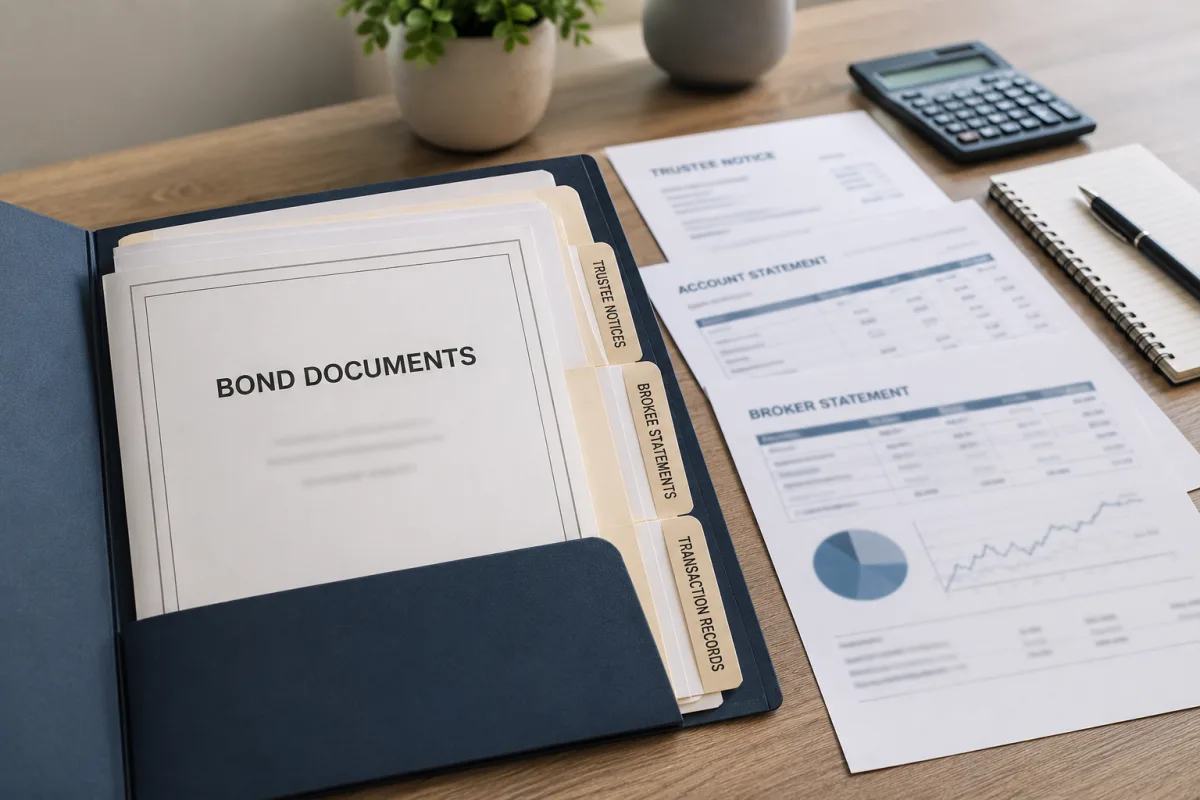
Create a file with trade confirmation, account statements, official statement, CUSIP, insurance policy reference, missed payment date, broker messages, and trustee notices.
If you later need a complaint, arbitration discussion, or tax record, a clean timeline matters.
Ask Specific Questions

Ask your broker: Was a payment missed? Was the bond insured at the CUSIP level? Who is the insurer? Has the trustee made a claim? When is the next scheduled payment date?
Avoid vague questions such as Am I covered? Force the conversation into dates, documents, parties, and payment status.
Understand Insurer Risk
Bond insurance shifts part of the credit question from the issuer to the insurer. If the insurer is downgraded or financially stressed, the insured bond can still lose market value.
Insurance is a promise from another financial party. It is not the same as U.S. Treasury backing.
Track Interest And Principal
Scheduled interest and principal have different timing. A bond may miss one interest payment, face a trustee process, or have principal due later.
Livecub's bond maturity guide can help readers think about maturity timing, though municipal bond rules differ.
Selling Before Payment
If you sell after a default headline but before insured payment details are clear, you may lock in a price that reflects fear and uncertainty.
Livecub's selling before maturity guide covers a different product, but the timing lesson applies: sale price can differ from expected payment value.
Use Regulators And Records
FINRA says municipal bonds generally pay interest semiannually and have maturities that can range from less than one year to 30 years: FINRA municipal securities.
That payment schedule helps you check whether a delay is real and which date matters.
If The Broker Is Unclear
Ask for the answer in writing. If the broker cannot explain the insurance status, ask for the official statement and trustee contact information.
Do not accept a casual statement that the bond is probably insured. The documents either support the claim or they do not.
Complaint Paths
If you believe your broker misrepresented insurance, risk, markup, suitability, or default status, preserve documents and ask about firm complaint procedures or securities-law advice.
This article does not tell you to sue or arbitrate. It tells you to keep proof before the record becomes scattered.
Tax And Accounting
A default, insurance payment, sale, or recovery can have tax consequences. Keep records of missed payments, replacement payments, sale price, and any loss claim.
Ask a tax professional before assuming the payment is ordinary interest, recovery, capital event, or something else.
If The Insurer Pays Late
A delayed payment may reflect trustee processing, verification, depository movement, or dispute over coverage. Ask where the payment is stuck, not only when money arrives.
Keep the scheduled payment date and actual receipt date in the file. A one-page log helps if the same answer keeps changing across broker calls.
Underlying Rating
An insured bond may have an insurer rating and an underlying issuer rating. If the insurer rating falls, the underlying rating can matter more to market value.
Do not evaluate an insured bond from the insurance label alone. Look at the issuer, revenue source, legal security, insurer, maturity, and current disclosures together.
After Payment
If the insurer makes scheduled payments, keep records for tax reporting and future sale decisions. The bond may still trade differently after default.
Review if the original reason for holding the bond still fits your plan. Payment protection does not automatically make the position simple or liquid.
Broker Notes
Ask the broker to identify the exact source for every statement: official statement, EMMA notice, trustee notice, insurer notice, or internal operations message.
A clear broker note is better than a quick phone answer. Save emails and secure-message replies because they show what you were told and when.
Trustee Contact
The trustee or paying agent may not give retail holders every detail directly, but the name still matters. It helps you ask the broker better questions.
If the trustee has posted a notice, read the payment date, event date, cure language, and contact instructions before assuming insurance has failed.
Partial Payments
Some troubled bonds involve partial payments, delayed interest, escrowed amounts, reserves, or separate treatment of principal and interest. The label default can hide those details.
Write down what was due, what arrived, what is still missing, and which party is expected to cover the gap.
CUSIP Accuracy
Many bonds from the same issuer can have different maturities, coupons, insurance status, and security pledges. A single issuer name is not enough.
Use the CUSIP from your statement when searching records. One wrong maturity can send you to a different bond with different rights.
Market Value
Insurance may support scheduled payments, but market price can still move with rates, insurer strength, liquidity, and fear around the issuer.
If you ask for a sale quote, compare it with the expected insured payment stream and any timing risk before deciding.
Complaint File
If responses remain unclear, build a calm complaint file: account number, CUSIP, payment date, call dates, names, documents requested, and answers received.
The goal is not to sound dramatic. The goal is to make the timeline so plain that a supervisor can see the unresolved point quickly.
Tax And Records
A default, delayed payment, sale, or insurer payment may create tax questions. Keep broker tax forms, payment notices, and sale confirmations together.
Do not guess from the account screen alone. Ask a tax professional how the payment or loss should be reported for your facts.
Risk After Resolution
Once payment resumes, the bond may still carry issuer risk, liquidity risk, and insurer risk. A repaired payment does not erase the credit history.
Decide in writing why you are holding, selling, or waiting. That note can prevent a later decision based only on relief or frustration.
Frequently Asked Questions
How do I collect insurance on a default bond?
Confirm the bond is insured, identify the trustee or paying agent, document the missed payment, contact your broker, and track insurer notices.
Do I file a claim directly with the bond insurer?
Often the trustee, paying agent, depository, or broker handles the payment path. Ask your broker who controls the process.
Does bond insurance protect market value?
Usually no. Bond insurance may cover scheduled principal and interest, but the bond's market price can still fall.
What documents should I keep?
Keep the official statement, trade confirmation, CUSIP, broker messages, trustee notices, account statements, and payment records.
What if the broker misrepresented the bond?
Document everything, ask for written answers, review firm complaint procedures, and consider qualified securities-law advice.
Collecting insurance on a default bond means following the documents and payment chain. Confirm coverage, track notices, keep records, and avoid guessing.

Tory Stearns
Edits practical household, travel and lifestyle explainers. Claims that can change are linked to current primary or subject-authority sources.




Leave a reply
Replying to