

How to Find Out How Much Saving Bonds Are Worth starts with one rule: use TreasuryDirect, not guesses from an old table or a random resale website. U.S. savings bonds earn interest under rules that depend on series, issue date, redemption date, and sometimes inflation adjustments. A paper bond that says $50 on the front may not be worth $50 today.
This article is educational and not financial advice. Savings bond value, taxes, ownership, redemption limits, and estate questions can depend on your situation. Use official Treasury tools and ask a qualified tax or financial professional when money, inheritance, or legal ownership is unclear.
Identify The Bond First
Look for the series, denomination, issue date, and serial number. Paper EE, E, I, HH, and H bonds do not all work the same way. Electronic savings bonds are held in TreasuryDirect accounts and are checked through the account, not by typing a paper serial number into a calculator.
If you are sorting a family file, make a simple list before calculating: owner name, co-owner or beneficiary, series, issue date, denomination, serial number, and physical location. Livecub's kids and money guide is aimed at families, but the same habit helps here: write down what you have before making decisions.
Use The TreasuryDirect Calculator For Paper Bonds
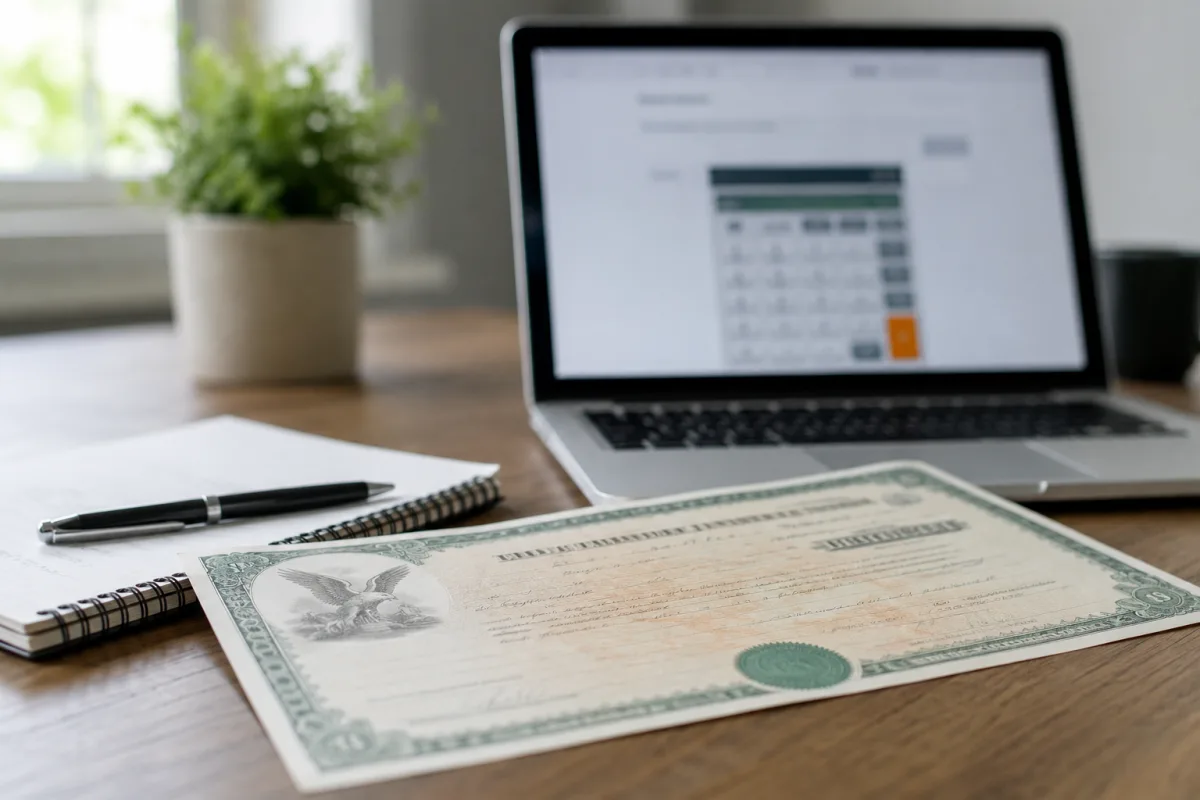
TreasuryDirect provides the official Savings Bond Calculator for paper bonds. Enter the value-as-of date, series, denomination, serial number if you have it, and issue date. The calculator shows current value, interest earned, and other details.
The serial number is helpful for tracking your inventory, but TreasuryDirect says the calculator can value a bond without the serial number if you enter the other required fields. Still, keep serial numbers for records, replacement, and estate paperwork.
Check Electronic Bonds In TreasuryDirect
Electronic savings bonds are held in a TreasuryDirect account. Log in and review the holdings inside the account. Do not rely on memory or an old email because values update as interest is added. If you cannot access the account, follow TreasuryDirect account recovery steps rather than opening a new account and hoping the bonds appear.
For broader Treasury context, Livecub's who buys U.S. Treasury bonds and 100 percent Treasury bonds guide discuss marketable Treasury securities. Savings bonds are different: they are registered to owners and redeemed under savings bond rules.
Understand Series EE And Series I
Series EE bonds and Series I bonds are the common modern savings bond types. TreasuryDirect's Series EE page explains current EE rules, including how long they earn interest and how electronic EE bonds are sold. Series I bonds combine a fixed rate with an inflation-based rate that changes over time.
If you are checking an EE bond's timing, Livecub's Series EE maturity guide is the closest internal companion. The practical point is simple: issue date matters.
Know The Cashing Rules Before You Redeem
Value is not the same as the amount you should redeem today. TreasuryDirect's cash a savings bond page explains redemption rules, including holding periods and how paper or electronic bonds are cashed. Some bonds may forfeit recent interest if redeemed too early.
Before redeeming, check whether the bond is still earning interest, whether a penalty applies, whether taxes will be due, and whether all named owners can legally cash it. That is especially relevant for inherited bonds or bonds found after a relative dies.
If the bond has stopped earning interest, the decision may be easier, but still check ownership and taxes before cashing. If it is still earning interest, compare the value today with your need for cash. The calculator tells you the amount; it does not know your plan.
What About HH Or H Bonds?
Older HH and H bonds are different from EE and I bonds. They were current-income securities that paid interest differently. If you find one, do not force it into a modern EE/I mental model. Use TreasuryDirect's savings bond pages and contact Treasury support if the bond is old, damaged, or tied to an estate.
Keep any envelopes, letters, or bank receipts with older bonds. The paperwork can help explain ownership or previous conversions.
When a bond type is unfamiliar, slow down. Old savings bond programs changed over time, and family stories may not match the document in front of you. The safest next step is usually to identify the exact series and issue date before discussing redemption.
Build A Bond Inventory

The Savings Bond Calculator can save an inventory file for paper bonds. That can be useful if you have several bonds and want to update values later. Save the file in a secure place because bond details are financial records.
A good inventory includes series, denomination, issue date, serial number, owner, co-owner or beneficiary, current value date, and notes about where the physical bond is stored. Do not photograph and share bond serial numbers casually.
Update the inventory whenever you redeem, reissue, or find another bond. If several relatives have bonds in the same file, separate them by owner. That prevents one person's financial record from being mixed into another person's tax or estate paperwork.
For paper bonds stored at home, use a fire-resistant file box or a safe deposit plan that trusted people can access legally. A perfect inventory is less helpful if no one can find the actual bond or account information when it is needed.
Taxes And Timing
Savings bond interest is generally subject to federal income tax, though state and local treatment may differ. Some education-related exclusions may apply only when strict rules are met. Do not assume a tax break applies because the bond was used for school.
If the bond belongs to a child, an estate, a trust, or a deceased relative, talk with a tax professional before redeeming. Livecub's 401k at age 60 article is a different topic, but it shares the same planning lesson: withdrawal timing can affect taxes.
Also decide if you are checking value for curiosity, bookkeeping, a planned redemption, college costs, or estate settlement. The reason affects the next step. A bond that is still earning interest may be worth leaving alone, while a fully matured bond may be better recorded as cash to be handled.
If a bank offers to redeem paper bonds, confirm current limits and identification requirements before you go. Some banks redeem only for existing customers or only up to certain amounts. TreasuryDirect can explain federal rules, but local bank policy can still affect the errand.
Lost, Damaged, Or Inherited Bonds

If a paper bond is lost, stolen, or destroyed, TreasuryDirect has forms for replacement or reissue. You will need details such as owner information, approximate issue date, and serial number if available. The more complete your records, the easier the process.
For inherited bonds, ownership wording matters. A named beneficiary, co-owner, estate representative, or surviving owner may have different steps. Do not cash a bond simply because it is in a drawer. Confirm legal authority first.
If the owner name is outdated because of marriage, divorce, adoption, or a legal name change, gather documents before starting. Treasury or the bank may need proof that the person presenting the bond is the person named on it.
Damaged bonds should be handled carefully. Do not tape over serial numbers, laminate old bonds, or trim edges. Keep fragments and envelopes together until Treasury gives instructions.
Frequently Asked Questions
Can I check a paper savings bond online?
Yes. Use TreasuryDirect's Savings Bond Calculator and enter the series, denomination, issue date, and value date.
Do I need the serial number to calculate value?
The calculator can estimate value without it, but the serial number is useful for inventory, replacement, and records.
Where do I see electronic bond value?
Log in to the TreasuryDirect account that holds the electronic savings bond and review the current holdings.
Should I redeem a bond as soon as I find it?
Not always. Check whether it still earns interest, whether penalties apply, and whether taxes or ownership issues matter.
Are savings bonds the same as Treasury bonds?
No. Savings bonds are registered nonmarketable securities. Treasury notes and bonds trade differently in the market.
The Clean Way To Check Value
Find out how much savings bonds are worth by identifying the series and issue date, using TreasuryDirect for paper or electronic bonds, recording the results, and checking cashing and tax rules before redeeming. The math is easy once the paperwork is organized.

Tory Stearns
Edits practical household, travel and lifestyle explainers. Claims that can change are linked to current primary or subject-authority sources.




Leave a reply
Replying to