

Restaurant customer service complaints feel personal because food is personal. A cold plate, long wait, rude tone, wrong allergen answer, messy restroom, or surprise charge can turn a guest's mood fast. The manager's job is not to win an argument. It is to understand what happened, protect the staff, fix what can be fixed, document what matters, and keep one bad moment from becoming the story a guest tells for years.
Good complaint handling is a system, not a personality trait. Friendly servers still need permission to act. Calm managers still need notes. Kitchen teams need feedback that is specific enough to correct. Owners need patterns, not scattered memories.
Make Complaints Easy To Hear Early
The best time to solve a complaint is while the guest is still in the building. That means staff should make it easy for guests to speak up without feeling dramatic. Table checks should be specific: "Is the steak cooked the way you wanted?" works better than a rushed "Everything okay?" as the server walks away.
Comment cards, QR surveys, text feedback, and manager table visits can help, but they only work if someone reads them and follows up. A dusty comment box near the restroom teaches guests that feedback disappears. A manager who circles the dining room and actually listens teaches the opposite.
The hospitality school EHL describes service recovery as a plan built around listening, taking ownership, making amends, responding promptly, keeping guests informed, and tracking complaints so the business improves. Its service recovery guide is useful because it treats the complaint as both an emotional moment and an operations signal.
Training should start before the floor gets busy. A restaurant that invests in fun customer service training can use role-play without making staff feel mocked: late food, wrong order, spilled drink, dietary concern, rude guest, and online review response.
Listen First, Then Own The Next Step

The first response should be calm and short. Let the guest explain. Do not interrupt with kitchen excuses, staffing problems, or policy language. Repeat the issue back in plain words: "You ordered the salmon without dairy, and the sauce came on the plate." That tells the guest you heard the actual problem, not just the emotion around it.
Ownership does not require blaming yourself. It means the guest knows who is handling the next step. "I am going to take this plate back, speak with the kitchen, and come back in two minutes" is better than "I'll see what I can do." Time markers matter. A guest who has already waited too long should not be left wondering whether anyone is coming back.
OpenTable's restaurant complaint guide summarizes a simple framework: listen, empathize, apologize for the problem, and fix the issue quickly and politely. In practice, the apology should fit the situation. "I am sorry this happened" is often enough. For a possible foodborne illness claim, staff should express concern, document, and involve management without casually admitting fault.
Managers also need to protect employees from abuse. A guest can be upset without being allowed to threaten, insult, or touch staff. If a complaint becomes hostile, bring in a manager and move the conversation away from other guests if possible. A team that knows management will back them up handles complaints more calmly.
Match The Fix To The Complaint
Not every complaint needs a comped meal. A missing sauce may need the sauce. A cold entree may need a refire and a manager check-in. A long wait may need honest timing and bread, soup, or a low-cost gesture. A dietary error needs urgency, replacement, and a process review. A rude interaction needs apology, staff follow-up, and sometimes a different server.
Cornell's hospitality research on complaint communication found that food issues and combined food-and-service failures are among the most severe problems guests report, but they also give restaurants a chance for recovery when handled directly. The Cornell Hospitality Report also notes that fair treatment and an appropriate remedy are tied to whether guests intend to return.
Ask what would make the situation right, but do not make the guest design the whole solution. Offer two reasonable options when possible: replace the dish now, or remove it and bring another entree; move the party to another table, or pack the food to go with a dessert on the house. Choice gives the guest some control without handing over the restaurant.
Busy waits are a special category because hosts often absorb the frustration before the server ever meets the table. A host stand that uses realistic timing, clear updates, and calm body language will handle problems better; that is the same skill set covered in handling a busy wait as a hostess.
Document Food Safety And Allergy Issues
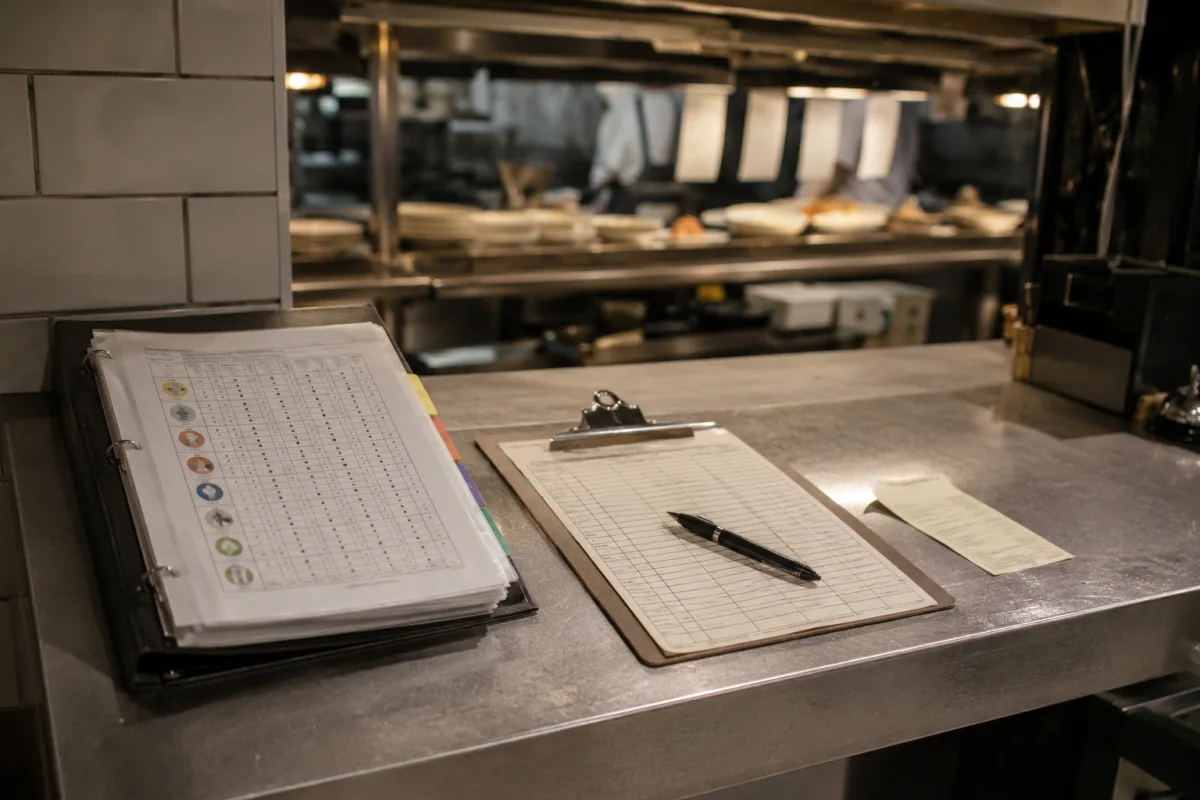
Some complaints need more than a fix at the table. Alleged food poisoning, allergic reactions, foreign objects, undercooked food, and dietary restriction errors should be documented immediately. Record the date, time, table, items ordered, symptoms described, staff involved, lot or prep details if relevant, and the manager response. Keep the notes factual and respectful.
Train servers not to guess about ingredients. If a guest asks about allergens, the answer should come from a reliable ingredient list, chef, or manager, not memory. If the restaurant cannot safely accommodate a request, say so. A guest may be disappointed, but that is better than false confidence.
For illness claims, show concern and gather information. Do not diagnose. Do not argue that the restaurant could not be responsible. Do not promise medical outcomes. Escalate to management and follow local health department, insurance, and ownership procedures. The guest's health and the restaurant's records both matter.
Office and hospitality teams share one lesson here: hard conversations need professionalism, not defensiveness. The same restraint used to deal with a rude coworker helps staff stay focused when a guest is upset.
Handle Online Complaints Without Making Them Worse
Online complaints should be answered with the same discipline as in-person complaints. Read the whole review. Do not answer while angry. Thank the guest for the feedback, acknowledge the issue, avoid arguing over details in public, and invite a direct conversation if more information is needed. A reply is for the reviewer, but it is also for every future guest reading the exchange.
Do not paste the same apology under every review. It looks careless. Mention the issue generally without exposing private details: "I am sorry your entree arrived cold" or "I am sorry the wait time was not communicated clearly." Then state the next step: manager follow-up, staff coaching, kitchen review, or a direct contact channel.
Never attack the guest online, even if the review feels unfair. If the review includes false or abusive claims, respond briefly and professionally, then use the platform's reporting process if appropriate. Public sarcasm from a restaurant rarely reads as clever to undecided guests.
Administrative discipline matters here. Someone needs to track messages, replies, and follow-up dates. The same organized communication habits used in administrative assistant duties can keep online complaint handling from slipping between shifts.
Turn Complaint Patterns Into Training

One complaint may be a bad night. Five complaints about cold fries are a system. Track categories: wait time, order accuracy, temperature, service tone, cleanliness, pricing confusion, allergy handling, delivery packaging, reservations, and billing. Review them weekly or monthly, depending on volume.
Use patterns in pre-shift meetings. If guests keep saying the host quote is wrong, adjust quoting. If takeout sauces are missing, change the expo checklist. If online reviews mention rushed service, watch pacing. Complaint tracking should make the restaurant easier to run, not create a blame ritual.
Staff training should include authority levels. What can a server fix without asking? What requires a manager? What must be documented? Which complaints trigger kitchen leadership? Clear rules prevent the common failure where everyone is sympathetic but nobody acts.
Complaint handling also depends on basic energy and attention. Long shifts make tone worse. A tired employee may sound dismissive without meaning to. Practical habits from staying awake at work cannot replace staffing, but managers should still notice fatigue before service quality drops.
Frequently Asked Questions
What should a server say first when a guest complains?
Start with listening, then repeat the issue back clearly. A simple response like "I am sorry this happened; I am going to fix the next step now" works better than excuses.
Should restaurants always comp the meal?
No. The fix should match the problem. Replacement, timing updates, manager attention, dessert, a discount, or removing an item may be appropriate depending on severity.
How should food allergy complaints be handled?
Escalate immediately, document facts, involve management, and do not guess about ingredients. Review the process so the same mistake is less likely to happen again.
How do you respond to a bad online review?
Answer calmly, thank the guest, acknowledge the concern, avoid public arguments, and offer a direct follow-up channel when needed.
What if the guest becomes abusive?
Managers should step in, protect staff, and set boundaries. A complaint deserves attention, but threats, slurs, touching, or intimidation do not have to be tolerated.
A restaurant complaint is a stress test. Listen quickly, fix what can be fixed, document what matters, and use the pattern to train the team. The goal is not a perfect shift; it is a restaurant that recovers well when the shift is not perfect.

Tory Stearns
Edits practical household, travel and lifestyle explainers. Claims that can change are linked to current primary or subject-authority sources.




Leave a reply
Replying to