

How to Make Changes in Your Life to Help You Become Fit & Healthy is easier when the changes are small enough to survive normal life. Fitness and health are built from repeated choices, not a perfect Monday reset.
Start with your current body, schedule, budget, stress, sleep, food access, and medical needs. A good plan respects those facts instead of pretending they are excuses.
Start With A Check
If you have chest pain, dizziness, heart disease, diabetes, arthritis, pregnancy, injury, or long inactivity, ask a healthcare professional before changing exercise hard.
Mayo Clinic advises checking with a healthcare professional before starting a new exercise program if you have concerns, chronic health problems, or have not exercised for a long time.
Measure Your Baseline
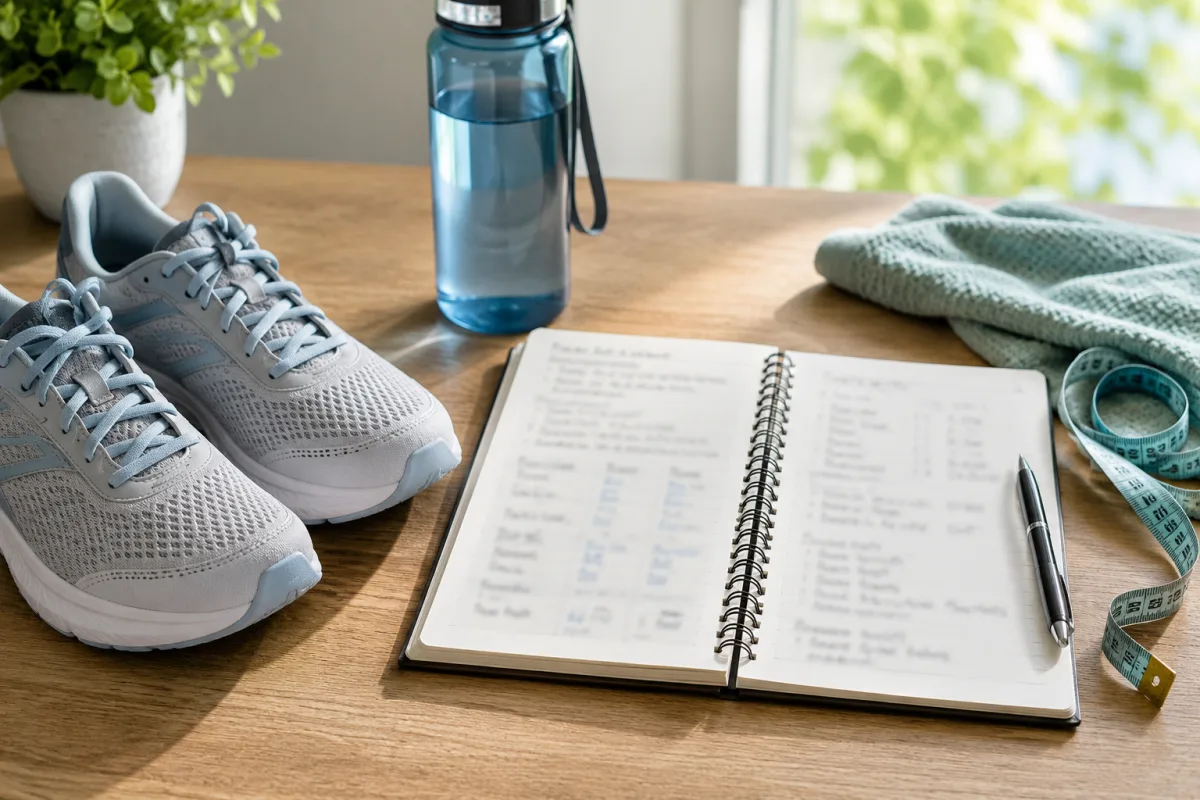
Write down what is true now: sleep, steps or movement, meals, pain, stress, strength, stamina, waist or weight if useful, and medications.
Mayo Clinic's fitness program guidance starts with measuring fitness level, then designing a program and starting slowly: Mayo Clinic fitness program.
Pick One Health Lever
Choose one lever first: walking, breakfast, sleep, water, strength training, meal planning, or stress recovery.
Changing five things at once feels exciting for three days and then becomes hard to maintain.
Use Activity Guidelines
CDC says adults need 150 minutes of moderate-intensity physical activity a week, plus at least two days of muscle-strengthening activity: CDC adult activity guidelines.
You do not have to start at that number. Use it as a direction, not a punishment.
Start Smaller Than Pride Wants
If you have been inactive, begin with five to ten minutes. Stop while your form is still good.
A plan that leaves you destroyed is not proof of discipline. It may simply be too large for week one.
Build A Walking Habit
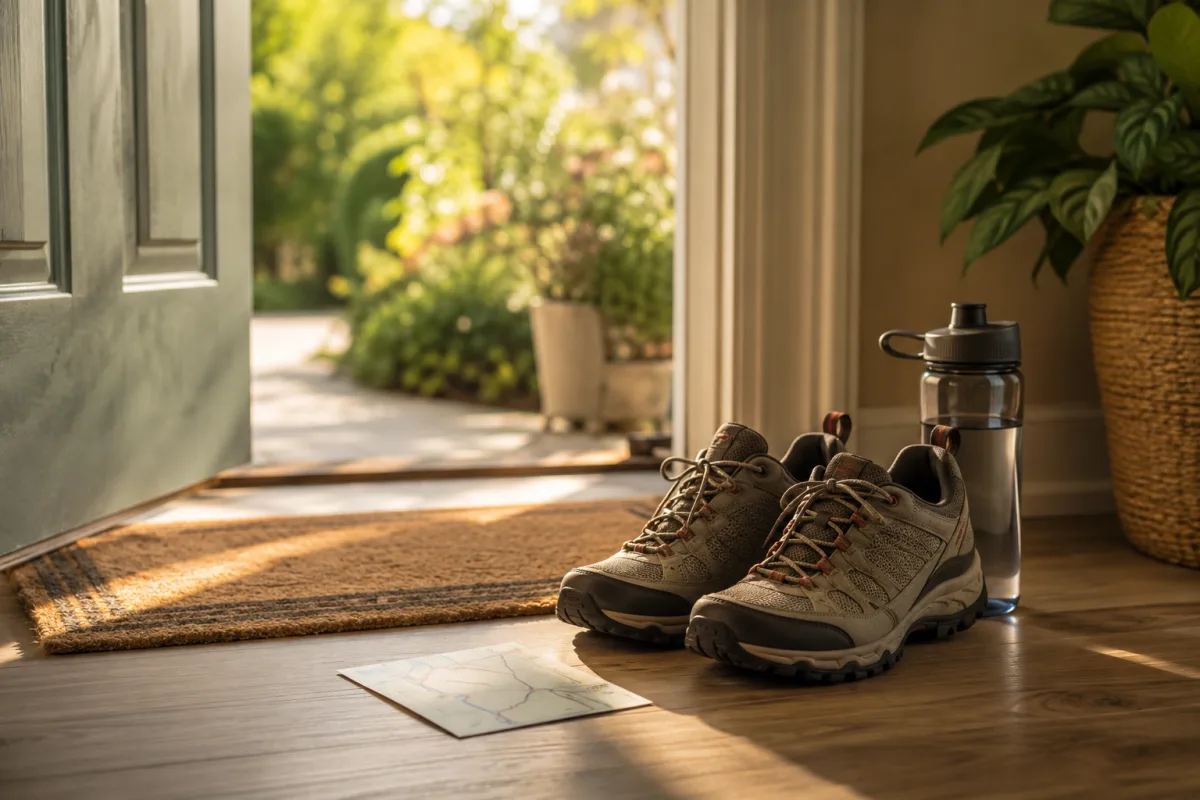
Walking is boring in the best way: low cost, flexible, and easy to scale.
Use a route, a time, and a backup indoor option. Do not make weather the only boss of the habit.
Add Strength
Strength training helps daily life: stairs, carrying groceries, balance, joint support, and aging.
Start with bodyweight, bands, machines, or supervised weights. Good form matters more than heavy load.
Do Not Skip Balance
Balance training is not only for older adults. It helps ankles, hips, reaction time, and confidence.
Stand near support, use simple drills, and progress slowly.
Plan Food Without Drama
Healthy eating changes work better when they fit your actual kitchen and schedule.
Livecub's food journal guide can help you see what you eat, when hunger hits, and which meals keep you steady.
Use Simple Swaps
A swap is easier than a total overhaul. Add vegetables, choose a protein, change a snack, or try a different base.
Livecub's pasta substitutes guide can help if pasta meals are a regular part of your week.
Sleep Is Part Of Fitness
A tired body craves shortcuts and recovers poorly. Protect bedtime the same way you protect workouts.
CDC's healthy weight information names healthy eating, physical activity, optimal sleep, and stress reduction as important for health and weight management: CDC healthy weight and growth.
Stress Changes The Plan
High stress can affect food, sleep, pain, and consistency. Build a stress plan instead of pretending stress will disappear.
Ten minutes of walking, breathing, journaling, or quiet can keep the plan from breaking on hard days.
Men's Pelvic Health
Fitness is not only arms and cardio. Pelvic floor strength, bladder symptoms, and core control can matter for men too.
Livecub's Kegel exercise for men guide can help readers think beyond visible muscles.
Older Adult Changes
Older adults may need more attention to balance, medication timing, joint pain, recovery, and fall risk.
Livecub's motivating elderly loved ones guide can help families support change respectfully.
Performance Goals
If fitness is tied to a tryout, race, audition, or public goal, plan practice and nerves together.
Livecub's sports tryout nerves guide can support the mental side of preparation.
Make The Home Easier
Put shoes by the door, prep a water bottle, move fruit where you can see it, and keep exercise bands visible.
The home should make the next healthy action easier than the old default.
Track What Matters
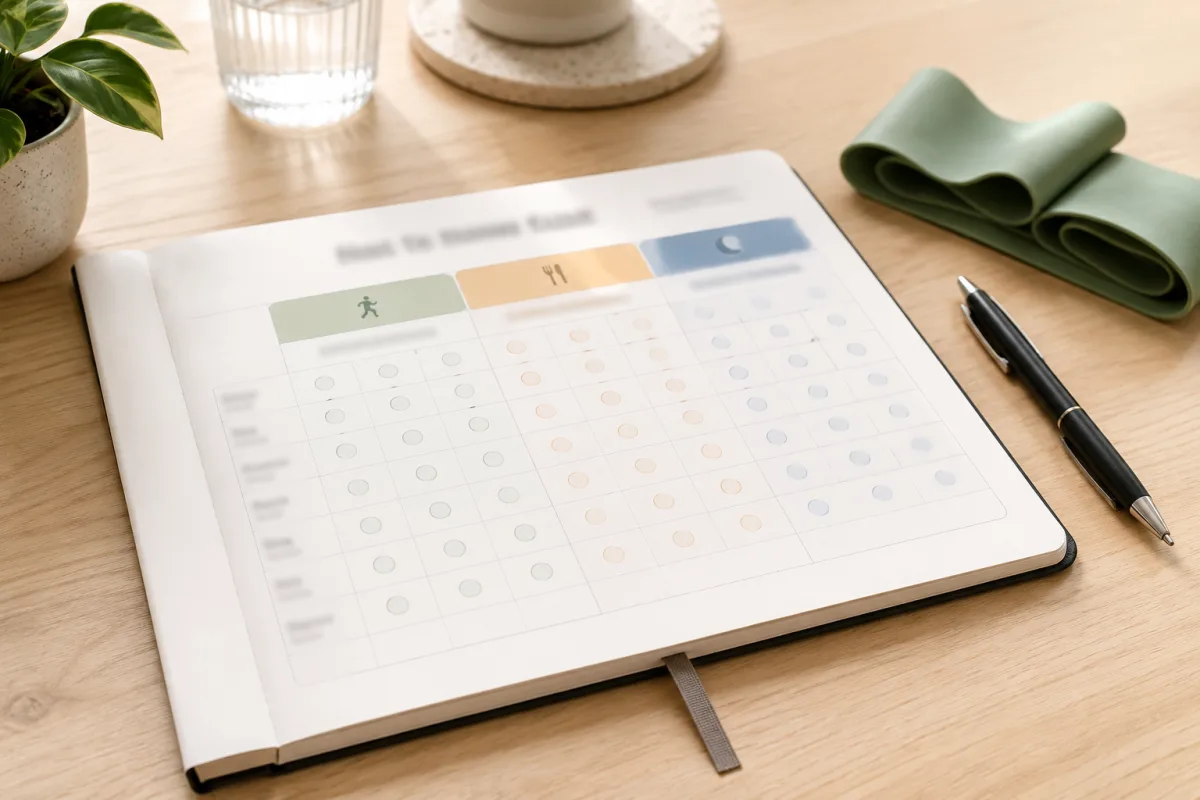
Track actions, not just outcomes. Minutes walked, meals cooked, workouts completed, sleep time, and pain notes matter.
Outcomes lag. Actions tell you whether the plan is happening.
Expect Boring Weeks
Healthy change often becomes boring before it becomes visible. That is normal.
Keep the routine plain enough that it can continue without constant excitement.
Adjust For Pain
Pain is information. Modify range, load, surface, pace, or exercise type. Seek professional help for persistent or sharp pain.
Pushing through pain is not the same as building fitness.
Keep The Identity Simple
Do not wait until you look different to call yourself someone who takes care of health.
The identity starts with the repeated action: I walk, I cook, I rest, I practice, I ask for help.
Build A Weekly Template
A weekly template removes many small decisions. Pick likely walking days, strength days, grocery time, and a simple bedtime target.
The template should have room for life. Leave at least one flexible slot for weather, family needs, fatigue, or work.
Keep Easy Meals Ready
Healthy eating is much easier when a tired evening still has a decent option. Keep two or three simple meals you can repeat.
Think eggs and toast, rice and beans, soup, yogurt with fruit, tuna, rotisserie chicken, frozen vegetables, or any meal that fits your budget.
Hydration And Hunger
Thirst, skipped meals, and long gaps between food can make cravings feel louder and workouts feel harder.
You do not need a complicated rule. Keep water nearby and notice which meal timing leaves you steady instead of drained.
Progress Load Slowly
Raise distance, weight, speed, or workout time gradually. The body adapts better when the jump is small enough to recover from.
If you change everything at once, you will not know which part caused soreness, fatigue, or success.
Respect Soreness
Normal soreness can happen after new activity, but sharp pain, swelling, chest pain, dizziness, or worsening symptoms need caution.
Use easier movement, rest, or professional advice when the body gives a warning that does not feel like ordinary effort.
Plan For Busy Days
Busy days need a smaller version of the plan, not a blank space. Decide in advance what counts as a minimum health day.
That might be a ten-minute walk, a basic breakfast, stretching, water, or going to bed before another hour disappears.
Use A Backup Workout
Keep one backup workout for rain, travel, childcare, or a crowded gym. It should need little space and no special setup.
A backup can be squats to a chair, wall pushups, step-ups, light bands, or a brisk walk inside a mall or hallway.
Protect Joints
Good shoes, warmups, slower increases, and lower-impact choices can help knees, hips, backs, and feet tolerate change.
Joint protection is not weakness. It is how many people keep moving long enough for fitness to grow.
Make Social Plans Fit
Family meals, parties, and restaurant nights do not have to break the plan. Choose one or two steady habits to keep.
You might walk earlier, share dessert, order protein and vegetables, or stop eating when you feel satisfied.
Recheck Every Month
Once a month, review what is easier, what still hurts, what you skip, and what has become normal.
Then adjust one thing. A good health plan is edited as your body, schedule, and confidence change.
Do Not Punish Setbacks
A missed week is information. Look at what happened: illness, travel, boredom, pain, stress, money, or too much too soon.
Return with a smaller step. Punishment usually makes people delay the restart.
Hard Versus Harmful
Fitness often feels challenging, but harmful feels different. Learn your body's signals instead of treating every discomfort the same.
Breathing hard during a safe walk may be fine. Chest pain, faintness, severe pain, or neurologic symptoms need urgent attention.
Frequently Asked Questions
What is the first change to become fit and healthy?
Start with one small change that fits your real life, such as walking, sleep, water, meal planning, or strength twice a week.
How much exercise do adults need?
CDC guidance points to 150 minutes of moderate activity weekly plus two days of muscle-strengthening, but beginners can build toward it.
Should I change food and exercise at the same time?
You can, but keep the changes small. One food habit and one movement habit is often enough to start.
How do I stay consistent?
Make the next action visible, schedule it, track actions, reduce friction, and adjust the plan when normal life gets in the way.
When should I ask a doctor first?
Ask before major exercise changes if you have chronic disease, chest pain, dizziness, injury, pregnancy, or long inactivity.
To become fit and healthy, choose changes you can repeat. Start small, build slowly, track actions, protect sleep, and adjust without turning one hard week into failure.

Olivia Prete
Edits culture and personal-development articles, distinguishing opinion and experience from verifiable claims.




Leave a reply
Replying to