
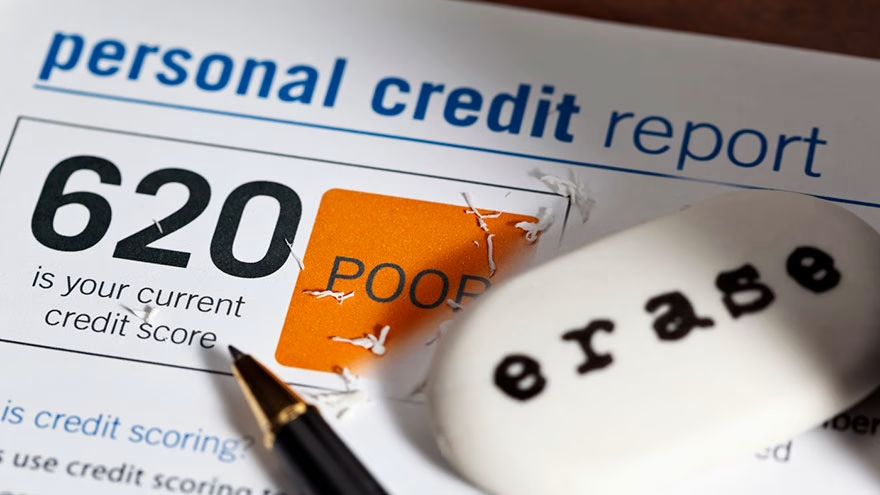
Small loans can raise a credit score only when they create the kind of record scoring models can use: on-time payments, manageable balances, and responsible account history.
A small loan is not automatically safe. The payment has to fit before the loan can help.
Use A Loan That Reports Payments
CFPB reported that credit-builder loans may help some consumers establish a credit record or improve scores when used well: CFPB credit-builder loan study.
Ask the lender which credit bureaus receive payment information before opening the loan.
Payment History Is The Main Point

myFICO explains that payment history is a major FICO Score factor: myFICO payment history guide. A small loan paid late can hurt more than it helps.
Use reminders and autopay only if the bank account will reliably have the funds.
Keep The Loan Truly Small

CFPB's good credit score guidance tells consumers to pay loans on time and avoid getting close to credit limits: CFPB good credit score guidance. Borrow only what the budget can carry.
If you are teaching a household about credit basics, Livecub's guide to teaching kids about money can help with age-appropriate money conversations.
Avoid Payday And Fee Traps

A loan that does not report positive payments, charges high fees, or creates rollover debt may not build the score you want.
The goal is a clean payment record, not fast cash that creates a new emergency.
Keep Credit Products Separate
A credit-builder loan, secured card, savings bond, and annuity are different tools. Livecub's guides to check what savings bonds are worth and fixed annuity and fixed index annuity differences can help keep those categories from blurring.
Choose the tool for the problem you actually have: no file, thin file, late payments, high balances, or errors.
Start With The Credit Report
For raise credit score with small loans, the credit report is the evidence. Check accounts, balances, limits, late payments, collections, inquiries, and personal information before choosing a tactic.
A score without the report can point you in the wrong direction. Fixing the wrong issue wastes time and can add new debt.
Payment History Comes First
No tactic beats on-time payment history over time. Set reminders, autopay for at least minimums, and a bill calendar that survives busy weeks.
If an account is already late, ask the creditor what options exist before it gets worse.
Watch Revolving Utilization
Credit card balances can affect scores even when payments are made on time. Lower balances before statement dates when possible and avoid pushing cards near their limits.
A shared account can hurt both people if one person spends and both reports show the balance.
Do Not Borrow Just To Look Busy
A loan should solve a real credit-file gap or cash need. Borrowing without a repayment plan can damage the very score it was meant to help.
Fees, interest, and late-payment risk all count. Small is safer only when the payment is easy to make.
Keep Old Accounts Thoughtfully
Older positive accounts can help credit history. Closing them may still make sense for fees, fraud risk, or behavior concerns, but know the trade-off first.
Do not keep a harmful account open only because someone said never close a card.
Limit Applications
New applications can create hard inquiries and new-account effects. Apply when the account has a purpose, not because a register, email, or ad offered a shortcut.
If a mortgage, auto loan, or apartment application is coming, avoid extra credit moves until you know the timing.
Track Progress Monthly
Review balances, due dates, and report changes once a month. Daily score checking can turn credit repair into stress without improving the plan.
Use the monthly review to choose one next action, such as lowering a balance, disputing an error, or setting a payment reminder.
Ignore Fast-Fix Claims
How to Raise Credit Score With Small Loans should be handled with patience. Fast credit claims often skip the parts that actually matter: time, payment history, debt level, and accurate reporting.
A steady plan is slower than a promise, but it is also less likely to leave fees, disputes, or new debt behind.
Turn The Advice Into A Checklist
After reading about raise credit score with small loans, write a checklist with only the steps that apply to your situation. Remove anything that is interesting but not useful right now.
A checklist makes weak spots visible: missing records, unclear authority, unmade calls, vague boundaries, unpaid balances, or symptoms that should be checked.
Choose One Reliable Source Of Truth
Pick the source that should settle conflicts for this topic: the product manual, court order, plan document, clinician guidance, credit report, or official agency instruction.
When advice conflicts, go back to that source before acting. Memory and online comments are not enough for high-stakes choices.
Write Down What Could Change The Answer
A good plan names the facts that would change it. Those facts might be pain, safety, account status, title defects, court papers, model number, balance, or a deadline.
This prevents the plan from becoming stale. If the facts change, the next action should be reviewed.
Make The Next Call Easier
Before calling a professional, agency, card issuer, clinic, or support person, write the account number, case number, model, date, symptom, or document name beside the phone.
Clear notes make the conversation shorter and reduce the chance that stress will erase the detail you needed most.
Keep A Copy Of The Answer
Save the email, screenshot, form, manual page, letter, chat transcript, or note that supports the decision. Put a date on it.
A saved answer can protect you if a portal changes, a staff member leaves, or someone later asks why the choice was made.
Separate Urgent From Annoying
Some tasks feel urgent because they are uncomfortable. Others are urgent because delay creates legal, safety, medical, or financial risk.
Sort the issue before reacting. Discomfort may need a plan; real risk may need immediate help.
Do Not Outsource Judgment Completely
Professionals and official sources matter, but you still need to understand the instruction well enough to follow it. Ask for plain language when the answer is unclear.
A decision you cannot explain is hard to maintain. Repeat back what you heard and ask whether you missed anything.
Check For Hidden Follow-Up
Many choices have a second step: title issuance, replacement date, account confirmation, therapy appointment, court filing, balance update, or document review.
Put the follow-up date on a calendar before the first step fades from memory.
Watch The Cost Of Delay
Delay can cost money, safety, trust, interest, title access, credit standing, or emotional energy. Name the cost so procrastination becomes easier to spot.
Not every delay is failure. Sometimes waiting is wise. The point is to know which kind of waiting you are doing.
Close The Loop
When the main task from How to Raise Credit Score With Small Loans is handled, record what was done, who confirmed it, what remains open, and when it should be checked again.
Closing the loop keeps the same problem from returning as a surprise later.
Prepare For The Question Someone Will Ask
Think ahead to the question a clinician, clerk, lender, family member, program manager, or support person is likely to ask first.
Having that answer ready lowers stress and keeps the conversation focused on facts instead of apology or guessing.
Use Plain Words In The Record
Write notes in language a different person could understand later. Avoid private shorthand unless the meaning is obvious.
Plain wording helps when someone else needs to review the file, continue the task, or check what was already decided.
Avoid Solving Three Problems At Once
Many topics pull in side issues. Park those side issues on a separate list so they do not derail the main task.
Finishing one clear step creates more progress than opening five related problems and finishing none of them.
Check The Human Impact
Before acting, ask who is affected by the choice and what they need to know. That might be a partner, heir, caregiver, account owner, staff member, or future self.
Good decisions are not only technically correct. They also reduce confusion for the people who have to live with them.
Set A Review Date
Pick a date to look again: tomorrow, next week, after the statement closes, after the appointment, after the court notice, or before the battery date.
A review date keeps the issue from disappearing until it becomes harder, more expensive, or more emotional.
Frequently Asked Questions
Can a small loan raise my credit score?
It can help if payments are reported and made on time, but results are not guaranteed.
What kind of small loan helps credit?
Credit-builder loans or secured installment loans may help when they report to credit bureaus.
Can a small loan hurt credit?
Yes. Late payments, high fees, or unaffordable debt can hurt.
Should I use payday loans?
Usually no for credit building, especially if they do not report positive payments and carry high costs.
How long does it take?
Credit building usually takes months of on-time payments and lower debt, not one quick move.
This article is for general information only and is not financial, legal, insurance, medical, or tax advice. Policy terms, prices, eligibility, and laws change; read the policy and ask a licensed professional.

Patrick Harwood
Edits sports, consumer-finance and general legal explainers. Regulated or time-sensitive topics link to primary sources and are not professional advice.




Leave a reply
Replying to