
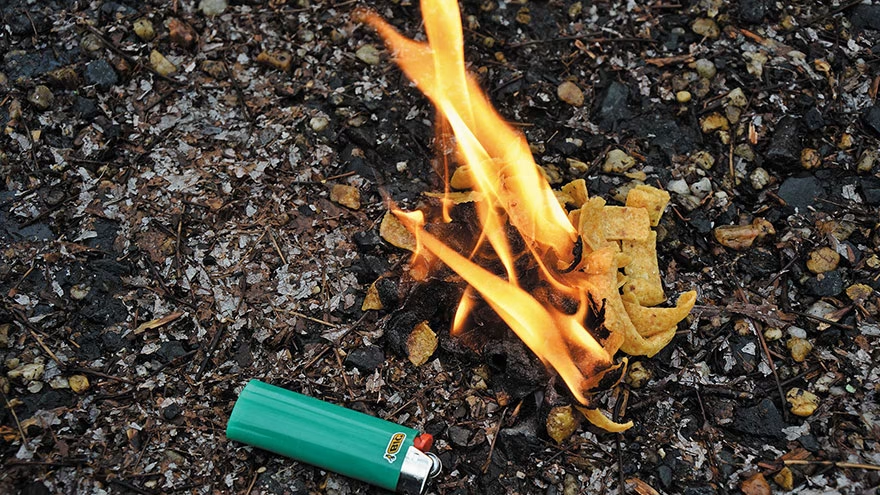
Use a Chip Bag Only When a Fire Is Legal and Safe
To start fires with chip bags, first decide whether you should start a fire at all. A greasy snack bag can catch flame and help ignite dry kindling, but burning packaging is messy, smoky, and not a first-choice campcraft method. Use natural tinder when you can. Treat the chip bag as emergency backup.
The National Park Service's campfire safety guidance tells visitors to use existing fire rings where allowed, keep fires small, and fully extinguish them. That safety frame matters more than the trick itself.
No fire-starting shortcut overrides a fire ban.
Check Fire Rules Before Anything Else
Before gathering tinder, check the campground, park, forest, county, or land-management rules. Fire bans, wind advisories, drought, red flag warnings, and local restrictions can make any open flame unsafe or illegal.
If you are in a managed campground, use the posted rules and existing fire ring. If you are on public land, check the managing agency. If you are in an emergency, keep the fire smaller than your fear tells you to make it.
For route-planning in remote places, Livecub's Spiral Jetty guide is a useful reminder that conditions and access rules matter before arrival.
The legal part comes before the survival part.
Understand What the Chip Bag Does
A chip bag can help because the inside may have oil residue and thin packaging that catches flame more easily than a damp stick. It is not magic, and it is not clean. It works as tinder, not as kindling or fuel for a long-lasting fire.
Cut or tear a small piece rather than feeding the whole bag into the flames. Use the smallest amount that gets the natural tinder started. Keep the rest packed out if it is not burned completely in an emergency.
The bag is a starter, not the campfire.
Build the Fire Site First
Use an existing fire ring if one is available and permitted. Clear leaves, grass, pine needles, trash, and loose debris from the area. Keep the fire away from tents, vehicles, low branches, dry brush, and gear.
Have water, dirt, or sand ready before you light anything. Do not wait until sparks are moving to think about control. If you do not have a way to put the fire out, you are not ready to start it.
Smokey Bear's campfire safety advice is blunt about clearing the area, watching the fire, and making sure it is dead out before leaving.
Watch Wind Before You Light
Wind is one of the fastest ways a small fire becomes a problem. If grass, leaves, paper, or sparks are moving before ignition, do not light the fire. Wait, move to a safer legal fire ring, or use a stove if cooking is the goal.
Chip-bag material can flare quickly. A sudden gust can push flame sideways into dry tinder you did not mean to ignite. Keep the starter low, small, and inside the cleared fire area.
A windy day is not the day to test a fire trick.
Gather Tinder, Kindling, and Fuel
Even with a chip bag, the fire still needs dry natural material. Gather fine tinder such as dry grass, shredded bark, wood shavings, or tiny twigs where collecting is allowed. Add pencil-thin sticks, then larger thumb-thick pieces, then fuel wood.
Do not cut live branches or strip bark from living trees. Wet wood smokes badly and can smother a small flame. If everything around you is wet, a chip bag may flare and vanish before anything useful catches.
Livecub's walking stick adjustment guide is an internal fit here because outdoor tools work best when matched to terrain and conditions, not improvisation alone.
Light the Smallest Useful Fire
Place the chip-bag piece under or beside the driest tinder, then light it with a match or lighter. Add thin kindling only after the tinder catches. Feed the flame slowly. Piling big sticks on a small flame can crush or smother it.
Stay upwind from smoke and avoid cooking directly over burning packaging. If the chip-bag material melts or smells harsh, stop adding it and rely on wood once the fire catches.
Do not lean over the flame to watch the bag catch. Smoke and melted residue are signs to back away, not move closer or breathe deeply outdoors.
Small, controlled, and watched is the only acceptable version.
Do Not Treat This as a Party Trick
Starting a fire with packaging may look clever, but it should not become entertainment. Burning plastic-lined material can create unpleasant fumes and leaves residue. It also teaches the wrong lesson if children watch adults toss trash into a fire casually.
Use the method only as backup in a lawful fire setting or emergency. For planned camping, bring proper fire starters, dry tinder, matches in a waterproof container, and a stove where fires are not allowed.
For a camping comparison, Livecub's Skyline Drive waterfalls article shows how outdoor plans should respect park conditions rather than force an idea onto the setting.
Keep Children and Pets Away From the Setup
Children may see the chip bag and think the method is a game. Explain that the bag is not a toy and that only an adult should handle the flame. Keep pets leashed or inside a vehicle or tent away from the fire ring.
Set a clear boundary around the fire before lighting. A child stepping backward, a dog pulling a leash, or a dropped snack bag can create chaos at the exact moment the flame catches.
The safest fire is boring to watch.
Keep the Fire Attended
Never leave the fire unattended, even for a short walk. Wind can shift quickly, and small embers can escape the ring. Keep children and pets away from the edge, and do not let anyone poke the fire for fun.
Leave No Trace's campfire impact guidance emphasizes minimizing campfire effects and using fires responsibly. That includes choosing alternatives when a fire is not needed.
Control matters more than flame size.
Extinguish It Completely
Put the fire out with water, stir the ashes, add more water, and feel for heat only when it is safe to do so. If water is limited, use dirt or sand only as a backup, then keep stirring until no heat remains. Do not bury hot coals and walk away.
Pack out any foil-like or plastic residue from the chip bag if it remains after the emergency. A dead fire should not leave trash behind.
For road-trip planning where conditions can change, Livecub's Laughlin travel ideas offers a useful reminder that desert and outdoor travel require conservative choices.
If This Is a Real Emergency
If you need fire for warmth or signaling, keep priorities simple: safety, visibility, fuel, and control. Make the smallest useful fire and protect it from wind. Use dry wood first once the flame starts, not more packaging.
Signal fires, smoke, and rescue situations depend on location and conditions. Do not create a large uncontrolled fire because you are frightened. A rescue problem can become a wildfire problem very quickly.
Better Alternatives to a Chip Bag
For planned trips, carry safer and cleaner fire-starting tools: stormproof matches, a lighter, cotton tinder, commercial fire starters, a ferro rod you know how to use, and a stove for cooking. Practice before a trip, not during a cold night.
If you camp often, build a small fire kit and keep it dry. A reliable kit is lighter than regret and cleaner than burning snack packaging.
Livecub's North Conway moose viewing guide is a different outdoor topic, but it shares one rule: respect the place more than the photo or trick.
Frequently Asked Questions
Can a chip bag really start a fire?
It can help as tinder because thin packaging and oil residue may catch flame, but it still needs dry natural tinder and safe fire conditions.
Is it safe to burn chip bags?
It is not ideal. Burning packaging can smell, smoke, and leave residue. Use it only as emergency backup where fire is legal and controlled.
What should I do before lighting a campfire?
Check fire rules, use an existing ring, clear the area, keep water ready, and make the fire small enough to control.
How do I put the fire out?
Drown it with water, stir the ashes, add more water, and make sure everything is cold before leaving the site.

Linda Fehrman
Edits general wellness and relationship explainers. Health material is educational, avoids diagnosis and links to health-authority guidance.
Leave a reply
Replying to