
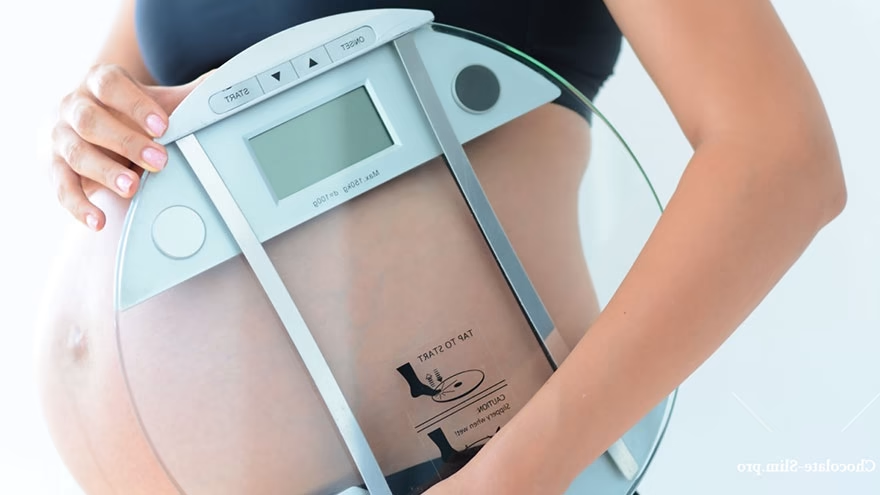
A pregnancy weight scale should be read as a trend and a care-team discussion, not a daily grade. The starting point is usually prepregnancy BMI.
Use Prepregnancy BMI
CDC says pregnancy weight-gain recommendations are based on body mass index before pregnancy: CDC pregnancy weight gain.
A person who begins pregnancy in the normal BMI range has a different recommended range than someone who begins underweight, overweight, or with obesity.
The range is not a reason to diet without guidance. Too little or too much gain can both deserve a medical conversation.
Ask the care team what range applies to your pregnancy, especially if carrying twins or managing medical conditions.
Read The Range As A Guide

CDC's normal-weight tracker states that people who begin pregnancy with BMI 18.5 to 24.9 are generally guided toward 25 to 35 pounds for a singleton pregnancy: CDC normal weight pregnancy tracker.
That number is a total range, not a command to gain the same amount every week.
Morning weight, water retention, constipation, clothing, and scale differences can change one reading.
Bring the trend to prenatal visits instead of adjusting food based on one morning.
Watch The Trend, Not One Day

ACOG healthy eating guidance discusses nutrition and key nutrients during pregnancy: ACOG healthy eating during pregnancy.
Weight gain should be discussed with food quality, appetite, nausea, vomiting, swelling, blood pressure, fetal growth, and lab results.
Sudden swelling, headache, vision changes, or feeling very unwell should be handled as symptoms, not as a scale problem.
If weigh-ins trigger anxiety or past disordered eating, tell the care team. Blind weights or less frequent weighing may be possible.
Bring Numbers To Visits

Write down the scale used, time of day, and any symptom that changed. That context helps the clinician interpret the number.
Ask what action, if any, is needed. The answer may be nutrition support, nausea treatment, activity guidance, swelling review, or no change.
Support people should avoid comments about size. Helpful support means meals, rides, rest, and listening.
The scale is one tool. It is not the whole story of a pregnancy.
For a related pregnancy topic, emotional support during early labor keeps the conversation tied to real comfort instead of pressure.
If food, nausea, or planning comes up, bland diets for pregnancy is another internal guide from the same pregnancy set.
Mood and relationship context matter too; depression during pregnancy should be handled with care rather than jokes or guesses.
Start With Personal Medical Context
For pregnancy normal weight scale, public guidance is only a starting point. Trimester, medical history, prior pregnancy, medicines, blood pressure, bleeding, pain, mood, and access to care can change the advice.
The safest next step is usually a specific question for the obstetric care team. Bring product names, doses, symptoms, exercise details, or food labels instead of asking in general terms.
Support people can help by writing down questions, arranging rides, keeping instructions visible, and making sure the pregnant person is not left to remember every detail alone.
Use Warning Signs As A Stop Line
Heavy bleeding, chest pain, trouble breathing, fainting, severe headache, vision changes, fever, severe abdominal pain, painful swelling, or thoughts of self-harm should change the plan right away.
Do not keep exercising, shopping, joking, taking supplements, or waiting through symptoms because an activity was already scheduled. Call the care team or emergency services when signs are urgent.
A clear stop line protects everyone. It also keeps helpers from trying to solve medical symptoms with advice, humor, food, massage, or internet research.
Respect Consent And Privacy
Pregnancy invites opinions from other people, but the pregnant person's consent still controls who gets information, who attends visits, and what is shared with family or friends.
Jokes, gifts, routines, and support should never make someone feel watched, exposed, or forced to perform happiness. Ask first, then listen to the answer.
If a partner or relative wants to help, the useful tasks are ordinary: rides, meals, childcare, pharmacy pickup, notes, cleaning, and quiet company.
Make The Plan Easy To Use
A one-page plan is often better than a long list. Include the care team's phone number, medication list, allergy notes, appointment dates, warning signs, and who can drive.
Update that plan after appointments or after symptoms change. Pregnancy advice can shift after a blood pressure reading, lab result, scan, new medicine, or change in movement.
Keep the plan where support people can find it quickly. A good plan should lower stress during a hard moment, not create another task.
Make Room For Real Life
Pregnancy advice has to fit work, money, transportation, other children, sleep, food access, and stress. A plan that ignores daily life may look tidy but fail quickly.
Start with the next ordinary day. Ask what would make meals, rest, movement, appointments, or symptom tracking easier tomorrow.
A support person can remove friction by handling a ride, a grocery trip, a call, or a chore. Small help is still help when it comes at the right time.
If the plan depends on buying something, ask whether a no-cost version would work first.
Keep Comfort And Safety Separate
Comfort ideas can be useful, but they are not medical care. A snack, joke, stretch, reading routine, or gift should stop when symptoms or safety concerns appear.
Write a simple rule before starting: what is okay, what means pause, and what means call. That rule protects the pregnant person and the helper.
If a product or supplement is involved, keep the label and dose. If exercise is involved, keep the movement small until the care team agrees.
If the idea makes the pregnant person feel exposed, judged, or pushed, it is not the right idea for that moment.
Use Support Without Pressure
Support should lower the load, not create another performance. Ask what would help and accept the answer without debate.
Partners, relatives, and friends can share the boring work: dishes, rides, laundry, food, appointment notes, older children, pets, and pharmacy pickup.
If mood changes, fear, or sadness are present, treat them with care. Humor and advice should step back when mental health support is needed.
The best pregnancy plan is one the pregnant person can actually use, change, and decline when it no longer fits.
Use A Short Checklist
Before trying the idea, write the care-team limit, the symptom stop line, the product or movement involved, and who can help if the plan changes.
Keep labels, doses, receipts, or exercise notes when they matter. Guessing later is harder than saving the detail now.
Ask whether the idea supports comfort, nutrition, movement, bonding, or medical care. That label helps everyone stay realistic.
Check privacy before sharing photos, jokes, symptoms, weight, medication, or food struggles with other people.
If the pregnant person says no, accept it. A declined gift, stretch, snack, supplement, or routine does not need a debate.
Afterward, record what helped and what did not. The next version of the plan should be easier, not heavier.
Keep that short record with the rest of the prenatal notes.
Before Trying It
Before acting on pregnancy normal weight scale, check whether the idea is comfort, entertainment, nutrition, exercise, medication, or medical care. The category changes how cautious you should be.
Comfort and humor can help, but they should never cover up pain, depression, unsafe products, medication questions, or symptoms that need a clinician.
Write down what was tried, how it felt, and what the care team said. Pregnancy decisions are easier when the latest instruction is not scattered across text messages.
Keep the plan small enough to use. One clear next step, one phone number, and one support person are often enough for the moment.
Frequently Asked Questions
What is the first step for pregnancy normal weight scale?
Ask the obstetric care team how the idea fits this pregnancy, especially if symptoms, medicines, supplements, or exercise are involved.
When should someone call urgently?
Call for heavy bleeding, chest pain, trouble breathing, fainting, severe headache, vision changes, fever, severe pain, or thoughts of self-harm.
Can a support person help?
Yes. Help with rides, notes, meals, product checks, rest, privacy, and calls is often more useful than advice.
Should online advice replace prenatal care?
No. Online information cannot account for personal history, current symptoms, or local emergency options.
How should decisions be recorded?
Write down products, doses, symptoms, exercises, calls, instructions, and follow-up steps.
This article is for general information only and is not medical, pregnancy, labor, or emergency advice. Contact your obstetric care team for personal guidance and call emergency services for urgent symptoms.

Timothy Davidson
Edits step-by-step general-interest guides for clarity, realistic limits and source verification.



Leave a reply
Replying to