
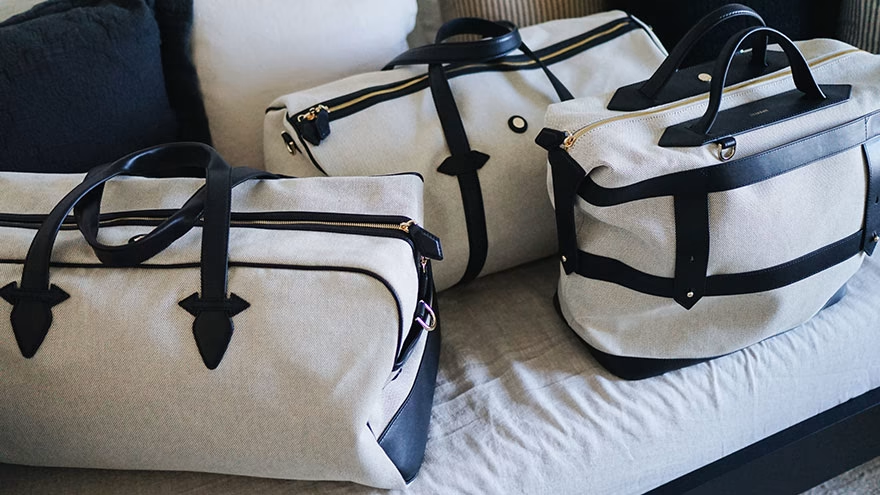
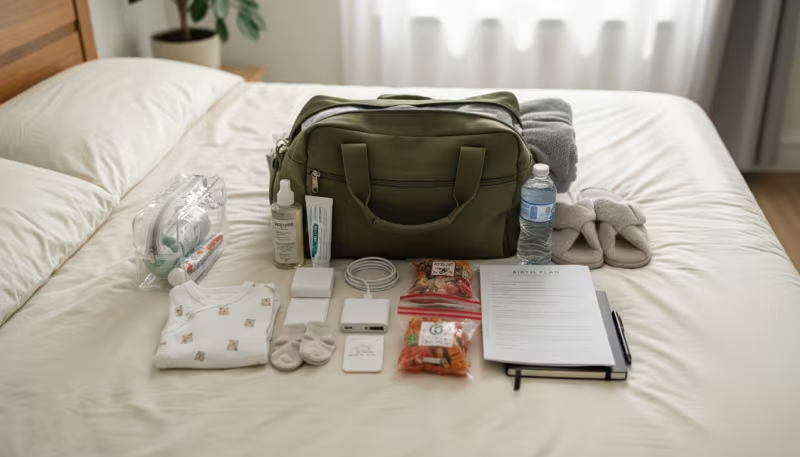
What to Take to the Hospital When in Labor depends on your hospital, birth plan, weather, support person, and whether you expect a vaginal birth, induction, or scheduled C-section. The best hospital bag is not the biggest one. It is the one that keeps documents, comfort, recovery, baby basics, and the ride home easy to find.
This article is general pregnancy education, not medical advice. Follow your obstetrician, midwife, hospital, or birth center instructions, especially if you have a high-risk pregnancy, planned surgery, preterm labor risk, medication needs, or special newborn care needs.
Pack Earlier Than You Think
Aim to pack the main bag several weeks before the due date, then add daily-use items to a small grab list. Labor does not always respect calendars, and induction dates can move. A partly packed bag is still better than a midnight scavenger hunt.
Keep the bag near the door or in the car if that makes sense for your climate and safety. Put the hospital address, parking instructions, and triage phone number where your support person can find them.
Documents And Birth Preferences
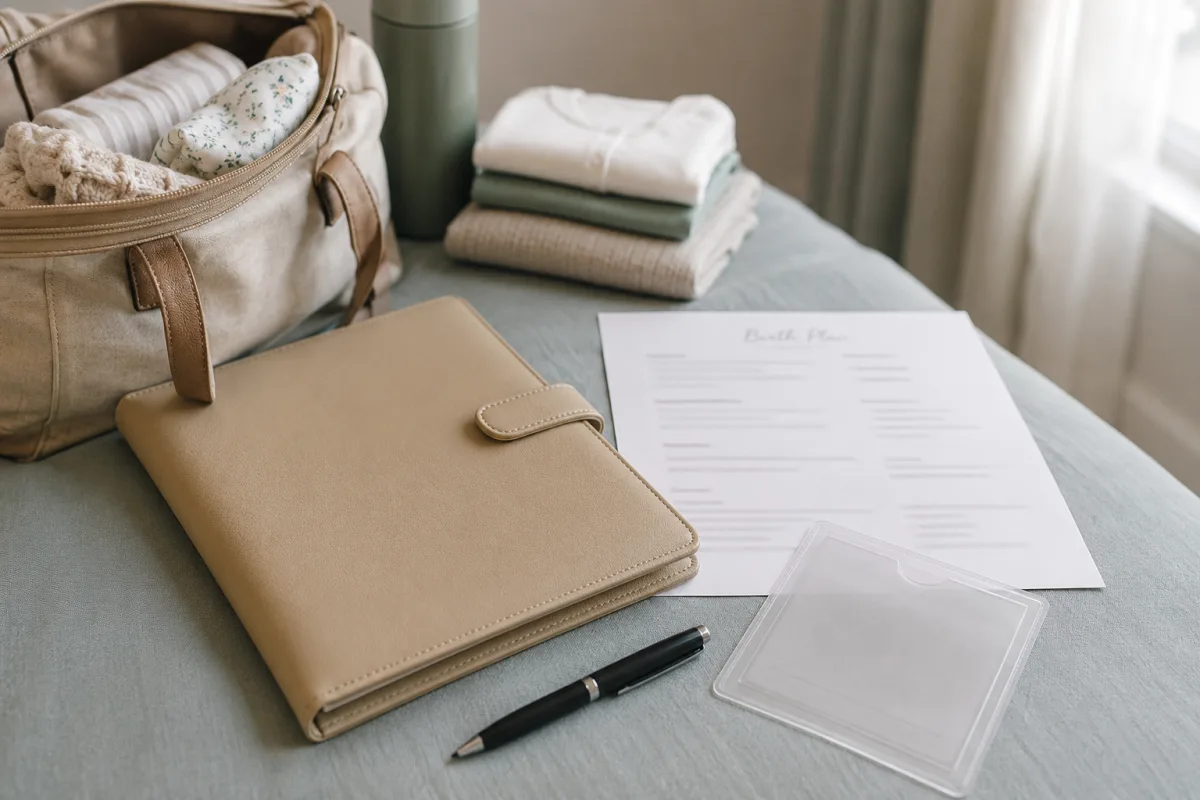
Bring photo ID, insurance card, hospital paperwork, medication list, allergy list, prenatal records if your team asks, and your birth preferences. If you have a written plan, keep it short enough that staff can scan it quickly.
MedlinePlus lists items to bring for labor and delivery, including insurance information, hospital papers, pregnancy medical file, birth preferences, and provider contact information.
Labor Comfort Items
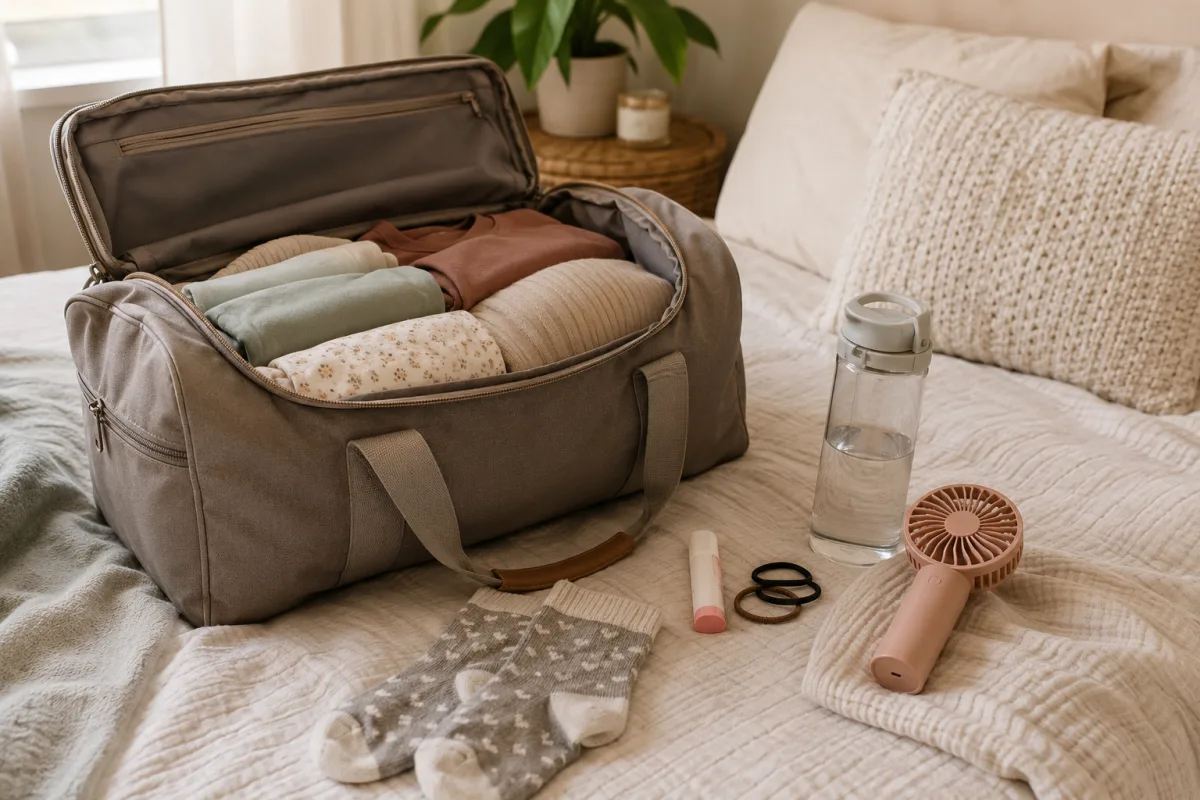
Pack a loose outfit or gown if your hospital allows it, warm socks, hair ties, lip balm, glasses, a water bottle if allowed, music, headphones, a small fan, massage lotion, and a focal object if that helps. Choose items you can lose, wash, or throw in a hot laundry cycle.
NHS hospital bag guidance includes birth plan, hospital notes, comfortable clothing, slippers or flip-flops, nightwear, bras, and breast pads.
Phone Power And Contacts
Bring a long charging cable, battery pack, and the phone numbers you might need if your phone dies or locks. Include your support person, doula, pediatrician, family contact, pet sitter, childcare backup, and anyone helping with older children.
Do not rely on memory during contractions. A printed contact card can save a tired partner from scrolling through messages while you need help.
Snacks And Drinks
Ask your hospital what food and drink are allowed during labor. Pack snacks for your support person either way: granola bars, crackers, nuts if safe for the setting, gum, electrolyte packets, or simple foods that do not smell strong.
If nausea has been part of pregnancy, Livecub's bland diets for pregnancy article may help you choose gentle options for the days before and after birth.
Support Person Bag
Your support person needs their own basics: ID, charger, medications, glasses, snacks, water, change of clothes, sweatshirt, toiletries, cash or card for parking, and comfortable shoes. A hungry, cold, unreachable support person is less useful.
Livecub's early labor emotional support guide can help them prepare for timing contractions, offering reassurance, and staying calm.
Postpartum Bag
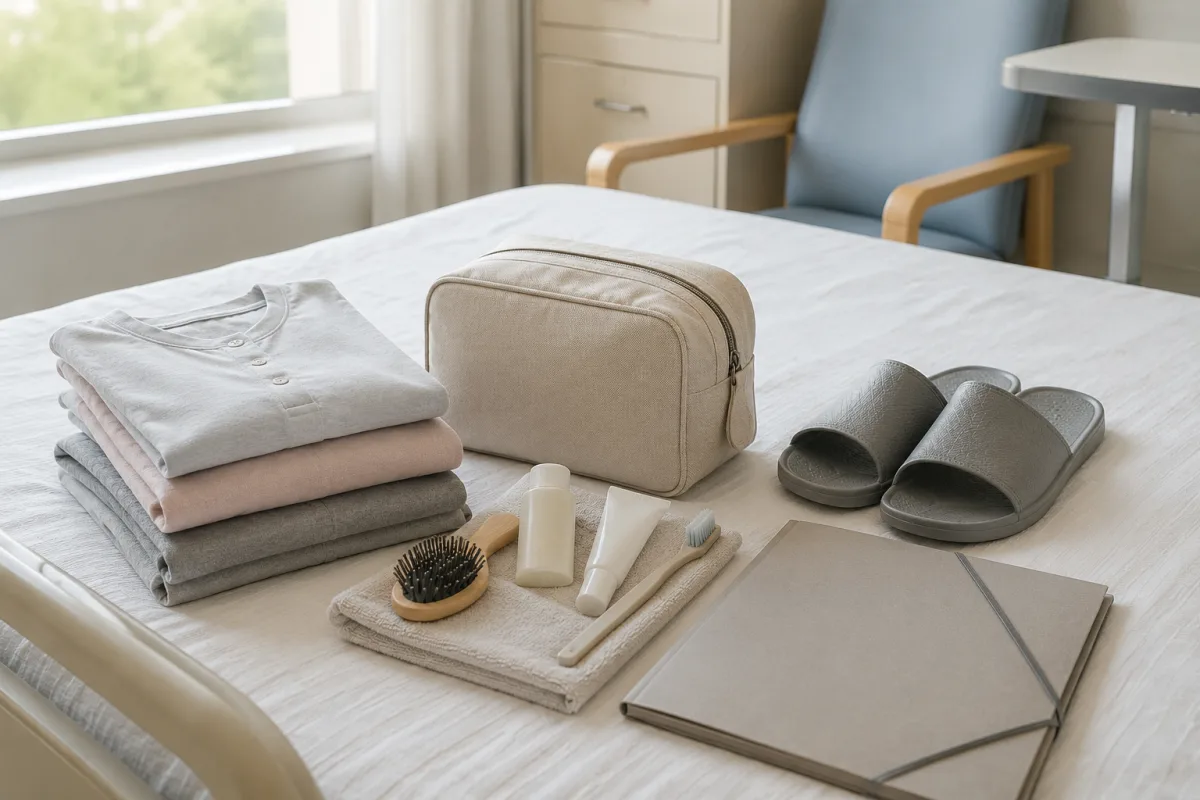
Pack soft clothes for after birth, nursing or supportive bras if needed, large underwear or disposable underwear, toiletries, deodorant, shower shoes, hair brush, glasses, going-home clothes, and a folder for discharge papers.
Cleveland Clinic's recent hospital bag checklist also notes leaving empty space because hospitals often send families home with supplies.
C-Section Or Induction Extras
If a C-section is planned or possible, choose high-waisted soft pants, clothing that does not rub the incision area, slip-on shoes, and a pillow for the ride home. If induction is planned, pack extra patience: entertainment, snacks for the partner, and chargers matter more during a long wait.
Ask your hospital what is allowed before surgery. Jewelry, contacts, nail polish, food timing, and medications may have specific instructions.
Baby Basics
Most hospitals provide diapers, wipes, swaddles, blankets, and basic newborn items during the stay, but policies vary. Bring a going-home outfit in two possible sizes, socks or booties, a weather-appropriate blanket, and anything your hospital specifically requests.
Do not bring bulky coats for the car seat. Use thin layers and a blanket over the straps after the baby is buckled, if weather requires it.
The Car Seat Is Non-Negotiable
Install the rear-facing car seat before labor if you will drive home. Practice tightening the straps with a doll or stuffed toy. Know how the base attaches, how the carrier clicks in, and where the manual is.
A packed bag cannot fix an uninstalled seat at discharge. Put this task on the calendar well before the due date.
Personal Medical Items
Bring daily medications only as instructed by your hospital. Pack inhalers, glasses, hearing aids, chargers for medical devices, CPAP information if relevant, and any written instructions your clinician gave you. Tell the nurse what you brought.
If pregnancy depression or anxiety has been part of your care, Livecub's depression during pregnancy article may help you plan emotional support for the hospital stay and first week home.
What To Leave Home
Leave expensive jewelry, too many outfits, strong perfume, candles with flame, large valuables, complicated electronics, and anything you would be upset to lose. Hospitals are busy, and rooms can change.
Bring comfort, not a full nursery. You can ask your hospital what they provide before packing duplicates.
Last Minute Grab List
Make a sticky note for items you cannot pack early: phone, charger, wallet, glasses, medications, pillow, snacks from the fridge, and keys. Put the note on top of the bag.
For family announcements later, Livecub's baby gender reveal ideas may be useful, but the hospital bag should stay focused on labor, recovery, and safe discharge.
Feeding And Pumping Supplies
If you plan to breastfeed, pack nursing bras or tanks, breast pads, nipple cream if your clinician recommends it, and a small notebook for feeding questions. If you plan to pump, ask the hospital whether to bring your pump or use theirs.
If you plan to formula feed, ask what the hospital provides and what you are allowed to bring. Feeding plans can change after birth, so keep the tone flexible rather than treating one bag as a promise.
Weather And The Ride Home
Pack for the season you will actually leave in. A winter baby may need warm layers and a blanket over the car seat straps. A summer baby may need lighter clothing and shade. Parents need comfortable shoes and clothes for the walk to the car.
Put a towel or disposable pad in the car for the ride home if your clinician recommends it. Postpartum bleeding, incision tenderness, and swelling can make the trip feel longer than expected.
Older Children And Pets
If older children or pets are at home, the hospital bag is only part of the plan. Write down pickup times, meals, medications, school contacts, pet feeding, keys, and bedtime routines for whoever is helping.
Keep this note separate from the birth bag so a helper can use it without digging through labor supplies.
Discharge Paperwork Space
Leave room for discharge instructions, newborn appointment papers, feeding notes, prescriptions, and forms. A flat folder keeps those papers from disappearing under clothes and snack wrappers.
Before leaving, ask which papers need action in the next 24 to 72 hours. Sleepy parents forget details fast after birth.
Put a pen in the folder too; hospital rooms rarely have one nearby.
Frequently Asked Questions
When should I pack my hospital bag?
Many families pack several weeks before the due date, then keep a last-minute list for daily-use items.
Do I need diapers and wipes?
Many hospitals provide them during the stay, but policies vary. Bring a small backup if your hospital recommends it.
What should my partner bring?
ID, charger, snacks, water, medications, clothes, toiletries, payment for parking, and any comfort items that help them stay present.
Can I bring my own pillow?
Usually yes, but use a colored pillowcase so it is not confused with hospital linens.
What is the most forgotten item?
Chargers, documents, glasses, and the installed car seat are common stress points.
The Practical Hospital Bag
Take documents, comfort items, phone power, support-person supplies, postpartum clothes, baby going-home basics, personal medical items, and a properly installed car seat. Pack enough to feel prepared, but leave room for hospital supplies and the reality that birth rarely follows a perfect checklist.

Chiara Bradshaw
Covers education, culture and creative topics with an emphasis on readable explanations and verifiable references.



Leave a reply
Replying to