

A Boxer puppy can make careful people forget their checklist. The face is expressive, the body is bouncy, and the personality often arrives before the paperwork. But owning a Boxer breeder recommendations should start with health, temperament, breeder ethics, and the adult dog you will live with for years. A good breeder does not just sell a cute puppy. They protect the breed and the buyer.
Boxers are playful, social, athletic dogs with real health concerns and training needs. The right breeder should welcome questions about heart testing, hips, thyroid, degenerative myelopathy, temperament, socialization, contracts, and lifetime support. If the breeder rushes you, hides records, or wants a fast deposit before a conversation, slow down.
What Should A Boxer Breeder Prove?
The American Boxer Club health screening guidance points buyers toward testing for major breed concerns. A responsible breeder should provide clear records, not vague claims that the parents are healthy. Ask for registered names, test dates, results, and how those results influenced the breeding.
Health testing does not guarantee a perfect puppy, but it shows the breeder is working with evidence. A breeder who says testing is unnecessary because the dogs "look fine" is asking you to take on avoidable risk. If you are comparing breeder conversations across breeds, Livecub's Brittany Spaniel breeder recommendations show how similar principles apply outside Boxers.
Which Health Questions Matter Most?

Ask about heart screening, arrhythmogenic right ventricular cardiomyopathy, aortic/subaortic stenosis, hip and elbow history, thyroid testing, degenerative myelopathy, cancer in relatives, allergies, and longevity. The OFA CHIC program gives parent clubs a framework for breed health screening, and Boxer buyers should understand which results are expected.
Ask what older relatives died from and at what age. Ask whether the breeder keeps in touch with puppy buyers. Ask what health problems have appeared in past litters. Honest breeders know their lines have risks. Dishonest breeders pretend their dogs have none.
Ask to see results in context. A breeder should be able to explain what each test means, what a normal result looks like, and why two specific dogs were paired. If the answer is only that the puppies will be pretty or the parents are sweet, the health conversation is not finished.
What Temperament Should You Look For?
Boxers are often affectionate, funny, and energetic. They can also be strong, mouthy, jumpy, and slow to mature. A good breeder should be able to describe each puppy's temperament and match the puppy to the household. The boldest puppy is not always the best choice for a first-time owner or a home with small children.
Meet the mother if possible, and observe how adult dogs recover after excitement. Friendly chaos is still chaos if no one has an off switch. If you are considering other strong family breeds, Livecub's Rottweiler questions help show why temperament and handling matter as much as affection.
Talk honestly about your home. A busy household with toddlers, stairs, long workdays, or resident pets may need a different puppy than an active adult with training experience. Good matching is not an insult. It is how a breeder protects both the puppy and the buyer.
How Should Puppies Be Raised?
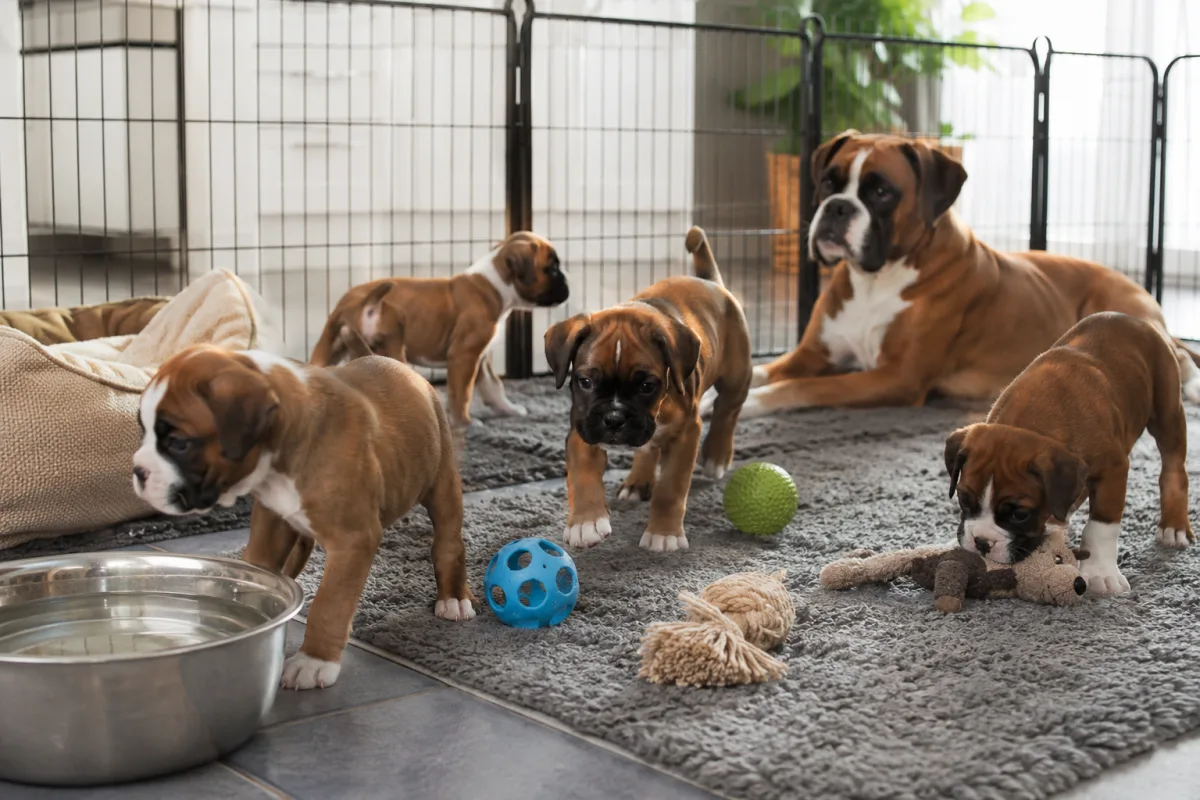
Puppies should be raised with clean housing, appropriate handling, household sounds, safe surfaces, gentle visitors, early nail trims, and age-appropriate play. They should not spend their first weeks isolated in a shed with little human contact. Early life shapes confidence.
Ask what the puppies have heard, touched, and practiced. Have they seen a vacuum? Felt a brush? Heard pans? Met calm adults? Started crate familiarity? A breeder cannot finish training for you, but they can give the puppy a better start. If grooming cooperation is new to you, Livecub's longhair Dachshund grooming guide is a different coat type, but the handling-training idea still applies.
Look at the whole area, not only the puppy in your arms. Clean bedding, fresh water, safe footing, age-appropriate toys, and relaxed adult dogs all tell you something. A breeder who refuses any view of the puppy environment should have a strong reason, not a vague excuse.
What Contract Details Should You Read?
Read the contract before paying. Look for health terms, spay/neuter or breeding restrictions, return policy, registration details, co-ownership terms if any, vaccine and deworming records, microchip information, and what happens if you can no longer keep the dog. A responsible breeder usually wants the dog back rather than seeing it passed around.
Do not sign what you do not understand. A contract is not automatically good because it is long. It should be clear. Ask for time to read it. A breeder who pressures you to sign immediately may care more about the sale than the match.
Ask what support looks like after pickup. Will the breeder answer training questions? Do they want health updates? What happens if a serious diagnosis appears? A breeder who cares about the dogs usually wants to know how they mature.
What Red Flags Should Stop You?
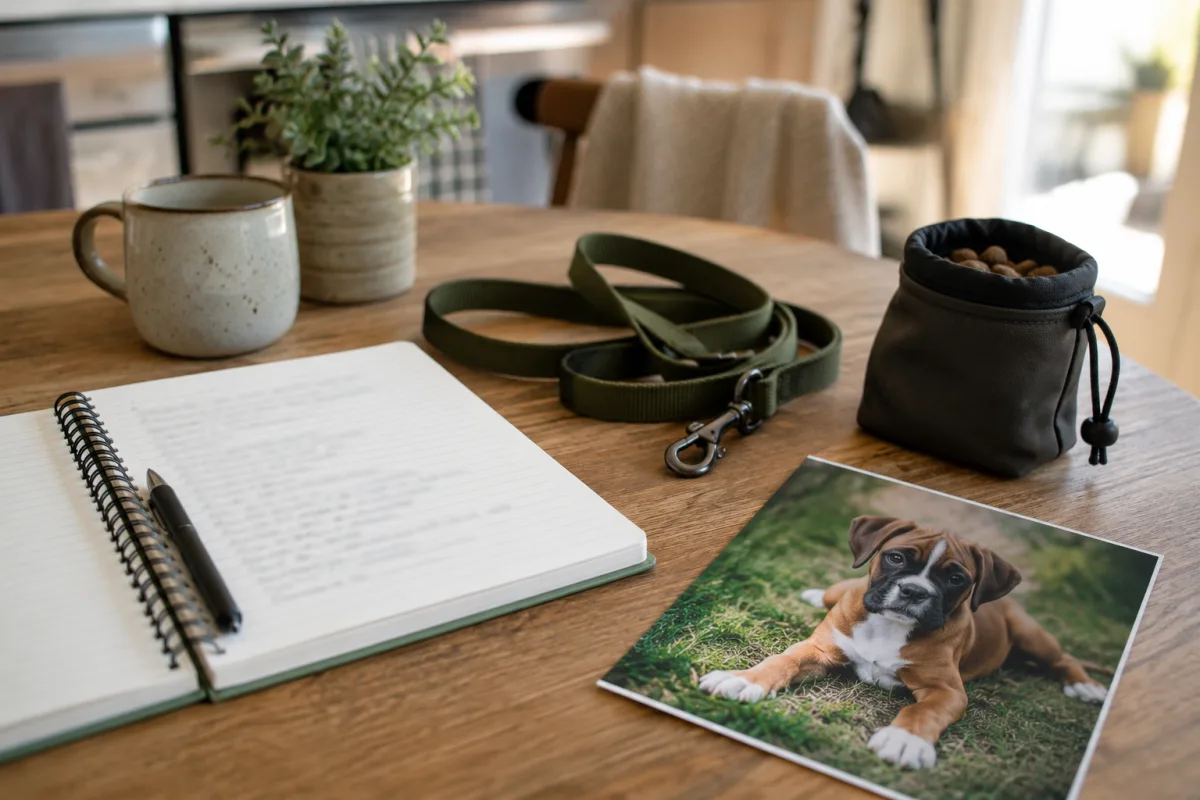
Walk away from breeders who always have puppies available, refuse health records, avoid questions, sell through vague online listings only, will not show where puppies are raised, use extreme pressure, or offer a discount for skipping paperwork. Also be cautious with anyone who markets rare colors as more valuable without discussing health and breed standards honestly.
Boxers are popular enough that poor breeding exists. A low price can become expensive if preventable health or behavior problems follow. Livecub's Staffordshire Bull Terrier health problems article is a useful reminder that breed love should include breed-specific health reality.
How Should You Prepare For The Puppy?
Prepare for energy, training, chewing, jumping, and social needs. Use gates, crate training, safe chew toys, puppy classes, and calm greetings from the first week. Boxers can be wonderful family dogs, but they need manners before they are full-sized.
VCA's Boxer breed profile describes Boxers as playful and energetic, with exercise and health needs. Plan for daily walks, training games, vet care, and heat awareness. If you like active breeds, Livecub's German Shorthaired Pointer questions can help compare energy management across athletic dogs.
Book a veterinary visit before the puppy comes home, choose a training class, and set house rules with every family member. Decide where the puppy sleeps, how greetings work, and which rooms are off limits. Boxers learn quickly, including the rules people did not mean to teach.
Ask about feeding, growth, and exercise limits for the first year. A Boxer puppy may look ready for rough play before the body is mature. Your veterinarian and breeder can help balance safe activity with normal puppy energy. Lean growth, steady training, and controlled play are better than trying to tire the puppy out with chaos.
Stay in contact after pickup. Send updates, report health issues, and ask for advice before a small training problem becomes a household pattern. A responsible breeder is not a replacement for a veterinarian or trainer, but they know their lines and may recognize patterns a new Boxer owner misses.
Keep copies of every record: contract, pedigree, microchip, vaccines, health tests, diet notes, and breeder contact details. Puppy excitement makes paperwork easy to misplace. Organized records make the first vet visit smoother and protect you if questions arise later. Add training notes during the first month too. Those notes make patterns easier to catch early and discuss calmly.
Frequently Asked Questions
How do I know if a Boxer breeder is responsible?
They provide health records, discuss temperament, raise puppies cleanly, answer questions, use a clear contract, and offer lifetime support.
Should I meet the puppy's parents?
Meet the mother when possible and ask about the father. Adult temperament and health history matter.
Are Boxer puppies good for first-time owners?
They can be, with training support and realistic energy expectations. A poorly matched puppy can overwhelm a casual owner.
What is the biggest Boxer breeder red flag?
No health testing records. Friendly talk cannot replace documented screening.
Should a breeder ask me questions?
Yes. Good breeders care where puppies go and should ask about your home, schedule, training plans, and experience.
What Is The Best Breeder Choice?
Choose the breeder who is transparent when the conversation gets serious. Health records, honest temperament talk, clean puppy raising, a clear contract, and lifelong backup matter more than a cute photo. The right Boxer breeder makes you feel informed, not rushed.

Chiara Bradshaw
Covers education, culture and creative topics with an emphasis on readable explanations and verifiable references.



Leave a reply
Replying to